Irrigation and Lighting Techniques for Indoor Gardens: Ensuring Success at Home
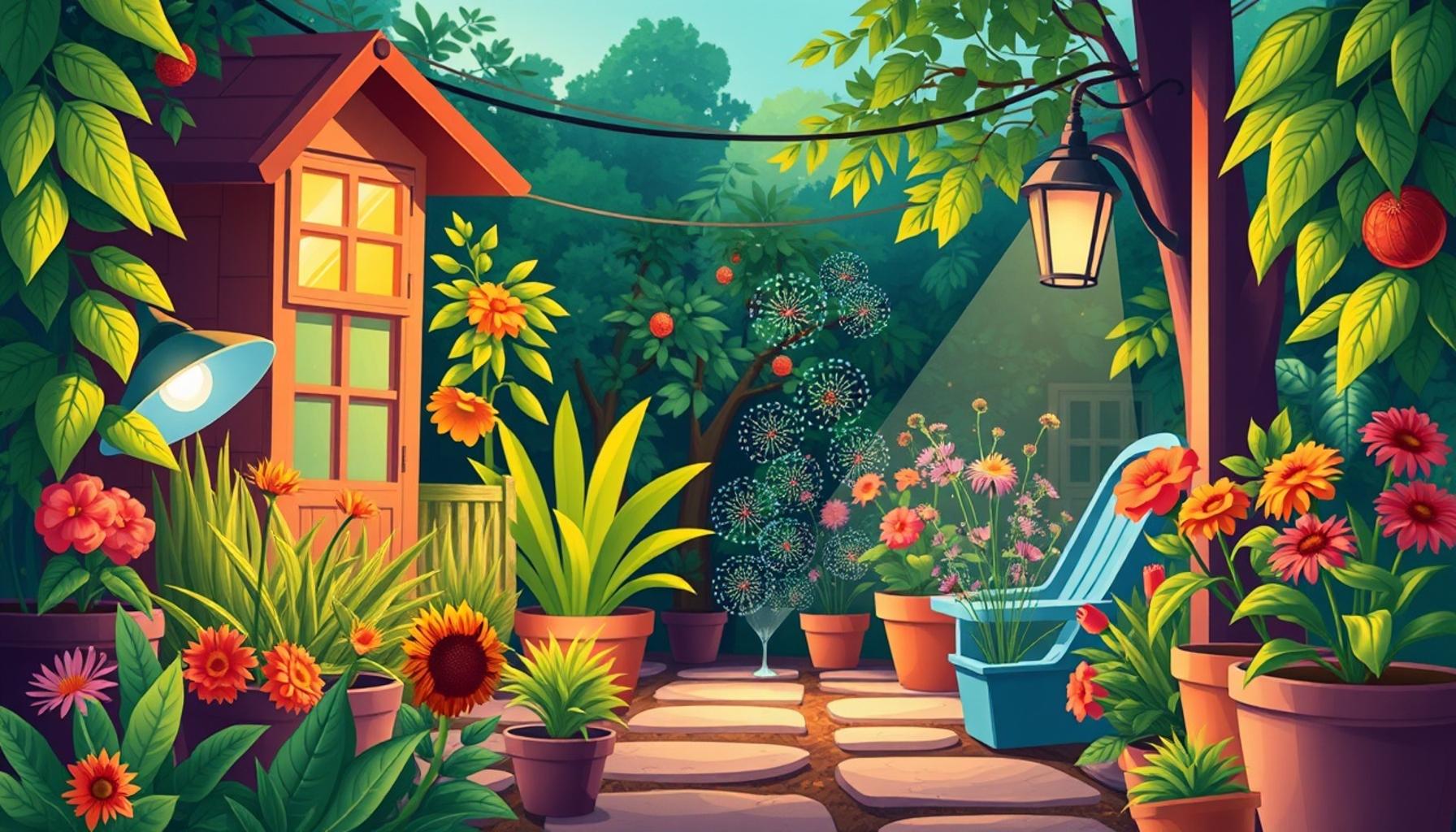
Unlocking the Secrets of Indoor Gardening
Transforming your space into a lush indoor garden requires more than just a few plants and watering them occasionally. To cultivate a thriving indoor garden, understanding irrigation and lighting techniques is essential. These two elements play a crucial role in supporting plant health and growth.
Key Components of Successful Indoor Gardening
- Irrigation Systems: Choosing the right irrigation method can vastly affect the health of your plants. Drip irrigation, for instance, allows water to drip slowly onto the soil, providing consistent moisture directly to the roots. This method is particularly effective for herbs like basil and container-grown vegetables. Alternatively, self-watering pots are excellent for those with busy schedules, as they enable plants to draw water as needed, reducing the risk of over- or under-watering. Simple hand watering remains a popular choice, encouraging connection with the plants, but it requires regular attention to ensure that soil moisture levels remain optimal.
- Light Sources: While natural light from windows can support many houseplants, it often falls short, especially during shorter winter days. This is where supplemental lighting comes into play. LED grow lights have gained popularity due to their energy efficiency and ability to provide the full spectrum of light needed for photosynthesis. They are ideal for settings where natural light is limited. Fluorescent lights, on the other hand, are less expensive and provide a good alternative for smaller setups, but may need to be closer to the plants to make a meaningful impact.
- Humidity Control: Many indoor plants thrive in high humidity, which can be a challenge in dry winter months, common in many parts of the United States. Utilizing a humidifier can help maintain consistent moisture levels in the air, benefitting tropical plants like ferns and peace lilies. Additionally, grouping plants together can create a microclimate of humidity, enhancing their overall health.
Finding the right balance between these elements can lead to healthier plants and a flourishing indoor ecosystem. In the United States, where many homeowners aim for year-round greenery, mastering these techniques can make indoor gardening not just possible but enjoyable. Indoor gardening can also reduce stress levels, improve air quality, and even enhance creativity in your home.
Why It Matters
Incorporating effective irrigation and lighting techniques not only enhances plant growth but also improves the aesthetics of your home. A well-maintained indoor garden can serve as a focal point, transforming an ordinary room into a vibrant sanctuary. Are you ready to dive deeper into the world of indoor gardening success? As you explore these tips and techniques, consider visiting local gardening workshops or researching online communities; both can provide additional insights and a wealth of knowledge for novice and experienced indoor gardeners alike.
DISCOVER MORE: Click here for homemade pest repellent tips
Mastering Irrigation Techniques for Indoor Gardens
One of the most critical aspects of indoor gardening lies in the choice of irrigation method. The right system not only ensures your plants receive adequate moisture but also promotes healthy root development and reduces the risk of disease. Understanding the distinct advantages of various methods can help you make informed decisions that lead to thriving plants.
Exploring Effective Irrigation Methods
- Drip Irrigation: Widely regarded as the gold standard for indoor gardens, drip irrigation delivers water directly to the base of each plant through a network of hoses and emitters. By targeting the roots, this precise method reduces water waste and minimizes the chance of fungal diseases caused by overhead watering. It’s particularly beneficial for larger setups, where consistent moisture levels are crucial for the health of multiple plants.
- Self-Watering Pots: Ideal for amateur gardeners or those with limited time, self-watering pots come equipped with a reservoir that allows plants to absorb water as needed. This autonomous system takes the guesswork out of irrigation, allowing for longer intervals between watering. Additionally, it helps to prevent overwatering, which is a common pitfall for many indoor gardeners, especially with moisture-sensitive varieties.
- Hand Watering: The classic method of hand watering has its merits. Not only does it enable gardeners to personally check the soil moisture levels, but it also fosters a connection between the gardener and their plants. For those who prefer this method, it’s essential to learn the signs of over- and under-watering, such as yellowing leaves or wilting, to avoid compromising plant health.
When determining the best irrigation technique, consider factors such as the types of plants you wish to grow, the layout of your space, and your daily schedule. For instance, a busy professional may lean towards self-watering pots, while those with more time might enjoy the hands-on approach of hand watering.
Illuminating Indoor Gardens: Understanding Light Requirements
Lighting is another cornerstone of successful indoor gardening. Just as plants require water to flourish, they also depend on light, particularly natural sunlight or artificial light sources, to carry out photosynthesis. Given that many indoor settings may not offer sufficient natural light, understanding how to effectively supplement with artificial light can make all the difference.
Types of Lighting for Indoor Plants
- LED Grow Lights: These energy-efficient lights are favored by many indoor gardeners for their ability to provide a full spectrum of light that is essential for plant photosynthesis. Available in various shapes and sizes, LED grow lights can be strategically placed to target individual plants or groups, ensuring even coverage while minimizing energy costs.
- Fluorescent Lights: A more budget-friendly option, fluorescent lights are particularly effective for smaller gardens. They emit less heat than incandescent bulbs, making them suitable for placing closer to plants. This ability to position the lights near the foliage can greatly enhance growth rates, especially for seedlings and low-light plants.
- Natural Light: If you are fortunate to have a south-facing window, natural light can be an excellent resource for indoor gardening. However, it’s important to monitor how much sunlight the plants receive throughout the day and adjust their placement as seasons change.
By leveraging the right combination of irrigation and lighting techniques, indoor gardeners can cultivate vibrant, healthy plants that will thrive in their homes. Are you ready to take your indoor gardening journey to the next level? Stay tuned to discover tips on maintaining humidity levels and additional strategies for ensuring your indoor garden thrives.
Irrigation Techniques for Indoor Gardens
When it comes to maintaining a thriving indoor garden, understanding and implementing effective irrigation techniques is of paramount importance. Proper watering ensures your plants get the nutrients they need while preventing overwatering or underwatering, common pitfalls for many indoor gardeners. Automatic drip irrigation systems, for example, offer the advantage of precision, delivering water directly to the plant roots. This not only conserves water but also reduces the chances of mold and mildew from excess moisture on plant leaves.Moreover, utilizing moisture sensors can revolutionize your approach. These devices provide real-time feedback on soil moisture levels, allowing gardeners to water only when necessary. This smart watering technology aligns perfectly with modern sustainability practices, minimizing water waste and promoting healthy plant growth.
Lighting Techniques for Indoor Gardens
In addition to optimal irrigation, lighting plays a crucial role in the success of indoor gardens. Many indoor plants require specific light conditions to thrive, making it essential to choose the right lighting solutions. LED grow lights, for instance, are popular among indoor gardening enthusiasts for their energy efficiency and ability to provide the full spectrum of light needed for photosynthesis. Setting up a strategic lighting schedule can also mimic natural sunlight cycles. Utilizing timers enables you to replicate prolonged daylight hours, fostering plant growth during short winter days. If you’re growing a variety of plants, consider investing in adjustable lighting fixtures to cater to the differing light requirements of your indoor garden’s flora. By integrating the right irrigation and lighting techniques, you can create a healthier indoor ecosystem that contributes to long-term gardening success at home.
LEARN MORE: Click here for effective pest control tips
Managing Humidity Levels: A Key to Indoor Plant Success
Beyond irrigation and lighting, maintaining appropriate humidity levels is crucial for the health and growth of indoor plants. Many indoor spaces tend to have drier air due to central heating or air conditioning, which can lead to stress and pests for your plants. Understanding how to manage humidity effectively can create the perfect environment for flourishing greenery.
Strategies for Increasing Humidity
- Humidity Trays: One simple method to boost humidity is to place a shallow tray filled with water near your plants. When the water evaporates, it adds moisture to the surrounding air. To enhance the effect, you can add pebbles to the tray, allowing the pots to sit above the water and preventing root rot. This technique is especially effective for plants that thrive in tropical conditions.
- Group Plants Together: Another effective way to increase humidity is by clustering your plants together. When plants transpire, they release moisture into the air, and together they create a microenvironment with higher humidity levels. This is especially beneficial for small indoor gardens where plants can help each other thrive.
- Humidifiers: For more considerable humidity control, consider investing in a humidifier. These devices can be adjusted to maintain specific humidity levels that meet the needs of your indoor garden. Some models even include features like built-in hygrometers, allowing you to monitor humidity levels easily, essential for more demanding plant varieties.
- Misting: Regularly misting your plants with water can also work to temporarily raise humidity levels. However, it’s important to be cautious with this method; excessive misting can lead to fungal diseases if the plant leaves remain wet for prolonged periods. This technique is ideal for plants such as orchids or ferns that enjoy high humidity.
Monitoring the humidity levels around your indoor garden is fundamental. The ideal humidity levels typically range from 40% to 70%, depending on the species you are growing. A hygrometer can help you keep track and make necessary adjustments to create optimal conditions.
Integrating Advanced Technology for Optimal Growth
In today’s digital age, technology has revolutionized the way indoor gardeners manage their plants. From sophisticated irrigation systems to automated lighting solutions, there are numerous tools available to make indoor gardening more efficient and effective.
Smart Irrigation and Lighting Systems
- Smart Irrigation Controllers: These devices utilize sensors to monitor soil moisture levels and automatically adjust watering schedules accordingly. This technology minimizes water waste and prevents over- or under-watering, allowing you to enjoy a flourishing indoor garden with minimal effort.
- Timed Grow Lights: Investing in grow lights with timers enables you to set specific on and off times, mimicking natural light cycles. This allows you to provide the consistent light exposure that plants need to thrive, even in low-light conditions. Some advanced systems can even adjust their spectrum based on the time of day, further optimizing plant growth.
- Smart Plant Monitors: These small devices can be placed directly in the soil of your pots and provide real-time data regarding light, temperature, and humidity levels. By analyzing this information, you can receive tailored advice and adjustments to ensure your indoor plants receive the best possible care.
As you explore various options for humidity management and advanced technologies, you will discover that the right combination can elevate your indoor gardening experience significantly. The continuous learning and adjustments you make will foster a deeper connection with your plants, ensuring longevity and resilience in your indoor garden.
DON’T MISS: Click here to learn about soil preparation
Conclusion: Cultivating Success with Irrigation and Lighting
In summary, the journey to creating a thriving indoor garden involves a deft balance of irrigation, lighting, and humidity management. By applying these essential techniques, you will not only enhance the health and growth of your plants but also enrich your home environment. Understanding how to adjust your watering habits, choose the right lighting systems, and maintain appropriate humidity levels is paramount to fostering a vibrant garden space.
As we’ve explored, leveraging technology such as smart irrigation systems and automated lighting controls can significantly reduce the hassle of managing indoor plant care. These tools offer an unprecedented level of convenience and precision that can result in optimal growth conditions tailored to the specific needs of your plants. With options ranging from humidity trays to clustered plant arrangements, the possibilities for creating an ideal indoor ecosystem are plentiful.
Moreover, the knowledge and techniques highlighted in this article serve as a valuable foundation for both novice and experienced indoor gardeners alike. As you continue to cultivate your green space, remember that observation and adaptability will be your best allies. Keep experimenting and learning, as each plant has its own unique requirements that can transform your indoor sanctuary into a flourishing retreat. Ultimately, by mastering irrigation and lighting techniques, you can ensure success at home and enjoy the benefits of a lush indoor garden.