Menu

Vertical Gardening: Creative Solutions to Maximize Space and Beauty in Indoor Environments

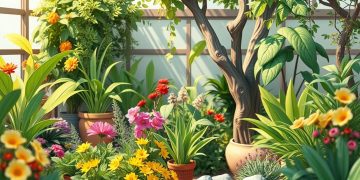
Vertical gardening transforms limited indoor spaces into lush green sanctuaries, optimizing aesthetics and functionality. By incorporating creative solutions like wall-mounted planters and hydroponic systems, urban dwellers can enhance air quality, promote sustainability, and cultivate a calming atmosphere, demonstrating the beauty and practicality of nature indoors.

The Importance of Plant Rotation: How to Keep Your Indoor Gardening Healthy and Productive

Effective plant rotation is essential for healthy indoor gardening. By regularly changing plant positions, you can prevent diseases, enhance soil fertility, and optimize nutrient balance. This practice not only improves plant growth and yield but also fosters a resilient indoor ecosystem, ensuring your garden thrives year-round.

The Benefits of Indoor Gardening for Beginners: How to Turn Your Space into a Green Oasis

Indoor gardening offers beginners a perfect way to transform small spaces into vibrant green oases, enhancing air quality and reducing stress. This rewarding hobby not only beautifies homes but also encourages sustainable living and fosters family bonds, making it a fulfilling and enriching experience for all.

Practical Tips for Creating an Ideal Environment for Houseplants: Lighting, Humidity, and Temperature

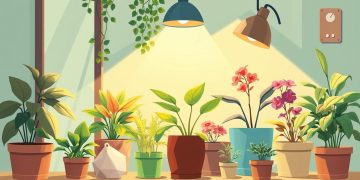
Creating an ideal environment for houseplants involves understanding their needs for lighting, humidity, and temperature. By providing optimal conditions, such as using grow lights, maintaining proper humidity levels, and ensuring stable temperatures, you can enhance your indoor garden's health and beauty while nurturing a vibrant living space.

Growing Vegetables at Home: Tips for Beginners in Indoor Food Gardening

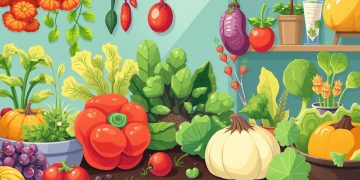
Discover the joys of growing vegetables at home with essential tips for beginners in indoor food gardening. Learn about space optimization, light requirements, and soil choice while exploring the benefits of fresh produce, stress relief, and cost savings. Transform your indoor space into a thriving garden for delicious homegrown vegetables.

How to Choose the Ideal Pot for Your Indoor Plants: Types and Materials for Beginners

Choosing the right pot for indoor plants is vital for their health and growth. Consider factors like drainage, size, and material—such as terracotta, ceramic, or plastic—to create an optimal environment. Understanding your plants' specific needs will enhance your indoor gardening experience and help them thrive.

The Importance of Soil Analysis for Beginners in Gardening

Soil analysis is crucial for beginner gardeners, providing insights into nutrient levels, pH balance, and soil structure. Understanding these factors enables effective fertilization, optimal plant selection, and enhances overall garden health. Embracing soil analysis fosters sustainable practices, ensuring a productive and vibrant gardening experience.

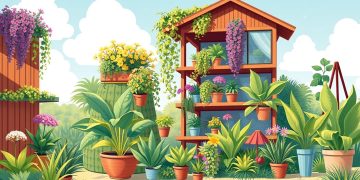
How Crop Rotation Can Improve Soil Quality in Home Gardens

Crop rotation is a vital practice for home gardeners, enhancing soil quality by improving nutrient management, pest control, and soil structure. By alternating crops based on their unique nutrient needs, gardeners can create a healthier ecosystem that reduces synthetic fertilizer reliance while promoting sustainability and robust plant growth.

Aromatic Herbs at Home: A Step-by-Step Guide to Growing Your Own Indoor Spices

Learn how to cultivate aromatic herbs indoors to enhance your cooking and beautify your space. This step-by-step guide covers selecting the right herbs, understanding growth needs, and implementing effective care techniques, ensuring a rewarding gardening experience that brings fresh flavors and wellness benefits to your meals.

Natural Pest Control Methods During Soil Preparation for Planting

This article explores effective natural pest control methods during soil preparation for planting. By utilizing techniques like crop rotation, beneficial insects, and organic matter enrichment, gardeners can create a thriving ecosystem. These methods enhance plant resilience, minimize pest issues, and promote sustainable gardening practices without harsh chemicals.