Vertical Gardening: Creative Solutions to Maximize Space and Beauty in Indoor Environments
Exploring the Benefits of Vertical Gardening
As urban living spaces continue to shrink in size, innovative design solutions are becoming essential for enhancing our environments. Vertical gardening emerges as a transformative technique that allows homeowners and apartment dwellers to incorporate the beauty of nature into their limited spaces while maximizing functionality and aesthetic appeal.
This method goes beyond mere decoration, offering an array of advantages. For instance:
- Space optimization: Vertical gardens are perfect for small apartments or homes where floor space is limited. For example, a simple wall-mounted planter can host a variety of plants, from herbs to succulents, without taking valuable floor area.
- Air quality improvement: Plants such as spider plants, peace lilies, and snake plants naturally absorb indoor toxins and improve air quality. This is increasingly important in urban areas, where pollution and poor ventilation impact health.
- Humidity control: Vertical gardens actively release moisture into the air, helping to combat dry indoor conditions often exacerbated by central heating during the winter months.
- Enhanced productivity: Studies have shown that incorporating greenery into workspaces improves mood and creativity, leading to increased productivity— a key factor for home offices or study areas.
Incorporating vertical gardens into your indoor space can lead to stunning designs such as green walls, which serve both as art and a source of tranquility. Picture walking into a living room adorned with lush plants cascading from a modular wall system. This beautiful arrangement not only alleviates clutter but also creates a serene atmosphere amidst the hustle and bustle of modern life.
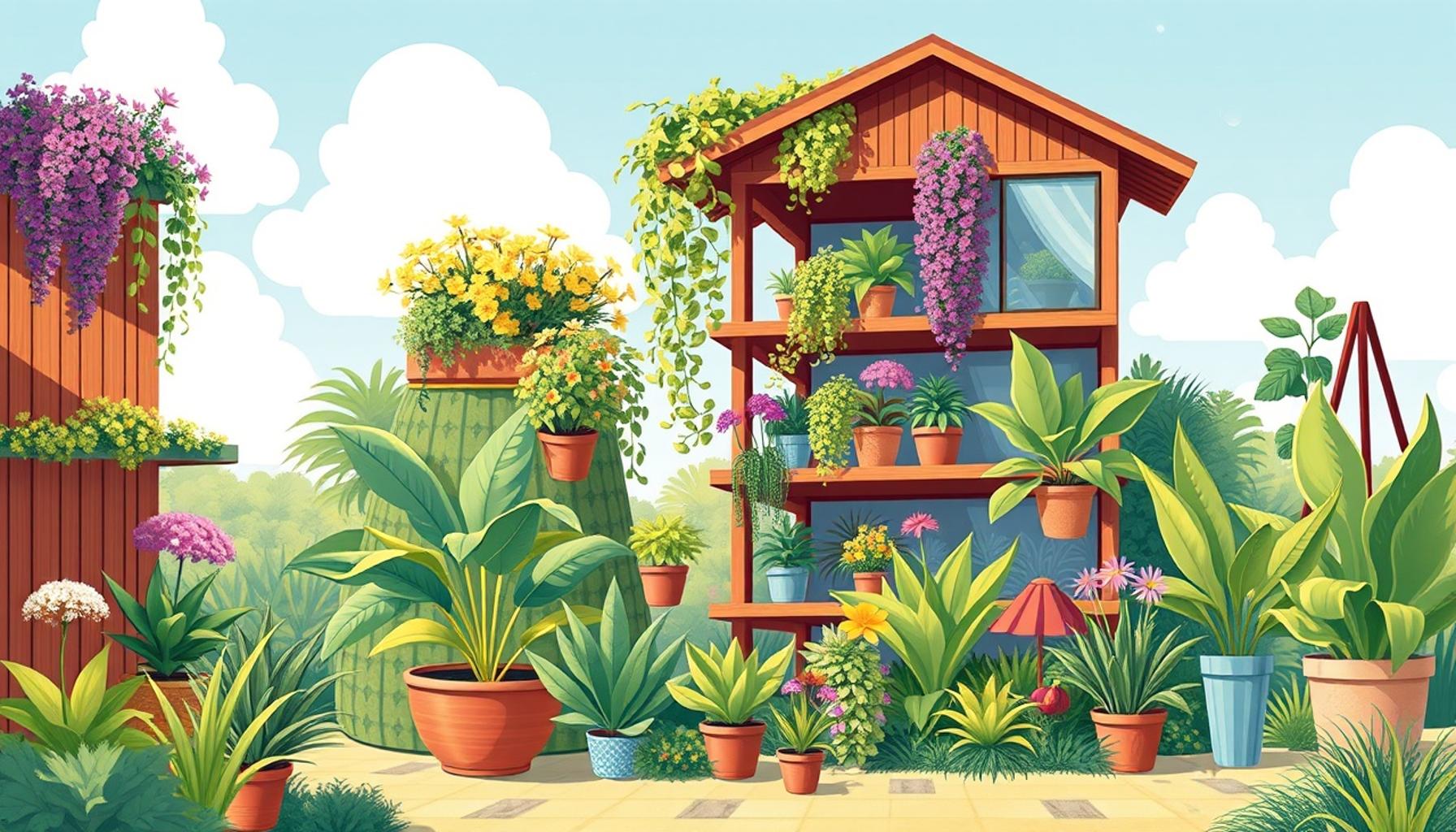
There are numerous styles of vertical gardening solutions to explore. You might consider using freestanding living walls, hanging planters that accentuate features like fireplaces, or even trellises with climbing plants in areas with ample sunlight. The versatility means that almost anyone can find a method that suits their taste and space constraints.
Moreover, the wide variety of plants available allows for customization according to your environment’s specific conditions, such as light availability and humidity. For example, in lower light conditions, using shade-tolerant plants like ferns or pothos can help ensure that your vertical garden thrives.
Join us as we delve deeper into the world of vertical gardening. We will showcase creative approaches that maximize space, enhance indoor air quality, and celebrate the natural beauty of indoor habitats. Embrace this trend and transform how you interact with your environment, breathing new life into your indoor spaces.
DISCOVER MORE: Click here for tips on creating a watering schedule
Creative Vertical Gardening Solutions for Small Spaces
Vertical gardening presents an exciting opportunity to not only beautify indoor spaces but also to utilize them more efficiently. It is an adaptive approach that allows nature to thrive in areas that would otherwise remain barren or underutilized. For those living in bustling cities such as New York or San Francisco, where square footage often comes at a premium, vertical gardens open the door to a world where plants can flourish in the air instead of on the floor.
As you consider incorporating vertical gardening into your indoor environment, there are a variety of solutions to fit different styles and preferences. Here are some innovative ideas to get you started:
- Wall-Mounted Planters: These come in various designs, from sleek and modern to rustic and recycled materials. Wall-mounted planters allow you to create a living masterpiece, infusing unique aesthetics into your space.
- Hanging Gardens: Great for smaller areas, hanging planters can be suspended from ceilings, offering a whimsical touch while bringing plants to eye level. A cluster of herb pots can lend a delightful aroma to your kitchen.
- Freestanding Vertical Gardens: These systems, which can be moved and repositioned, offer flexibility for renters and homeowners alike. Many models come with built-in irrigation systems, making plant care hassle-free.
- Modular Green Walls: Ideal for larger expanses, modular systems allow you to construct a green wall tailored to your specific needs. This option is perfect for creating a statement piece in a living room or office.
When planning your vertical garden, consider the types of plants that will thrive in your environment. Many popular indoor plants are not only visually appealing but also enhance the overall air quality. Here are a few that are well-suited for vertical arrangements:
- Pothos: An easy-to-care-for plant that thrives in varying light conditions.
- Ferns: Perfect for adding lush greenery and texture, especially in shaded areas.
- Herbs: Ideal for those who want a functional garden; basil, mint, and parsley can all thrive vertically while also being used in your culinary endeavors.
- Succulents: Excellent for those who may not have a green thumb but still want to enjoy the benefits of greenery.
Moreover, incorporating a vertical garden can be a creative way to engage family members or roommates. Design it as a collaborative project where everyone has a say in plant selection and placement. This not only nurtures teamwork but also creates a personal touch that reflects your collective spirit.
With these diverse options, vertical gardening proves to be more than just a trend; it is a sustainable lifestyle change. By leveraging innovative design solutions and choosing the right plants, anyone can create an inspiring and beautiful indoor environment that defies the constraints of space.
Explore Vertical Gardening Benefits
Vertical gardening presents a myriad of advantages that go beyond aesthetic appeal, making it a popular choice in modern interior design. One of the most compelling benefits is its ability to maximize space utilization. By utilizing vertical space, homeowners can enjoy lush greenery without sacrificing precious floor area, which is particularly advantageous in smaller apartments and urban settings. The vertical gardening trend allows plants to climb walls, hang from ceilings, or rest on specially designed wall-mounted planters, thus transforming any indoor environment into a vibrant oasis.In addition to maximizing space, vertical gardens have significant environmental benefits. They act as natural air filters, improving indoor air quality by absorbing pollutants and carbon dioxide while releasing oxygen. This feature promotes not only a healthier living space but also enhances the overall well-being of its inhabitants. Furthermore, incorporating plants can drastically improve acoustic insulation by reducing noise pollution, an essential factor in busy urban environments.Moreover, vertical gardens are highly customizable, allowing individuals to express their creativity and personal style. From choosing between a variety of plants that thrive indoors to selecting unique planter styles, there is no shortage of options for those looking to curate their indoor landscape. This creative outlet not only enhances aesthetic appeal but also brings joy and a sense of accomplishment to gardeners of all skill levels.The benefits of vertical gardening extend into practical solutions as well, offering plants a better chance of receiving adequate light in otherwise dim spots. By positioning planters along windows or walls, plants can enjoy maximum sunlight, leading to healthier growth and stunning displays. With these points in mind, the allure of vertical gardening becomes clear, encouraging many to explore this innovative approach to indoor gardening further.
| Advantages | Features |
|---|---|
| Maximized Space | Ideal for small living areas, allowing for greater plant variety. |
| Improved Air Quality | Plants filter air pollutants, creating a healthier indoor environment. |
| Enhanced Aesthetics | Customizable designs to match personal style and decor. |
| Acoustic Benefits | Plants absorb sound, reducing noise levels. |
DISCOVER MORE: Click here to learn about the best indoor plants
Innovative Techniques for Elevating Your Indoor Vertical Garden
As urban living spaces become increasingly compact, the rise of vertical gardening methods is leading the way in redefining how we interact with our indoor environments. Not only does a vertical garden create unparalleled visual interest, but it also serves to improve air quality and enhance overall well-being. Let’s delve into some innovative techniques that elevate the concept of vertical gardening from simple aesthetics to functional art.
Hydroponic Systems
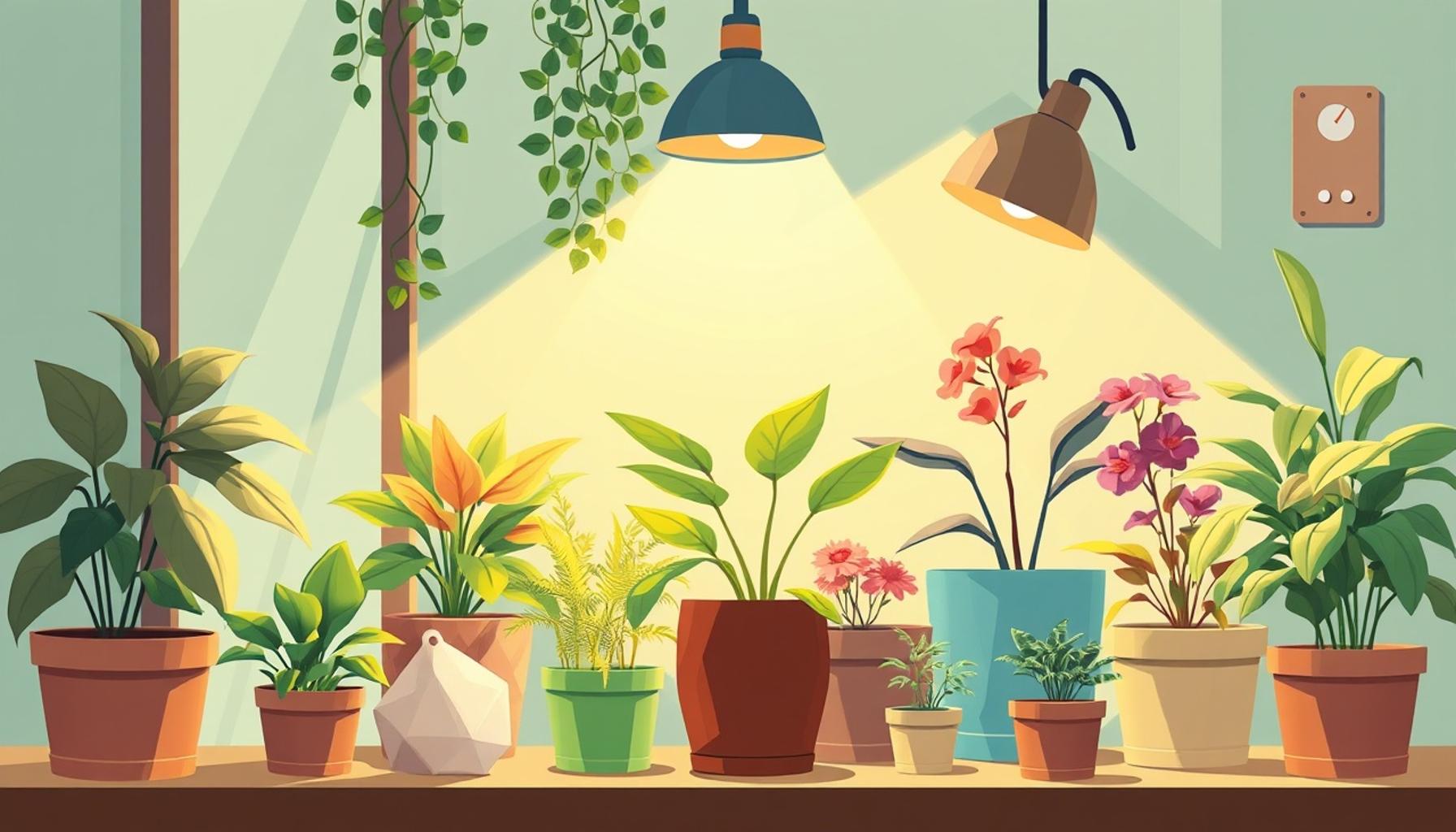
Hydroponic gardening is a soil-less method where plants grow in nutrient-rich water, allowing them to flourish in controlled environments. This technique is especially beneficial for vertical gardening, as it maximizes space while minimizing mess. Vertical hydroponic systems can be designed to fit snugly against a wall, often integrating LED grow lights for optimal plant growth. Homeowners can easily cultivate fresh vegetables such as lettuce or mini bell peppers, providing a fully sustainable supply even in the heart of a city.
Using Trellises and Lattice Work
Trellises and lattice panels can be incorporated into your vertical garden design to support climbing plants like peas and beans. This not only utilizes vertical space effectively but also adds an intriguing layering of textures and shapes to your indoor landscape. Using natural wood or even intricately designed metal work will bring a touch of elegance, combining form and function seamlessly within your space.
Creative Plant Groupings
The beauty of vertical gardening lies in its ability to showcase diverse plant species in a harmonious fashion. Utilize plant groupings by mixing textures, colors, and sizes for an artistic display. For example, pairing large foliage plants like monstera alongside flowering plants such as African violets can create a stunning contrast that draws the eye. The key is to consider the individual growth needs of each plant to ensure compatibility in terms of water and light.
Self-Watering Vertical Gardens
For busy individuals who might hesitate to commit to a vertical garden due to maintenance concerns, self-watering systems offer a practical solution. Many modern vertical gardening kits come equipped with integrated irrigation systems, eliminating the fuss of daily watering while promoting healthy plant growth. These systems can be a game-changer for those who appreciate greenery but have limited time to dedicate to gardening.
Incorporating Technology
Embracing technology can take your vertical gardening experience to the next level. Smart planters equipped with sensors can monitor moisture levels, light exposure, and temperature, alerting you when your plants need attention. Mobile applications can further enhance your gardening journey by offering tailored advice on watering schedules and plant care tips. With these advancements, maintaining an indoor vertical garden has never been more manageable.
Bringing Nature Indoors with Biophilic Design
The philosophy of biophilic design emphasizes the connection between humans and nature and can be fully realized through vertical gardening. By integrating greenery directly into living or working spaces, architects and designers create environments that can reduce stress and increase productivity. Even the smallest indoor areas can be transformed into serene oases that not only please the senses but also encourage a deeper appreciation for the natural world.
With an expansive array of innovative techniques and technologies, vertical gardening is redefining the way we maximize space and beauty indoors. By embracing these ideas, urban dwellers can cultivate living spaces that inspire and enrich everyday life, demonstrating that even the most confined spaces have room for nature to flourish.
DISCOVER MORE: Click here to learn about easy herbs to grow
Conclusion: Cultivating Beauty and Sustainability in Limited Spaces
As we continue to confront the challenges of urban living, vertical gardening emerges as a transformative solution that harmonizes aesthetic appeal with practicality. By utilizing innovative techniques such as hydroponic systems, self-watering gardens, and engaging biophilic design, indoor environments can be revitalized into lush green sanctuaries, even in the tightest of spaces. The integration of technology, from smart sensors to mobile gardening apps, enhances this experience, making it easier to nurture plants and sustain a vibrant green lifestyle.
The possibilities presented by vertical gardening go beyond mere decoration; they encapsulate a movement towards sustainability, health, and well-being. Gardens filled with greenery not only purify the air but also contribute to our mental and emotional health, making our homes spaces of tranquility and inspiration. As seen in homes across the United States from coast to coast, the aesthetic versatility of plant groupings and creative framework choices offers an endless array of design options.
Ultimately, embracing vertical gardening reflects a deepening commitment to merging our living spaces with nature, fostering a system where both can coexist harmoniously. Whether you are a seasoned green thumb or a newcomer to indoor gardening, exploring these creative solutions will certainly elevate your space and enrich your life with beauty and sustainability. The journey toward greener living starts with one vertical planter at a time!