How to Choose the Ideal Pot for Your Indoor Plants: Types and Materials for Beginners
Understanding Pot Selection for Your Indoor Plants
When cultivating indoor plants, the choice of pot can significantly influence their vitality. It is not merely a decorative decision; the right pot can mean the difference between a thriving plant and one that struggles to survive. For those just starting in the world of indoor gardening, the range of options available can indeed be bewildering. However, familiarizing yourself with the various types of pots and their materials can greatly aid in making a wise selection.
Key Factors to Consider
In order to foster a healthy environment for your plants, it is important to consider several essential factors during your pot selection:
- Drainage: Proper drainage is crucial for all plants. Pots without drainage holes can lead to waterlogged soil, resulting in root rot. For example, a standard nursery container often has multiple holes to prevent excessive moisture. Always prioritize pots that include this feature, ensuring that excess water can escape.
- Size: The size of the pot should align with the plant’s size. A pot that is too small can restrict the roots, while one that is excessively large might retain too much moisture. A general guideline is to select a pot that is 1-2 inches larger in diameter than the nursery pot your plant came in, allowing space for growth.
- Material: The material of the pot can influence how moisture is retained and how temperature is managed. For instance, plastic pots are lightweight and retain moisture well, making them suitable for a variety of plants. On the other hand, terracotta pots are porous, allowing air to circulate around the roots and are favored for plants like succulents and cacti that prefer drier soil.
Common Types of Pots
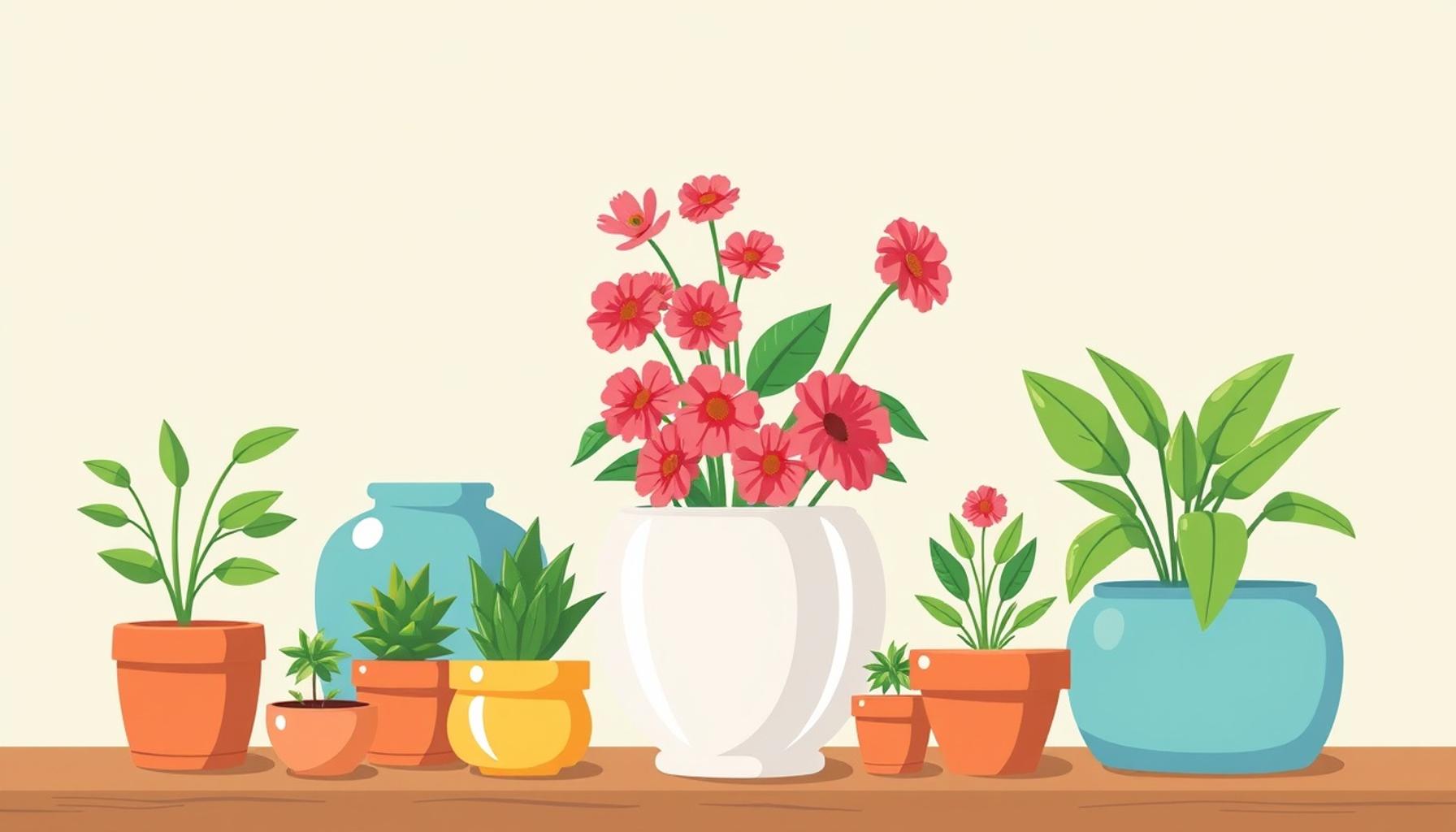
When it comes to selecting the right pot, there are a variety of materials and styles to choose from, each with its unique benefits:
- Plastic: As one of the most affordable options, plastic pots are popular among beginners. They come in various colors and sizes and are often lightweight, making them easy to move around.
- Terracotta: These clay pots are both rustic and functional. Their ability to absorb moisture makes them ideal for plants requiring well-drained conditions, helping to mimic a natural environment.
- Ceramic: Often available in beautifully glazed finishes, ceramic pots not only enhance the aesthetic appeal of your space but also provide effective moisture retention. However, they can be heavier and more expensive than other materials.
Being informed about the characteristics of various pots will not only improve your indoor gardening experience but will also bolster the health of your plants. As you navigate through the diverse options, remember that the correct pot fosters an environment where your plants can flourish, bringing a touch of nature into your home. Delve deeper into these options and observe how your choices yield results in your plant care journey.
DISCOVER MORE: Click here for fragrant indoor gardening tips
Essential Considerations for Indoor Plant Pots
As you embark on your indoor gardening journey, understanding the specifics of pot selection is paramount. Each type of pot and its material can dramatically affect how well your plants grow. Therefore, familiarizing yourself with the fundamental characteristics of pots not only simplifies the selection process but also enhances the overall health and aesthetics of your indoor greenery. Let’s delve deeper into the types of pots available and their respective materials to aid your decision-making.
Exploring Pot Materials
The material from which the pot is made plays an essential role in how it functions for your plant’s needs. Here are the most common materials you will encounter:
- Plastic: Lightweight, versatile, and often available in a myriad of colors, plastic pots are a favorite option for many beginners. They are usually affordable and retain moisture efficiently, reducing the frequency of watering. Because they can be easily moved, they are ideal for repositioning plants based on lighting conditions.
- Terracotta: These unglazed clay pots allow for excellent air circulation and drainage. Perfect for plants that prefer drier conditions, such as succulents and cacti, terracotta pots can help prevent overwatering. They come in natural tones that add a rustic charm to any home décor.
- Ceramic: For those prioritizing aesthetics, ceramic pots are often available in vibrant glazes and intricate designs. The weight of ceramic pots can be beneficial for larger plants, providing stability. However, they may not be as effective in drainage as terracotta and can be more expensive.
- Metal: Stainless steel and galvanized metal pots contribute a modern look and durability. However, they can heat up quickly in sunlight, which may not favor plants that prefer cooler roots. Be sure to choose metal pots that have proper drainage holes to avoid moisture retention issues.
Understanding Pot Shape and Design
Beyond material, the shape and design of the pot also impact plant health. Wide, shallow pots are great for plants with shallow root systems, while deeper pots are necessary for plants with extensive roots. Decorative pots often come as cachepots, where a simple container is used as a decorative outer layer without drainage holes. While visually appealing, these should be used carefully to prevent water accumulation.
When selecting a pot, consider not just the immediate aesthetic appeal but also how well it encompasses all of the essential needs of your plant. The right choice can create a harmonious indoor environment conducive to growth.
Investing time in understanding these fundamentals lays the groundwork for successful indoor gardening. By choosing pots that complement your plants’ specific needs, you’re setting the stage for a thriving indoor garden that may just become the pride of your home.
When selecting the ideal pot for your indoor plants, it’s crucial to consider the pot’s material and design, as these factors can have a significant impact on your plants’ health and growth. Here are some key insights into the different types and materials available for beginners.First, let’s explore the most common materials used for indoor pots:1. Terracotta Pots: Made from clay, these pots are porous, allowing moisture to evaporate easily, which can be beneficial for plants that prefer drier soil conditions. They provide excellent airflow to the roots, but they can dry out quickly, requiring more frequent watering. Consider them for plants like succulents or cacti, which thrive in drier environments.2. Ceramic Pots: Often glazed, ceramic pots come in various colors and designs, making them a stylish choice for decor. They retain moisture better than terracotta and can be perfect for plants that prefer consistent watering. Just ensure they have drainage holes to prevent root rot, which is critical for any indoor plant.3. Plastic Pots: Lightweight and versatile, plastic pots are durable and retain moisture well. They are an excellent option for beginners due to their affordability and wide availability. While they may lack the aesthetic appeal of terracotta or ceramic pots, they often come in a range of colors and designs.4. Metal Pots: These can lend a modern touch to your indoor plant display, but they conduct heat and cold more effectively, which can be detrimental to roots. Make sure to use them with caution and ensure proper drainage. Aluminum and stainless steel options are typically more durable and rust-resistant.5. Biodegradable Pots: For the environmentally-conscious gardener, biodegradable options like coconut coir or peat pots can be appealing. These pots are made from organic materials and can be planted directly into the ground, reducing transplant shock.Choosing the right pot is not merely about aesthetics; it plays a crucial role in the overall health of your indoor plants. Ensure your selected pot has appropriate drainage holes to allow excess water to escape, reducing the risk of root rot. It’s also important to choose a pot size that accommodates your plant’s growth. A pot that is too small can stifle development, while one that is too large can lead to overwatering.By understanding the different pot materials and their functions, you can create a thriving environment for your indoor plants. Remember, different plants have different needs, so considering the specific requirements of each type is essential for successful indoor gardening. Happy planting!
DISCOVER MORE: Click here to learn how to create your own sustainable indoor garden
Matching Your Pot with Plant Type
Choosing the ideal pot for your indoor plants is not solely about aesthetics or material; it’s also about pairing the right pot with the right type of plant. Each plant species has distinct needs, from root structure to moisture requirements. Understanding these specific needs can significantly impact your plant’s vitality and longevity.
Consider the Plant’s Needs
When selecting a pot, it’s crucial to consider the individual characteristics of your plants:
- Succulents and Cacti: These drought-resistant plants thrive in well-draining pots that allow excess water to escape. Terracotta pots are a reliable choice as they absorb moisture and help keep the soil dry. A shallow pot can provide just enough depth to accommodate their root systems while preventing water stagnation.
- Ferns and Tropical Plants: Plants like ferns prefer a more humid environment. Therefore, ceramic or plastic pots that retain moisture can offer the right balance for these greenery lovers. Ensure the pots have adequate drainage holes to keep the soil from becoming waterlogged.
- Flowering Plants: Blooming houseplants, such as African violets or orchids, can benefit from specialized pots that hold moisture yet promote good drainage. Self-watering pots can also be a dynamic option for these plants, ensuring a steady water supply without over-saturation.
Identifying the type of plant you have is the first step towards selecting the perfect pot. Simple research on your specific plants can yield vital information to guide you in your choice.
Size Matters: Choosing the Right Pot Size
Another critical factor in pot selection is size. A pot that is too small can restrict the growth of your plant, leading to stunted growth or root rot, while an excessively large pot can retain too much moisture and invite mold or pests.
As a general rule-of-thumb, when transplanting your plants, choose a pot that is 1-2 inches larger in diameter than the previous pot. This slight increase allows for adequate growth space without overwhelming the plant. When dealing with young plants, opt for smaller pots that can be scaled up as they grow, preventing them from struggling in a large, inhospitable environment.
Drainage: A Non-Negotiable Factor
One of the cornerstone principles for indoor gardening success is ensuring proper drainage. No matter the material or design of your pot, it should have sufficient drainage holes at the bottom. This feature is crucial for preventing root rot and mildew while ensuring that excess water can escape after watering. If you’re drawn to pots without drainage holes, consider using them as outer cachepots with inner pots that do have holes. This tactic allows for water retention in the inner planter while maintaining the style of your decor.
Ultimately, the process of choosing the ideal pot for your indoor plants involves a blend of considering your plant’s individual needs, selecting the right size, and ensuring proper drainage. By aligning these elements, you are better equipped to foster a flourishing indoor garden that enhances your living space while bringing a touch of nature indoors.
DISCOVER MORE: Click here for easy gardening tips!
Final Thoughts on Selecting the Perfect Pot for Your Indoor Plants
Choosing the ideal pot for your indoor plants may seem daunting at first, but with the right knowledge and considerations, it can become an enlightening and enjoyable experience. As outlined throughout this article, a good starting point is to consider your plant’s specific needs, including its moisture and space requirements. From the drier habitats favored by succulents to the moisture-loving environment preferred by ferns, each plant thrives under different conditions that must be respected when potting.
The size of the pot plays a pivotal role in a plant’s growth journey. Ensuring a snug yet comfortable fit allows your plants to grow robust and healthy. Furthermore, never underestimate the importance of drainage, as it acts as a safeguard against overwatering. Well-draining pots not only protect your plants but also contribute to a healthier indoor environment.
As you hone your skills in indoor gardening, remember that the journey can also be a creative one. Engaging with various pot types and materials can express your personal style while providing an optimal living space for your greens. Whether you choose elegant ceramic pots, earthy terracotta, or modern plastic options, each has unique properties that can cater to different plant needs.
Ultimately, the perfect pot is not just about decoration; it reflects a compassionate understanding of your plants’ lives. With this comprehensive guide in hand, you can approach your indoor gardening endeavors with confidence and enthusiasm, curated around the flourishing world of plants that will, in turn, enrich your living space.