Practical Tips for Creating an Ideal Environment for Houseplants: Lighting, Humidity, and Temperature
Creating the Perfect Ambiance for Your Houseplants
Houseplants not only enhance the aesthetic of your home but also improve indoor air quality, boost mood, and add a touch of nature to your living space. However, to ensure these green beauties thrive, it is essential to replicate their natural environments through proper care and attention to detail. Achieving the right level of lighting, humidity, and temperature is vital for each plant’s success.
Lighting: Finding Their Sweet Spot
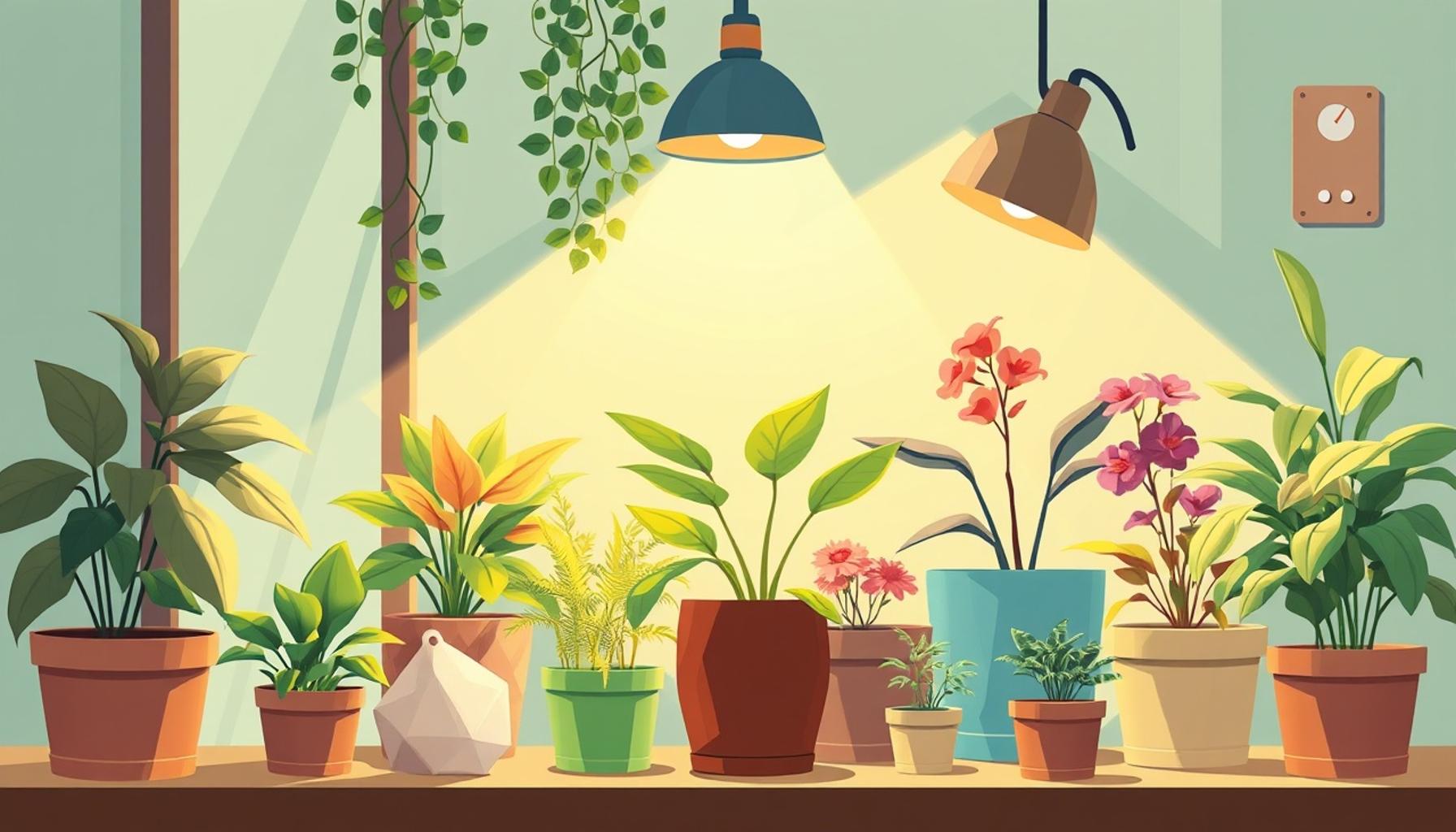
Different houseplants have varying needs when it comes to light. For instance, succulents and cacti thrive in bright, direct sunlight and will flourish on a sunny windowsill, while ferns and peace lilies prefer indirect light and can be relegated to shadier spots. It’s beneficial to assess the specific light requirements of each plant by researching or consulting with local gardening experts. Utilizing grow lights can also be a game-changer, especially in winter months when natural daylight is scarce. These artificial lights provide the necessary spectrum for photosynthesis, ensuring your plants receive adequate nourishment all year round.
Humidity: Emulating Tropical Environments
Many popular houseplants, such as Philodendrons and Orchids, originate from tropical regions and thrive in humid conditions. As a rule of thumb, a humidity level of around 40-60% is ideal for most houseplants. If your home is in a dry climate or your heating system decreases humidity, consider using a humidifier or placing a pebble tray filled with water under your plants. Misting your plants occasionally can also help, but make sure to do so in moderation to avoid fostering mold growth. Regularly checking the moisture level in the soil can guide you on when to add humidity to your plants’ environment.
Temperature: Keeping It Comfortable
Most houseplants flourish in a temperature range of 65°F to 75°F. However, it is essential to maintain a stable temperature. Sudden drafts from open windows or heating vents can create stress, causing drooping leaves or even shedding foliage. During extreme temperature fluctuations, consider relocating sensitive plants to more stable areas of your home. Additionally, be cautious about placing plants near appliances that may emit heat or cold, such as air conditioning units or radiators, as they can create microclimates that do not favor plant health.
Whether you are a seasoned green thumb or just starting your indoor gardening journey, the right conditions for your plants can elevate your home’s vibrancy. Balancing light, humidity, and temperature is key to fostering a thriving indoor garden. Exploring these elements and understanding your plants’ needs will ensure flourishing companions that truly brighten your living space. Investing a little time and effort in creating the right ambiance can lead to stunning, lush displays that not only beautify your home but also nurture your well-being and promote a tranquil environment.
DISCOVER MORE: Click here to learn about soil health
The Essential Elements of Lighting, Humidity, and Temperature
Creating a flourishing environment for houseplants requires understanding the three critical elements that affect their growth: lighting, humidity, and temperature. Each element plays a vital role in mimicking the plants’ native habitats, which ultimately leads to healthier and more vibrant plants. Let’s delve deeper into each of these components to understand how best to cater to your green companions.
Lighting: The Lifeblood of Plant Growth
Light is the primary energy source for plants, driving the process of photosynthesis, which is essential for their growth and survival. When it comes to houseplants, understanding the nuances of their lighting needs can make all the difference. Here’s a quick guide to help you navigate through the lighting requirements:
- Low Light Plants: Snake plants and pothos can thrive in low-light conditions, making them ideal for spaces with minimal natural light.
- Moderate Light Plants: Spider plants and ZZ plants flourish in indirect light, positioned away from direct sun but still bright enough to support growth.
- Bright Light Plants: Vegetables and herbs typically require bright, direct sunlight for several hours daily. Herbs like basil and mint will excel in sun-drenched windows.
Understanding light exposure is crucial; consider moving your plants around to identify their preferred spots. Observing how they react to different lighting conditions will provide insights that can lead to a healthier home garden. Additionally, investing in a quality grow light can help supplement natural light, especially during the long winters in many parts of the United States.
Humidity: Keeping it Moist
Humidity, often an overlooked factor in indoor gardening, is especially crucial for humidity-loving plants. These species thrive in environments that mimic their tropical origins. In the dry air of many American homes, particularly during winter, your plants may suffer. Here are some effective ways to manage humidity levels:
- Humidifiers: Invest in a humidifier to provide consistent moisture in the air, especially for sensitive plants.
- Pebble Trays: Fill a tray with small pebbles and water, placing your plant pots on top. This increases local humidity as the water evaporates.
- Group Plants: Placing plants together can create a microclimate and raise humidity in their immediate vicinity.
Regularly checking humidity levels with a hygrometer can guide you in maintaining optimal conditions. By ensuring a higher humidity level, you can significantly enhance the health and appearance of tropical plants like fiddles leaf figs and calatheas.
Temperature: A Stable Environment
Temperature fluctuations can severely affect houseplants, leading to stress, leaf drop, or stunted growth. Most houseplants prefer a range of 65°F to 75°F, and sudden temperature shifts can disrupt their natural rhythms. Here are some tips to create a stable temperature environment:
- Avoid Drafts: Keep your plants away from windows and doors that open frequently to avoid cold drafts.
- Stable Placement: Preferably place plants in areas where temperature fluctuations are minimal, such as away from heating vents or air conditioning units.
- Monitoring: Regularly check your home’s temperature and adjust placement as the seasons change.
Understanding and addressing the temperature needs of your plants will not only enhance their health but also allow you to enjoy their beauty for years to come. The combination of thoughtful lighting, proper humidity, and stable temperature creates a harmonious and nurturing environment for your houseplants to flourish in.
Practical Tips for Creating an Ideal Environment for Houseplants: Lighting, Humidity, and Temperature
Creating an optimal environment for houseplants requires a thoughtful approach to lighting, humidity, and temperature. Each of these elements plays a critical role in the health and vitality of your plants. Below, we discuss practical tips to ensure your houseplants thrive.
Lighting
Houseplants vary widely in their light requirements. Some thrive in bright, indirect sunlight, while others may prefer low-light conditions. Understanding these preferences is essential for optimal growth. Consider using grow lights for areas lacking natural light; these can provide the right spectrum of light for photosynthesis. Additionally, regularly rotating your plants can help them grow evenly, as they will receive light from all angles.
Humidity
Many houseplants, especially tropical species, flourish in higher humidity levels. Aim for a humidity range of 40-60% for most houseplants. Using a humidifier can be an effective solution in dry environments, or you can group plants together to create a microclimate. Another tip is to place a tray of water and pebbles beneath your plants; as the water evaporates, it will increase the humidity around them.
Temperature
Temperature significantly affects a plant’s growth cycle. Most houseplants prefer temperatures between 65°F and 75°F. Be mindful of temperature fluctuations caused by drafts or proximity to heating and cooling vents. Keeping your plants away from such extremes ensures they remain healthy and hardy throughout the year.
| Category | Description |
|---|---|
| Lighting | Choosing the right intensity and type of light for your plants. |
| Humidity | Creating an optimal moisture level for thriving growth. |
| Temperature | Maintaining a consistent and suitable temperature range. |
By focusing on these three key aspects, you can create a nurturing environment for your houseplants, helping them flourish and enhancing the beauty of your indoor space. Stay tuned for more tips and tricks to keep your green companions thriving!
DISCOVER MORE: Click here to learn about rainwater harvesting
Creating the Perfect Environment: Tips and Tricks
As we delve further into crafting the ideal environment for your houseplants, it’s essential to consider not just the fundamental elements of lighting, humidity, and temperature, but also additional factors that can supplement their wellbeing. These tips aim to provide a comprehensive guide to nurture your greens effectively.
Watering: The Balance of Moisture
Watering is a key component of maintaining optimal moisture levels in your houseplants’ environment. The wrong watering habits can lead to issues such as root rot or dehydration. Here’s how to master the art of watering:
- Check Moisture Levels: Use your fingers to gauge moisture in the soil. If the top inch feels dry, it’s time to water. For moisture-loving plants, consider lifting the pot; a heavier pot typically means adequate moisture.
- Water Quality: Use filtered or room-temperature water to ensure that your plants are not shocked by cold water straight from the tap. Additionally, rainwater is an exceptional option if accessible, as it is free from chlorine and other chemicals often present in tap water.
- Watering Technique: Water deeply but infrequently. Make sure that water flows through the drainage holes, ensuring moisture reaches the root zone while preventing potential rot.
By mastering the right watering habits, you can provide your houseplants with the essential moisture they need to thrive!
Soil Quality: The Foundation of Growth
The choice of soil is vital in providing proper drainage, aeration, and nutrient retention for your plants. Not all houseplants require the same type of soil, so understanding their specific needs will set them up for success:
- Potting Mixes: Use a potting mix that aligns with your plant’s requirements. For instance, cacti and succulents thrive in well-draining soil mixes, while tropical plants benefit from a more moisture-retentive mix.
- Organic Matter: Incorporate organic matter like compost or worm castings to enhance nutrient availability and improve soil texture. This practice not only supports plant growth but also benefits the environment.
- Repotting: Regularly check if your plant has outgrown its pot. Repotting once a year or when you observe roots growing out of the drainage holes will provide more natural growth space.
Cleaning and Care: Maintaining Your Green Companions
Lastly, cleanliness cannot be overstated when maintaining an ideal environment for houseplants. Dust accumulation on leaves can hinder photosynthesis and lead to pest infestations. Here are some practical cleaning tips:
- Leaf Care: Gently wipe the leaves with a damp cloth monthly to remove dust. This simple habit can enhance light absorption and keep your plants looking vibrant.
- Pest Control: Regularly inspect for any signs of pests. Using natural pest deterrents like neem oil can not only eliminate infestations but also promote healthy growth.
- Air Circulation: Ensure proper airflow around your plants to minimize fungal issues and pests. A small fan can help circulate air, especially in rooms with heavy humidity.
By focusing on watering, soil quality, and cleanliness, you can create a nurturing sanctuary for your houseplants to thrive. When combined with ideal lighting, humidity, and temperature, you unlock the potential for a lush indoor garden that enhances both your home and mood.
DISCOVER MORE: Click here to enhance your garden’s health
Conclusion: Nurturing Your Indoor Oasis
In conclusion, creating an ideal environment for your houseplants goes beyond merely providing lighting, humidity, and temperature. It involves a holistic approach that encompasses proper watering techniques, quality soil, and consistent cleaning and care routines. By paying attention to these essential aspects, you can cultivate a thriving indoor garden that not only beautifies your space but also enhances your overall well-being.
Remember, each plant possesses unique requirements that dictate its specific needs for light exposure, moisture levels, and temperature preferences. It’s crucial to conduct a bit of research and invest time in understanding your green companions. Keep in mind that seasonal changes may have a significant impact on your plants; adjusting their care accordingly can lead to remarkable improvements.
Additionally, consider the ambiance of your home. Going beyond basic care, explore creative ways to arrange your plants based on their sunshine needs or even use humidity trays to provide a boost to species that thrive in moisture-laden air. The interplay of these elements not only serves to support your plants but enriches your living environment.
In your pursuit of an ideal habitat for your houseplants, adopt a mindset of observation and adaptability. Your indoor plants are resilient companions that can mirror your attentiveness and care. As you experiment with various settings and techniques, you’ll become more attuned to their needs, fostering a deeper connection with the natural world. Let the joy of nurturing your houseplants transform your home into a vibrant sanctuary!