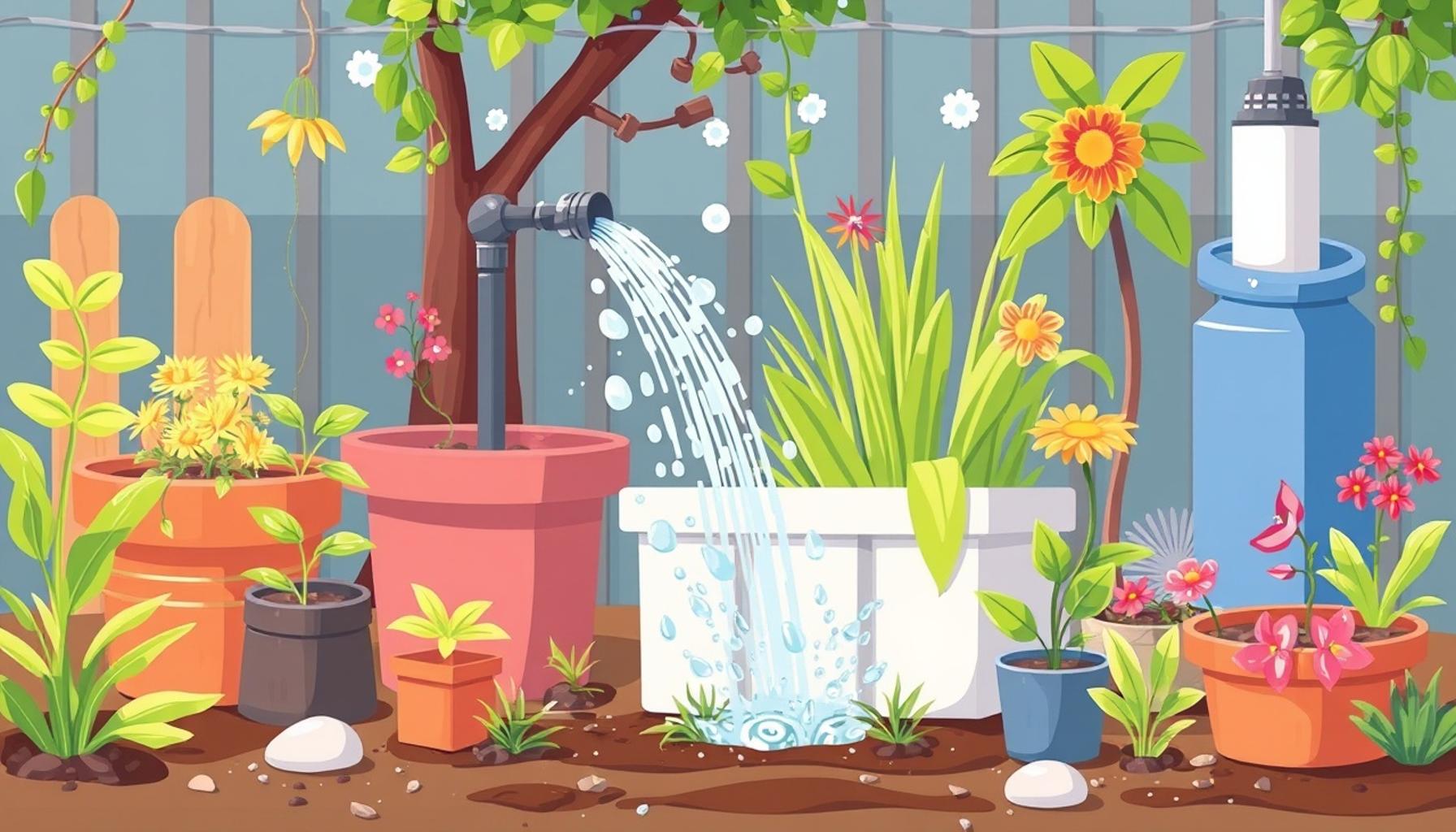
Homemade Irrigation Systems for Small Gardens
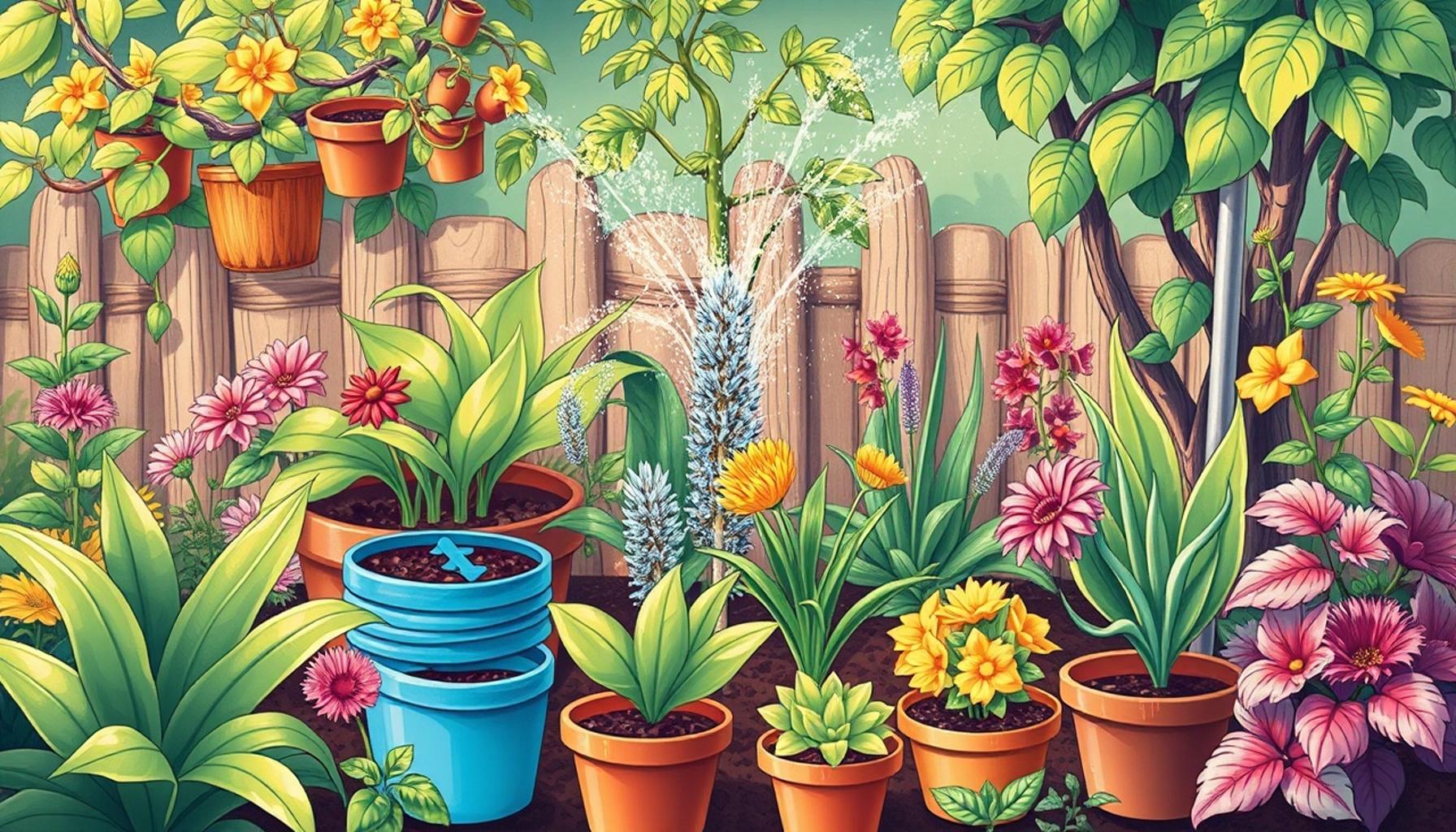
Benefits of a Customized Approach to Irrigation
For those with a passion for gardening, ensuring that your plants receive adequate water is critical. A well-designed irrigation system can make all the difference in maintaining a thriving small garden. The right irrigation setup helps alleviate issues such as overwatering or underwatering, both of which can damage plants over time.
Creating your own irrigation system not only saves you money but also allows for customization based on the unique needs of your plants. Consider the following benefits:
- Cost-effective: Using materials you already have can significantly reduce expenses. For instance, repurposing old hoses, containers, and PVC pipes can lead to substantial savings while enabling you to achieve a functional system.
- Efficiency: Tailor your system to deliver the right amount of water where it’s needed most. This is particularly important for small gardens where you want to focus on the roots of each plant without wasting water on foliage.
- Eco-friendly: Reduce water waste and promote sustainability in your gardening practices. By implementing solutions like rainwater harvesting, you contribute to conserving natural resources while also making your garden more resilient.
Several popular homemade irrigation methods can enhance your garden’s health. Here are a few to explore:
- Drip Irrigation: This method focuses on delivering water directly to the roots of your plants, minimizing evaporation and runoff. It’s particularly effective for rows of vegetables or flower beds because it ensures that each plant receives its required moisture.
- Soaker Hoses: Allowing water to seep out slowly along their length, soaker hoses can be laid out in strategic patterns in your garden. They work well in maintaining consistent soil moisture, which is essential during dry spells.
- Rain Barrels: Collecting rainwater is not just practical; it’s an eco-friendly solution to water your garden. With varying climates across the U.S., especially in areas prone to drought, rain barrels can save you from relying only on tap water, thus reducing your water bill.
In the United States, where weather conditions can vary greatly—from scorching summers in the Southwest to humid summers in the Southeast—implementing an irrigation system that suits specific climate challenges is essential. For instance, in regions with heavy rainfall, a drain management strategy can help prevent waterlogging, while arid climates may require more robust systems like drip irrigation for efficient water use.
By understanding the options available and customizing them to fit your needs, you empower your small garden to flourish. Dive deeper into the world of irrigation solutions, and your plants will not only survive; they will thrive in an ecosystem tailored for their success. Begin experimenting today, and watch your garden transform into a lush, productive environment.
DIVE DEEPER: Click here for essential tips
Exploring Various Homemade Irrigation Techniques
When it comes to nurturing your small garden, choosing the right homemade irrigation system can significantly impact plant health and productivity. Understanding different techniques allows you to select a method that aligns with your garden’s specific needs while maximizing water efficiency. Here, we delve into some popular approaches that can be easily implemented and customized.
Drip Irrigation is one of the most efficient and effective watering solutions available for small gardens. By providing a slow and steady supply of water directly to the base of plants, this system minimizes evaporation and ensures that moisture is delivered precisely where it’s needed. The beauty of drip irrigation lies in its scalability; you can adjust the layout according to your garden’s dimensions and the needs of various plants. Consider using biodegradable tubing or even repurposing old garden hoses to create a budget-friendly setup.
If you are looking for an out-of-the-box solution, soaker hoses might just be the answer. These hoses permeate water slowly along their length, making them perfect for placing around perennials or in rows of vegetables. Simply lay them out on the soil surface, cover them with mulch, and let them do the work. The consistent moisture they provide helps maintain soil fertility and can be particularly beneficial during dry spells, ensuring your plants remain hydrated.
Rain barrels present an exceptional way to capitalize on natural rainfall while promoting sustainability. By capturing and storing rainwater, these barrels reduce the reliance on municipal water supplies, which is especially important in regions facing drought. For residents in areas with seasonal heavy rains, rain barrels can be a true lifesaver, delivering fresh, chemical-free water to your garden. Just make sure to incorporate an overflow system to manage excess water effectively, which helps prevent waterlogging during intense storms.
Another simple yet effective technique is the container irrigation method. If you have limited space or want to try your hand at container gardening, incorporating self-watering containers can be an efficient way to manage moisture levels. These containers can help to maintain consistency while also reducing the frequency of watering sessions. This is particularly valuable for busy gardeners who may not have the time to check on their plants daily.
To summarize, here are a few homemade irrigation techniques to consider:
- Drip Irrigation: Delivers water directly to roots to minimize waste.
- Soaker Hoses: Provides slow permeation along its length for consistent moisture.
- Rain Barrels: Collects rainwater for sustainable gardening practices.
- Container Irrigation: Utilizes self-watering containers for convenience.
As you explore these options, keep in mind the unique characteristics of your garden. Factors such as plant types, soil composition, and local climate conditions will help to determine the best homemade irrigation system for your space. With a little creativity and resourcefulness, you can establish a watering routine that transforms your garden into a flourishing paradise, not only making it visually appealing but also enhancing its productivity.
| Advantage | Description |
|---|---|
| Water Efficiency | Homemade irrigation systems conserve water by delivering it directly to the roots, minimizing evaporation and runoff. |
| Cost-effectiveness | Utilizing DIY methods reduces expenses compared to professional systems while promoting sustainability in gardening. |
| Customization | Design your irrigation layout tailored to your garden’s specific needs, enhancing plant health and growth. |
| Easy Maintenance | Homemade systems often use common materials that are easy to repair and maintain, ensuring longevity. |
The advantages of homemade irrigation systems for small gardens are numerous and can greatly enhance the gardening experience. With each benefit, from water efficiency to cost-effectiveness, those looking to cultivate their green thumb can find innovative solutions that align with their resources and space. Exploring these DIY methods not only fosters a stronger relationship with your garden but also contributes to environmental sustainability. As you dive deeper into the various options, consider how a customized watering solution can lead to healthier plants and more vibrant blooms, all while being kind on your wallet. The journey to creating your own irrigation system can bring both satisfaction and exceptional yields.
LEARN MORE: Click here for essential irrigation tips
Innovative Solutions for Water Management
As technology advances, the world of gardening adapts to include innovative methods for watering small gardens. In addition to traditional homemade systems, there are clever alternatives that blend efficiency with creativity. Exploring these options can provide additional insights into managing water usage while keeping your plants thriving.
Wicking beds represent a fascinating choice for gardeners looking to maintain optimal moisture levels. These beds are designed with a reservoir that allows plants to draw up water through capillary action. Essentially, a wicking bed is a raised garden bed filled with soil on top of a water-retaining layer, such as gravel or sand. This construction not only conserves water but ensures that the plants receive a steady supply of hydration while reducing the risk of root rot that can occur with oversaturation. Enthusiasts often find this method particularly beneficial for growing vegetables, as it maximizes growth potential without constant monitoring.
For those seeking a more hands-on approach, consider creating a DIY irrigation controller using simple electronics. With the use of a moisture sensor connected to a microcontroller, such as an Arduino or Raspberry Pi, you can automate watering schedules based on real-time soil moisture levels. This setup allows for precise control, minimizing water waste and ensuring plants receive exactly what they need. Not only does this method save time, but it also adds a modern twist to gardening that can be particularly appealing to tech-savvy gardeners.
Another noteworthy option is the implementation of a drip irrigation system using recycled materials. Many gardeners have found creative ways to repurpose plastic bottles or even clamshell containers from grocery purchases. By puncturing tiny holes in these containers and burying them near the plant roots, you create a simple homemade drip irrigation system that utilizes gravity to provide a slow, steady flow of water. This method works exceptionally well for small gardens where a larger system might seem excessive.
Don’t overlook the potential of a sub-irrigation system, an effective solution that involves placing plants in water-filled reservoirs. This technique requires an elevated planting surface with a watertight bottom where water can be contained. As plants absorb moisture from the bottom, they benefit from both drainage and aeration. Sub-irrigation is particularly useful for container gardening or herb gardens, as it keeps foliage dry and can deter common pests that thrive in overly wet conditions.
To recap, here are some more innovative irrigation systems to consider:
- Wicking Beds: A self-sustaining bed that allows plants to absorb moisture naturally.
- DIY Irrigation Controllers: Automated systems that adjust watering based on moisture levels.
- Recycled Drip Irrigation: Upcycled plastic bottles provide efficient watering solutions.
- Sub-Irrigation Systems: Elevating plants above reservoir water for optimal moisture absorption.
By examining these innovative methods, you not only enhance your understanding of homemade irrigation systems but also discover various ways to adapt them to your garden’s unique environment. Each of these solutions offers both a functional benefit and a chance for creative expression, making gardening a more enjoyable endeavor.
LEARN MORE: Click here to discover the best watering methods
Conclusion: Embracing Creativity in Water Management
In conclusion, homemade irrigation systems for small gardens provide not only functional watering solutions but also an outlet for creativity and innovation. From wicking beds that utilize capillary action to deliver moisture to the roots, to the tech-savvy approach of DIY irrigation controllers using moisture sensors, the possibilities are vast and adaptable. Moreover, employing recycled materials for simple drip systems exemplifies how sustainable practices can be integrated into gardening while reducing costs and waste.
As gardeners seek to manage water more effectively, exploring these methods can lead to enhanced plant health and garden productivity. Implementing sub-irrigation or experimenting with gravity-fed techniques allows for efficient watering that caters to the unique needs of various plants. Each system offers distinct advantages, whether through improved moisture retention or reduced water consumption, aligning with the increasing emphasis on eco-friendly gardening.
The benefits of crafting your own irrigation system extend beyond mere convenience; they foster a deeper connection with your garden and a greater understanding of your plants’ needs. By harnessing ingenuity and employing these innovative solutions, you not only create a thriving garden but also contribute to a larger movement toward sustainable gardening practices. So, whether you’re a seasoned gardener or a curious beginner, take the leap and explore the world of homemade irrigation systems—your small garden today can become a flourishing ecosystem tomorrow.