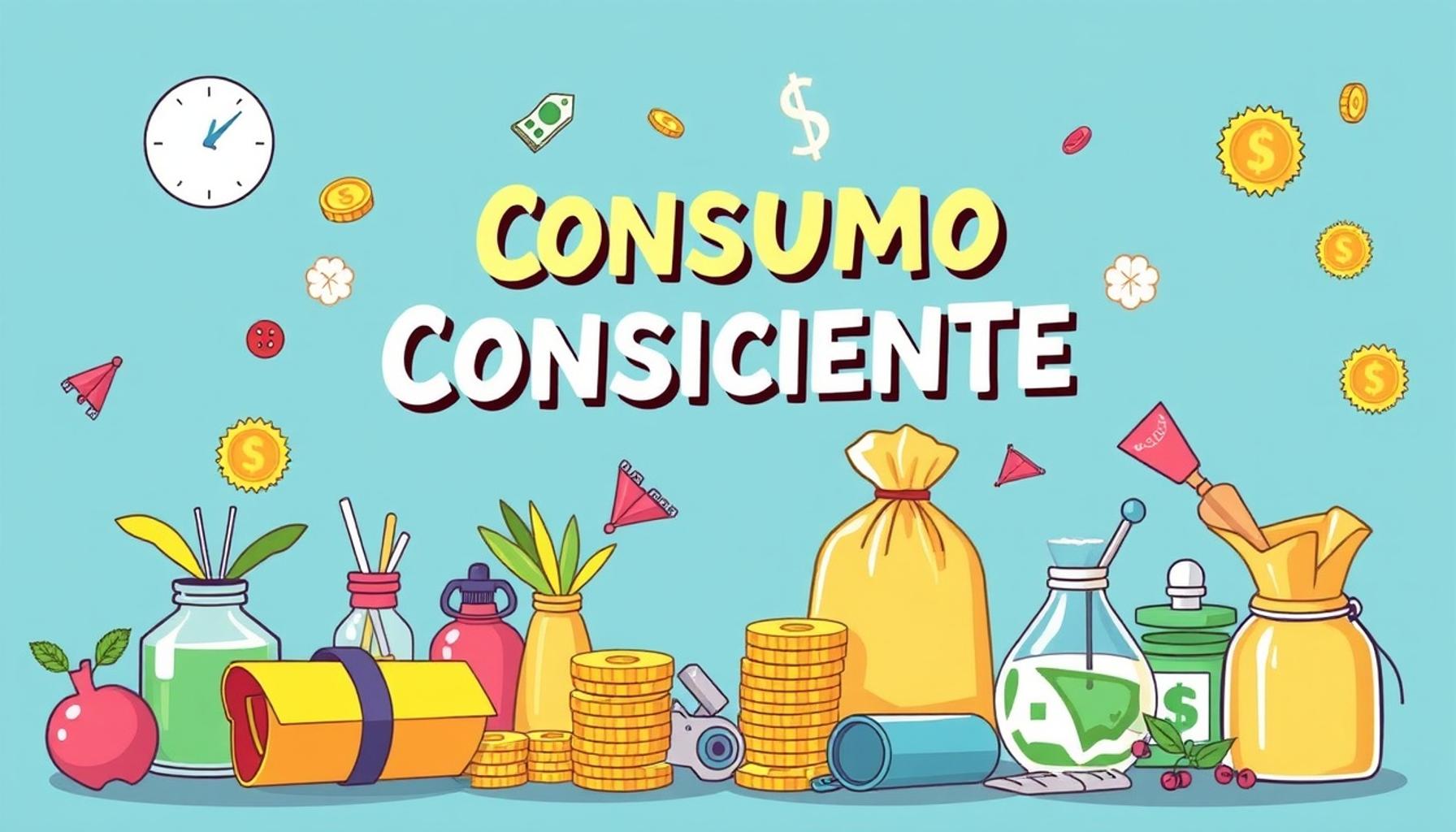
Less is More: The Impact of Intentional Consumption on Personal Organization

Understanding the Impact of Intentional Consumption
Minimalism and intentional consumption are interconnected concepts that have captivated many searching for a deeper sense of peace and purpose in their lives. This philosophy urges individuals to scrutinize their purchasing habits and empower them to align their material possessions with their core values. By embracing intentional consumption, one can foster a structured and fulfilling lifestyle.
Here are some significant benefits that highlight why adopting a minimalist approach can be transformative:
- Reduced clutter: A decluttered environment is not merely about aesthetics; it significantly enhances focus and productivity. Studies have shown that an organized space can improve cognitive function and increase your ability to concentrate. For instance, a desk devoid of unnecessary items facilitates clearer thinking, allowing creativity to flow unhindered.
- Improved mental clarity: Fewer possessions can translate into reduced decision fatigue. When individuals are surrounded by an excess of choices, it can lead to mental overload. Intentional consumption allows you to streamline your decisions, making it easier to focus on what truly matters and leading to better life choices. Consider how much easier it is to select an outfit from a curated wardrobe compared to one overflowing with clothes you rarely wear.
- Financial freedom: Mindful spending is a cornerstone of intentional consumption. By adopting this mindset, individuals often find themselves cutting back on unnecessary expenditures, freeing up financial resources to invest in experiences or necessities that bring genuine joy. For example, rather than purchasing the latest gadget, one might choose to save that money for a memorable trip with loved ones.
In the consumer-driven landscape of the United States, where advertisements often bombard individuals with messages promoting excess, the shift towards mindful consumption has gained momentum. This movement encourages consumers to take a step back from mindless shopping and reassess what they genuinely need, fostering a greater connection with their possessions. Initiatives like “Buy Nothing Day” and communities focused on sharing resources exemplify this cultural shift towards sustainability and conscious living.
Exploring the principles encapsulated in the maxim less is more can be a transformative journey. By consciously selecting what enters your life and choosing to discard what no longer serves a purpose, you create a foundation for organizational success. Additionally, engaging with the concept of intentionality can lead to a lifestyle filled with satisfaction and contentment. Whether it’s tidying up your living space or reassessing your shopping habits, the journey toward simplicity is not a sacrifice but a liberating and enriching endeavor.
DIVE DEEPER: Click here to discover daily rituals for a clutter-free life
The Path to Clarity Through Minimalism
The shift towards intentional consumption is not merely a trend; it is a profound realignment of priorities that cultivates a more organized and fulfilling life. By embracing the principle of less is more, consumers can create a streamlined existence that enhances productivity and reduces stress. The simplicity of intentionality in consumption, where every purchase is made with thought and purpose, can lead to significant benefits that resonate beyond the shopping cart.
One of the first steps in achieving personal organization through minimalism is the concept of curation. Individuals can curate their environment by thoughtfully selecting items that hold value or facilitate their daily routines. This process encourages them to assess their possessions critically, leading to informed choices about what to keep and what might be better served in another’s hands. By doing so, they promote a space filled with only the essential, minimizing the distractions that often come with excess.
Consider the psychological benefits of this intentionality. Research has demonstrated that a clutter-free environment doesn’t just improve physical space; it enhances mental well-being. The act of decluttering can trigger a sense of accomplishment, which contributes positively to one’s mood and promotes a more focused mindset. In contrast, a space filled with unnecessary items often leads to feelings of overwhelm and chaos. This correlation underscores why adopting an intentional consumption approach allows individuals to tackle both personal organization and mental clarity concurrently.
- Fostering Sustainability: Adopting a minimalist lifestyle often aligns with sustainability. By consuming less, individuals can contribute to a reduction in waste and a more sustainable world. This connection can provide a sense of purpose that further motivates mindful consumption.
- Encouraging Quality Over Quantity: Emphasizing quality over quantity in purchasing decisions means investing in items that last longer and bring more satisfaction. For instance, choosing a well-crafted piece of furniture can provide enduring joy and utility rather than repeatedly purchasing cheaper alternatives that wear out quickly.
- Promoting Financial Responsibility: With a focus on intentional consumption, people can practice better financial habits. By decreasing frivolous spending, they can allocate funds to essential needs, saving for significant experiences or investments that align with their values.
In the face of a frenetic consumer culture prevalent in the United States, the conscious decision to embrace minimalism as a lifestyle can feel revolutionary. This shift towards simply enjoying the things that truly matter not only declutters physical spaces but enriches lives with purpose. As individuals begin to recognize the importance of intentional consumption, they will find that their paths to personal organization become much clearer and more attainable, ultimately leading to increased satisfaction and a profound sense of achievement.
| Advantages of Minimalism | Impact on Personal Organization |
|---|---|
| Clarity and Focus | Reducing clutter allows for enhanced concentration on priorities. |
| Time Efficiency | Less stuff means less time spent on maintenance and organization. |
| Stress Reduction | A simpler environment fosters a more peaceful state of mind. |
| Intentional Living | Encourages thoughtful consumption, leading to more meaningful choices. |
This approach not only serves as a strategy for effective personal organization but also enhances overall well-being. The principle of “Less is More” significantly contributes to maintaining a clear focus on what truly matters, facilitating better time management, and creating a more tranquil living space. As individuals adopt intentional consumption, they become empowered to make choices that enrich their lives rather than burden them. This practice benefits mental clarity and prioritizes what adds value to daily routines, ultimately leading to a life that resonates with purpose. By fostering these attributes, individuals can experience profound transformations in their personal and organizational realms—an aspect truly worth exploring further.
DISCOVER MORE: Click here to learn how less can lead to more</
Transforming Habits for Sustainable Organization
The journey towards intentional consumption is as much about reforming habits as it is about decluttering physical space. Individuals often find themselves trapped in cycles of impulsive purchases fueled by advertisements, social media, and retail promotions. However, shifting this paradigm begins with a series of conscious choices that reshape both buying habits and the overall approach to personal organization.
One effective way to cultivate intentional consumption is through the implementation of 30-day challenges. These can involve refraining from purchasing non-essential items for a month, encouraging participants to evaluate their true needs versus wants. A nationwide survey revealed that those who committed to such challenges often discovered that their existing possessions satisfied much of their initial impulse. This type of exercise can open individuals’ eyes to the unnecessary clutter generated by hasty purchases, allowing for a more organized home environment post-challenge.
Moreover, the concept of mindful shopping adds another layer to the intentional consumption framework. Before making a purchase, individuals can ask themselves a series of reflective questions: “Do I really need this?” and “Will it add long-term value to my life?” Such inquiries promote a deeper connection with personal belongings and discourage impulse buys. By adopting these habits, consumers not only reduce clutter in their homes but also cultivate a more thoughtful approach to the consumption process.
- Integrating Technology: A plethora of apps and digital tools are designed to promote decluttering and intentional purchasing. Applications like Clutter-Free help users assess their belongings, track usage, and remind them of the emotional impact associated with each item. Technology, when used wisely, can assist in reinforcing a minimalist lifestyle by integrating strategies for personal organization.
- Examining Emotional Spending: Understanding the psychological triggers behind personal consumption is essential. Individuals may frequently purchase items in response to stress or emotional highs. By recognizing these patterns, one can take proactive steps to manage emotions without resorting to shopping, thus creating an organized lifestyle that is not reliant on material possessions.
- Building a Support Network: Engaging with like-minded individuals or communities increases motivation and accountability. Participating in social gatherings that promote minimalism, such as swap parties or decluttering workshops, can foster a supportive atmosphere where people share insights on intentional consumption. This communal effort can bolster personal organization efforts as well.
Intentional consumption does not merely reflect what one buys; it’s indicative of a greater mindset shift. This greater view positions consumers to redefine value in their lives beyond material items. The shift towards meaningful experiences—a concert with friends, a camping trip, or yoga retreats—can often yield greater satisfaction than acquiring new possessions. In fact, research indicates that experiences can lead to longer-lasting happiness compared to material purchases.
As citizens of a consumer-driven society, the call for intentional consumption resonates strongly. By assessing spending habits, engaging with supportive communities, and employing modern tools, individuals can achieve greater harmony in their homes and lives. Engaging in this transformative process means embracing not just what is necessary, but what contributes to a more organized, fulfilling life, all while adhering to the principle that indeed, less is more.
DISCOVER MORE: Click here to learn how intentional consumption can enhance your well-being
Concluding Insights on Intentional Consumption
In a world where consumerism often dictates our lives, the concept of intentional consumption serves as a beacon of hope for personal organization and well-being. By embracing the principle that less is more, individuals can reclaim their spaces and enhance their quality of life. Through practices such as 30-day challenges and mindful shopping, consumers can develop a heightened awareness of their purchasing habits, ultimately leading to a more organized and fulfilling existence.
The transformative journey towards intentional consumption transcends mere decluttering; it fosters a profound shift in mindset, prompting us to prioritize experiences over possessions. Research supports the notion that experiences typically yield greater happiness than physical items, encouraging us to build memories rather than clutter. Moreover, leveraging technology and building supportive communities can amplify this effect, creating a network of individuals committed to simplifying their lives.
As you explore the nuances of intentional consumption, consider the long-term benefits it brings—not just to your home but also to your emotional and mental well-being. The journey may begin with small, conscious choices, but the rewards are substantial. Adopting this lifestyle can lead to greater peace, enhanced clarity, and a deeper appreciation for what truly matters. In essence, fostering a mindset of intentional consumption is not just about consuming less; it’s about enriching our lives significantly, one thoughtful choice at a time.
Related posts:
The role of intentional consumption in creating minimalist and functional living spaces
The role of intentional consumption in stress reduction and well-being promotion
The impact of intentional consumption on mental health and self-image
Transforming Spaces: The Relationship between Intentional Consumption and the Creation of Minimalist...
The connection between intentional consumption and sustainability: building a more conscious future
The impact of intentional consumption on fashion choices and personal style within minimalism

Linda Carter is a writer and organization expert specializing in minimalism and personal organization. With extensive experience helping individuals create clutter-free, functional spaces and adopt mindful habits, Linda shares her knowledge on our platform. Her goal is to empower readers with practical advice and strategies to simplify their lives, stay organized, and achieve a sense of calm and balance in their daily routines.