Creating Simplified Spaces: Practical Tips for Minimalism at Home
Understanding Minimalism
In an age where clutter often reigns supreme, the quest for minimalism has gained remarkable traction. The concept of creating simplified spaces has evolved into a lifestyle choice for many. But how can you easily transition your home into a sanctuary of calm and clarity?
To delve deeper into minimalism, it is essential to acknowledge that this philosophy transcends mere aesthetics; it involves a profound shift in mindset. Minimalism invites individuals to critically assess their possessions, prioritizing utility and meaning over accumulation. This approach not only transforms physical spaces but also encourages mental clarity.
Focus on Functionality
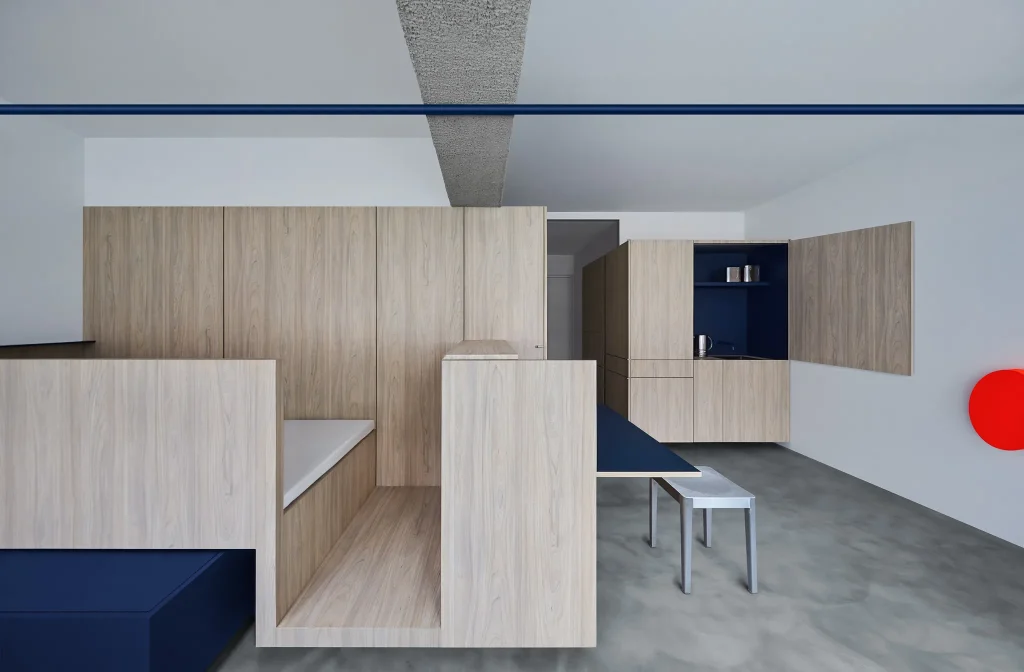
Every item in a minimalist home should serve a distinct purpose. For instance, consider choosing a multifunctional coffee table that can double as a storage space. A stylish bed frame with built-in drawers eliminates the need for additional furniture. These practical choices maximize space and reduce the clutter that often crowds our homes.
Declutter Regularly
Another essential aspect is the commitment to decluttering regularly. It can be beneficial to adopt a routine, such as sorting through your belongings at the change of each season. Establishing a “one-in, one-out” policy can also help maintain this balance; for example, if you acquire a new jacket, consider donating or discarding an old one. This ensures that your space remains manageable and prevents accumulation.
Embrace Neutral Palettes
When it comes to colors, embracing neutral palettes can significantly impact your environment. Soft shades of white, beige, or gray create a serene atmosphere that promotes relaxation. Consider incorporating these hues through wall paint or upholstery. Natural materials, like wood or stone, can enhance this tranquility, bridging the gap between indoor spaces and the calming presence of nature.
Invest in Quality
In the realm of minimalism, investing in quality over quantity is paramount. Instead of cluttering your home with inexpensive, ephemeral items, opt for fewer, higher-quality pieces that are built to last. For instance, a well-crafted leather sofa can withstand years of use compared to a cheaper alternative that might need to be replaced every few years. This shift not only contributes to a reducing clutter but also encourages a more sustainable approach to living.
Moreover, research indicates that a clutter-free space can significantly reduce stress levels and improve focus. When surrounded by fewer distractions, individuals often report enhanced productivity—a crucial benefit in today’s fast-paced world. Studies suggest that environments echoing minimalist principles can lead to better decision-making and increased creativity.
Whether you’re aiming for a sweeping transformation or gradual adjustments, understanding the essence of minimalism can profoundly alter your way of life. Join us as we explore innovative ideas to simplify your dwelling and ultimately enhance your lifestyle. Minimalism is not merely a trend; it is a pathway to a more fulfilling and purposeful existence.
DISCOVER MORE: Click here for essential organization tips
Practical Steps to Achieve Minimalism
Embarking on a journey toward minimalism doesn’t have to be overwhelming; in fact, it can be an exhilarating process of discovery and rejuvenation. By introducing practical steps into your daily life, you can create an environment that aligns with the essence of simplicity and purpose. Here are some actionable strategies to help you cultivate simplified spaces in your home.
Assess Your Belongings
The first step in creating a minimalist space is conducting a thorough inventory of your possessions. This involves taking stock of everything you own, focusing on the utility and emotional significance of each item. To make this exercise more manageable, consider categorizing your possessions into specific groups, such as:
- Clothing
- Kitchenware
- Furniture
- Sentimental items
- Miscellaneous household items
Once categorized, evaluate each item critically. Ask yourself questions such as, “When was the last time I used this?” or “Does this item bring me joy or serve a purpose?” This intentional questioning process can aid in making decisions about what to keep, donate, or discard.
Create Designated Spaces
As you declutter, consider establishing designated spaces for all your belongings. This involves creating specific places for items to live, which not only enhances organization but also simplifies your daily routines. For example, designating a specific drawer for kitchen utensils prevents confusion and makes it easier to find what you need. Similarly, creating a “charging station” for electronic devices can reduce surface clutter around your home.
Implementing these designated spaces will also encourage everyone in your household to maintain organization, fostering communal responsibility for minimalism.
Implement the 30-Day Minimalism Game
A popular challenge is the 30-Day Minimalism Game, a fun and engaging way to declutter systematically. The rules are simple: on day one, you eliminate one item; on day two, you get rid of two items; and so forth, until you reach 30 items on day 30. This approach not only helps to reduce physical clutter but also instills a clearer mindset regarding material possession.
As you embark on this challenge, consider involving family or friends. This not only adds a social element but may also inspire others to join you on the journey toward minimalism.
Limit Decorations
Decorations play a vital role in personalizing spaces, yet they can quickly contribute to a sense of disarray if not thoughtfully curated. Adopt the principle of less is more by selecting a few significant pieces that resonate with you. This could be a piece of art, a favorite plant, or a meaningful photograph. By limiting decorative items, you allow each piece to shine and make a significant impact on your overall environment.
Moreover, consider rotating your decorations seasonally, which not only maintains interest but also keeps clutter at bay. This technique embodies the spirit of minimalism while allowing your spaces to feel refreshed throughout the year.
Transitioning into minimalism is a personal journey that provides the opportunity to create a living space that reflects your values and aspirations. By applying these practical tips for organizing and decluttering, you can gradually transform your home into a haven of simplicity and serenity.
Creating Simplified Spaces: Practical Tips for Minimalism at Home
Minimalism is not merely a design choice but a lifestyle that embraces simplicity and intentionality. By successfully reducing clutter, you allow your spaces to breathe, promoting relaxation and focus. Here are some practical tips to implement minimalism effectively at home:
| Category | Description |
|---|---|
| Decluttering | Removing unnecessary items helps create a calming atmosphere. |
| Functional Design | Utilizing multifunctional furniture maximizes space utilization. |
| Natural Light | Emphasizing light enhances mood while minimizing clutter. |
| Neutral Color Palette | Using soft colors creates a peaceful environment. |
Implementing these minimalist principles can transform your home into a sanctuary of tranquility. By focusing on what truly enhances your living experience, you can cultivate not just a well-organized space, but a clearer mind and more fulfilling life.
To dive deeper into the world of minimalism, consider how specific techniques like smart storage solutions and thoughtful purchases can further streamline your home and enhance your overall well-being.
DISCOVER MORE: Click here to learn about the role of technology in home organization
Embracing the Minimalist Mindset
As you adopt practical strategies to declutter and simplify your environment, it’s equally important to embrace a minimalist mindset. This involves understanding that minimalism is not just about owning fewer things, but also about shifting your perspective on value, consumption, and time. Here are some insights to help you develop this crucial attitude towards minimalism.
Redefine Your Relationship with Material Possessions
To cultivate a minimalist lifestyle, start by reevaluating your relationship with material possessions. Society often equates ownership with success and fulfillment, but minimalism encourages a departure from this belief. Focus on experiences rather than things, like taking trips, enjoying hobbies, or nurturing relationships. Ask yourself if the items you own truly enhance your life or merely serve as status symbols. For example, consider whether the newest smartphone or sleek furniture correlates with who you want to be or what you truly value. This shift in thinking can help you embrace your newfound minimalist journey.
Practice Mindful Consumption
The quest for minimalism should also reflect in your shopping habits. Before making a purchase, ask yourself whether the item is a necessity or aligns with your values. There’s a growing movement advocating for mindful consumption, which emphasizes making intentional spending choices. For instance, before buying additional clothing, assess your current wardrobe to see how many outfits you can create without adding more items.
Consider adapting the “one in, one out” rule: for every new item you bring into your home, let go of another. This practice not only helps maintain your minimalist goals but also encourages a more intentional approach to what you allow into your life.
Design with Functionality in Mind
When it comes to the layout of your space, prioritizing functionality is key. Opt for multi-use furniture that serves more than one purpose, such as a coffee table that doubles as a storage unit or a bed with built-in drawers. This type of design reduces the number of items in your home while maximizing utility, ultimately contributing to a less cluttered environment.
Additionally, consider open spaces that promote flow and accessibility. The arrangement of furniture can significantly impact your daily routines—allowing you to navigate your home easily without obstacles fosters a sense of tranquility. Visualize your areas as blank canvases where you can easily access and enjoy each space, promoting an overall ambiance of simplicity.
Limit Digital Clutter
In today’s digitally connected world, minimalism extends beyond physical possessions. Digital decluttering is essential for mental clarity, as the chaos of overflowing emails, unorganized files, and endless notifications can detract from your focus and well-being. Start by unsubscribing from newsletters you no longer read, deleting apps that serve no purpose, and organizing your files into clean folders on your devices.
Consider setting limits on screen time and social media usage, which can help draw boundaries around digital distractions. This reduction not only optimizes your digital environment but also allows you to dedicate more time and energy to meaningful interactions and experiences in your physical world, truly embracing the essence of minimalism.
With these principles, you can refine your approach to minimalism, creating spaces that reflect your values while fostering a profound sense of peace and simplicity. Inviting less chaos into your life extends beyond decluttering—it’s about nurturing a lifestyle where each decision aligns seamlessly with your ideals.
DISCOVER MORE: Click here to learn how intentional consumption can transform your view on success and happiness</
Conclusion: The Path to a Balanced Life
Creating simplified spaces within your home is not just an aesthetic choice; it’s a lifestyle transformation that can lead to profound benefits in your day-to-day life. By adopting the principles of minimalism, you journey beyond merely decluttering to enhance your emotional well-being and mental clarity. The practices of mindful consumption, re-evaluating your relationship with possessions, and opting for functional designs underscore a powerful message: less truly can be more.
As you embrace a minimalist mindset, consider the importance of prioritizing experiences and relationships over material possessions. By shifting your focus, you’ll begin to discover the immense value in simplicity, which can translate into a more fulfilling and balanced life. In the digital age, limiting digital clutter is equally crucial; a streamlined digital environment can significantly enhance your productivity and peace of mind.
Ultimately, the journey towards a minimalist lifestyle is about finding harmony in your space and nurturing a deeper connection to what truly matters. It’s about creating a sanctuary that fuels creativity, promotes well-being, and reflects your authentic self. So, take the first step today—start small, embrace change, and witness how simplified spaces can lead to a more enriching life experience. As you make intentional choices, you will not only create a serene home but also establish an enduring sense of purpose and satisfaction in every aspect of your life.
Related posts:
Simplified Spaces for Families: Balancing Minimalism with Practicality and Functionality
The Impact of Simplified Spaces on Mental Clarity and Focus
Incorporating Nature into Simplified Spaces: Biophilic Design for a Minimalist Home
How Simplified Spaces Can Foster Creativity and Innovation
The Influence of Color Psychology in Designing Simplified Spaces
The Connection Between Simplified Spaces and Mindfulness Practices

Linda Carter is a writer and organization expert specializing in minimalism and personal organization. With extensive experience helping individuals create clutter-free, functional spaces and adopt mindful habits, Linda shares her knowledge on our platform. Her goal is to empower readers with practical advice and strategies to simplify their lives, stay organized, and achieve a sense of calm and balance in their daily routines.