

Understanding the Shift in Recommendation Systems
The rapid advancement of machine learning technologies over the last decade has significantly reshaped the landscape of how products and services are presented to consumers. These changes have been turbocharged by the advent of sophisticated algorithms that learn from user interactions, leading to an increasingly personalized online experience. The implications of this shift are substantial, impacting consumer behavior and decision-making in profound ways.
- Personalization: Machine learning enables platforms to customize recommendations based on an individual’s unique preferences and past behaviors. For instance, an online shopper might receive suggestions for items based on previous purchases and items viewed. This tailored approach not only enhances user satisfaction but often leads to an increase in purchase frequency and customer loyalty.
- Data Utilization: With the ability to analyze large and complex datasets, recommendation systems can predict what users might want almost intuitively. This goes beyond simple browsing history; it encompasses demographic data, time spent on particular categories, and trends in communal data, all of which feed into a more refined understanding of preferences. According to a report by McKinsey, personalized recommendations can lead to a 10-30% increase in sales for retailers.
- Influence on Choices: The power of recommendations often guides consumer behavior in ways that might go unnoticed. For instance, a user may find themselves gravitating toward a product they never considered before simply because it was highlighted in their feed. This subtle shaping of consumer opinions can lead to impulse purchases, driven by a perception of necessity that is created through curated content.
Several leading platforms exemplify this transformative trend in recommendation systems:
- Amazon: Known for its advanced recommendation engine, Amazon uses algorithms that analyze browsing history, purchase history, and even items left in the shopping cart to suggest products, effectively creating a personalized shopping assistant for each user.
- Netflix: By meticulously analyzing viewer habits, Netflix tailors recommendations of shows and movies, often contributing to binge-watching behaviors. The success of this approach is evident, with reports suggesting that over 80% of the content watched on Netflix comes from recommendations.
- Spotify: The music streaming service utilizes listening history and user-generated playlists to create curated playlists like “Discover Weekly” and “Release Radar.” This not only helps users discover new artists but also fosters a deeper connection to the platform.
As these systems grow increasingly sophisticated, they invite a critical examination of their influence on consumer autonomy. Are users merely enjoying the benefits of a customized experience, or are they becoming passive recipients of algorithmic suggestions? This evolving landscape necessitates a greater understanding of machine learning in recommendation systems, urging consumers to remain vigilant and engaged with the technologies shaping their choices.
DISCOVER MORE: Click here to dive deeper
Unpacking the Mechanics of Recommendation Systems
The effectiveness of recommendation systems lies within intricate machine learning algorithms that analyze vast quantities of data to discern patterns and preferences. By identifying correlations among user behaviors, these systems can predict and suggest products, services, or content that align closely with individual interests. Understanding these mechanics is crucial to appreciating their impact on consumer behavior.
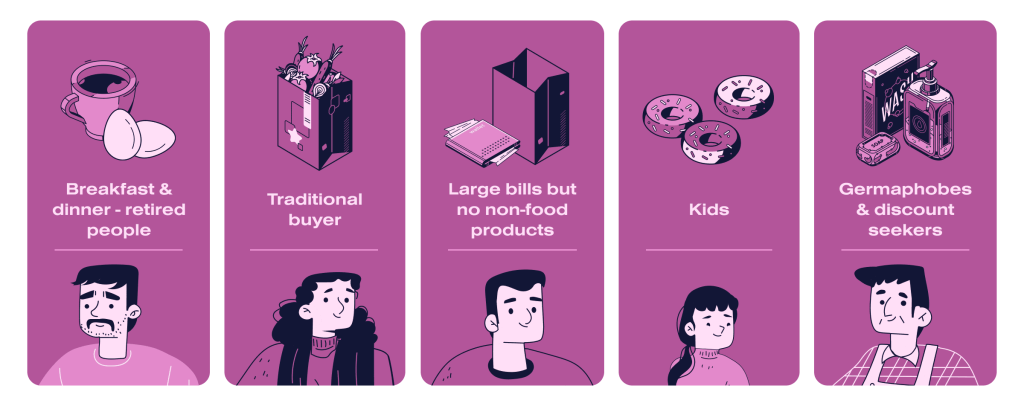
At the core of many recommendation systems is a combination of collaborative filtering and content-based filtering. Collaborative filtering relies on user interaction data, assessing what similar consumers like to determine what a new user might enjoy. This technique thrives on the principle of collective wisdom: if User A and User B have similar tastes, what resonates with one is likely to charm the other. An exemplary case can be observed with platforms like Amazon, which harnesses vast interaction databases to suggest items users with comparable profiles have purchased.
Content-based filtering, on the other hand, shifts focus to the features or attributes of items themselves. For example, if a user has previously shown interest in action movies, the system identifies other action films distinguished by similar topics, actors, or directors. Netflix employs this approach, enabling the platform to analyze attributes of shows and movies, continuously enhancing suggestions based on user viewing patterns.
- Hybrid Methods: Many platforms have started integrating both collaborative and content-based filtering into their recommendation engines to leverage the strengths of each approach. This hybrid method allows for a more versatile and accurate understanding of user preferences, adapting seamlessly to diverse consumer behaviors.
- User Engagement: Techniques such as A/B testing empower companies to refine their recommendation strategies continually. By analyzing user engagement with various recommendation formats, these systems can adapt, ensuring enhanced interactivity and maintaining consumer interest.
- Feedback Loop: As users continue to interact with suggested content, their behavior creates a feedback loop—each interaction further fine-tunes the recommendations. This cyclical process not only enhances personalization but can also lead to unexpected shifts in consumer tastes over time.
Furthermore, the emergence of deep learning techniques has dramatically transformed the capabilities of recommendation systems. Deep learning algorithms can dissect nuanced patterns in data, moving beyond traditional approaches. For instance, Spotify’s algorithms analyze vast musical datasets and user interactions, not just to recommend songs but to create entirely personalized playlists that evolve with users’ changing preferences.
With the ability to process real-time data, these systems serve timely suggestions that meet consumers when they are most receptive. Such immediacy does not merely cater to convenience; it can dictate purchasing timelines and urgency, influencing how quickly consumers make decisions. As a direct result, businesses that harness these advanced models often experience heightened sales and customer retention.
The continual advancement of machine learning in recommendation systems signifies a pivotal evolution in how consumers engage with brands. However, the quest for increasingly personalized experiences also prompts crucial discussions about transparency, algorithmic bias, and the implications of automated decision-making in daily lives. Understanding these dynamics prompts consumers to become informed participants in their digital engagements.
The Evolution of Machine Learning in Recommendation Systems: Impacts on Consumer Behavior
The landscape of consumer behavior has been significantly transformed by the emergence of advanced machine learning algorithms in recommendation systems. By leveraging complex data analytics and user interactions, these systems personalize content in real-time, influencing purchasing decisions and shaping overall market trends.
| Category | Characteristics |
|---|---|
| User Personalization | Creates tailored recommendations based on unique user preferences and behaviors. |
| Enhanced Engagement | Drives higher user interaction rates by presenting relevant products, leading to increased sales and customer loyalty. |
As companies harness the power of big data, they can extract valuable insights into consumer behavior patterns, identifying trends and preferences. This evolution allows marketers to adopt a more strategic approach, ultimately transforming the way businesses connect with customers.
Moreover, the integration of natural language processing (NLP) into recommendation systems enables a richer understanding of customer feedback. As platforms analyze sentiment, they can adapt offerings dynamically, ensuring that recommendations align not only with past purchases but also with current market moods.
The rapid development of such technologies raises important questions about consumer privacy and data security. As businesses delve deeper into consumer insights, it becomes critical to maintain transparency and trust with users, balancing personalization and ethical considerations. The future of recommendation systems, therefore, relies on the ability to enhance user experience while safeguarding their data.
This intertwining of technology and consumer behavior distinctly portrays an ongoing evolution. The insights drawn from this intersection illuminate the potential for future advancements in consumer engagement strategies driven by machine learning.
DIVE DEEPER: Click here to uncover the ethics behind machine learning
Impact on Consumer Trust and Brand Loyalty
The intricate workings of recommendation systems extend beyond mere product suggestions; they significantly shape consumer trust and brand loyalty. As algorithms become more adept at predicting individual preferences, they foster a sense of personal connection between consumers and brands. This is particularly evident in streaming services and e-commerce sites, where users increasingly rely on curated recommendations to navigate the abundance of choices available.
According to a recent study by McKinsey & Company, companies that effectively utilize recommendation algorithms can boost their sales by up to 30%. This striking statistic underscores the vital role of personalized suggestions in today’s marketplace. Brands like Spotify and Amazon not only meet consumer expectations through relevant recommendations but also build trust by demonstrating an understanding of individual needs and preferences. When users feel recognized and understood, they are more likely to stay loyal to a brand, leading to repeat purchases and long-term customer relationships.
The Role of Social Influence
Another fascinating aspect of modern recommendation systems is their capacity to integrate social influences into decision-making. Social proof, a psychological phenomenon where individuals look to the behavior of others to guide their own choices, has been effectively harnessed by platforms such as Yelp and TripAdvisor. These sites not only recommend popular restaurants or attractions but also amplify user-generated reviews, allowing potential customers to gauge the experiences of others before making a decision. The results are clear: social proof effectively enhances the weight of recommendations, instilling a sense of confidence in consumer choices.
Furthermore, as networks of online activity become increasingly intertwined, recommendation systems are able to draw insights from social media interactions. For instance, platforms like Instagram utilize algorithms analyzing users’ favorite posts, likes, and shares to suggest similar content. This strategy greets users with tailored digital experiences, cultivating a sense of involvement that keeps them engaged for longer periods.
Challenges of Over-Personalization
While the benefits of recommendation systems are substantial, the fine line between personalization and over-personalization can have detrimental effects. Consumers may feel pigeonholed by algorithms that deliver recommendations based solely on past behavior, potentially hindering their discovery of new products or ideas. This scenario brings about crucial discussions regarding the ethical implications of algorithmic design, particularly amidst concerns about filter bubbles, where consumers are exposed only to ideas and products that align with their existing preferences.
Moreover, growing scrutiny surrounding data privacy is impacting how recommendation systems operate. Consumers are becoming more aware of how their data is collected and utilized, often leading to heightened demand for transparency in algorithmic processes. As brands strive to balance personalized engagement with consumer privacy, it is essential for them to communicate effectively about how data is used to tailor recommendations.
Future Prospects and the Evolution Ahead
Looking ahead, the evolution of machine learning in recommendation systems holds the potential to further revolutionize consumer behavior. As advancements in natural language processing and computer vision develop, recommendation systems are likely to offer even more personalized and contextually aware suggestions. The integration of voice-activated technology and sensory data will transform how consumers interact with brands, creating immersive experiences that cater to emotional and situational needs.
In conclusion, the impacts of machine learning-driven recommendation systems on consumer behavior are profound, reshaping how individuals connect with brands, make purchasing decisions, and navigate their options in today’s complex marketplace. Understanding these dynamics allows both consumers and businesses to engage in more informed interactions while navigating the possibilities that lie ahead.
DISCOVER MORE: Click here to delve deeper
Conclusion: Navigating the Future of Consumer Engagement
The landscape of consumer behavior is being reshaped through the evolution of machine learning in recommendation systems. As these systems continue to refine their algorithms, they not only enhance the way consumers interact with brands but also redefine the dynamics of choice and loyalty. The influence of personalized recommendations has been staggering, evidenced by significant sales boosts reported by companies leveraging these technologies effectively.
However, as we marvel at the convenience and tailored experiences brought by recommendation systems, it is imperative to remain vigilant about the associated challenges. Issues such as over-personalization and rising concerns over data privacy urge both businesses and consumers to contemplate the ethical dimensions of algorithmic interactions. It is critical to strike a balance between personalized engagement and the preservation of broader discovery opportunities, allowing consumers to explore new terrains without being confined by past preferences.
Looking forward, the amalgamation of natural language processing and computer vision hints at a future where recommendation systems will become even more sophisticated, enabling brands to offer holistic experiences that resonate with emotional and situational contexts. Such advancements pave the way for deeper connections between consumers and brands, reinforcing trust while cultivating loyalty.
Ultimately, as the curtain lifts on a new era of recommendation systems, both consumers and businesses must remain adaptive and informed. By understanding the interplay between machine learning and consumer behavior, stakeholders can navigate this evolving landscape, ensuring beneficial interactions that respect personal preferences while fostering broader exploration and engagement.


 Linda Carter