
The role of intentional consumption in creating minimalist and functional living spaces

Exploring Intentional Consumption
In a world increasingly cluttered with excess, the concept of intentional consumption emerges as a beacon for those seeking to simplify their lives. By prioritizing quality over quantity, individuals can transform their living spaces into havens of minimalism and functionality. This shift not only enhances aesthetics but also nurtures a more mindful existence.
What is Intentional Consumption?
Intentional consumption refers to the conscious choices consumers make regarding their purchases. It emphasizes several key principles that contribute to a more thoughtful approach to buying:
- Choosing essential items over unnecessary ones: This means focusing on what you truly need rather than being swayed by marketing trends or impulse buys. For instance, instead of purchasing a plethora of kitchen gadgets that may sit unused, one might invest in high-quality cookware that serves multiple purposes.
- Investing in durable, sustainable products: Opting for items that stand the test of time—like clothing made from organic materials or furniture crafted from reclaimed wood—reduces waste and supports environmentally friendly practices. For example, brands like Patagonia offer sustainable clothing options while promoting a culture of repair and reuse.
- Supporting brands that align with personal values: Many consumers today seek out companies that prioritize ethical labor practices, environmental concerns, and community support. By shopping local farmers’ markets or choosing brands with transparent supply chains, consumers contribute to a positive impact on their communities.
Such decisions can profoundly influence the atmosphere of any living space. When applied thoughtfully, intentional consumption encourages a decluttering approach that prioritizes purpose and utility, leading to more satisfying and enriching environments.
The Benefits of a Minimalist Approach
Creating a minimalist and functional living space brings several advantages that resonate deeply with those pursuing intentional consumption:
- Increased mental clarity and reduced stress: A clutter-free environment fosters a calm and organized mindset. People often find that when their surroundings are simplified, they experience an immediate reduction in anxiety levels and distractive thoughts.
- Enhanced space efficiency without sacrificing comfort: Thoughtfully designed spaces can accommodate all necessary functions while avoiding overcrowding. This often leads to improved productivity, whether in the home office or relaxing in a tranquil living area.
- Financial savings through mindful purchasing: By focusing on fewer high-quality items, individuals can often save money in the long run. Instead of repeatedly purchasing lower-quality items that need to be replaced, investing in durable goods creates a more economically sustainable lifestyle.
As more people across the United States navigate this journey towards minimalism, understanding the role of intentional consumption becomes essential. It leads to not just a change in surroundings but a transformation in lifestyle. This movement encourages individuals to reflect on their needs and values, fostering a connection with their possessions that goes beyond the superficial, ultimately enriching their lives.
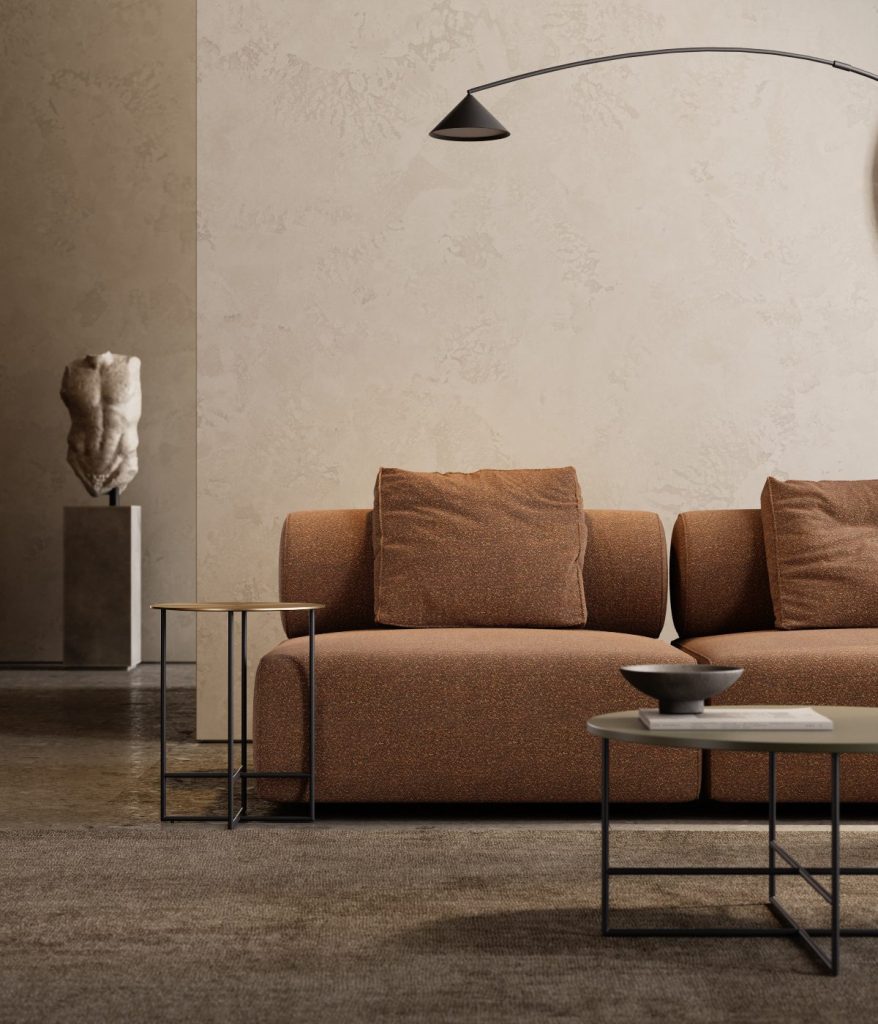
DISCOVER MORE: Click here to learn more
Understanding the Impact of Intentional Consumption
As our society navigates the complexities of modern living, the role of intentional consumption becomes increasingly salient in the context of creating minimalist and functional living spaces. By making deliberate choices about what we bring into our homes, we can cultivate environments that not only simplify our lives but also enhance our well-being.
The Connection Between Intentional Consumption and Minimalism
Intentional consumption is the foundation upon which a minimalist lifestyle is built. It requires individuals to consciously evaluate their purchasing decisions and consider the value those items add to their lives. Exploring this idea reveals several key aspects of intentional consumption that promote minimalism:
- Mindful Ownership: Beyond just acquiring items, intentional consumption encourages individuals to reflect on their ownership and the emotional attachment they have to their possessions. By understanding the significance of each item, one can make choices that matter, focusing on what truly enhances their lifestyle.
- Practicality of Space: Every item in a minimalist home should serve a purpose. Intentional consumption leads to realistic considerations of space utilization—choosing versatile furnishings that can serve multiple functions, such as a sofa bed or a nesting table, maximizes utility without overcrowding.
- Quality Over Quantity: When consumers prioritize quality in their purchases, they embrace longevity over disposability. This shift reduces the cyclical nature of replaceable goods and contributes to a more sustainable lifestyle. For instance, investing in well-made, ethically sourced furniture can mean fewer trips to furniture stores, reducing waste and clutter.
The implications of these choices stretch beyond individual living spaces—they can contribute to a larger cultural shift towards sustainability and environmental consciousness. As consumers gravitate toward intentional consumption, they become agents of change in their communities, inspiring others to adopt similar practices.
Examples of Intentional Consumption in Action
In practical terms, intentional consumption manifests itself in various ways. For instance, consider the burgeoning trend of tiny homes that challenge conventional housing norms. These homes are designed around the principles of minimalism, where every square foot is valuable. Residents of tiny homes adopt intentional consumption by only including items that serve a purpose, emphasizing efficiency and simplicity.
Moreover, the rise of second-hand shopping and the popularity of platforms like Facebook Marketplace or Poshmark showcase how individuals can find unique, quality items while supporting local economies and reducing consumer waste. By engaging in these sustainable practices, consumers can curate their spaces with both care and accountability.
As we continue to delve deeper into the role of intentional consumption, it becomes evident that these choices not only shape the physical environments we inhabit but also influence our overall lifestyle. By embracing intentionality, we can unlock the full potential of minimalist living and enjoy the benefits of functional living spaces that resonate with our values.
When exploring the role of intentional consumption in crafting minimalist and functional living spaces, one cannot overlook its profound impact on both the environment and the individual. By choosing to consume deliberately, individuals are embracing a lifestyle that not only showcases their careful curation of possessions but also promotes sustainability.
Every item chosen plays a part in the narrative of the living space, reflecting the values and priorities of the occupants. For instance, opting for eco-friendly materials when selecting furniture can minimize harm to the environment and support ethical brands. This intentionality in purchasing encourages consumers to consider the lifecycle of products, ultimately leading to less waste and a more organized environment.
Furthermore, creating a minimalist living space fosters a sense of clarity and peace. When one reduces clutter through intentional consumption, it becomes easier to focus on what truly matters in life. This simplification can enhance productivity, mental well-being, and even creativity. Spaces that are devoid of unnecessary items often promote both relaxation and efficiency, allowing occupants to live more harmoniously.
As such, the journey towards a simplified lifestyle involves analyzing needs versus wants and making choices that align with personal values. With every intentional purchase made, individuals are not just furnishing their homes but are also participating in a larger movement towards conscious living.
| Category | Advantages |
|---|---|
| Sustainability | Supports eco-friendly practices and reduces waste |
| Mental Clarity | Eliminates clutter, enhancing focus and productivity |
| Emotional Well-being | Creates a peaceful environment, fostering relaxation |
| Value Alignment | Encourages consumers to invest in items that align with their values |
By understanding and implementing intentional consumption, individuals can transform their living spaces into functional, beautiful, and meaningful environments. This journey not only enhances personal experiences but also promotes a cultural shift towards mindfulness and sustainability. With each careful decision, we pave the way to a more thoughtful existence in our modern world.
DIVE DEEPER: Click here to uncover more
Practical Steps for Embracing Intentional Consumption
Transforming your living space through intentional consumption involves more than just a mindset; it encompasses actionable steps that can lead to a profound modification in how we interact with our surroundings. Understanding these measures can propel individuals toward a minimalist lifestyle that prioritizes both functionality and aesthetics.
1. The One-In-One-Out Rule
One effective strategy to implement intentional consumption is the one-in-one-out rule. This principle dictates that for every new item purchased, an old item must be eliminated from the space. This practice not only helps in maintaining a clutter-free home but also fosters a conscientious approach to consumption. By tying new acquisitions to the removal of existing items, individuals learn to assess the real value brought by each possession.
2. Curated Shopping Lists
Before embarking on shopping adventures, creating curated shopping lists can be a game changer. Whether it’s a simple notebook or an app, maintaining a list helps individuals focus on their needs rather than succumbing to impulsive buys. Each entry on the list should be evaluated carefully, prompting introspection on usability and relevance in one’s life. This practice not only curtails waste but nurtures habits of thoughtful acquisition.
3. Sustainable Sourcing
Additionally, intentional consumption aligns with the principle of sustainability. Prioritizing sustainably sourced products and ethical brands not only supports eco-friendly practices but also enhances the quality of items purchased. For instance, American furniture companies like West Elm and Crate & Barrel offer collections made from responsibly harvested wood and recycled materials, ensuring that each piece contributes positively to the environment.
4. The Declutter Challenge
Engaging in regular decluttering challenges can also facilitate a more minimalistic approach at home. Setting aside time monthly or seasonally to assess one’s belongings can reveal hidden excesses. Initiatives such as the 30-Day Minimalism Game encourage participants to get rid of one item on the first day, two on the second, and so forth—culminating in a significant reduction of clutter and promoting a refreshed living environment.
5. Creating Multi-functional Spaces
Another crucial aspect of intentional consumption involves rethinking how spaces are utilized. With the rise of remote work, many households are adapting spaces to serve multiple purposes. For instance, a dining room doubling as an office, or a guest room that also functions as a yoga studio, showcases how strategic consumption encourages a harmonious balance between style and utility. Investing in modular furniture, such as foldable desks or murphy beds, facilitates these transformations while supporting minimalistic aims.
As these practices indicate, intentional consumption is not merely about reducing items but promoting thoughtful engagement with one’s lifestyle and surroundings. By embracing these strategies, individuals can design living spaces that are both minimalist in appearance and functional in practice, enhancing their overall quality of life.
EXPLORE MORE: Click here to discover biophilic design tips
Conclusion
In an era marked by consumerism and excess, intentional consumption emerges as a vital principle for those seeking to create minimalist and functional living spaces. By adopting a thoughtful approach to what we bring into our homes, we can significantly enhance not only the aesthetics of our environment but also its utility and sustainability. The actionable practices discussed—from the one-in-one-out rule to sustainable sourcing—highlight that the journey towards minimalism is marked by mindfulness and purpose.
Making deliberate choices in consumption allows individuals to curate their spaces with items that hold genuine value, both functionally and emotionally. Moreover, the integration of multi-functional elements signifies a shift in how we perceive our living environments, promoting adaptability and efficiency without sacrificing style. Regular decluttering efforts can further support this shift, renewing focus and clarity in our living areas.
Ultimately, the role of intentional consumption transcends mere aesthetics; it cultivates a conscious lifestyle that values quality over quantity. As we continue to navigate a society inundated with options, embracing these principles can lead us to a richer, more fulfilling existence. By prioritizing intentionality, we empower ourselves to redefine our spaces—transforming them into sanctuaries of simplicity and purpose, tailored to our unique needs and desires. Explore the transformative potential of intentional consumption and unlock the benefits of a harmonious, minimalist living environment.
Related posts:
Conscious Consumption: Strategies to Integrate Minimalism into Daily Life
The role of intentional consumption in stress reduction and well-being promotion
Less is More: The Impact of Intentional Consumption on Personal Organization
The Art of Choice: How Intentional Consumption Drives Minimalism
The impact of intentional consumption on fashion choices and personal style within minimalism
How the practice of intentional consumption can inspire a new approach to gifts and celebrations

Linda Carter is a writer and organization expert specializing in minimalism and personal organization. With extensive experience helping individuals create clutter-free, functional spaces and adopt mindful habits, Linda shares her knowledge on our platform. Her goal is to empower readers with practical advice and strategies to simplify their lives, stay organized, and achieve a sense of calm and balance in their daily routines.