Aesthetic Plant Selection: How to Choose Plants for Visual Appeal in Your Home Garden
Creating a Visually Stunning Home Garden
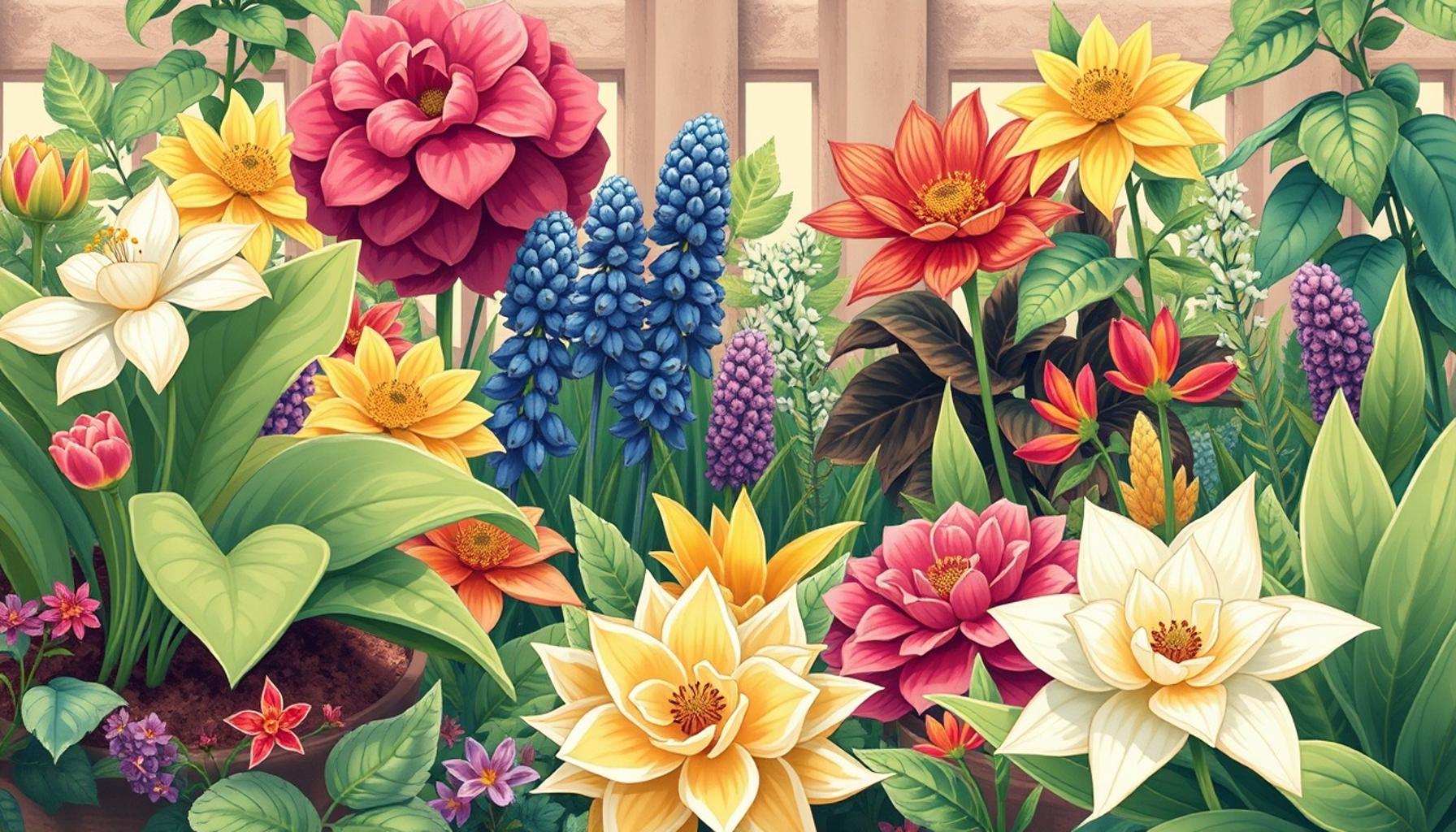
Transforming your garden into a breathtaking outdoor sanctuary is a delightful endeavor that requires careful planning and an eye for aesthetics. The process involves not just planting a variety of seeds, but also curating a landscape that reflects beauty, harmony, and personal style. A garden can serve as a personal retreat, a space for entertaining friends and family, or a peaceful sanctuary for solitary reflection. By understanding the interplay of color, texture, and shape, you can transform a simple plot of land into a show-stopping creation that captivates all who see it.
Key Factors in Plant Selection
Choosing the right plants is fundamental to achieving a visually striking garden. Each element plays an essential role:
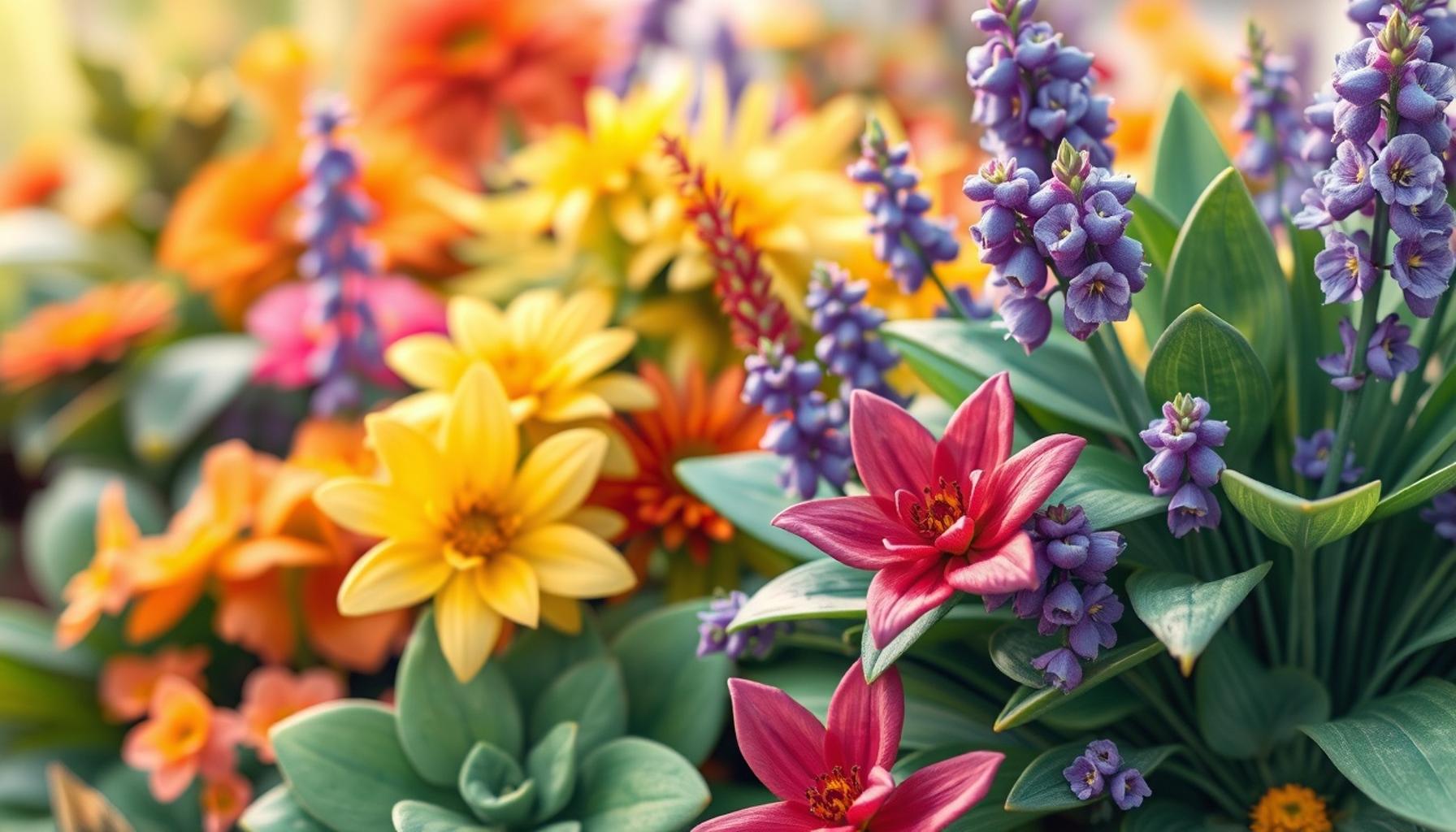
- Color Palette: Start by deciding on a color scheme that evokes the mood you want to create. For instance, cool tones like blues and purples can create a calming atmosphere, while warm colors such as reds and yellows evoke energy and warmth. Combining complementary colors, like purple and yellow, can lead to stunning visual contrasts.
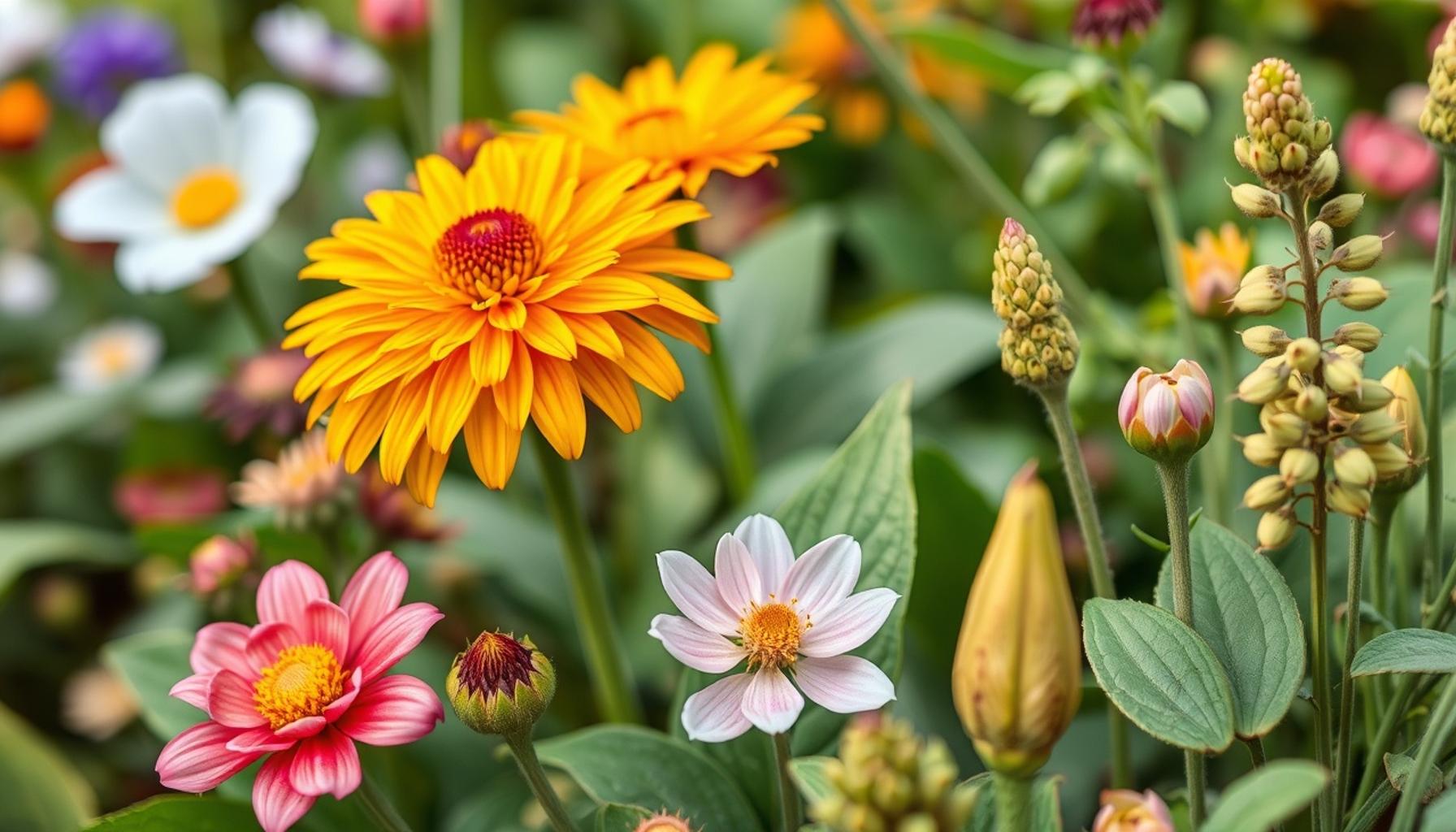
- Texture: A rich tapestry of textures can enhance visual interest. Think about incorporating ornamental grasses for movement and softness, alongside spiky plants like agave or smooth-leafed hostas. The juxtaposition of these various textures can make your garden more dynamic.
- Height and Layering: Successful gardens often use a tiered approach, where taller plants are positioned at the back, gradually transitioning to shorter plants in the front. This technique not only maximizes space but also draws the eye through different layers of the garden, creating depth and dimension.
Understanding seasonal changes is another critical aspect of planning your garden. By selecting a mix of evergreen and deciduous plants, you can ensure visual interest year-round. Plants like Japanese maples provide breathtaking color in the fall, while evergreens maintain structure and contrast through winter.
Popular Aesthetic Plants
Here are a few standout plants known for their aesthetic appeal that you might consider integrating into your garden design:
- Ornamental Grasses: Varieties like Pampas grass or Blue Oat grass add graceful movement and texture, making them excellent focal points or backdrops in any garden setting.
- Flowering Perennials: Plants such as daylilies and black-eyed Susans bloom throughout the growing season, ensuring that your garden stays vibrant and lively. Their recurring blooms can emphasize different features from year to year.
- Succulents: These unique plants offer a contemporary edge with their striking shapes and low water requirements. Varieties like hens and chicks or jade plants can be used to create a modern, minimalist look while thriving in well-drained soils.
Equipped with these foundational principles and plant suggestions, you are ready to embark on your journey to cultivate a home garden that reflects your personality and creativity. This outdoor space can become not just a visual feast, but also a reaffirming oasis that celebrates the lush variety of nature. Dive into this creative process, and let your garden flourish into the serene retreat you’ve always envisioned.
DISCOVER MORE: Click here to learn about the benefits of indoor gardening
Crafting Your Colorful Canvas
Choosing the right plants to create an aesthetically pleasing home garden is akin to assembling a vibrant canvas. Just as an artist selects colors, textures, and forms to evoke emotion, gardeners must consider how a combination of plants can harmonize and elevate their outdoor space. Every plant has its unique qualities, and understanding these characteristics is key to a stunning design. To begin, let’s delve deeper into the vital elements that play a significant role in enhancing your garden’s visual appeal.
Understanding Plant Characteristics
Before selecting plants, it’s essential to have a fundamental grasp of their characteristics. Each plant species offers diverse visual attributes—differences in size, shape, foliage, and flowering habits can dramatically alter the overall look and feel of your garden. Here’s how to assess these attributes effectively:
- Size and Growth Habit: Think about not just the height of the plants, but also their spread. A large, sprawling plant can dominate the landscape, while smaller varieties can create stunning focal points without being overwhelming. Consider using taller plants as vertical accents to create contrast and visual interest.
- Leaf Shape and Color: The shape and color of leaves contribute significantly to the overall texture of your garden. Broad leaves can provide a lush, tropical feel, while thin, spiky leaves add a modern touch. Choose plants with variegated leaves to introduce additional colors and patterns.
- Flowering Patterns: Understanding when each plant blooms is crucial for maintaining a continuous display of color. Selecting plants that flower at different times darls seasonal interest and variety to your garden—a strategy that can be particularly useful in populated areas where maintaining visual allure can be challenging.
Complementing Your Landscape
A successful garden design is not only about individual plants but also about how they interact and complement each other. Consider the following strategies for creating a cohesive look:
- Repeating Plant Varieties: Using the same plants in different areas creates visual repetition, which ties the whole space together. For instance, if you incorporate lavender in your herb garden, consider placing it at intervals along pathways or borders to create unity.
- Seasonal Synergy: Integrate plants that offer seasonal transitions. While spring bulbs may offer early bloom color, consider pairing them with fall bloomers, such as asters, to retain vibrancy as the year progresses.
- Native Plants: Using indigenous species can enhance the local atmosphere and promote biodiversity. Plants that are well-adapted to your local conditions tend to flourish with less maintenance and create a garden that feels naturally harmonious.
Incorporating these strategies into your plant selection process will help create a thoughtful and engaging garden space that captivates your senses. Selecting plants based on their characteristics and how they work together not only beautifies your home but also fosters a deeper connection to your environment. As you build your garden, keep these principles in mind, ensuring your selections reflect both the beauty of nature and the essence of your personal style. Your journey to a visually stunning home garden is just beginning, and there are many more elements to explore!
| Plant Types | Visual Appeal Characteristics |
|---|---|
| Succulents | Unique shapes and vibrant colors make them excellent focal points. |
| Foliage Plants | Lush greenery, varying textures, and shades enhance overall aesthetics. |
| Flowering Plants | Vibrant blooms attract attention and create a colorful environment. |
| Climbing Plants | Vertical growth adds dimension and richness to your garden. |
When choosing plants for visual appeal in your home garden, it’s vital to consider not just their individual beauty but also how they complement each other. This selection process allows for a harmonious blend that can elevate the garden’s aesthetics significantly. The arrangement of contrasting colors, diverse textures, and varying heights can create a visually dynamic space. Moreover, creating seasonal interest is another essential strategy. By selecting plants that thrive in different seasons, you ensure that your garden remains engaging year-round. Incorporating plants with varying blooming periods helps to maintain color and interest throughout the year. Don’t forget the role of hardscape elements like stones, paths, and garden furniture that can enhance your plant choices. The right combination can transform your outdoor space into an inviting retreat. Always remember to consider the local climate and soil conditions when selecting your plants to ensure they thrive beautifully. Engaging with the community, whether through local gardening clubs or online forums, can provide invaluable insights and inspiration for your aesthetic journey.
DISCOVER MORE: Click here to uncover the secrets of aromatic indoor gardening
Creating Depth and Dimension
Just like a painter uses varying brushstrokes to bring depth to a canvas, a skilled gardener should focus on layering plants to create a visually exciting space. By employing different heights and forms, you not only enhance the aesthetic but also improve the garden’s dynamics, making it inviting to both the eye and the senses.
Layering Techniques
Layering involves arranging plants based on their height and growth habits, ensuring that shorter varieties can thrive in front of taller ones. This strategy is especially effective in smaller gardens, where space may be limited. Here are some methods to implement layering in your garden:
- Foreground, Midground, and Background: Establish three distinct layers in your arrangement. Use lower-growing plants, such as snapdragons or petunias, at the front. Mid-sized plants like daylilies can occupy the center, while taller specimens like sunflowers or delphiniums can serve as stunning backdrops, enhancing the visual flow.
- Textural Variation: Incorporate a mix of leaf shapes and sizes to add richness to the visual experience. Combining plants such as ferns with succulents can create an engaging contrast and a multi-dimensional feeling throughout the garden.
- Focal Points: Establish a key focal point, such as a larger plant or a unique sculpture, to draw attention. Position accent trees or striking perennials, like lilies or peony bushes, strategically to direct the eye and create a stunning centerpiece.
Seasonal Considerations
The seasons bring a parade of colors and textures that can transform your garden. Understanding how to select plants that thrive in your region’s climate will enable you to showcase the ever-changing beauty of nature. Rather than focusing solely on summer blooms, consider these aspects:
- Winter Interest: Incorporate evergreen plants, such as boxwood or holly, which offer color and structure even in the depths of winter. Additionally, consider plants with attractive bark, like red twig dogwood, or those that provide berries, ensuring your garden remains visually appealing throughout the cold months.
- Fall Foliage: Select deciduous plants that exhibit vibrant autumnal colors, such as Japanese maple or smokebush. The rich reds, yellows, and oranges create a stunning tapestry that can enhance your garden’s visual interest and charm.
- Year-Round Design: Select plants with varying bloom times that extend color across multiple seasons. For instance, combining daffodils, which bloom in early spring, with summer-flowering coneflowers will ensure continuous visual appeal.
By mindfully layering plants and considering seasonal movements, you will craft a garden that remains dynamic and full of life throughout the year. Remember, aesthetics in gardening extend beyond the simplest combination of colors; they embrace the careful orchestration of structure, texture, and multi-season appeal. Emphasizing these elements in your design will lead you on a creative journey that harmonizes your home garden with the surrounding landscape and enhances your living experience.
DISCOVER MORE: Click here to learn about soil health
Conclusion: Embracing the Art of Aesthetic Plant Selection
Creating a gorgeous home garden goes beyond merely selecting plants; it involves a thoughtful approach to aesthetic plant selection that intertwines design principles with nature’s beauty. By considering aspects such as layering, textural variation, and seasonal interest, you set the stage for a dynamic outdoor space that captivates the senses year-round.
As you embark on this journey, remember to explore different plant heights and textures to establish distinct layers that enhance both depth and visual intrigue. Utilizing foreground, midground, and background arrangements allows for an inviting atmosphere where each plant plays its unique role, akin to a harmonious symphony. Additionally, incorporating plants that offer visual interest across all seasons ensures your garden remains vibrant and engaging, shifting from the lush greens of summer to the fiery hues of autumn and the serene structure of winter.
In your quest for a stunning garden, consider also the local climate and soil composition, ensuring that your chosen plants not only look appealing but also thrive in their environment. By marrying knowledge of horticulture with a keen eye for design, you are well-equipped to create a space that reflects your personal style and invites admiration.
Ultimately, aesthetic plant selection is an art form—one that encourages creativity and self-expression. With each decision you make, you have the opportunity to craft a garden that is not only visually stunning but also a peaceful retreat from the world, perfectly tailored to your lifestyle.