Beginners Guide Essential Soil Preparation for New Gardeners
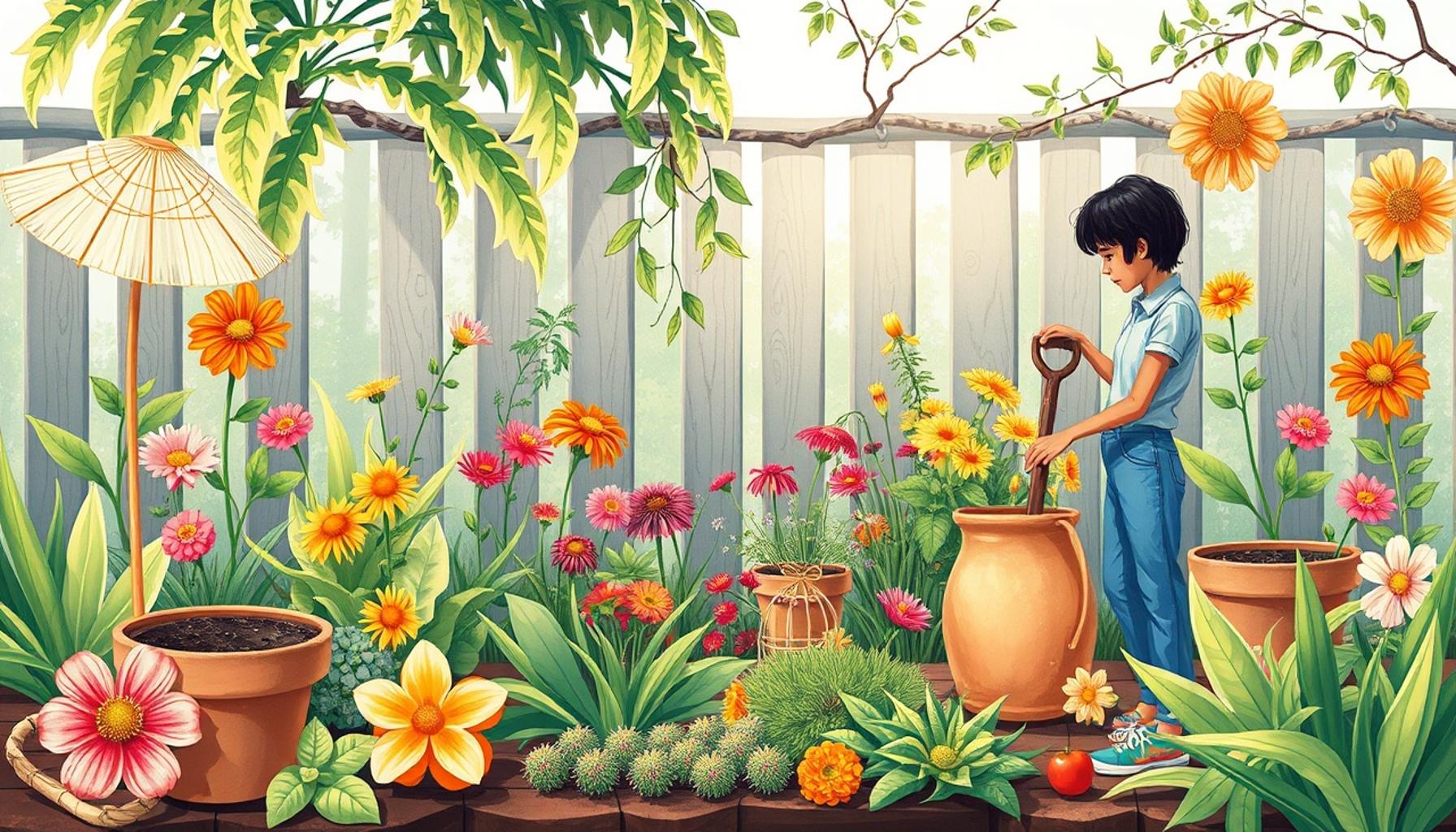
Every successful garden begins with one crucial element: the soil. For beginners in gardening, understanding how to prepare the soil can set the foundation for a thriving garden. Proper soil preparation not only improves plant growth but also enhances nutrient availability and plant resilience.
As a newcomer to gardening, you might wonder where to start. The process can be broken down into straightforward steps, making it easier to grasp. Here are some key points to consider:
- Type of Soil: Familiarize yourself with your soil type—clay, sand, or loam—all have different needs.
- Nutrient Enhancement: Add organic matter like compost to boost nutrient content.
- Soil pH Testing: Test the pH level to determine what adjustments might be necessary for optimal plant growth.
In this article, you will find a carefully curated ranking of the Top 5 essential soil preparation tips every beginner should know. Let’s dig in and cultivate a solid foundation for your gardening journey!
Top 5 Importance of Soil Preparation for Beginners in Gardening
Understanding the significance of soil preparation is crucial for any aspiring gardener. Like the foundation of a house, the soil is what your plants will thrive in. Without proper soil preparation, your gardening efforts may fall short. Here, we will explore the top five reasons why preparing your soil is essential for successful gardening, ranked from five to one.
5. Promotes Healthy Root Development
When you prepare your soil adequately, you create an environment conducive to healthy root development. Roots are not merely structures that hold plants in place; they are the lifelines through which plants absorb water and essential nutrients. Imagine you are building a home for your plant’s roots. If you want these foundations to be strong and reach deep, the soil must be loose and nutrient-rich.
Without preparation, soil can become compacted, much like a solid brick, restricting root expansion. Compacted soil prevents roots from accessing water and minerals efficiently, leading to weak and easily stressed plants. Gardeners can prevent this by loosening the soil and incorporating organic matter such as leaf mold or peat. Additionally, tools like garden forks or aerators can help in creating pathways for air and water to reach the roots. As a result, a well-prepared soil base can transform a dull garden into a vibrant one.
4. Enhances Soil Structure
Before planting, it’s crucial to enhance the soil structure. Soil structure reflects the way soil particles aggregate and bind to form larger crumbs or clods, significantly influencing how water and air move through the soil. Proper soil structure ensures excellent water retention and drainage, preventing issues like waterlogging or drought stress for plants.
Think of soil like a sponge that needs to hold a balance of water and air. Adding organic matter, such as compost, not only enhances this delicate structure but also boosts its nutrient profile. Compost acts like an adhesive, binding particles into larger aggregates, which facilitates better root penetration and water management. In regions with heavy clay soils, adding gypsum can help break up the dense structure, improving texture and permeability, ultimately allowing your plants to breathe and receive consistent nourishment.
3. Increases Nutrient Availability
Another key reason for soil preparation is the availability of nutrients. Soil can sometimes lack essential nutrients due to overplanting, climate conditions, or inherent deficiencies. Preparing your soil gives you a chance to replenish these nutrients strategically, ensuring plants receive the fundamental building blocks they need.
Conducting a simple soil test can provide valuable insight into nutrient profiles, revealing deficiencies in nitrogen, phosphorus, or potassium — the three macronutrients vital for plant health. With this information, you can amend the soil accordingly, utilizing fertilizers or natural amendments like bone meal or fish emulsion to address specific shortages. This proactive approach ensures your plants are not just surviving but thriving, as they have access to an optimal nutritional cocktail from the moment you plant them.
2. Prevents Soil Erosion
Soil erosion can undermine the hard work of any gardener, especially in regions where heavy rain or strong winds are frequent. Proper soil preparation helps fortify the soil, dramatically reducing erosion risks. Unprepared bare soil can be easily washed away or degraded, leading to the loss of fertile topsoil — the critical layer where most plant roots reside.
To combat this, incorporating organic matter can bind the soil particles more effectively, creating a sturdier structure. Ground cover techniques, such as using mulch or growing cover crops during off-seasons, act as protective layers, shielding the soil from natural elements. Mulch, for instance, can absorb the impact of raindrops, reducing runoff. Additionally, cover crops like clover or vetch not only cover the soil but also enrich it by fixing nitrogen, creating a self-sustaining cycle of fertility and protection.
Case Study: Integrating Erosion-Prevention Techniques
Consider a small community garden set up on a gentle slope. The gardeners integrated straw mulch and planted a rye cover crop during the fall. Over time, they noticed less erosion after heavy rains compared to previous years when the soil was left untended. The collective organic matter also enriched the soil, readying it for the next planting season without additional amendments.
1. Increases Plant Productivity
Ultimately, the most compelling reason to prepare your soil is that it significantly increases plant productivity. A well-prepared soil environment supports vigorous plant growth, leading to lush greenery and robust yields that every gardener dreams of enjoying.
Productivity hinges on the ability of plants to grow without stress. A balanced soil that’s rich in organic material offers much-needed stability. Healthy plants have a stronger resistance to pests and diseases, reducing the reliance on chemical treatments. Moreover, they tend to bear more flowers and fruit, providing visual splendor and a bountiful harvest.
For instance, a novice gardener who diligently prepares their soil with compost, ensuring optimal pH levels, may discover that their vegetable patch yields abundant tomatoes and basil compared to unprepared patches. This not only bolsters their confidence but also underscores the significance of starting with the right ground conditions.
In conclusion, the importance of soil preparation cannot be overlooked for gardening beginners. As you start your gardening journey, remember that investing time and effort into preparing your soil will yield rewards in the form of vibrant and productive plants. By understanding each step of soil preparation, from enhancing structure to enriching soil nutrition, you’ll be poised for success. Happy gardening!
| Category | Details |
|---|---|
| Nutrient Availability | The right soil preparation ensures nutrients are present for plant growth, enhancing soil quality and overall productivity. |
| Soil Structure | Well-prepared soil fosters a healthy structure, allowing roots to penetrate easily, and promoting better drainage and aeration. |
| Weed Control | Preparing the soil reduces weed growth by disrupting their seeds and roots, thus giving your plants a better chance to thrive. |
| Moisture Retention | Proper soil preparation can enhance moisture retention, reducing the frequency of watering and ensuring plants have the water they need. |
When gardening, understanding the importance of soil preparation is fundamental. It not only sets the foundation for your plants but also influences their growth and yield significantly. Firstly, the availability of nutrients is crucial. To achieve optimal growth, the soil must be rich in organic matter. Incorporating compost or well-rotted manure can provide essential nutrients that plants require, such as nitrogen, phosphorus, and potassium. This organic matter not only feeds the plants but also enriches the soil over time, promoting sustainable gardening.Next, consider soil structure. A well-prepared soil should consist of a balance between sand, silt, and clay, creating a loamy texture that is ideal for most plants. Compacted or poorly structured soil can lead to issues with water drainage and root development. To improve structure, you can use tools like a tiller or cultivate the soil manually, breaking it apart and introducing air into the mix.Weed control is another significant reason for thorough soil preparation. Many weed seeds lie dormant until the soil is disturbed. By preparing your garden bed carefully, you disrupt these seeds, making it easier to establish your desired plants. Additionally, using mulch can further inhibit weed growth while providing additional benefits such as moisture retention.Lastly, moisture retention is vital for successful gardening. Well-prepared soil should allow for proper drainage but also retain enough moisture for plants to thrive. Techniques like layering organic materials and using a good mulch can maintain moisture levels, which is especially important during hot, dry spells. In summary, focusing on proper soil preparation not only supports plant health from the start but also plays a critical role in the long-term sustainability of your gardening endeavors.
Frequently Asked Questions about Soil Preparation for Gardening Beginners
Why is soil preparation important for beginner gardeners?
Proper soil preparation is crucial because it provides a strong foundation for plants to grow. Well-prepared soil enhances drainage, aeration, and nutrient availability, which are essential for healthy plant development. Beginners will find that their efforts in the garden are more successful when they take the time to prepare the soil properly.
What steps should I take to prepare my garden soil?
To prepare your garden soil effectively, start by removing weeds and debris to create a clean planting area. Next, turn the soil using a spade or tiller to loosen compacted earth. Then, incorporate organic matter such as compost or aged manure, which enhances soil fertility. Finally, level the soil surface to ensure optimal water distribution.
How can I tell if my soil is ready for planting?
A simple test can be done by squeezing a handful of soil; if it crumbles easily when you open your hand, it’s ideal. If it forms a tight clump, it may be too wet or clay-heavy. Additionally, performing a soil test to check pH and nutrient levels can provide valuable insights. Aim for a balanced pH and adjust with lime or sulfur if necessary.
What common mistakes should beginner gardeners avoid in soil preparation?
Beginners often make the mistake of over-tilling, which can damage soil structure. Avoid excessive fertilization, as it can harm plants and the environment. Pay attention to the timing of soil preparation; work the soil when it’s moist but not wet to preserve its healthy structure.
Do I need special tools for soil preparation?
While not all tools are necessary, a few basic ones will make soil preparation easier. Consider investing in a shovel, a rake, and a hand tiller or spade. These tools help you manage different aspects of soil preparation, ensuring effective and efficient work in your garden.
Conclusion
As you embark on your gardening journey, understanding the importance of soil preparation is fundamental to your success. For beginners, this crucial step often determines the vibrancy and health of your garden. Proper soil preparation acts as the bedrock for nutrient-rich growth, ensuring your plants receive adequate water and nutrients, fostering robust root systems.
Throughout this article, we have explored the essential elements of soil preparation, highlighting its role in rectifying common beginner mistakes and promoting sustainable gardening practices. By addressing soil composition, drainage, fertility, pest management, and pH balance, gardeners can create an optimal environment for plant growth. Each aspect plays a vital role and, when harmoniously combined, they significantly enhance a plant’s ability to thrive.
A comprehensive soil assessment followed by the application of organic materials such as compost and mulch can work wonders in transforming even the most challenging soils into rich planting grounds. As a novice gardener, this investment in soil health not only benefits your plants but also enriches your gardening experience, making it more enjoyable and rewarding.
In summary, the importance of soil preparation cannot be overstated, especially for beginners. It sets the stage for a flourishing garden and lays a foundation of understanding that will support your growth as a gardener. Remember, patience and attention to detail are as essential as any tool in your gardening kit. By nurturing your soil, you nurture your plants, and in doing so, you nurture your passion for gardening. As you continue to learn and apply these principles, you’re sure to cultivate a successful and bountiful garden.