Creating Multi-Functional Rooms: Simplified Spaces that Serve Multiple Purposes
The Rise of Multi-Functional Rooms
The demand for multi-functional rooms has surged as a direct response to the evolving lifestyles of contemporary homeowners. With more people living in urban environments where space can be limited, the necessity for adaptable living areas has never been more apparent. This trend has led individuals to rethink their approaches to domestic design, leading to environments that not only accommodate a variety of activities but also enhance the overall aesthetic of a home.
To create a space that feels both spacious and organized, it’s vital to incorporate several key features into the design of a multi-functional room:
- Flexibility: The inclusion of furniture that can be easily rearranged or transformed is essential. For instance, a simple foldable table can double as a dining area for family meals or convert into a workspace for remote work or study sessions. Likewise, convertible sofas allow for effortless transitions from daytime lounging to nighttime sleeping arrangements, making them ideal for guests.
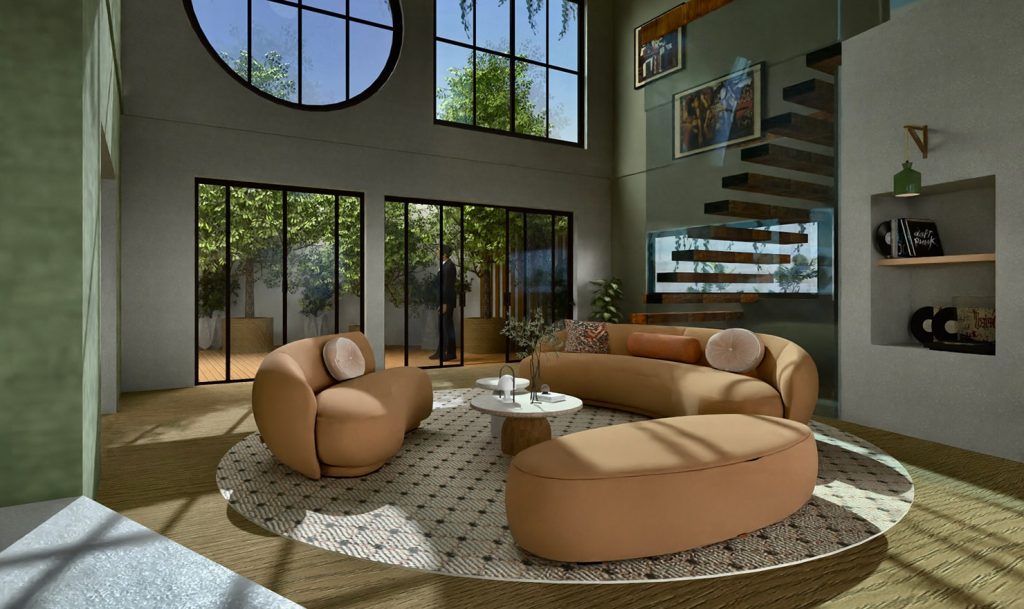
- Dual-Purpose Items: Homeowners are increasingly turning to items that fulfill multiple roles. An ottoman that offers hidden storage is a prime example. It can serve as a footrest, additional seating, or even a coffee table, all while keeping clutter at bay. Similarly, beds equipped with under-bed storage can maximize bedroom space, ensuring that every inch counts.
- Defined Zones: Creating distinct areas for different activities within an open floor plan is crucial. For instance, incorporating a small office nook with a stylish desk and chair in the corner of the living room allows for a dedicated workspace without the need for a separate room. This promotes a seamless flow, encouraging productivity in an otherwise leisure-focused space.
In urban centers like New York City and Los Angeles, where many apartments are compact, the implications of this trend are particularly significant. Designers and homeowners alike are adopting innovative solutions, such as sliding walls or modular furniture, to increase functionality while maintaining a cohesive design. The result is a living space that reflects personal taste while accommodating modern demands.
As you explore the possibilities of multi-functional rooms, consider your unique needs and preferences. Whether it’s accommodating a home office, creating a cozy reading nook, or setting up a play area for children, the quest for simplification can lead to remarkable transformations. Delving into design options not only enhances practicality but also opens the door to creativity, fundamentally reshaping your living experience.
The journey to innovative and versatile living spaces begins with understanding the balance between functionality and style. By evaluating your lifestyle and incorporating smart design elements, you can create an environment that truly embodies the essence of modern living.
DISCOVER MORE: Click here for insights on minimalist spaces
Design Strategies for Multi-Functional Rooms
As the concept of multi-functional rooms gains traction, the need for effective design strategies becomes increasingly important. It’s not only about how the space can serve different functions, but also how it can do so without sacrificing comfort or style. By implementing creative design solutions, homeowners can maximize every square foot of their living spaces, making them more versatile and appealing.
One of the most impactful strategies involves the use of color palettes. Choosing a cohesive color scheme throughout the room allows the various functional areas to blend seamlessly. Soft, neutral colors can create a calming environment, while pops of color can add vibrancy and character. Paints and wallpapers that can withstand wear and tear are ideal for these multi-use rooms, especially when frequent rearrangement is anticipated.
Another aspect to consider is lighting. Layered lighting solutions—including ambient, task, and accent lights—can help define different areas within a multi-functional room. For example, a bright desk lamp can provide optimal illumination for work, while softer overhead lights can create a relaxed atmosphere for leisure activities. Additionally, the use of smart lighting systems allows homeowners to adjust intensity and color temperature, further tailoring the environment to specific needs throughout the day.
Furniture layout plays a pivotal role in maximizing space utilization. Consider these key tips:
- Choose Furniture Wisely: Opt for sleek, low-profile furniture to create the illusion of more space. Large, bulky items can overwhelm a room that serves various purposes.
- Utilize Vertical Space: Bookshelves and wall-mounted storage solutions can free up floor space while providing organizational options. This is particularly useful for compact living areas.
- Incorporate Multi-Functional Pieces: Choose furniture items designed to serve dual purposes—like a sleeper sofa that can transform from a comfortable couch to a bed in seconds, or a coffee table with lift-top storage for concealed organization.
Furthermore, technology can enhance a room’s multifunctional capabilities. For example, consider integrating smart home devicesthat allow for seamless control of appliances, lighting, and temperature through voice commands or an app. Features such as retractable screens or hidden projectors can transform a corner of your living space into a media lounge, perfect for movie nights or virtual meetings without the need for a dedicated home theater.
Ultimately, the journey to creating an efficient and elegant multi-functional room involves thoughtful consideration of how each element within the space interacts with one another. From color choices to technological innovations, every decision offers an opportunity to elevate the utility and aesthetic of your home. As you embark on your design adventure, remember that flexibility and innovation will pave the way for a simplified yet sophisticated living environment.
Exploring Innovative Design Elements
When considering Creating Multi-Functional Rooms, it’s essential to explore innovative design elements that can maximize space and function. One prevalent approach is the use of modular furniture, allowing homeowners to adjust their layouts according to changing needs. For instance, a compact sofa can transform into a bed, while folding tables can easily switch from dining to work surfaces. This adaptability is not just practical; it opens up the room to creativity.
Vertical Space Utilization
Utilizing vertical space is another key aspect of multi-functional room design. Tall shelves, wall-mounted desks, and hanging storage units can free up floor space, helping to maintain a more open environment. This strategy is especially beneficial in smaller homes or urban apartments where every inch counts. By creatively arranging vertical elements, one can achieve a clutter-free look that enhances both style and function.
Choosing Versatile Color Schemes
The choice of color scheme plays a critical role in how multi-functional rooms feel and perform. Neutral palettes can provide a broad canvas for personal touches and enable easy transitioning between settings. Adding vibrant accents can help to delineate different functional areas within the room while keeping the overall ambiance cohesive. A well-planned color scheme can significantly influence energy levels and perceptions of space.
Incorporating Technology
Modern technology also has a significant impact on the utility of multi-functional spaces. Smart home devices, like adjustable lighting systems and voice-activated controls, can allow for seamless transitions between different uses of the room. For example, lighting may shift from bright and focused for work to soft and ambient for relaxation—all at the command of a voice. This integration of technology enhances not only efficiency but also contributes to a higher quality of life.
| Category 1 | Category 2 |
|---|---|
| Modular Furniture | Flexible furniture designs that adapt to various settings. |
| Vertical Space | Creative use of wall space to enhance organization and aesthetics. |
| Color Schemes | Neutral palettes with vibrant accents to define spaces and moods. |
| Smart Technology | Integration of tech for seamless transitions in room functions. |
DISCOVER MORE: Click here to learn how to balance minimalism with family needs
Maximizing Functionality Through Creative Solutions
As lifestyle trends evolve, more individuals are embracing the need for multi-functional rooms that adapt to their daily routines and varying activities. To create these simplified spaces, it’s essential to go beyond traditional design notions and leverage various innovative approaches that maximize functionality without compromising aesthetics.
Flexible Room Dividers are increasingly popular as they help create distinct areas within a single space. Whether you’re using a tall bookshelf, decorative folding screens, or even curtains, these dividers allow for a seamless transition between functions. For instance, a living room can easily be converted into a workspace or a guest area by employing portable dividers that offer privacy and delineation. This versatility promotes an open floor plan while ensuring that each purpose is clearly defined when needed.
Additionally, the idea of zoning has taken center stage in multi-functional design. This involves utilizing rugs, furniture placement, or variations in lighting to create “zones” within a room. For instance, a cozy area rug in the corner can signal a reading nook away from the main living space, while strategically placed furniture can help define a dining area in an open kitchen. Zoning not only enhances organization but also contributes to the aesthetic appeal of a room, guiding the eye across different areas without resorting to physical barriers.
Smart Storage Solutions
Storage is a crucial aspect when designing multi-functional rooms. Homeowners can utilize clever storage solutions that maximize the utility of every inch of the room. Under-bed storage drawers, multifunctional ottomans, and built-in benches with hidden compartments can serve double duty while keeping the space clutter-free. For instance, a coffee table with built-in shelving provides an ideal place for books and magazines while serving its primary purpose of being a surface for drinks or decorations.
Furniture on Wheels is another solution that facilitates easy reconfiguration of spaces. Mobile furniture pieces, such as rolling carts or movable desks, offer flexibility based on the day’s activities. One day, you can have a bar cart set up for entertaining guests; the next, it transforms into a mobile workstation. This adaptability allows you to create dynamic living environments that cater to shifting productivity and relaxation needs.
Embracing Sustainability in Multi-Functional Design
A growing focus on sustainability adds another layer to the concept of multi-functional rooms. By selecting sustainable materials and eco-friendly furnishings, homeowners can ensure that their multi-functional spaces are not only practical but also environmentally responsible. Reclaimed wood or bamboo furniture, for example, provides durability and a stylish look while reducing the carbon footprint.
As the demand for compact living rises, especially in urban environments, multi-functional solutions become more essential than ever. According to a recent survey, nearly 70% of Americans living in cities desire the option for flexible spaces that can adapt to their changing lifestyle needs. This trend encourages manufacturers to innovate and develop new designs that emphasize usability without compromising style.
In summary, creating multi-functional rooms requires a myriad of creative solutions driven by personal lifestyle choices and needs. By exploring options such as flexible dividers, smart storage, and attention to sustainability, homeowners can curate spaces that reflect their personality while serving multiple purposes efficiently. Each choice you make adds a layer of complexity and beauty to your environment, making it uniquely yours.
DISCOVER MORE: Click here to learn about simplified spaces
Transforming Spaces with Purpose
As we navigate the complexities of contemporary living, creating multi-functional rooms emerges as a vital approach to modern design. These rooms are not merely a trend but a functional solution to the challenges of space limitation and lifestyle demands. By integrating thoughtful design strategies such as flexible room dividers, innovative zoning techniques, and smart storage options, homeowners can transform their spaces into dynamic environments that adapt seamlessly to daily activities.
The incorporation of sustainable materials brings a necessary eco-consciousness to this design philosophy, aligning functionality with environmental responsibility. As we collectively strive for a balance between style and practicality, these multi-functional solutions can not only save space but can also create a serene atmosphere reflective of a homeowner’s personal taste.
Moreover, the increasing popularity of mobile furniture allows for effortless reconfiguration, making it simple to redefine the purpose of a room at a moment’s notice. In fact, a recent survey indicates that urban dwellers—about 70%—particularly seek versatile spaces that respond to their ever-changing lifestyles. This demand paves the way for exciting innovations in multi-functional design, pushing manufacturers and designers to explore new horizons of usability.
In conclusion, the art of creating multi-functional rooms is a celebration of individuality and efficiency. It encourages homeowners to rethink traditional layouts and embrace adaptability, paving the way for spaces that not only look great but function beautifully. As you embark on this journey, remember that every choice you make contributes to a more organized, stylish, and purposeful living environment—one that genuinely mirrors the unique rhythm of your life.
Related posts:
Minimalist Organization: Strategies for Maintaining a Functional and Aesthetic Environment
The Evolution of Simplified Spaces: A Historical Perspective on Minimalism
The Connection Between Simplified Spaces and Mindfulness Practices
Simplified Spaces for Families: Balancing Minimalism with Practicality and Functionality
The Role of Simplified Spaces in Reducing Stress and Enhancing Productivity
Simplified Spaces: The Art of Decluttering for a More Peaceful Mind

Linda Carter is a writer and organization expert specializing in minimalism and personal organization. With extensive experience helping individuals create clutter-free, functional spaces and adopt mindful habits, Linda shares her knowledge on our platform. Her goal is to empower readers with practical advice and strategies to simplify their lives, stay organized, and achieve a sense of calm and balance in their daily routines.