Designing Your Home for Minimalism: Tips for Creating Simplified Spaces
The Rise of Minimalism in Modern Living Spaces
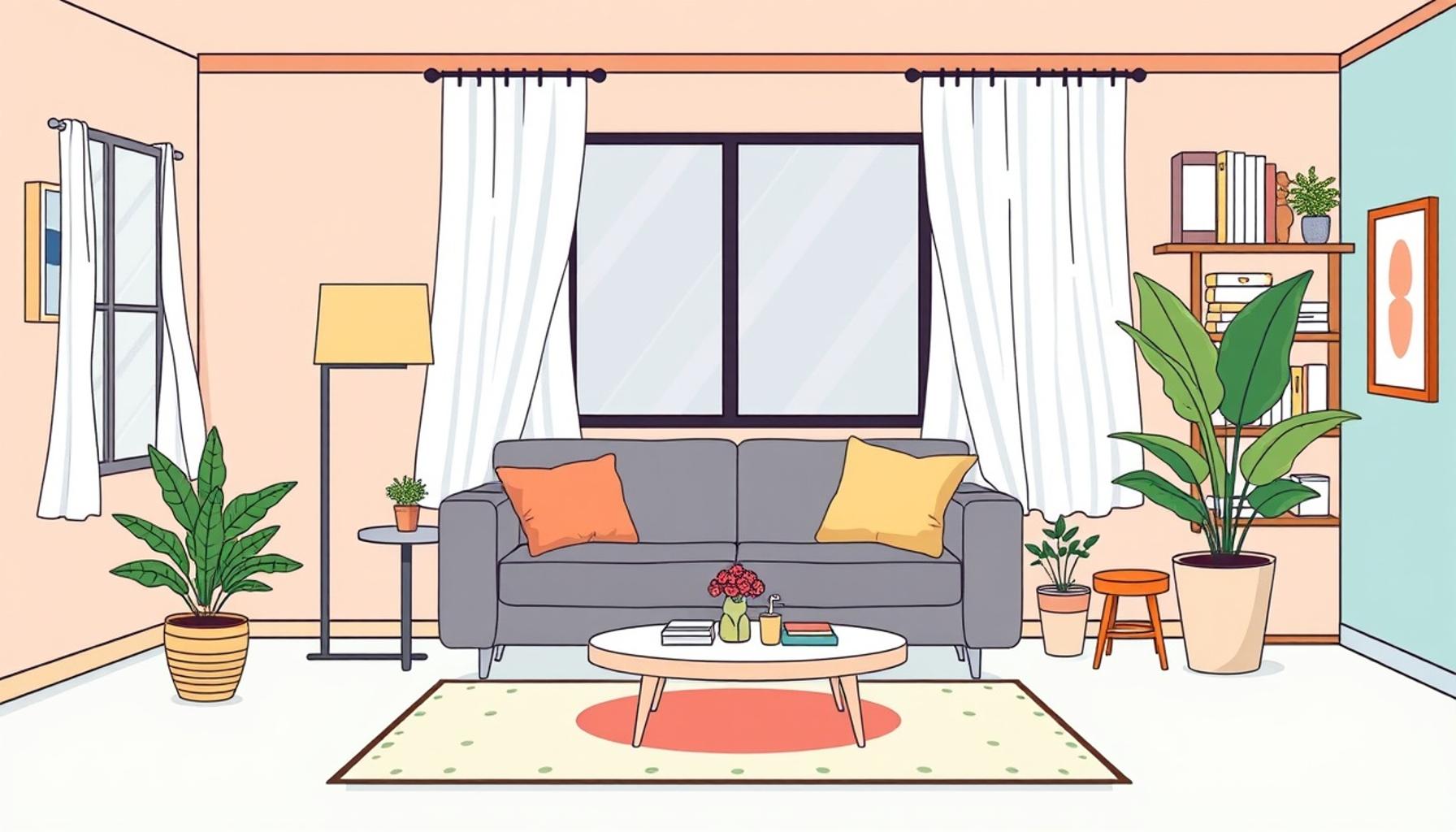
In an age of rampant consumerism, homeowners are increasingly gravitating towards the principles of minimalism in home design. This shift isn’t just a fleeting trend; it represents a fundamental change in how people view their living environments. Across the United States, individuals are eager to create simplified spaces that embody a lifestyle prioritizing quality over quantity, functionality, and serenity.
Understanding Minimalist Design
But what does it truly mean to design your home with minimalism in mind? Embracing minimalism is more than just decorating with fewer items; it involves a conscious approach to living well. Here are some core principles to consider:
- Clutter-Free Living: The journey to a minimalist home begins by removing unnecessary items. This could mean letting go of outdated furniture, clothing you haven’t worn in years, or decor that no longer resonates. The goal is to cultivate an environment where every item has significance and utility.
- Functionality: Each piece of furniture and decoration should serve a specific purpose, enriching your living experience. For example, invest in multi-functional furniture like a sofa bed or a coffee table with storage, which maximizes the utility of space.
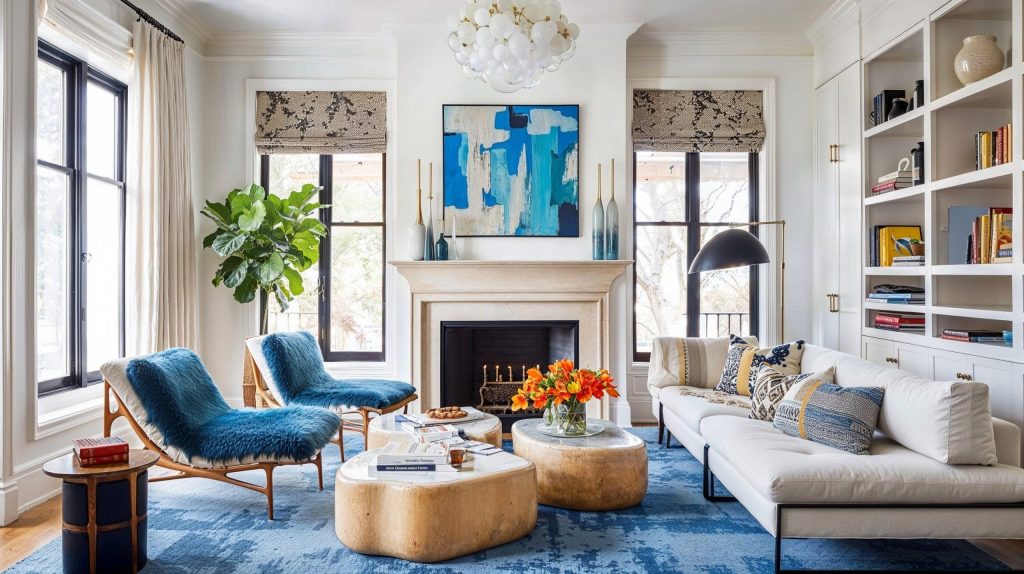
- Neutral Palettes: Utilizing soft colors—such as whites, beiges, and gentle pastels—can create a calming atmosphere. These hues promote tranquility and a sense of spaciousness, making rooms feel more open and inviting.
The Benefits of Minimalist Living
Embracing a minimalist approach offers numerous advantages that go beyond mere visual appeal. Homes designed with minimalism in mind can lead to:
- Improved Focus: A decluttered environment is shown to enhance productivity and mental clarity. A 2011 study published in the journal Psychological Science suggests that a cluttered home can lead to increased levels of stress and distraction.
- Lower Maintenance: With fewer belongings, upkeep becomes significantly easier. Dusting, organizing, and cleaning become less daunting, allowing homeowners to spend more time enjoying their spaces.
- Cost-Efficiency: Investing in fewer, yet high-quality pieces can save money in the long run. Instead of purchasing multiple lower-quality items, a minimalist approach encourages you to choose durable, versatile furniture that withstands the test of time.
Making Minimalism Work for You
As you embark on your journey to design a minimalist home, explore practical tips that can transform your living spaces. Start with small steps: declutter one room at a time, embrace a “one-in, one-out” policy when acquiring new items, and opt for versatile furnishings that serve multiple purposes.
Ultimately, discovering how simplicity can lead to greater satisfaction and a renewed sense of peace in your environment is enlightening. With each thoughtful decision in your home design, you’ll find that minimalism is not just a style—it’s a lifestyle that promotes clarity, mindfulness, and joy in your living spaces.
DISCOVER MORE: Click here to delve into the history of minimalism
Practical Strategies for Minimalist Home Design
Achieving a minimalist home design is not merely about aesthetics; it involves a fundamental shift in how we interact with our living spaces. To assist you in your transformation, consider implementing these practical strategies that resonate with the core principles of minimalism.
Declutter with Purpose
The initial step towards a minimalist home is to declutter with purpose. This entails more than simply discarding unwanted items; it requires evaluating each piece in terms of its usefulness and emotional significance. Begin by categorizing your belongings into three groups: keep, donate, and discard. A popular technique for tackling decluttering is the Marie Kondo method, which encourages you to ask yourself, “Does this item spark joy?” If the answer is no, it’s time to part ways.
Consider addressing one room at a time, or even specific areas within a room to prevent feeling overwhelmed. This focused approach not only promotes steady progress but fosters a sense of accomplishment that can motivate further action. Here are some effective decluttering tips:
- Set a timer: Designate a specific time to declutter—15 to 30 minutes—then focus on a single area. This can make the process feel less daunting and more manageable.
- Be ruthless: For items you are unsure about, consider the last time you used them. If it has been over a year, it might be time to let them go.
- Use storage solutions: Implement storage boxes or baskets to temporarily house items you are still undecided about. After a month, reassess to see if they are truly essential.
Choose Quality Over Quantity
A hallmark of minimalist living is the notion of investing in quality over quantity. Rather than filling your home with numerous pieces, focus on selecting a few high-quality items that express your personal style while serving functional purposes. For example, a well-crafted dining table can become a centerpiece for gatherings, while a comfortable sofa might serve as a sanctuary for relaxation. By prioritizing fewer, better pieces, you create an environment that encourages mindfulness and appreciation for your belongings.
Selecting sustainable materials and timeless designs not only benefits your living experience but also has a positive impact on the environment. Opt for furniture made from reclaimed wood or durable textiles that are both stylish and long-lasting. This conscious decision-making enhances not just your aesthetic but aligns with the minimalist philosophy of living with intention.
Simplify Your Color Palette
Color plays a pivotal role in minimalist design, influencing the mood and perception of space. A consistent, neutral color palette can instill a sense of calm and order in your home. Shades such as soft whites, greys, and muted earth tones create a serene backdrop, allowing your carefully chosen furnishings to shine without overwhelming the senses. Consider adding texture through materials like linen, wood, and stone to prevent the space from feeling stark or lifeless.
In summary, effective minimalist home design revolves around intentional decisions that prioritize functionality and aesthetic simplicity. By embracing decluttering, selecting quality items, and simplifying your color palette, you’ll pave the way toward a serene and harmonious living environment that reflects the minimalist lifestyle. As you continue to explore the principles of minimalism, you will discover how it profoundly enhances both your space and daily life.
| Advantages of Minimalism | Key Insights |
|---|---|
| Enhanced Functionality | Every piece in a minimalist home serves a purpose, maximizing usability and practicality. |
| Stress Reduction | Fewer items mean less clutter, which can significantly lower anxiety and create a more peaceful environment. |
Exploring the essence of minimalism can transform not only your home but also your mindset. By adopting an intentional approach to design, you create spaces that are not only aesthetically pleasing but functionally enriching. For instance, embracing a limited color palette can harmonize your surroundings and establish a cohesive flow throughout your spaces. In addition, incorporating natural light into minimalist designs amplifies the feeling of openness, creating a serene atmosphere that promotes well-being. Using furniture that doubles as storage is another smart strategy, allowing you to maintain a clutter-free environment while ensuring that essentials are always at hand.As you embark on your journey to design your home for minimalism, consider the emotional aspects of your space. Curating items that evoke positive memories or sentiments can enrich your living environment, demonstrating that minimalism is not merely about the absence of things but about embracing what truly matters. Every decision contributes to a greater sense of calm and purpose in your home.
DISCOVER MORE: Click here to delve into the impact of color psychology
Enhancing Your Space with Thoughtful Design Choices
To fully embrace the principles of minimalist design, it is essential to consider how various elements within your home interact to create a cohesive atmosphere. Beyond decluttering and selecting quality pieces, how you utilize space, lighting, and personal touches plays a significant role in achieving a stylish yet functional minimalist environment.
Optimize Spatial Flow
In a minimalist home, spatial flow is paramount. This involves designing spaces that promote easy movement and accessibility while minimizing visual distractions. Begin by examining the arrangement of furniture in each room. Ensure pathways are clear and that the layout encourages interaction and functionality. For example, in an open-concept living area, position larger furniture items away from high-traffic zones, which can help facilitate a natural flow throughout the space.
Additionally, utilize multi-functional furniture to maximize space. A coffee table that doubles as storage or a sofa bed can effectively reduce clutter while enhancing functionality. By thoughtfully considering how each piece fits into your home’s layout, you can create an environment that fosters simplicity and ease.
Incorporate Natural Light
Natural light is a critical component of minimalist design, as it not only enhances the aesthetics of your space but also supports wellbeing. Sunlight has been shown to improve mood and productivity; therefore, utilizing it effectively can transform your home. Opt for window treatments that offer transparency, such as sheer curtains or blinds that can be fully retracted. This allows light to flood the space, creating an inviting atmosphere.
Consider painting walls with light-reflective colors to further amplify the effect of natural light. Mirrors strategically placed opposite windows can also enhance brightness while contributing to the minimalistic aesthetic. By elevating the quality of light in your home, you can create an airy and tranquil environment that resonates with the essence of minimalism.
Add Personal Elements Mindfully
Minimalism doesn’t imply an absence of personality; rather, it guides you to share your identity through thoughtfully curated personal elements. To maintain a clean and uncluttered look, select a few cherished pieces of art, photographs, or decor that genuinely resonate with you and reflect your story. This can include a single statement piece or a small gallery wall that showcases a collection while allowing for breathing space to prevent overwhelming the viewer.
Another subtle yet impactful way to include personal touches is through greenery. Houseplants not only introduce life into your home but also purify the air and create a calming atmosphere. Opt for low-maintenance varieties like succulents or snake plants to maintain simplicity without compromising design. Carefully consider the placement of plants to ensure they complement your interior aesthetics while remaining easy to care for.
Embrace Outdoor Connections
Incorporating the outdoors into your minimalist home design amplifies the sense of openness and tranquility unique to this lifestyle. Large windows or sliding doors can create a seamless transition between your indoor and outdoor spaces, encouraging a connection with nature. If you have outdoor space, consider extending your living area through a patio or a deck, which can also provide an ideal setting for relaxation or gatherings without cluttering your indoor space.
By thoughtfully considering space optimization, lighting, personal elements, and outdoor connections, you can revolutionize your home into a sanctuary of minimalism. Each design choice reinforces the beauty of simplicity while fostering an environment that promotes peaceful living and mindful presence in your daily life.
DISCOVER MORE: Click here to learn about decluttering for a peaceful mind
Conclusion
As you embark on the journey of designing your home for minimalism, it’s essential to remember that this philosophy goes beyond just aesthetics; it encompasses a lifestyle rooted in simplicity and intentionality. By embracing the concept of thoughtful design, you can transform your living space into a haven that encourages clarity and peace.
Start by reassessing your belongings and let go of items that no longer serve a purpose or bring joy. By prioritizing quality over quantity, you already take the first step towards creating a more streamlined environment. Optimizing spatial flow, making use of natural light, and incorporating personal elements are further strategies that can significantly contribute to a minimalist atmosphere. These choices foster not only physical comfort and ease but also promote mental clarity, allowing you to engage more fully with your surroundings.
Additionally, don’t overlook the connection between your indoor spaces and nature. Integrating the outdoors through open designs and natural light fosters an atmosphere that rejuvenates the mind and spirit. As you continue to refine your home with minimalist principles, consider each decision an invitation to experience a more mindful existence.
Ultimately, the goal of minimalism is not simply to reduce clutter but to embrace a lifestyle that values experiences, relationships, and mindfulness over accumulated possessions. Your home should reflect this ethos, serving as a sanctuary that nurtures your well-being and inspires creativity. Whether you’re redesigning an entire space or making small adjustments, adopting a minimalist approach can lead to a more fulfilling and balanced life.
Related posts:
How Simplified Spaces Can Foster Creativity and Innovation
The Psychology of Minimalism: How Simplified Environments Influence Mental Well-Being
Incorporating Nature into Simplified Spaces: Biophilic Design for a Minimalist Home
Minimalist Organization: Strategies for Maintaining a Functional and Aesthetic Environment
The Impact of Simplified Spaces on Mental Clarity and Focus
The Environmental Benefits of Choosing Simplified Living Spaces

Linda Carter is a writer and organization expert specializing in minimalism and personal organization. With extensive experience helping individuals create clutter-free, functional spaces and adopt mindful habits, Linda shares her knowledge on our platform. Her goal is to empower readers with practical advice and strategies to simplify their lives, stay organized, and achieve a sense of calm and balance in their daily routines.