

Challenges in Natural Language Processing
The integration of Natural Language Processing (NLP) into intelligent chatbots signifies a paradigm shift in customer interaction. Yet, amidst the promise of seamless conversations lies a landscape fraught with formidable challenges that developers must navigate to achieve true efficacy. One such challenge is contextual understanding, which illustrates how complex human language can be. Unlike straightforward commands, language is laden with subtleties, idioms, and emotions that can vary drastically between cultures or individual experiences. For instance, when a customer expresses frustration with a product, the chatbot must interpret the emotional tone and choose an appropriate response rather than rely solely on the words used.
Another critical hurdle is data privacy. As chatbots gather and process large volumes of personal information to provide personalized experiences, businesses face mounting ethical and legal responsibilities. Compliance with regulations such as the General Data Protection Regulation (GDPR) in Europe and the California Consumer Privacy Act (CCPA) in the United States complicates matters. Companies must ensure they are transparent about data usage and offer users control over their information, or they risk damaging trust and facing legal repercussions.
Moreover, the issue of bias and fairness in AI is gaining attention as well. Chatbots, often trained on datasets that reflect societal prejudices, may inadvertently produce biased responses. For example, a chatbot trained predominantly on data from one demographic may struggle to accurately respond to inquiries from individuals of different backgrounds, leading to an erosion of user trust. This challenges developers to create systems that are not only effective but equitable.
Benefits of Intelligent Chatbots
Despite the challenges, the potential benefits of intelligent chatbots are indeed compelling, pushing many organizations to invest in this technology. A major advantage is 24/7 availability. Unlike human customer service representatives, chatbots can operate around the clock, addressing inquiries and concerns at any time. This constant availability can lead to a significant increase in customer satisfaction, as users can access support precisely when they need it.
Another substantial benefit is cost reduction. By automating routine inquiries, businesses can streamline operations, allowing human agents to focus on more complex issues. A survey by IBM found that companies can save approximately 30% on customer service costs by implementing AI chatbots, leading to higher profitability and efficiency.
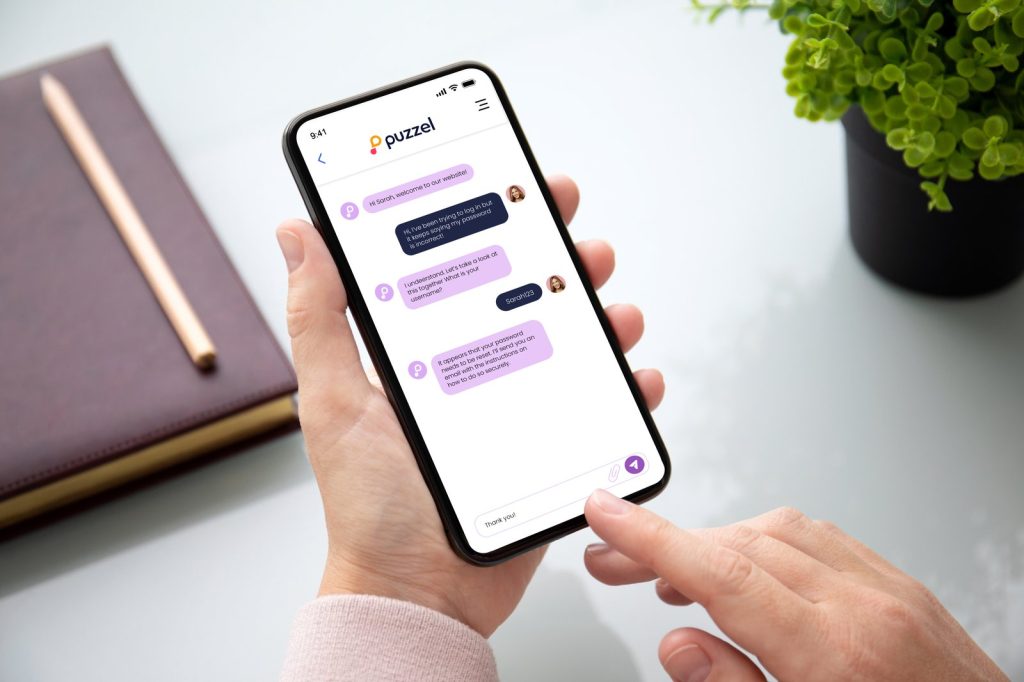
Equally important is the aspect of personalization. Advanced data analytics allows chatbots to provide tailored responses based on individual customer profiles and previous interactions. This personalization enhances the customer experience by making interactions feel more relevant and engaging. For instance, a user whose shopping history indicates a preference for eco-friendly products might receive tailored recommendations prominently featuring such items, potentially increasing conversion rates.
Future Implications
As intelligent chatbots continue to evolve, their influence on customer engagement and communication strategies becomes more pronounced. Businesses in the United States and globally are in an intense race to adopt these technologies, as they underscore a move towards a future where digital interaction predominates. However, engaging with the complexities of NLP and addressing the ethical implications related to bias and privacy is vital for building sustainable, trustworthy AI systems.
In summary, the landscape of intelligent chatbots is defined by both its opportunities and challenges. As technology advances, staying informed about these dynamics will be crucial for any business looking to implement effective, ethical, and engaging customer communication tools.
DISCOVER MORE: Click here to dive deeper
Technological Advancements Shaping Chatbot Development
As the pursuit of creating intelligent chatbots intensifies, various technological advancements are paving the way for improved functionality and user experience. Chief among these developments is the rise of deep learning algorithms, which enhance the ability of chatbots to process and understand human language more effectively. These algorithms allow chatbots to decipher complex sentence structures, enabling them to provide contextually relevant responses based on user intent. For example, a chatbot that utilizes advanced algorithms can distinguish between a user asking for a product recommendation and the same user requesting a refund, thus tailoring its replies accordingly.
Moreover, the advent of transformer models, such as BERT and GPT-3, has revolutionized NLP applications, significantly improving the performance of chatbots. These models analyze the relationships between words in a sentence, allowing chatbots to understand nuances and contextual clues more accurately. As businesses leverage these sophisticated models, they can create chatbots that engage in more natural conversations, reducing the frustration users often experience when interacting with less advanced systems.
However, transitioning to these next-generation technologies is not without its challenges:
- Resource Intensive: Deep learning models require vast amounts of training data and computational power. This can be a barrier, especially for smaller companies that may lack the necessary infrastructure or resources.
- Ongoing Maintenance: As NLP technologies evolve, keeping chatbots up to date requires continuous effort. Developers need to ensure that their systems incorporate the latest advancements to remain competitive and effective.
- Integration Complexity: Merging advanced NLP capabilities with existing customer service frameworks can be intricate. Businesses must navigate various platforms and protocols to create a seamless user experience.
Despite these hurdles, the investment in intelligent chatbot technologies shows promising returns. For instance, a study by Research and Markets indicates that the global chatbot market is expected to grow from $2.6 billion in 2020 to $9.4 billion by 2024, reflecting a compound annual growth rate (CAGR) of 29.7%. This growth highlights the increasing recognition of chatbots as valuable tools for enhancing customer engagement and satisfaction.
Additionally, as organizations gather more data through interactions with chatbots, they can fine-tune their services to better meet consumer demands. By employing machine learning techniques, chatbots can analyze past conversations and learn from user feedback, ultimately improving their response accuracy and overall performance. This iterative learning process not only leads to better customer interactions but also contributes to the reduction of operational costs, as enhanced efficiency means fewer resources are needed to manage customer follow-ups.
In this dynamic landscape of chatbot development, understanding the finer intricacies of NLP is key for businesses. By weighing the opportunities against the challenges and investing in the right technologies, organizations can position themselves at the forefront of a rapidly evolving field. Thus, the journey of developing intelligent chatbots is not merely a technical endeavor but also a strategic business decision that could redefine customer engagement in the years to come.
Development of Intelligent Chatbots: Challenges and Opportunities in the Use of NLP
As we delve deeper into the development of intelligent chatbots, it is essential to highlight both the challenges and opportunities that arise from utilizing Natural Language Processing (NLP). The technology behind chatbots has evolved remarkably, yet it is not without its hurdles. One prominent challenge lies in the understanding of context. Chatbots often struggle to grasp subtle nuances in human conversation, such as sarcasm or idiomatic expressions, leading to miscommunication. This limitation can alienate users and hinder the overall effectiveness of customer service interactions.On the other hand, the opportunities presented by NLP are substantial. Enhanced user engagement through empathetic responses is a significant benefit of well-designed chatbots. When equipped with advanced NLP algorithms, chatbots can simulate human-like interactions, creating a more personalized experience. This capability not only increases customer satisfaction but can also result in improved brand loyalty.Moreover, the scalability of chatbots is a game-changer for businesses. Implementing an intelligent chatbot system means that organizations can handle a vast number of inquiries simultaneously without compromising on service quality. This aspect reduces operational costs while ensuring that customers receive immediate support.Furthermore, as the technology continues to improve, the accuracy of NLP models is expected to enhance, bridging the gap between human communication and digital interfaces. Companies investing in this space stand to gain a competitive edge through access to invaluable customer insights, analyzing conversations for trends and preferences.As the quest for advancements in chatbot technology progresses, embracing the challenges and recognizing the opportunities will be pivotal for any organization hoping to leverage this transformative tool in their customer service strategy.
| Category | Description |
|---|---|
| Understanding Context | Chatbots often misinterpret nuances like sarcasm, which impacts communication. |
| User Engagement | Personalized responses enhance the interaction experience and increase customer satisfaction. |
Continuous advancements in NLP technology are paving the way for future developments in intelligent chatbots, representing a landscape rich with potential for innovation and improved interaction.
DISCOVER MORE: Click here for deeper insights
Ethical Considerations and User Trust in Chatbot Interactions
As intelligent chatbots become increasingly integrated into customer service and other sectors, the issue of ethical considerations emerges as a crucial topic. While the advancement in Natural Language Processing (NLP) enhances the ability of chatbots to engage users, it also raises significant questions surrounding privacy, bias, and transparency. One of the primary concerns is how data collected from interactions is handled. Users expect their conversations to remain confidential, but many are unaware of how their data is used and stored. Therefore, organizations deploying chatbots must prioritize data privacy regulations such as the General Data Protection Regulation (GDPR) or the California Consumer Privacy Act (CCPA) to maintain user trust.
Another pivotal aspect relates to the potential biases embedded in chatbots. If the training data reflects historical prejudices or inequities, the chatbot risks reproducing those biases in its responses. This can lead to discriminatory experiences for users and potentially harm a company’s reputation. In response, developers must engage in rigorous testing and continuous retraining of chatbots using diverse datasets to minimize bias and ensure inclusivity in responses. Such diligence not only fosters a more equitable user experience but also enhances the brand’s image in a socially conscious marketplace.
For organizations looking to deploy intelligent chatbots, cultivating user trust is paramount. Users should be made aware when they are conversing with a chatbot versus a human representative. Clear communication about the chatbot’s capabilities and limitations can manage user expectations, thereby preventing frustration. Features like transparency in decision-making processes—such as explaining how responses are generated—can help build rapport and confidence between users and automation.
The utilization of conversational design techniques can greatly enrich user experience, making interactions with chatbots more intuitive. Developers are increasingly adopting human-centered design principles, ensuring chatbots communicate in a friendly and relatable tone. For instance, instead of responding with robotic and monotonous phrases, intelligent chatbots can employ humor, empathy, and conversational cues that mirror human interactions. This approach not only adds personality but also engages users on an emotional level, significantly enhancing their overall experience.
Furthermore, there is a growing interest in using sentiment analysis to gauge user emotions during interactions. By analyzing language patterns and feedback, chatbots can adapt their responses based on the perceived emotional state of the user. This sensitivity to user emotions not only improves customer satisfaction but also fosters a deeper connection, prompting users to return for future interactions. As noted by Gartner, chatbots that harness sentiment analysis are expected to enhance user satisfaction rates by up to 25% by 2025.
The journey towards developing intelligent chatbots is as much about understanding the human element as it is about advancing technology. Organizations that can navigate these ethical considerations and invest in user trust-building strategies stand to reap notable benefits. By doing so, they not only transform customer engagement but also pave the way for more responsible and impactful use of technology in the years to come.
DIVE DEEPER: Click here to learn more about RNN applications in NLP
Conclusion: Navigating the Future of Intelligent Chatbots
The development of intelligent chatbots signifies an exciting frontier in the intersection of technology and human interaction. As organizations embrace Natural Language Processing (NLP) as a tool for enhancing customer engagement, they face a dual-edged sword of challenges and opportunities. Addressing ethical considerations is no longer optional; it is essential. Issues surrounding data privacy, bias in algorithmic responses, and user trust are paramount in ensuring that chatbots serve their intended purpose without compromising the consumer’s rights or experiences.
Moreover, innovations in conversational design and tools such as sentiment analysis are revolutionizing the way chatbots engage with users. By prioritizing a human-centric approach, developers can create chatbots that resonate on an emotional level, enhancing user satisfaction and loyalty. These advancements not only improve interaction quality but also solidify a brand’s reputation as socially responsible and customer-focused in an increasingly competitive landscape.
Looking ahead, the landscape of intelligent chatbots will continuously evolve, further intertwining with advancements in AI and machine learning. Organizations that proactively address ethical challenges while optimizing opportunities for innovation will lead the charge in creating smart, empathetic chatbots capable of fostering meaningful interactions. In essence, the future of intelligent chatbots holds the promise to not only change how businesses communicate with customers but also how humanity interacts with increasingly advanced technologies.


 Linda Carter