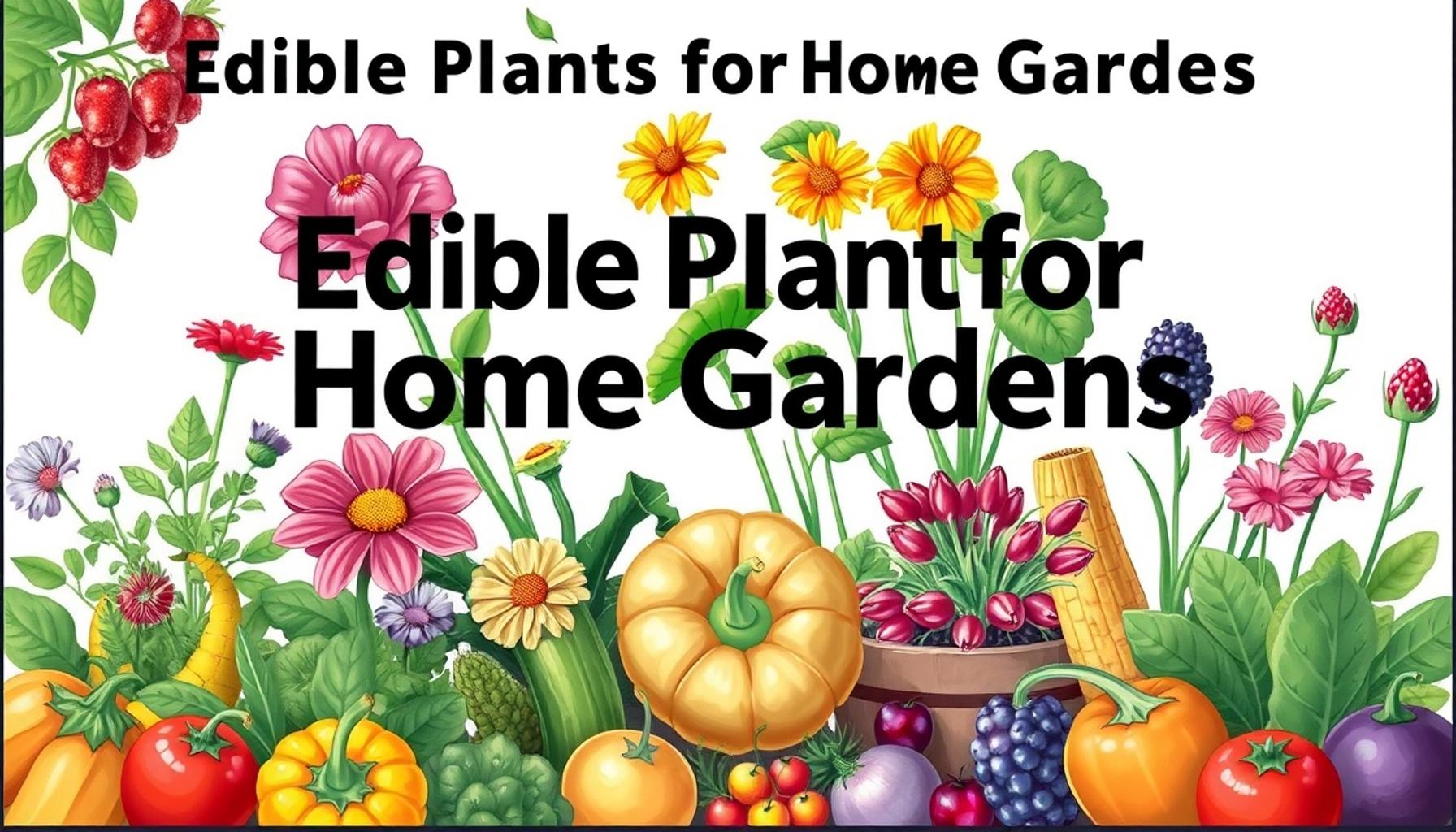
Edible Plants for Home Gardens: Choosing the Best Fruits and Vegetables for New Gardeners
Unveiling the Delight of Home Gardening
Diving into home gardening can offer a fulfilling sense of accomplishment, though it may initially seem daunting. The variety of edible plants available can be overwhelming for beginners. Selecting the right fruits and vegetables is pivotal for ensuring a successful growing experience. Here, we will explore essential factors to consider when planning your garden that will make your journey into gardening both enjoyable and productive.
Before planting, it’s crucial to assess compatible environmental factors:
- Climate Compatibility: Understanding your USDA plant hardiness zone is essential. For instance, gardeners in Zone 5 can grow expansive selections of cold-tolerant vegetables, such as kale or Brussels sprouts, whereas warmer zones may favor heat-loving crops like peppers and eggplants.
- Space Availability: Evaluate your available space, whether it’s an expansive backyard, a compact balcony, or even a windowsill. Container gardening can transform small areas into lush gardens, allowing you to grow plants like herbs or dwarf tomato varieties, which thrive in limited space.
- Light Conditions: Different plants have varying sunlight requirements. Some vegetables, such as spinach and lettuce, prefer partial shade, whereas others, like zucchini and peppers, thrive in full sun. Ensure you can provide the necessary light to match the needs of your chosen crops.
To foster a positive experience, starting with easy-to-grow vegetables can lead to quick satisfaction and encourages further exploration in gardening. Some popular choices for new gardeners include:
- Tomatoes: Renowned for their exceptional taste, tomatoes come in numerous varieties suitable for salads, sauces, and snacks. They can be grown in pots and garden beds alike.
- Radishes: These root vegetables are extremely fast-growing, with some varieties maturing in as little as three weeks. Their quick growth can keep beginners motivated and engaged.
- Lettuce: A salad staple, lettuce not only grows quickly but can also be harvested multiple times. By practicing cut-and-come-again techniques, gardeners can enjoy fresh greens all season long.
Fruits can enrich your gardening experience. Consider growing strawberries, blueberries, and raspberries. Not only are these berries delicious and versatile, but they also tend to thrive in various temperate climates across the U.S. Regular maintenance and proper watering can produce bountiful harvests, providing sweet, fresh treats throughout the summer.
Ultimately, your choices of edible plants create the foundation of your flourishing garden. An informed approach can result in not just abundance but a sense of connection with nature. As you navigate the world of home gardening, take time to learn about your local climate, explore different varieties, and enjoy the process of growth. Discovering the right plants for your space will lead to a rewarding and joyful gardening adventure.
LEARN MORE: Click here to discover how to manage pests in your garden!
Finding the Right Edible Plants for Your Garden
As you embark on your gardening adventure, selecting the ideal edible plants tailored to your environment and preferences can significantly enhance your experience. Beyond mere aesthetics, the choice of fruits and vegetables will significantly influence not only the success of your garden but also the joy derived from nurturing your plants and eventually harvesting their rewards. To simplify your decision-making process, consider the following key categories of edible plants that cater to the diverse needs of novice gardeners.
Vegetables that Thrive with Minimal Care
For beginners, choosing vegetables that are forgiving and resilient can streamline the transition into gardening. Certain vegetables are particularly well-suited for new gardeners due to their ease of cultivation and quick growth rates. Some standout choices include:
- Carrots: These root vegetables are perfect for novice gardeners. They can be sown directly into the soil, require minimal maintenance, and are ready to harvest in about two to three months. Their ability to thrive in various soil types makes them a reliable option.
- Green Beans: Producing a bountiful yield, green beans are one of the easiest vegetables to grow. They can be planted directly in the soil and, with the right support, such as trellises, flourish beautifully while providing edible pods within six to eight weeks.
- Potatoes: Not only are potatoes a staple in many American diets, but they also adapt well to home gardens. Beginner gardeners can plant seed potatoes in the ground or even in containers—resulting in a nourishing crop with minimal effort.
Fruits for Every Gardener’s Palette
Adding fruits to your garden can be equally rewarding, as nothing beats the taste of freshly picked produce. Many fruits are surprisingly easy to grow, making them an excellent choice for newbies. Here are a few that thrive in most regions:
- Apples: With numerous varieties available, apple trees can suit various climates and soil types. While they may take longer to establish, the payoff of homegrown apples is well worth the wait.
- Peaches: Known for their juicy texture and sweet flavor, peach trees can flourish in warm climates. With proper care, they can yield an abundance of fruit during the summer months.
- Blackberries: These berry bushes are vigorous growers, producing sweet fruits even in less-than-ideal conditions. They can be grown in containers or directly in the garden and offer a delightful harvest for jam, desserts, or snacking.
Incorporating both vegetables and fruits into your home garden creates a diverse and sustainable ecosystem. As you experiment with different plants, pay attention to their unique growing requirements, which will help you refine your gardening skills and deepen your connection with nature. Ultimately, the right choices in edible plants can transform your home garden into a source of nourishment and delight, fostering a lifelong passion for cultivate gardening adventures.
| Category/Plant | Advantages & Benefits |
|---|---|
| Herbs | Easy to grow and versatile for cooking, herbs like basil and mint enrich dishes with fresh flavors. |
| Leafy Greens | Quick yields make leafy greens such as spinach and lettuce ideal for new gardeners aiming for immediate results. |
| Root Vegetables | High nutritional value and storage capabilities make carrots and potatoes popular choices for home gardening. |
| Berries | Deliciously rewarding, berry plants like strawberries and blueberries provide sweet snacks with minimal maintenance. |
Selecting the right edible plants for your home garden as a new gardener can seem challenging, but understanding the benefits of each category is crucial. Starting with herbs can elevate your culinary skills, while leafy greens offer the satisfaction of quick harvesting. Don’t overlook root vegetables, which prove to be nutritional powerhouses and can last through the winter. And who could resist the sweetness of freshly picked berries? Each of these options is not only rewarding but also helps cultivate a deeper connection to the food you grow. Engaging with your garden allows you to experience the joys of gardening firsthand and encourages a self-sustaining lifestyle. Dive into the world of edible plants and transform your home garden into a bountiful source of nutrition and enjoyment.
DIVE DEEPER: Click here to discover low-maintenance plants
Herbs to Elevate Your Culinary Experience
In addition to fruits and vegetables, incorporating a few herbs into your home garden can elevate your cooking and provide a fresh flavor that you won’t find in store-bought options. Herbs are often easy to grow and can be harvested throughout the growing season, allowing new gardeners to experiment with various culinary creations. Here are some herbaceous selections that are friendly to beginners:
- Basil: A favorite in various cuisines, basil thrives in warm weather and well-drained soil. It’s perfect for sunny spots in your garden or even on a kitchen windowsill. With regular watering and pinching back the flowers, you can harvest fragrant leaves all summer long for pestos, salads, and sauces.
- Chives: These perennial herbs are not only hardy but also known for their mild onion flavor. Chives are highly adaptable to different growing conditions and can often be found alongside flowers or vegetables. Plus, their decorative purple blooms are a pleasant addition to any garden.
- Mint: Mint is another resilient herb that can thrive in various environments. However, be cautious—it can spread vigorously if not restrained, so it’s best grown in containers. Its refreshing leaves are great for teas, cocktails, and garnishes, making it a versatile pick for the garden.
Understanding Your Growing Zone
When selecting edible plants for your home garden, understanding your USDA Plant Hardiness Zone is essential. This system assists gardeners in determining what plants are likely to thrive in their specific climatic conditions across the United States. For example, if you live in a warmer zone, you may have an easier time growing heat-loving plants like tomatoes and peppers, while cooler zones might favor crops like kale and radishes. Make sure to check local resources or the USDA website to narrow down your best options based on your geographical location.
Space Considerations and Container Gardening
New gardeners should also assess how much space they have for their garden. If space is limited, container gardening can be an effective solution. Nearly all of the vegetables and herbs mentioned can be successfully grown in pots or raised beds. Container gardening allows you to manage soil quality and moisture levels more easily, leading to healthier plants. Moreover, it opens up options for growing edible plants in unconventional spaces like balconies, patios, or even small yards.
When selecting containers, ensure they have proper drainage and are large enough to accommodate the roots. Terracotta pots, for example, are a classic choice that aids in drainage and heat management, making them ideal for growing herbs and vegetables alike.
Seasonal Planting for Continuous Harvests
Lastly, planning for seasonal planting can enhance your gardening experience. Stagger your planting schedule to ensure a continuous harvest of your favorites. For instance, sow seeds for quick-growing crops like radishes or lettuce every few weeks during the growing season. This technique, known as succession planting, not only maximizes garden space but also keeps your kitchen brimming with fresh produce.
The art of gardening involves a rich tapestry of growing edible plants that suit your taste preferences and gardening style. By embracing herbs, understanding your growing zone, considering space limitations, and planning for seasonal crops, you can create a vibrant and rewarding home garden that flourishes year after year.
DISCOVER MORE: Click here for low-maintenance plant tips
Conclusion: Cultivating a Thriving Edible Garden
Embarking on the journey of cultivating edible plants in your home garden is not only an enriching experience but also an opportunity to nurture a sustainable source of fresh produce. By carefully selecting a mix of fruits, vegetables, and herbs that align with your culinary tastes, growing conditions, and space availability, you can create a bountiful oasis right in your backyard or on your balcony.
As a new gardener, understanding your light and growing zone needs, adapting your approach to the available space, and embracing innovative methods like container gardening or seasonal planting can significantly ease your gardening journey. The beauty of home gardening lies in its accessibility; even the smallest spaces can yield great results if approached with creativity and care.
Additionally, cultivating edible plants encourages a deeper connection to your food and promotes healthy eating habits, as you enjoy the fruits of your labor. As you experiment and grow, consider documenting your progress—they may yield insights into what works best for your unique garden environment. Ultimately, the fruits of your effort will not only enrich your meals but will provide a sense of accomplishment that transforms you into a confident and seasoned gardener over time.
So, roll up your sleeves, dig into the soil, and let your culinary adventure blossom as you embrace the joys of gardening. Your tasty produce awaits!