Exploring the Benefits of Drip Irrigation for Home Gardeners
Exploring the Benefits of Drip Irrigation for Home Gardens
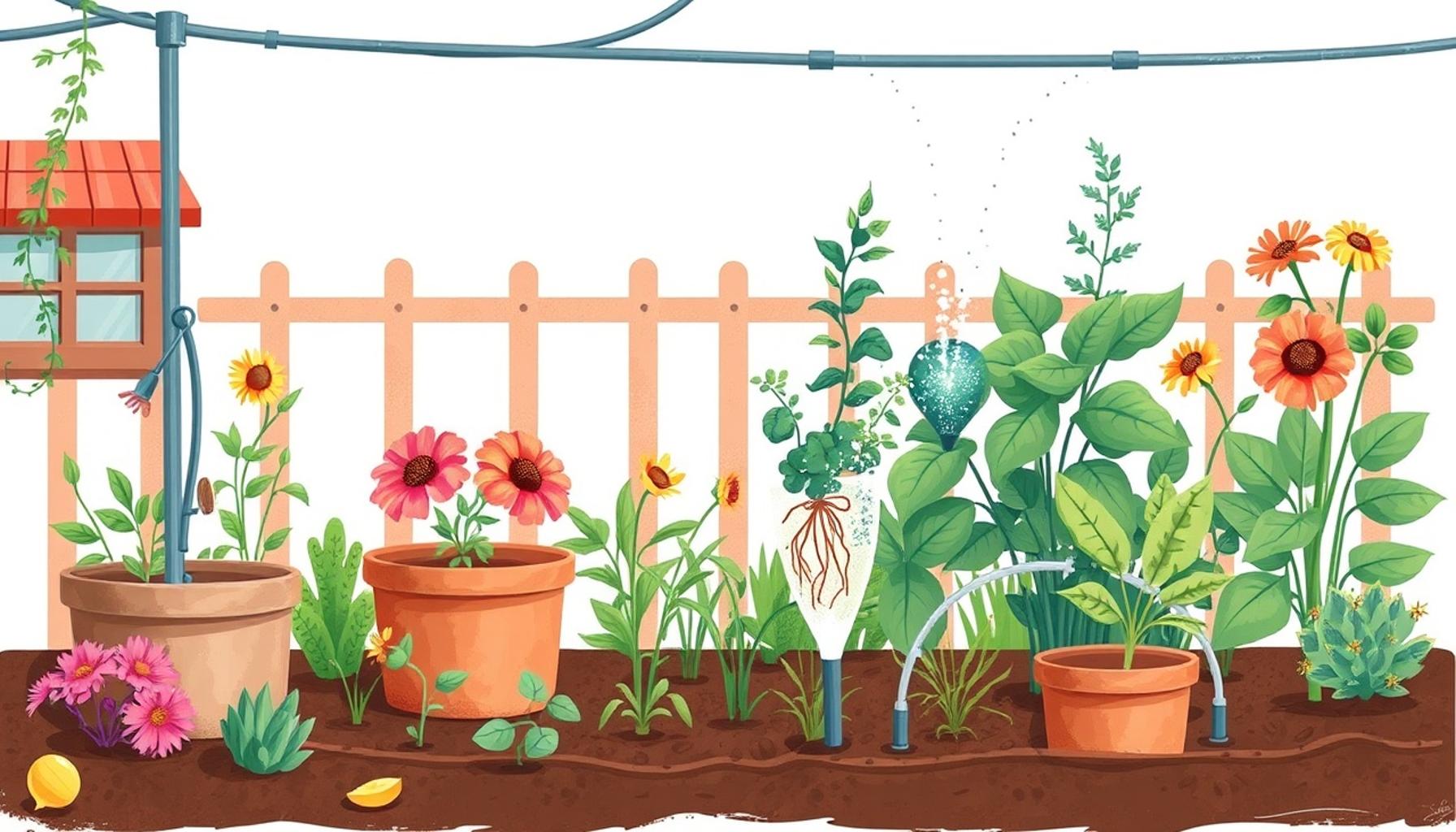
Drip irrigation has emerged as a preferred irrigation method among home gardeners seeking efficient techniques to cultivate their plants. This innovative watering system functions by conservatively delivering water directly to the root zones of plants, thereby ensuring a more tailored and effective application of water. As gardeners across various landscapes experiment with this technology, understanding its distinctive advantages is crucial for maximizing gardening success.
One of the standout features of drip irrigation is its water efficiency. Traditional sprinkler systems can waste a significant amount of water through evaporation and inefficiencies, whereas drip irrigation can use up to 50% less water. This efficiency is particularly important in regions experiencing drought or water shortages, helping homeowners conserve this precious resource while still maintaining vibrant gardens.
In addition to its water-saving benefits, drip irrigation provides targeted delivery of moisture. Unlike sprinklers that spray water over a wide area (often soaking pathways and driving up water consumption), drip systems concentrate hydration exactly where it’s needed most—at the roots of the plants. This precision not only enhances moisture retention but also significantly reduces waste due to runoff and evaporation, resulting in healthier plants without the excess expenditure of resources.
Moreover, the precision of drip irrigation contributes to a reduction in weed growth. Since only the plants receiving water are nourished, the surrounding soil remains drier, making it more challenging for weeds to establish themselves. This direct benefit offers gardeners both time savings on weeding and a reduction in the need for herbicides, promoting a cleaner and more natural gardening approach.
Consistent moisture provided by drip irrigation can lead to improved plant health. Regular watering encourages robust nutrient absorption and can significantly enhance plant growth and yields. The combination of less stress on plants and optimal nutrient uptake can create a flourishing garden that might not be achievable with more traditional watering methods.
As more home gardeners in the United States embrace drip irrigation, understanding the essentials of installation, troubleshooting, and maintenance becomes important. Homeowners can explore the various components of a drip system, such as emitter sizes and hose types, to tailor their setup to their garden’s specific needs. By investing time and effort into learning about drip irrigation, gardeners can not only enhance their gardening experiences but also become responsible stewards of water in their communities.
In conclusion, drip irrigation is more than just a trend; it represents a significant shift toward sustainable gardening practices. With its efficiency, targeted delivery, and positive impact on plant health, it stands out as a worthwhile investment for anyone seeking to cultivate greenery in the face of shifting climatic realities.
DON’T MISS: Click here to discover the best gardening tools
The Advantages of Drip Irrigation: Water Conservation and Healthier Gardens
For home gardeners looking to optimize their watering practices, understanding drip irrigation systems unveils a plethora of benefits that traditional methods simply cannot match. One crucial aspect to consider is the system’s ability to minimize water usage, significantly impacting both water bills and the environment. By directing water straight to the plant’s roots through a network of tubes, emitters, and timers, drip irrigation systems can deliver a controlled amount of moisture, leading to up to 50% water savings compared to conventional irrigation techniques.
Water conservation is not just an abstract benefit; it translates into tangible savings for homeowners. In states grappling with water scarcity, such as California and Texas, adopting drip systems can be a crucial step toward both economic efficiency and environmental responsibility. By utilizing drip irrigation, gardeners contribute to sustainable practices, ensuring that their precious resources are used wisely while still nurturing vibrant gardens.
Another prominent benefit of drip irrigation is its capability for customized watering schedules tailored to the specific needs of different plants. Home gardeners can adjust their systems based on seasonal changes, plant growth stages, and environmental factors, ensuring that each plant receives the optimal amount of moisture. This customizable feature is vital for gardeners who cultivate a variety of plants, as it allows them to fine-tune their watering methods. Below are some advantages related to customized watering:
- Flexibility: Gardeners can schedule watering times to avoid peak sunlight hours, thus minimizing evaporation.
- Plant-Specific Needs: Different plants have varying moisture requirements; a drip system can accommodate these individual needs.
- Time Efficiency: Timers and sensors can automate watering, freeing gardeners from daily watering tasks.
In addition to conserving water and enabling precise watering, drip irrigation systems create a healthier growing environment for plants. By providing consistent moisture directly to root zones, plants experience less stress during dry spells. Furthermore, this system helps to prevent common soil problems, such as root rot and fungal diseases, which can arise from over-watering often associated with less efficient systems. Healthy plants, thriving in carefully regulated micro-environments, can lead to improved yields and a more fruitful gardening experience.
The integration of drip irrigation systems into home gardens is also associated with a reduction in labor. As weeds become less of a problem due to less water available in surrounding areas, gardeners find less time is spent on pesky maintenance tasks. This not only fosters a more enjoyable gardening experience but also promotes innovation in how gardeners allocate their time and resources.
Ultimately, drip irrigation stands as a transformative approach for home gardeners in the United States, who are increasingly aware of environmental issues and personal conservation efforts. The initial investment in equipment and setup pays dividends over time, both financially and in the health of the garden. In the next sections, we will delve deeper into installation tips, potential challenges, and the long-term viability of drip irrigation systems, further highlighting why they are an essential consideration for any modern home gardener.
Understanding Drip Irrigation for Home Gardeners
Drip irrigation is a highly efficient watering method that delivers water directly to the roots of plants, making it an attractive option for home gardeners.
| Advantage | Description |
|---|---|
| Water Efficiency | Drip irrigation minimizes evaporation and runoff, delivering water where it’s needed most, directly to the soil. |
| Reduced Weed Growth | By watering only the plants and not the surrounding soil, this system naturally discourages weed development. |
Utilizing drip irrigation can significantly enhance the efficiency of water use in gardening, thus helping to conserve resources while promoting healthy plant growth. Incorporating advanced methods like smart controllers can further optimize watering schedules based on specific plant needs. As this practice becomes more popular among home gardeners, the insights on its advantages reveal a transformative approach to sustainable gardening. Exploring these benefits can lead to healthier gardens with flourishing plants, while also being environmentally conscious. The potential ability to save both water and time is enough to spark interest in this revolutionary irrigation method.
DISCOVER MORE: Click here for essential irrigation techniques
Enhancing Plant Growth and Soil Health through Drip Irrigation
As home gardeners increasingly embrace drip irrigation systems, they discover that the benefits extend far beyond merely conserving water. One fascinating aspect of drip irrigation is how it promotes stronger plant growth and improves overall soil health. By providing moisture directly to the root zone, drip irrigation systems ensure that water reaches the most vital part of the plant, allowing for accelerated nutrient absorption and enhanced metabolism.
The scientific community has explored how consistent moisture levels in the soil can lead to deeper root systems. This abundance of moisture encourages plant roots to extend further into the soil profile, seeking out nutrients and establishing a robust foundation. Plants with well-developed root systems are better equipped to withstand drought conditions, pests, and diseases, ultimately contributing to a more resilient garden.
Moreover, the use of drip irrigation can lead to the development of a healthier soil ecosystem. When water is introduced gradually and at a consistent rate, it minimizes the risk of soil erosion and runoff, ensuring that valuable topsoil remains intact. This controlled irrigation method also supports beneficial microorganisms within the soil, which play a crucial role in breaking down organic matter and making nutrients available to plants. The biodiversity in soil, fostered by effective drip irrigation, can bolster the overall productivity of a garden.
Aside from the immediate advantages for plant growth, drip irrigation systems facilitate better nutrient management. Applying fertilizers through a technique known as fertigation allows gardeners to deliver nutrients directly to the root zone, further nurturing plant health. For example, liquid fertilizers can be mixed and administered through the drip system, ensuring that plants receive essential nutrients efficiently without the risk of runoff that can occur with traditional broadcasting methods. This precision can result in healthier vegetables, fruits, and flowers that are more vibrant and productive.
However, it’s important to note that while drip irrigation offers numerous benefits, some gardeners may encounter initial challenges during implementation. Understanding the specific layout of their garden, plant types, and soil conditions is critical for effective system installation. An evaluation of the local water quality can also play a significant role; gardeners in certain regions may need to mitigate issues such as high mineral content or chlorine to optimize system functionality. Conducting thorough research and perhaps consulting with experienced gardeners or professionals can help eliminate common pitfalls associated with setup.
Additionally, regular maintenance is essential to ensure that drip systems continue to function at peak efficiency. Emitting devices can become clogged with sediment or minerals over time, so maintaining a scheduled inspection can prevent disruptions in water delivery. By keeping a close eye on their systems and regularly cleaning or replacing components as needed, gardeners can maximize the long-term benefits of their investments.
The growing trend of adopting drip irrigation among home gardeners reflects a cultural shift toward sustainable gardening practices. As awareness of climate change and resource conservation efforts increases, many are eager to incorporate technologies that align with a more sustainable lifestyle. Understanding the advantages of drip irrigation not only benefits individual gardeners but contributes to a larger movement toward responsible land stewardship.
DIVE DEEPER: Click here to learn more about native plants for your garden</p
Conclusion: Embracing Drip Irrigation for Sustainable Gardening
In the journey of home gardening, the adoption of drip irrigation systems represents a vital step towards fostering not only plant vitality but also environmental sustainability. The numerous advantages of this method—ranging from enhanced plant growth and deeper root development to the promotion of a healthier soil ecosystem—illustrate its critical role in modern gardening practices.
As we navigate the complexities of climate change and water scarcity, drip irrigation emerges as a beacon of conservation technology. This approach not only conserves water but also minimizes the impact of nutrient runoff, thereby protecting local waterways from pollution. Furthermore, the ability to apply fertilizers through fertigation provides a precise and efficient method to nourish plants, leading to more productive gardens filled with vibrant fruits, vegetables, and flowers.
However, it is crucial for gardeners to invest time in the planning and maintenance of their drip systems. Understanding specific garden needs, local water quality, and regular system upkeep can make a significant difference in achieving optimal results. Engaging with experienced gardeners or local experts can provide valuable insights tailored to individual circumstances.
As we continue to learn and adapt in our gardening practices, embracing drip irrigation not only meets the demands of our personal gardens but also contributes to a larger movement of sustainable and responsible land stewardship. By leveraging this technological advancement, home gardeners can cultivate thriving green spaces while championing conservation efforts, ensuring that future generations can enjoy the beauty and bounty of nature.