
The Rise of Generative Neural Networks
In recent years, the digital landscape has witnessed a seismic shift, attributed largely to the advent of Generative Neural Networks (GNNs). These sophisticated algorithms utilize vast troves of data to produce outputs that are not only unique but also remarkably similar to human-generated content. This transformative technology is making waves across diverse industries, from film and music to journalism and advertising.
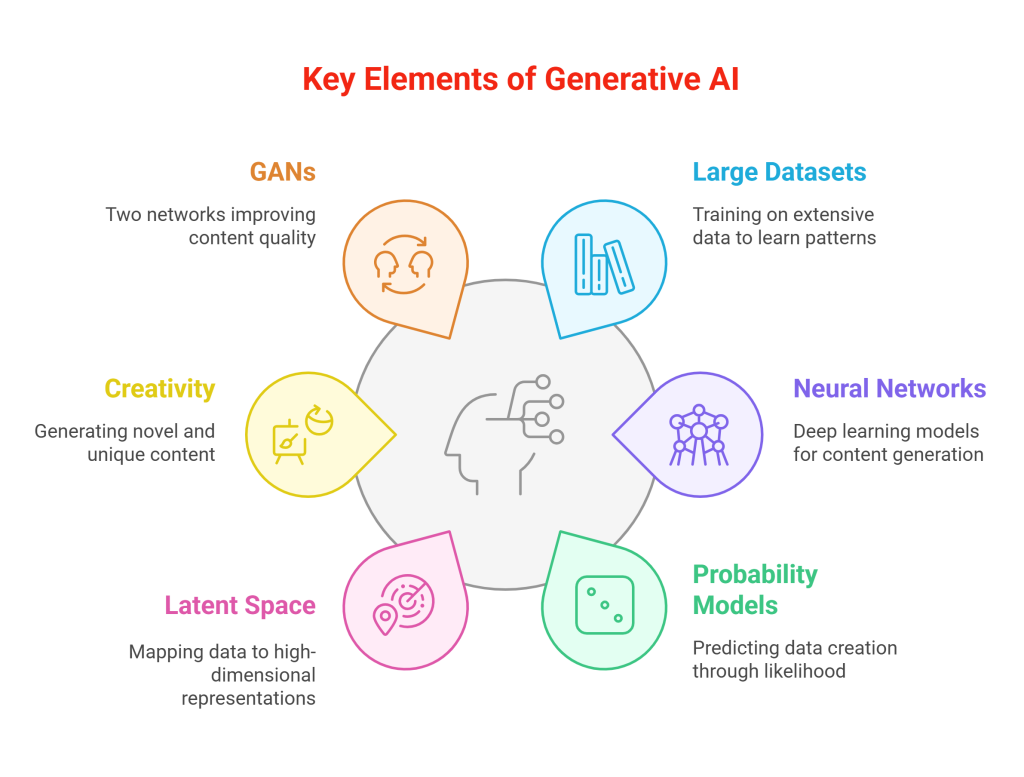
One of the standout qualities of Generative Neural Networks is their inherent creativity. For instance, AI models like OpenAI’s GPT-3 can generate original text that closely mimics human writing styles, making them valuable tools for authors and content creators. Likewise, GNNs are capable of producing stunning visual art, such as the works created by DALL-E, which can generate images from textual descriptions. The potential for AI-generated music is also noteworthy, with platforms like AIVA crafting compositions that are indistinguishable from those created by human musicians.
Another remarkable feature of these neural networks is their adaptability. They can be trained on specific datasets to cater to niche markets, allowing businesses to create tailored marketing materials that resonate with targeted audiences. For instance, a small local bakery could leverage a GNN to craft unique social media posts that incorporate local ingredients and seasonal flavors, thus enhancing customer engagement. This level of customization was previously unattainable and highlights the technology’s versatile applications.
Moreover, the efficiency offered by GNNs is revolutionary. Consider the implications for newsrooms: AI tools can rapidly produce articles, summarize information, or generate real-time data analyses, freeing human journalists to focus on investigative reporting or creative storytelling. This shift not only accelerates content production but also optimizes resources, particularly in an era where speed is critical.
The emergence of Generative Neural Networks also raises fascinating questions about authorship and creativity. Who truly owns an AI-generated work? As businesses increasingly rely on these technologies for content creation, the lines blur between human ingenuity and machine output. This dialogue touches on essential themes of authenticity and innovation in the digital age, prompting both creators and consumers to reconsider the nature of artistic expression.
As we delve deeper into the intricate world of Generative Neural Networks, it becomes clear that these algorithms are not just reshaping content creation; they are redefining our understanding of creativity itself. Join us as we explore further into this exciting landscape, examining how GNNs are carving out a new frontier in various sectors and what this means for the future of technology-driven artistry.
DIVE DEEPER: Click here to learn more about the ethical implications
Unleashing Creativity with Generative Neural Networks
The hallmark of Generative Neural Networks lies in their ability to mimic and innovate upon human creativity. With remarkable efficiency, these advanced algorithms analyze extensive datasets, learning intricate patterns to produce content that can range from emotive narratives to striking visual art. For businesses and creators alike, this represents a paradigm shift in how content is crafted, appealing to both traditional and modern audiences.
One of the most compelling applications of GNNs is in the realm of content generation. Here are some notable examples of industries where GNNs are making an impact:
- Film and Animation: Movies and animated features are increasingly incorporating AI-driven scripts and storyboards, enabling faster project timelines and more imaginative plotlines.
- Marketing and Advertising: GNNs can create personalized advertisement copy tailored to specific demographics, ensuring higher engagement rates and better conversion.
- Music Production: Artists are collaborating with AI, using GNNs to explore new compositions, soundscapes, and genres, enhancing their creative outputs.
- Visual Arts: Digital artists are leveraging GNNs to produce artwork that can differentiate their style or create entirely new visual experiences based on user input.
Consider the case of a well-known advertising agency that recently adopted generative AI in their promotional strategies. By integrating GNNs, they were able to significantly reduce costs and production time, while also giving rise to concepts that human teams might not have explored. This instance illustrates how businesses are enhancing their branding narratives and ensuring greater market alignment through technology.
Yet, the integration of Generative Neural Networks into various sectors brings about discussions around authenticity. Content generated by AI blurs the lines of originality and challenges existing notions about artistic ownership. When a GNN creates a captivating piece of writing or a breathtaking painting, questions arise: Is it the machine or the programmer who should claim credit? Furthermore, how do we value AI-created content in an environment that prizes human expression? This ongoing dialogue has implications that reach beyond mere aesthetics or intellectual property; it strikes at the core of what creative expression means in the 21st century.
In the next sections of this exploration, we will dive deeper into the implications of Generative Neural Networks, analyzing their profound effects on various industries and discussing how they reshape our understanding of creativity, collaboration, and innovation in an increasingly digital world. Join us as we uncover the potential and challenges of this remarkable technology.
Generative Neural Networks: Unleashing Creativity
The Role of Generative Neural Networks in Content Creation
Generative Neural Networks (GNNs) are transforming how we think about content generation across various platforms. Leveraging complex algorithms, they produce a wide range of unique content, from text to images and even music, updating the notion of what creativity can mean in a digital landscape. This rapid evolution showcases their importance in automating tasks traditionally thought to require human intuition.
Innovative Applications of GNNs
GNNs are not only enhancing creativity but also improving efficiency. Companies are utilizing these networks for everything from generating product descriptions to designing personalized marketing campaigns. For instance, brands harness GNNs to analyze consumer data and create customized content that resonates on a personal level. This data-driven approach leads to improved engagement, as tailored content often sees higher interaction rates.
Authenticity in Generated Content
One of the prominent fears surrounding AI-generated content is the potential lack of authenticity. However, GNNs are designed to learn from vast datasets, enabling them to produce content that closely mirrors human writing styles and preferences. This capability helps bridge the gap between machine-generated and organic content, enhancing user experience while maintaining a sense of originality.
| Advantages | Key Features |
|---|---|
| Enhanced Creativity | Generates unique and diverse content quickly. |
| Increased Efficiency | Reduces time spent on repetitive tasks. |
| Data-Driven Personalization | Creates tailored content based on audience insights. |
As we delve deeper into the world of generative neural networks, their potential applications seem limitless. From augmenting human creativity to setting new standards for content authenticity, GNNs could redefine how content is conceived and consumed.
DISCOVER MORE: Click here to delve into the ethics of machine learning
The Intersection of Art and Technology in GNNs
As we delve deeper into the potential of Generative Neural Networks, it becomes evident that these technologies do not merely serve as tools but are redefining the creative landscape. At the forefront of this transformation is the way GNNs can collaborate alongside human artists, musicians, and writers, offering an unprecedented fusion of art and technology. An intriguing manifestation of this collaboration is seen in platforms like OpenAI’s DALL-E and Google’s DeepDream, which allow users to create visuals based solely on textual inputs, thus blurring the traditional boundaries of artistic creation.
The use of Generative Adversarial Networks (GANs)—a subset of GNNs—has gained traction, particularly in fashion design and architecture. These sophisticated systems generate entirely new designs, pushing the envelope of innovation. The fashion house Balenciaga, for instance, is experimenting with GANs to create unique clothing patterns, blending traditional techniques with data-driven insights to craft the next generation of apparel that captivatingly merges artistic ingenuity and market demands.
Furthermore, the incorporation of GNNs in educational institutions is paving the way for the next generation of creative professionals. Art schools across the United States are beginning to teach tools and techniques that involve AI, equipping students with the skills to collaborate with these innovative technologies. Courses focused on generative design—encompassing visual arts, music, and literature—encourage students to harness AI tools to generate original ideas, thus instilling a sense of both creativity and technical savvy.
But the revolution brought forth by GNNs is not without its perils. Concerns regarding the authenticity of AI-generated content linger, especially as these neural networks become more adept at mimicking human-like styles. As companies rush to capitalize on GNNs for content creation, the challenge lies in preserving the integrity and originality of artistic expression. The nuanced discourse on copyright laws is intensifying, as stakeholders grapple with how to categorize the intellectual property created by machines. For example, a popular debate sparked when an AI-generated artwork sold for a staggering $432,500 at auction, raising questions about the true authorship and value of AI-generated art.
Moreover, the phenomenon of deepfakes, a technology that utilizes GNNs to create hyper-realistic alterations of video and audio content, highlights the ethical conundrums surrounding authenticity and trust in digital media. Discerning between real and AI-manipulated content poses significant implications for the entertainment industry, advertising, and journalism, necessitating a critical review of how we consume and interpret visual narratives. The rise of such content also calls for stronger regulatory frameworks, aiming to establish clarity in the realms of creative authorship and digital integrity.
As we witness these advancements, it is essential to recognize the dual role that GNNs play in not only enhancing creative practices but also challenging ethical conventions in the modern digital era. The transformative potential of these networks embodies both aspiration and concern, inviting society to thoughtfully engage in discourse regarding the future of creativity, ownership, and the very essence of artistic expression.
DIVE DEEPER: Click here to uncover more about machine learning in automation
Final Thoughts on Generative Neural Networks
In conclusion, the rise of Generative Neural Networks (GNNs) signifies a profound shift in how we perceive and engage with content creation. These advanced systems are not only revolutionizing the art and design landscape but also challenging our understanding of authenticity, ownership, and creative integrity. As GNNs enable artists, writers, and musicians to push the boundaries of innovation, they simultaneously raise critical questions about the nature of authorship in an era where AI can generate stunningly realistic works.
The intriguing collaboration between human creativity and AI opens doors for a new generation of artists who are being trained to work alongside these technologies. Educational institutions are increasingly embedding GNNs into the curriculum, equipping students with the skills to navigate this complex interplay of technology and artistry. Yet, the ethical implications cannot be overlooked; the complexities brought by deepfakes and AI-generated content demand a more nuanced understanding of trust in digital media.
As society embraces the possibilities presented by GNNs, we must remain vigilant and engaged in ongoing discussions about copyright, the definition of creativity, and the integrity of artistic expression. The future lies in finding a balance between leveraging the innovative capabilities of GNNs and preserving the essence of what makes art profoundly human. In the ever-evolving landscape of digital content, it is the dialogue surrounding these technologies that will ultimately shape the way we consume, create, and appreciate content in the years to come.


 Linda Carter