How Minimalist Aesthetics Contribute to Ease of Maintenance in Environments
The Allure of Minimalist Design
In contemporary society, where the hustle and bustle of life breeds stress, the appeal of minimalist aesthetics has grown exponentially. This architectural and design philosophy emphasizes the idea that “less is more,” creating spaces that promote tranquility and focus. Rooted in simplicity and clarity, minimalism taps into our inherent desire for order, cleanliness, and peace. The transformative power of minimalist design lies not just in its aesthetic qualities but also in the tangible benefits it offers regarding ease of maintenance.
Let’s delve deeper into the key benefits of minimalist aesthetics and how they contribute to a more harmonious living environment.
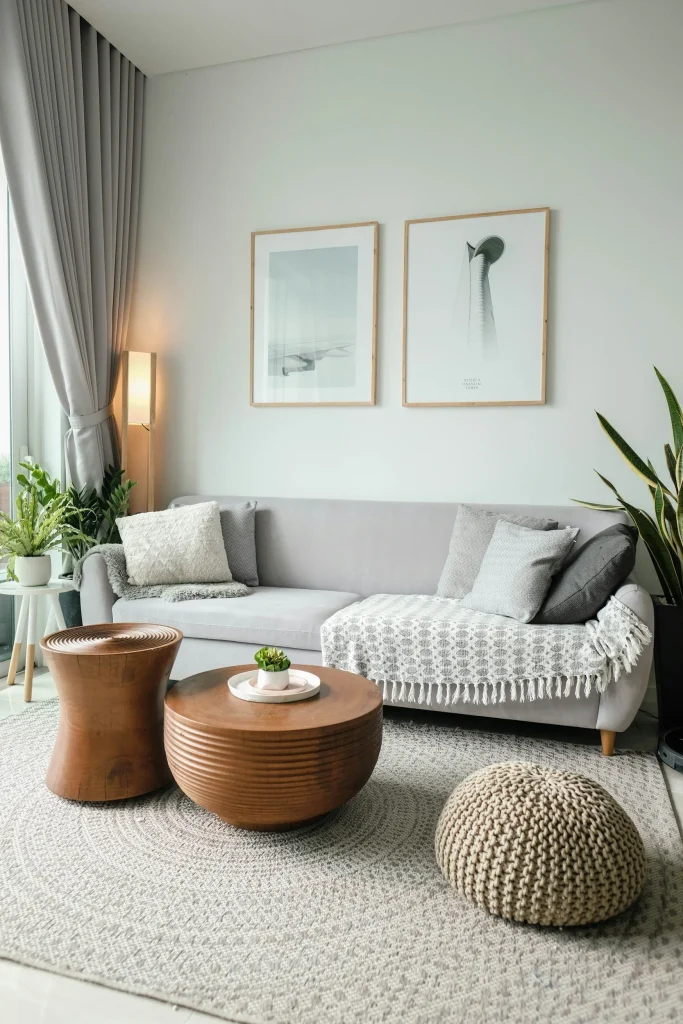
- Reduced Clutter: One of the biggest advantages of minimalism is the notable reduction of clutter. With fewer objects in a space, there is a decreased likelihood of dust accumulation—a significant win for allergy sufferers and anyone seeking a fresh atmosphere. For instance, a coffee table with only a few meticulously chosen decorative pieces not only attracts the eye but also simplifies the cleaning process.
- Functional Design: Each item within a minimalist space is thoughtfully selected, ensuring that it serves a distinct purpose. This intentional design approach discourages the accumulation of unnecessary items. For example, multi-functional furniture, such as an ottoman that doubles as storage, reinforces this philosophy while offering practical solutions for small living spaces often found in urban environments.
- Timeless Appeal: The understated elegance of minimalist design often transcends fleeting trends. Think of iconic details like a simple Scandinavian furniture piece, which can remain in style for decades, contrasting sharply with the need for regular updates associated with more complex designs. This durability means less consumer waste and fewer resources required to refresh interiors.
Moreover, color schemes play a pivotal role in minimalism. Utilizing neutral colors like whites, grays, and soft earth tones can create an illusion of space and airiness. These colors are not only calming but also versatile, allowing for easy integration of different decor elements over time. Likewise, furniture with clean, geometric lines eliminates visual noise, which can contribute to feelings of stress and overwhelm, helping individuals focus on what truly matters.
As you delve into the nuances of minimalist aesthetics, it becomes clear how adopting these principles can significantly enhance the quality of life. The intersections of design, functionality, and personal well-being come together beautifully in minimalist spaces.
Exploring this style may inspire you to reevaluate your surroundings. As you embark on your journey into minimalism, remember that these environments evoke a sophisticated simplicity that can lead not only to visually pleasing spaces but also to the liberation of time and energy for the things that matter most in life.
DISCOVER MORE: Click here to learn about balancing minimalism with functionality
Simplicity in Design: The Key to Reduced Maintenance
Minimalist aesthetics serve as a gateway to easier maintenance in various environments by championing simplicity. Incorporating clean lines and uncluttered spaces inherently reduces the amount of time and effort required to keep these areas pristine. The reduction in decorative elements translates not only into a visually calming environment but also translates into practical benefits when it comes to cleaning and upkeep.
One of the first aspects to consider is the impact of open spaces. Minimalist design often emphasizes open floor plans, which allow for better air circulation and natural light. When areas are unobstructed, it becomes significantly easier to conduct routine cleaning tasks. For example, in a minimalist kitchen, appliances can be cleverly integrated, allowing for smoother surfaces that are easier to wipe down and sanitize. A seamless, functional design minimizes the nooks and crannies where dust and grime tend to hide. This accessibility is particularly advantageous for families and busy individuals who seek effective, time-saving solutions for household maintenance.
Another pivotal factor lies in the material choices often found in minimalist environments. Durable materials—such as stainless steel, glass, or high-quality laminate—are frequently favored in minimalist design. These materials are not only aesthetically pleasing but also easy to clean and maintain. For instance, a minimalist bathroom featuring sleek, non-porous surfaces eliminates the need for extensive scrubbing, thus saving both time and effort in regular cleaning routines. Furthermore, the use of high-quality, resilient finishes reduces the frequency of repairs and replacements, contributing to the longevity of the space.
Moreover, embracing a neutral color palette enhances the appeal of a minimalist design. Shades of white, beige, and soft pastels are not only visually calming but also help to conceal minor stains and blemishes. When spills occur or dust accumulates, these hues tend to blend in, thereby reducing the urgency of cleaning. This adaptability allows residents to enjoy their environments without the constant pressure of maintaining a spotless appearance. In contrast, darker colors or heavily patterned decor can highlight imperfections, leading to an overwhelming sense of clutter and the need for more frequent maintenance.
Ultimately, the philosophy of minimalism provides a unique lens through which we can evaluate our living and working environments. Its emphasis on function and clarity promotes cleaner spaces that enhance our overall well-being. By prioritizing ease of maintenance as a fundamental aspect of design, minimalist aesthetics provide a practical solution for anyone seeking to simplify their surroundings. This design movement encourages us not only to rethink our approach to clutter but also to embrace the benefits of a more harmonious lifestyle.
- Open Spaces: Facilitates air circulation and ease of cleaning.
- High-Quality Materials: Durable and easy to maintain surfaces.
- Neutral Color Palettes: Conceal imperfections and reduce cleaning frequency.
As we explore minimalist aesthetics, it becomes clear that the principles of simplicity can profoundly impact our daily lives, making maintenance a breeze rather than a burden.
Exploring the Impact of Minimalist Aesthetics on Maintenance
Minimalist aesthetics not only define the visual appeal of a space but also play a crucial role in its upkeep. The effectiveness of a minimalist design stems from several factors that simplify cleaning routines and enhance the longevity of the environment. By reducing clutter and employing a well-thought-out selection of materials, minimalist environments can achieve a sophisticated yet easy-to-maintain aesthetic.
Key Factors Enhancing Maintenance
One of the primary advantages of a minimalist approach is its emphasis on functionality over ornamentation. Fewer decorative elements mean less dust accumulation, making routine cleaning both quicker and more efficient. For instance, surface areas that are devoid of unnecessary clutter can be wiped down in moments, whereas traditional environments with multiple objects require more time for thorough cleaning.Another essential aspect of minimalist design is the use of durable, easy-to-clean materials. Products made from high-quality finishes such as stainless steel, glass, or treated wood not only contribute to an elegant aesthetic but also withstand wear and tear better than typical, more decorative options. This inherent resilience allows for less frequent maintenance interventions and prolongs the lifespan of furniture and fixtures.Moreover, the open space that characterizes minimalist environments can encourage better air circulation, reducing issues tied to mold and moisture—common maintenance headaches in densely populated, cluttered settings. By promoting an airy feel, minimalism can significantly decrease the risk of allergens accumulating, thus engendering a healthier indoor environment.Through these various characteristics, minimalist aesthetics make it evident that simplicity is not merely a design choice but a smart approach to enhancing ease of maintenance. As we delve deeper into the principles of minimalism, it becomes clear that each detail plays a vital role in shaping a well-maintained, aesthetically pleasing environment.
| Category | Benefits |
|---|---|
| Reduced Clutter | Minimized dust accumulation leads to quicker cleaning. |
| Durable Materials | Longevity of fixtures reduces the need for replacements. |
The exploration of minimalist aesthetics reveals an intersection between elegance and functionality. As environments strive for cleaner, more maintainable solutions, minimalist design continues to offer significant advantages.
DISCOVER MORE: Click here for innovative space solutions
Streamlined Utilities and Smart Technology Integration
In addition to foundational elements like open spaces and high-quality materials, another noteworthy aspect of minimalist aesthetics is the integration of streamlined utilities and smart technology. As our daily lives increasingly rely on advanced tech solutions, merging these innovations with minimalist design enhances maintenance ease while promoting efficiency. Smart home devices, such as thermostats, lighting systems, and security features, can be programmed for optimal performance that minimizes energy use, reducing utility costs and the frequency of manual adjustments.
For instance, in a minimalist living room, a smart thermostat can automatically regulate the temperature based on occupancy, ensuring comfort without the need for constant manual interference. Similarly, automated lighting systems can adjust brightness based on natural light levels, which not only adds convenience but also reduces the chance of bulb burnouts and the need for regular replacements. These forward-thinking utilities eliminate the inconvenience associated with traditional home systems, which often require frequent monitoring and adjustments, thus fostering a smoother living experience.
Moreover, the adoption of modular furnishings aligns perfectly with minimalist aesthetics, adding yet another layer of practicality. Modular furniture can be reconfigured or expanded based on individual needs, making it easier to adapt spaces without significant overhauls. This adaptability means that if a space requires a change—whether to accommodate more guests or to create a functional work-from-home area—the adjustments can be made with minimal effort. This foresight incorporates an essential element of design thinking, as it allows spaces to grow and flex with the changing dynamics of life.
On a broader scale, a commitment to sustainable practices is another principle embedded in minimalist aesthetics that benefits maintenance. By favoring energy-efficient appliances and sustainable materials, environments designed with minimalism in mind support eco-friendly living. This can translate into lower maintenance needs over time, as many sustainable products are engineered for durability and efficiency. For instance, a minimalist kitchen equipped with energy-saving appliances often boasts features that alert users to maintenance requirements, preventing issues before they become costly repairs.
- Streamlined Utilities: Smart technology reduces manual adjustments and enhances efficiency.
- Modular Furnishings: Easily adaptable furniture supports changing needs without extensive reconfiguration.
- Sustainable Practices: Energy-efficient products lower maintenance needs and support long-term cost savings.
Furthermore, the minimalist approach can be cultivated in commercial environments, where aesthetic simplicity translates into operational efficiency. In a corporate office designed around minimalist principles, the uncluttered spaces and integrated technologies enhance productivity while simplifying janitorial routines. With fewer items to clean and a focus on practicality, businesses can allocate their resources to core functions rather than maintenance hassles.
The layers of minimalist aesthetics are designed not only for visual appeal but also for tangible benefits that enhance the ease of maintenance across various environments. Emphasizing efficiency in design and technology integration empowers users to cultivate spaces that reflect their values while streamlining upkeep, making it a desirable choice for modern living and working conditions.
DISCOVER MORE: Click here to learn about the impact of color in design
Conclusion: Embracing Minimalism for Effortless Maintenance
In summary, the principles of minimalist aesthetics not only enhance the visual appeal of various environments but also create a compelling case for ease of maintenance. By prioritizing streamlined designs, individuals can significantly reduce the clutter that often complicates upkeep. The integration of smart technology within minimalist spaces is transformative, allowing for automated systems that manage functionality and sustainability effectively, thus minimizing the need for manual intervention.
The concept of modularity in furnishings brings an additional layer of adaptability. This means that as life’s demands change, so too can the space, without cumbersome renovations or excessive effort. Moreover, committing to sustainable practices not only supports the environment but also ensures that materials are long-lasting, which translates into lower maintenance over time.
Ultimately, minimalist aesthetics foster an environment where clarity and efficiency reign supreme, leading to improved functionality in both residential and commercial settings. As we continue to seek solutions that streamline our lives, minimalism stands out as a persuasive approach that advocates for a lifestyle marked by less stress and more tranquility. For those interested in cultivating more manageable spaces, exploring the tenets of minimalist design may prove to be a beneficial and rewarding endeavor.
Related posts:
Tips for Disposal and Organization to Maintain Simplicity and Avoid Clutter
Efficient Maintenance Strategies: How Minimalism Transforms Cleaning and Organization Routines
The Art of Simplifying: How Minimalism Eases the Maintenance of Personal Space
The Philosophy of Less is More: How Minimalism Reduces Maintenance Stress
The Role of Technology in Effortless Maintenance of Minimalist Lifestyles
Personal Organization Strategies to Reduce Maintenance Effort

Linda Carter is a writer and organization expert specializing in minimalism and personal organization. With extensive experience helping individuals create clutter-free, functional spaces and adopt mindful habits, Linda shares her knowledge on our platform. Her goal is to empower readers with practical advice and strategies to simplify their lives, stay organized, and achieve a sense of calm and balance in their daily routines.