How to Choose the Ideal Containers for Your Indoor Garden: Styles and Functionality
The Importance of Choosing the Right Containers
Creating a thriving indoor garden involves more than simply nurturing seeds and providing adequate sunlight; the selection of appropriate containers is essential for fostering successful plant growth. With an overwhelming variety of gardening pots and planters available, making the right choices can seem daunting. However, understanding the styles and functionality of various container types can empower you to approach this task with confidence.
Exploring Container Materials
One of the first considerations in selecting containers is the material from which they are made. The most common options include ceramic, plastic, metal, and biodegradable materials, each offering unique benefits:
- Ceramic: Renowned for its aesthetic appeal, ceramic pots can be intricately designed and are often heavy enough to provide stability for taller plants. However, they can be prone to cracking in extreme temperatures.
- Plastic: Lightweight and versatile, plastic containers are often more affordable and available in a myriad of colors and sizes. They also retain moisture well but may not be as visually appealing as ceramic options.
- Metal: Offering a modern touch, metal pots can be striking additions to any indoor garden. However, they can heat up quickly and may require additional care to prevent rust and corrosion.
- Biodegradable: Made from sustainable materials like coconut coir or peat, these eco-friendly options break down over time, enriching the soil but may need to be replaced more frequently.
Ensuring Effective Drainage
Drainage is another critical factor. Be sure to select pots with adequate drainage holes to prevent overwatering, which can lead to root rot and ultimately destroy your plants. Pots without drainage can accumulate excess water, suffocating plant roots and creating a breeding ground for mold and pests. Consider placing a layer of pebbles or gravel at the bottom of your pot for additional drainage efficiency.
Finding the Right Size
When determining the container size, consider the mature size of your plants. A pot that is too small will limit root growth and hinder nutrient absorption, while one that is excessively large may retain too much moisture, again damaging the roots. As a general guideline, choose pots that are one to two inches larger in diameter than the current pot your plant occupies, providing enough room for growth without risking overwatering.
Aesthetic Appeal and Personal Style
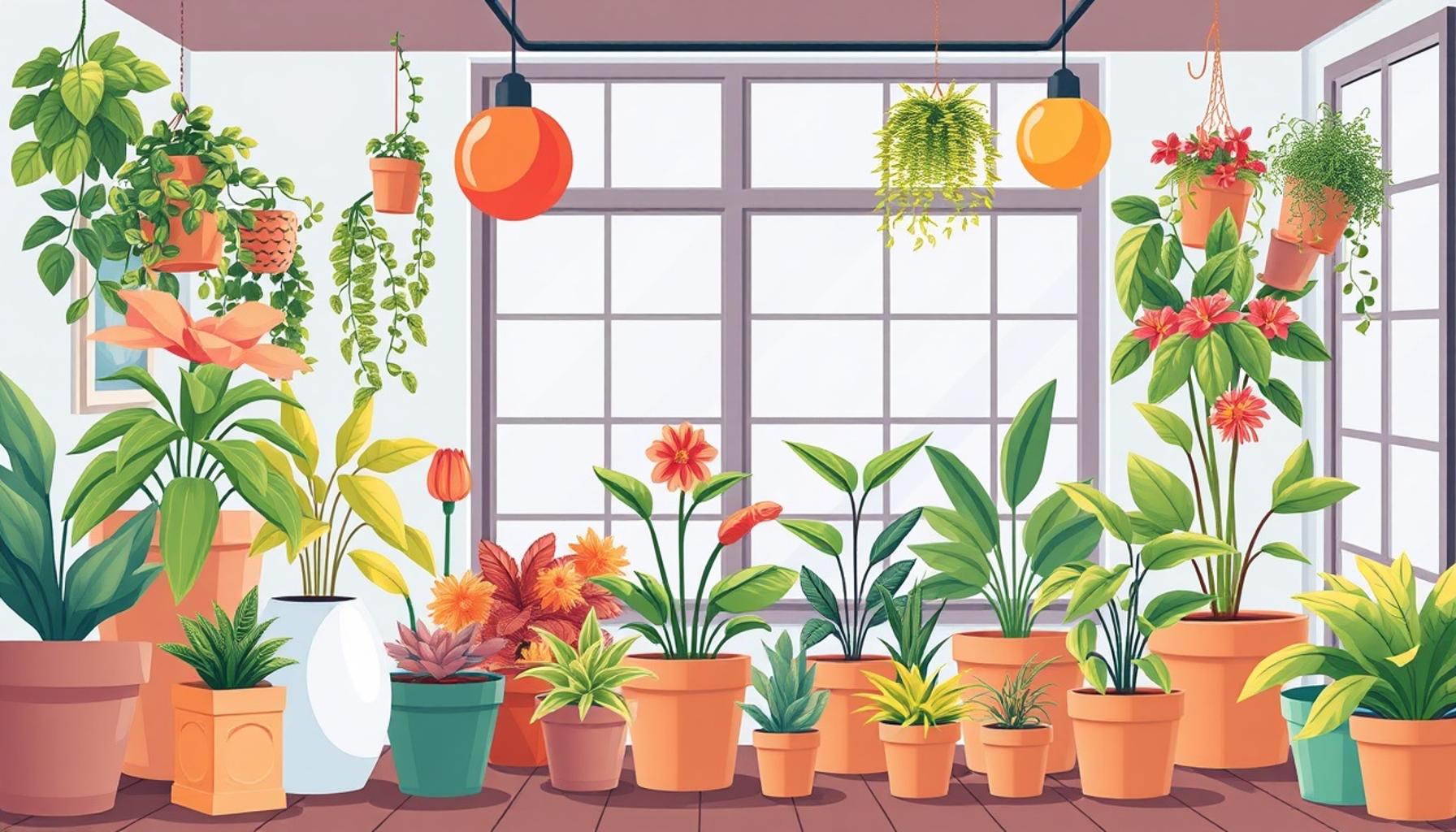
Beyond functionality, the aesthetic aspect of your indoor garden can significantly influence your living space’s ambiance. Choosing containers that align with your personal style allows you to create a visually appealing environment. Options range from modern minimalist designs—think sleek, monochrome pots—to rustic charm, featuring terracotta or weathered wood. Consider how your selection will fit into your existing decor:
- Color: Brightly colored pots can inject vibrancy into your space, while neutral tones tend to create a more calming atmosphere.
- Texture: Matte finishes exude a contemporary vibe, whereas glossy surfaces can add an element of elegance to your display.
- Shape: Traditional round pots, long rectangular planters, or even quirky geometric designs can serve as focal points, drawing attention to your indoor garden.
Ultimately, the ideal containers will find a balance between functionality and stylistic preferences. As you navigate the various options available, remember that the right choice offers more than just a home for your plants; it can transform your indoor space and elevate your gardening experience. By thoughtfully selecting your pots and planters, you pave the way for a flourishing indoor garden that reflects not only the vitality of your plants but also your unique sense of style.
DISCOVER MORE: Click here to learn about selecting the perfect plants for your climate
Understanding Container Types and Their Uses
To cultivate a successful indoor garden, it is imperative to not only consider the aesthetics but also the functionality of your chosen containers. Exploring various container types and their specific uses will enable you to create an environment conducive to healthy plant growth. Different plants have unique requirements, and understanding how container types can meet these needs is pivotal to your gardening success.
Classic Pot Shapes
When it comes to pot shapes, the traditional round and square varieties are popular choices. Each offers distinct advantages that can cater to the needs of various plant species:
- Round Pots: Typically favored for their ability to promote root growth evenly, round pots encourage plants to develop a robust root system, making them ideal for most indoor plants. The circular design allows for more surface area to maximize moisture retention.
- Square Pots: Square containers can be efficient for maximizing space, particularly if you have limited room. They fit neatly against walls or in corners and are often advantageous for growing herbs or smaller plants, which thrive in these compact arrangements.
Specialized Planters for Specific Plants
For more specialized gardening endeavors, consider containers designed for particular types of plants. For instance, self-watering pots come equipped with a reservoir at the bottom that allows plants to absorb moisture as needed. This is particularly beneficial for varieties like orchids or peace lilies that prefer consistent moisture but can suffer from overwatering.
If your focus includes growing edible herbs or salad greens, you might opt for vertical planters, which enable you to maximize vertical space while avoiding issues of soil erosion and water runoff. These planters come in stacked, multi-layered formats, providing optimal growing conditions for a variety of herbs like basil, parsley, and mint.
Mobility and Customization Options
Another important consideration is the mobility of your planters. If you anticipate needing to reposition your plants to follow sunlight or accommodate your interior design changes, look for containers with wheels or lighter materials that make them easy to move. Additionally, many planters now offer customizable features, such as interchangeable inserts or drip trays, which enhance their functionality and adaptability.
Choosing the right container is more than a mere aesthetic choice; it’s a crucial decision that will influence your plants’ growth and overall health. By understanding the nuances of different container styles and their functionalities, you can create an indoor garden that is both practical and visually enjoyable.
As you delve into the world of indoor gardening, selecting the appropriate containers plays a crucial role in creating a thriving environment for your plants. There are numerous factors to consider that can enhance both the aesthetic appeal and practical functionality of your indoor garden.First and foremost, consider the material of the containers. From ceramic to plastic, each material presents unique characteristics that can influence plant health. For example, ceramic pots are not only visually appealing but also provide excellent insulation for roots, while plastic pots are lightweight and often more affordable, making them a practical choice for larger arrangements or hanging baskets. Additionally, drainage is a vital aspect to consider. Overwatering is a common challenge among indoor gardeners, and selecting containers with proper drainage holes can significantly reduce this risk. Self-watering containers can offer an excellent solution, providing a consistent moisture level while preventing waterlogging. Another critical element is size. The size of your containers should be proportional to the plants you choose. Larger plants require more substantial root space, while smaller plants can thrive in petite pots. Keeping in mind the growth habits of your plants ensures they have adequate room to flourish. Another technique worth noting is incorporating layers within your containers. This method involves using different soil types or objects (such as stones or activated charcoal) at the base to enhance drainage and air circulation. Such practices not only promote better growth but also elevate the visual intrigue of your indoor space. Moreover, consider color and style to complement your home décor. Contemporary indoor gardens often utilize geometric shapes and vibrant colors to create a modern vibe, while vintage ceramic pots can evoke a sense of nostalgia. Choosing containers that resonate with your personal style can transform an ordinary space into a flourishing indoor garden that brings joy and tranquility.By understanding these essential factors when selecting containers, you can make informed decisions that enhance both the functionality and beauty of your indoor garden. Whether you opt for sleek modern designs or charming rustic styles, the ideal containers will serve as the foundation for your indoor plant haven. In light of these insights, create a harmonious synergy between the container styles and the plants you wish to cultivate, allowing your indoor garden to thrive in both health and aesthetics.
DISCOVER: Click here to get started on your indoor garden journey
Assessing Material Choices for Your Planters
Container material is a key factor that significantly impacts both the visual appeal and the functionality of your indoor garden. The right material can influence factors such as drainage, insulation, and how often you need to water your plants. As you dive deeper into your selection process, understanding the various materials will help you choose wisely.
Clay and Terracotta Pots
Traditional clay and terracotta pots are favored for their rustic looks and excellent breathability. These materials promote good drainage and allow air to circulate through the walls, providing a healthy environment for roots. However, they tend to dry out more quickly than other materials, which means you’ll need to monitor moisture levels closely. Clay pots are particularly well-suited for plants that prefer drier conditions, such as succulents and cacti.
Plastic and Resin Containers
Plastic pots, often made from lightweight materials, are a practical choice for indoor gardening. They come in various colors and designs, making them compatible with different decor styles. Furthermore, they retain moisture better than clay pots, making them suitable for plants that require consistent watering. However, keep in mind that cheap plastic containers may not offer the same durability and may fade over time when exposed to sunlight.
Alternatively, resin containers combine the lightweight properties of plastic with enhanced aesthetics, mimicking more traditional materials like stone or ceramic. Their durability and resistance to weathering make them ideal for indoor environments, but they can also be used outdoors. Many resin planters come equipped with built-in drainage features, making them versatile options for many plant species.
Metal Planters: Chic Yet Functional
Metal planters add a touch of modern sophistication to any indoor garden. Stainless steel and galvanized metal options provide a sleek look while ensuring durability. However, it’s crucial to consider that metal can heat up quickly and may require your plants to be watered more frequently to avoid excess moisture loss.
If you choose metal planters, make sure they have adequate drainage holes to prevent root rot. Additionally, incorporating liners made from burlap or felt can enhance moisture retention and protect roots from extreme temperature changes.
Eco-Friendly Alternatives
As sustainable gardening practices gain popularity, many gardeners are turning to eco-friendly container options. Biodegradable pots made from materials like coconut coir or recycled paper provide an environmentally-conscious choice for growing plants. Although they may not last as long as traditional containers, they support sustainability while providing adequate drainage and air circulation.
Furthermore, taking advantage of upcycling can offer unique container solutions. Items such as wooden crates, old teacups, or even repurposed storage bins can be transformed into fascinating plant holders. This not only helps in recycling but allows you to craft a highly personalized indoor garden.
When assessing container styles and materials, remember that the needs of your plants should take precedence. Each type of container comes with its advantages and potential drawbacks, so aligning your choices with the specific requirements of your indoor garden is essential to promote thriving growth.
DISCOVER MORE: Click here to learn about the best indoor plants
Conclusion: Making the Right Choice for Your Indoor Garden
Choosing the ideal containers for your indoor garden is a multifaceted decision that marries aesthetics with practical functionality. As we’ve explored, understanding the various materials—such as clay, plastic, metal, and eco-friendly options—along with their benefits and drawbacks is crucial for fostering a thriving indoor environment for your plants. The best containers not only enhance the visual attractiveness of your space but also cater to the specific needs of your greenery.
Remember that drainage, moisture retention, and insulation are fundamental aspects that can dramatically affect plant health. Selecting containers that align well with your plants’ requirements will promote robust growth and minimize maintenance challenges. For instance, if you are nurturing succulents, opt for terracotta for its breathability, while moisture-loving plants might thrive better in resin pots that retain water efficiently. Moreover, eco-friendly and upcycled options allow you to express creativity while supporting sustainability.
Ultimately, your indoor garden should reflect your personal style and enhance the ambiance of your space. Take the time to experiment with different container styles and materials, and don’t shy away from mixing and matching to create a unique garden aesthetic that resonates with you. By prioritizing both style and functionality, you can cultivate a flourishing indoor garden that is not only a serene escape but also a rewarding experience. As you embark on your indoor gardening journey, let these considerations guide your choices, leading you to a lush, vibrant oasis right in your home.