Incorporating Nature into Simplified Spaces: Biophilic Design for a Minimalist Home
The Intersection of Nature and Home Design
In recent years, as life becomes increasingly hectic, many individuals have gravitated towards minimalism—a design philosophy that champions simplicity through clean lines and functional spaces. However, this pursuit of an uncluttered aesthetic often leads to a missed opportunity to rejuvenate our living spaces with elements derived from the natural world. This gap is precisely where biophilic design enters the scene, seamlessly merging the principles of minimalism with the calming influences of nature.
Biophilic design goes beyond mere visual appeal; it cultivates a profound connection between inhabitants and their environment. By incorporating natural elements into minimalist frameworks, residents can experience a multitude of positive effects, including:
- Improved mood: Numerous studies have shown that the presence of nature, whether through views of outdoor landscapes or indoor plants, can significantly uplift mental health, reducing symptoms of anxiety and depression.
- Enhanced productivity: Environments enriched with natural elements can spur creativity and focus. For instance, a workspace surrounded by greenery can inspire innovation and enhance problem-solving abilities.
- Better air quality: Incorporating various indoor plants, like the peace lily or snake plant, can purify the air and remove toxins, making home environments healthier.
Creating a serene yet dynamic living space does not require relinquishing simplicity. Instead, it allows for a balanced harmony where nature and design coexist in a visually appealing manner. Consider these effective strategies to incorporate biophilic design into your home:
- Use sustainable materials: Opt for bamboo flooring, reclaimed wood, or recycled metal to promote sustainability while maintaining a clean design.
- Maximize natural light: Large windows or skylights not only brighten spaces but also create a stronger connection with the outdoor environment.
- Select complementary plants: Choose easy-to-care-for houseplants that match your color palettes, such as succulents or ferns, which add a touch of nature without overwhelming minimalist aesthetics.
By embracing these strategies, homeowners can effectively adopt biophilic design principles that enhance their spaces. Throughout this article, we will explore practical tips, share inspiring examples, and provide essential insights that will elevate your living environment—not just in terms of aesthetics but also in promoting a more nurturing and restorative home. From urban lofts in New York City to cozy cottages in the Midwest, the integration of nature into home design has the potential to transform any living space into a tranquil refuge.
Embracing the Essence of Nature in Design
To fully appreciate the benefits of biophilic design within a minimalist context, it’s essential to understand its foundational principles. At its core, biophilia refers to the intrinsic connection between humans and nature, a relationship that has evolved over millennia. This concept emphasizes that by integrating natural elements into our surroundings, we not only enhance the aesthetic appeal but also bolster our physical and psychological well-being.
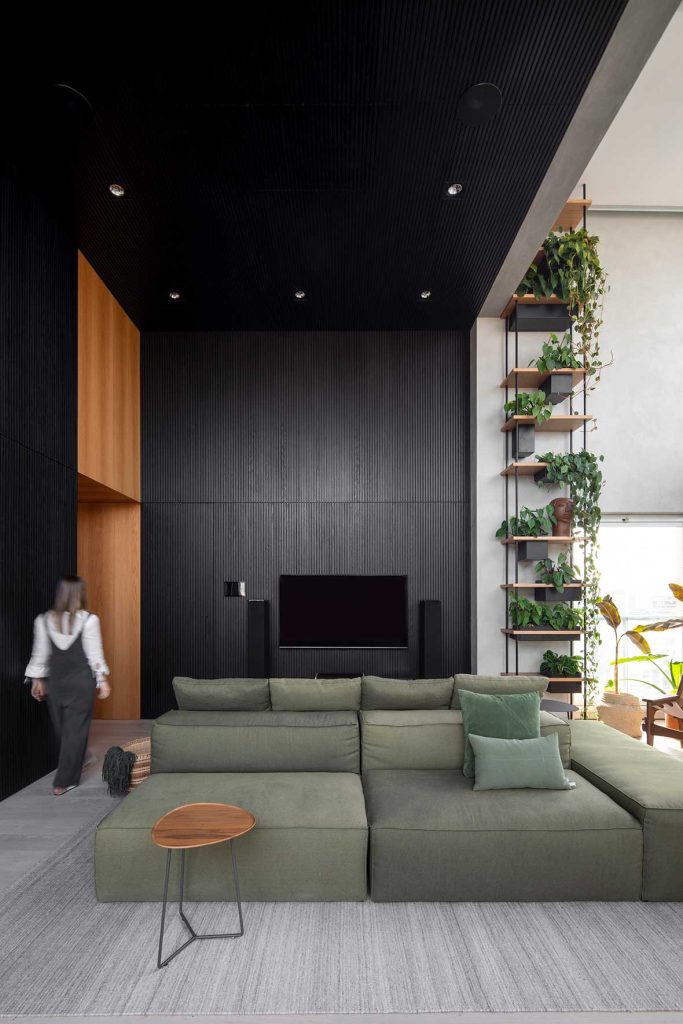
As urbanization continues to expand across the United States, people often find themselves disconnected from nature, spending the majority of their days in sterile, artificial environments. A study by the American Psychological Association highlights that individuals who regularly engage with green spaces report lower stress levels and improved overall health outcomes. This research reinforces the value of introducing nature into our homes, advocating for the well-being that can arise from a simple yet thoughtfully designed space.
Natural Elements: The Core of Biophilic Design
Integrating natural elements does not mean overcrowding spaces; rather, it is about making intentional choices. Below are several crucial components to consider when embarking on a biophilic journey in a minimalist home:
- Textured Materials: Incorporate organic textures—such as natural stone, wood grains, or clay—that evoke a sense of the outdoors. These materials foster a tactile connection to nature while remaining visually simple.
- Nature-Inspired Color Palettes: Use earthy tones—greens, browns, and soft blues—as a foundation for your space. These shades can create a calming atmosphere while allowing for versatility in smaller accents.
- Water Features: Introduce small water elements, such as indoor fountains or aquariums, which act as serene focal points, promoting relaxation through their soothing sounds and visuals.
- Scenic Imagery: Utilize artwork or photography featuring natural landscapes. By displaying these pieces, you can visually invite nature indoors, ensuring a sense of peace and tranquility.
These elements can seamlessly fit together in any space, ensuring that the beauty of the natural world is never outshined by the minimalist design philosophy. Even in tight urban apartments or cozy homes, the right choices can create an oasis that bridges the gap between the indoor and outdoor environments.
By thoughtfully integrating biophilic design principles, homeowners can create spaces that echo the beauty of the world outside their walls. Whether you’re living in a bustling city or a quiet suburb, the transformation of your home into a serene retreat awaits through the incorporation of natural elements that resonate with minimalistic ideals. This journey not only elevates the physical space but also cultivates a profound connection with one’s surroundings—ushering in both peace and purpose within the home.
| Advantages of Biophilic Design | Key Benefits |
|---|---|
| Enhanced Well-being | Integrating natural elements like plants and natural light can significantly improve mental health, reducing stress and anxiety. |
| Aesthetic Appeal | Biophilic design provides a visually pleasing environment, enhancing the simplicity of spaces while drawing the eye to natural beauty. |
In today’s world, where urban living often disconnects us from nature, Incorporating Nature into Simplified Spaces has become increasingly vital. This design philosophy promotes not only a minimalist approach but also a deep connection to the outdoor environment. Using materials that mimic nature, such as wood and stone, helps in creating soothing interiors that reflect the essence of the outdoors. Natural light plays a pivotal role in this concept, as it not only illuminates spaces but also supports our circadian rhythms, contributing to an overall sense of well-being. Biophilic elements such as indoor gardens or living walls can breathe life into minimalist homes, turning an ordinary living space into a sanctuary that feels alive.Moreover, studies have shown that exposure to nature can enhance cognitive function and increase productivity. This means that implementing biophilic design isn’t just about aesthetics—it’s about creating healthier and more efficient living spaces. The modern minimalist home, when combined with biophilic design, offers a seamless blend of functionality and tranquility, making it an intriguing avenue for those looking to enrich their living experiences. As you delve deeper into the ways of integrating these elements, consider how each feature can be tailored to suit your personal lifestyle while harnessing the transformative power of nature within your home.
Enhancing Indoor Air Quality through Nature
One of the often-overlooked benefits of biophilic design is its remarkable ability to improve indoor air quality, which is particularly essential in our increasingly urban lifestyles. As many American homes are sealed tightly to conserve energy, pollutants from everyday products can accumulate, leading to health issues. Research indicates that integrating plants into living spaces can significantly counteract this effect. According to a study by NASA, certain houseplants, such as peace lilies, snake plants, and spider plants, are exceptional at filtering out harmful toxins, including formaldehyde and benzene. Adding these natural air purifiers not only brings greenery into your home but contributes to a cleaner, healthier environment.
Function & Aesthetics: The Harmony of Design
Minimalism is often synonymous with simplicity and functionality, a philosophy that harmonizes beautifully with biophilic principles. The integration of nature allows homeowners to rethink how they utilize space while maintaining a polished aesthetic. For instance, multi-functional furniture can incorporate live plants, like a coffee table with built-in planters or shelving units that cradle greenery. This dual-purpose design not only maximizes space but introduces lively elements without compromising the minimalist ethos.
Outdoor-indoor transitions are also essential in a biophilic minimalism approach. Consider large glass sliding doors that facilitate seamless movement between the indoors and outdoors, thereby creating more extensive living areas that breathe. Furthermore, the use of large windows can invite natural light and expansive views of your garden, bringing the outside world in while enhancing the overall atmosphere. To make this idea a reality, many homeowners are investing in translucent materials for walls to create a sense of openness while maintaining privacy.
Nature’s Rhythm: Integrating Sound and Movement
Emphasizing sound can also elevate the notion of incorporating nature into your home. Suppose you think of the tranquil sound of rustling leaves or flowing water. Using soundscapes, like natural water features—whether a small bubbling brook in your garden or an indoor fountain—can enhance your minimalist space. These auditory elements ground the home in nature, often leading to a soothing environment that invites relaxation—a critical aspect of today’s stress-laden lives.
Moreover, consider the use of light as a dynamic aspect of design. Biophilic design encourages mimicking the natural light patterns found outside, which can be integrated through strategically positioned windows or skylights. This design ethos promotes the understanding of time, enhancing daily rhythms and grounding the inhabitants in their surroundings. Ensuring spaces receive adequate natural light can positively affect mood and productivity, making it an essential ingredient for any minimalist home.
Bringing the Outside In: Sustainable Landscaping
Incorporating biophilic design principles doesn’t stop inside the home; it also extends to outdoor elements. Creating a small garden or balcony filled with native plants can bridge the gap between indoor and outdoor living. Native plant landscaping reduces the maintenance required while attracting local wildlife, such as birds and butterflies, making your outdoor space a sanctuary. A report by the National Wildlife Federation highlights that fostering such biodiversity can positively impact local ecosystems, demonstrating that your minimalist home can be a vital part of the broader environmental picture.
Ultimately, embracing biophilic design in a simplified space resonates deeply with those seeking a more harmonious living environment. This enhanced connection with nature not only uplifts the physical space but also offers profound psychological benefits, providing a recharge for the mind and spirit amidst the chaos of modern life.
Conclusion: Embracing Biophilic Minimalism
In the quest for a modern minimalist home, biophilic design emerges as a transformative approach that brings the calming essence of nature indoors. By intertwining natural elements with simplified spaces, homeowners can create environments that not only look aesthetically pleasing but also promote wellness and enhance quality of life. Incorporating plants to improve indoor air quality, utilizing multi-functional furniture to blend function with beauty, and facilitating seamless transitions between indoor and outdoor spaces unite form and function in a harmonious balance.
Moreover, the auditory and visual elements derived from nature—like the gentle sound of water features or ample natural light—further enhance the tranquility of these spaces, allowing individuals to recharge mentally and emotionally amidst the hectic pace of contemporary living. Sustainable landscaping, even in small outdoor areas, reinforces this connection to the environment, encouraging biodiversity while enriching personal sanctuaries.
Ultimately, biophilic design is not just about aesthetics; it’s about reestablishing our relationship with the natural world, reminding us of the profound impact that nature has on well-being. As we embark on this journey toward creating minimalist homes enriched with nature’s elements, we invite you to consider how this approach can lead to a more fulfilling and rejuvenating lifestyle. It’s not merely an interior design trend—it’s a lifestyle choice that nurtures the body, mind, and spirit, helping individuals find balance in an increasingly fast-paced world.
Related posts:
Minimalist Organization: Strategies for Maintaining a Functional and Aesthetic Environment
The Influence of Color Psychology in Designing Simplified Spaces
Simplified Spaces for Families: Balancing Minimalism with Practicality and Functionality
Creating Multi-Functional Rooms: Simplified Spaces that Serve Multiple Purposes
How Simplified Spaces Can Foster Creativity and Innovation
The Connection Between Simplified Spaces and Mindfulness Practices

Linda Carter is a writer and organization expert specializing in minimalism and personal organization. With extensive experience helping individuals create clutter-free, functional spaces and adopt mindful habits, Linda shares her knowledge on our platform. Her goal is to empower readers with practical advice and strategies to simplify their lives, stay organized, and achieve a sense of calm and balance in their daily routines.