
Minimalism and Sustainability: Efficient Maintenance with Less Consumption
Discover the Power of Minimalism
In a consumer-driven society, the allure of new gadgets, fashion trends, and home decor can be overwhelming. Many people find themselves living in a cycle of constant consumption, often leading to stress and disorganization. Amidst this chaos, minimalism stands out as a transformative approach that invites us to deliberate on what is truly important. By focusing on quality over quantity, minimalism encourages individuals to rethink their material possessions and daily habits, leading not only to greater personal fulfillment but also to a more sustainable lifestyle.
Why Minimalism Matters
The rising awareness of environmental issues makes understanding the connection between minimalism and sustainability increasingly important. Embracing a minimalist lifestyle can yield significant benefits for both individuals and the planet:
- Reduced waste: By purchasing fewer consumer goods, individuals contribute to minimizing landfill waste. According to the EPA, over 292 million tons of trash were generated in the U.S. in 2018. Reducing our consumption can help diminish this figure, fostering a healthier ecosystem.
- Lower energy consumption: Living in smaller, more organized spaces often requires less energy for heating, cooling, and lighting. For instance, a tiny home, typically ranging between 100 to 400 square feet, can consume up to 45% less energy compared to standard homes, translating into significant savings on utility bills.
- Thoughtful purchasing: Minimalism promotes mindful consumption. When individuals prioritize essential, sustainable products, they often choose ethically sourced materials or support local artisans. Brands like Patagonia and Toms exemplify this by focusing on environmentally responsible practices while encouraging consumers to invest in long-lasting items.
Transitioning to a minimalist mindset can enhance not only one’s efficiency in personal maintenance but also significantly reduce one’s ecological footprint. As climate change becomes an ever-looming threat, the synergy between sustainability and minimalism grows increasingly relevant. Evidence suggests that even small lifestyle changes, such as reducing spending on fast fashion or embracing zero-waste practices, contribute positively to the environment.
Finding Balance
Minimalism encompasses more than merely decluttering our homes. It invites us to evaluate our lifestyles, habits, and even relationships. By actively choosing simplicity, we create room for more meaningful experiences—whether that be enjoying quality time with family or pursuing a long-forgotten hobby.
For many, embarking on a minimalist journey is not merely a trend but a profound lifestyle change. As we embrace this philosophy, we discover that the focus shifts from accumulating possessions to fostering connections and prioritizing well-being. As we learn to appreciate the space around us, we ultimately pave the way for a sustainable future, supporting both our own health and the health of our planet.
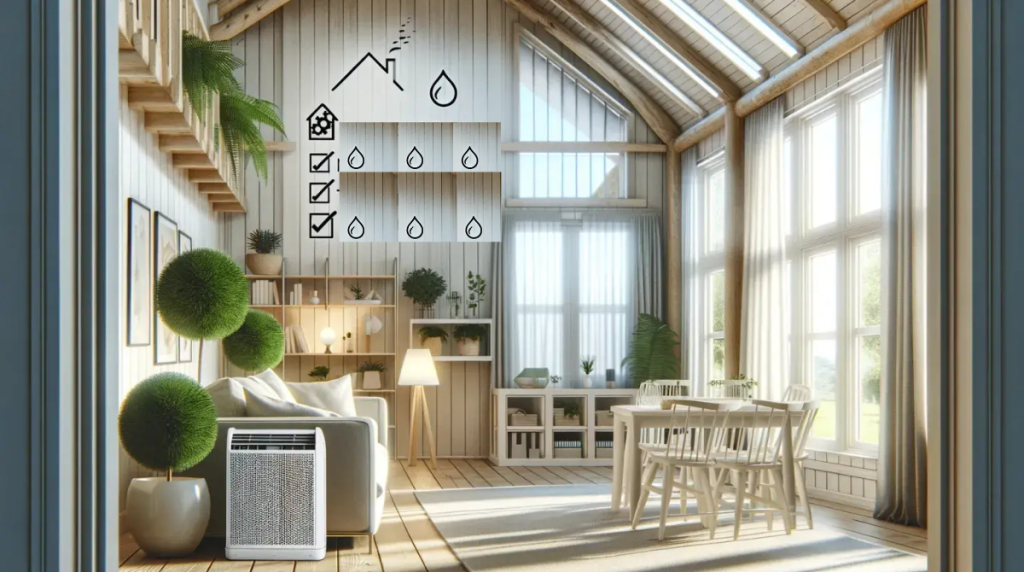
Ultimately, minimalism is a personal journey filled with opportunities for self-discovery and environmental stewardship. Whether you start by decluttering your closet, reevaluating your shopping habits, or even analyzing your time commitments, embracing minimalism can lead to a more harmonious and fulfilling life.
EXPLORE MORE: Click here to discover the evolution of minimalism
The Intersection of Minimalism and Sustainability
As the world grapples with increasing environmental challenges, the link between minimalism and sustainability emerges as not just a personal philosophy, but a necessary shift toward fostering ecological balance. The essence of minimalism lies in reducing excess, both in material goods and daily routines. This simplification process not only cultivates peace and clarity in individual lives but also paves a sustainable path for the planet.
Understanding Efficient Maintenance in Minimalist Spaces
Living minimally entails creating spaces that are easier to maintain. By possessing fewer items, individuals can devote more time to meaningful activities rather than upkeep. Here are several ways minimalism promotes efficient maintenance:
- Streamlined cleaning: With fewer possessions comes an easier cleaning routine. Dusting, vacuuming, and organizing become less daunting, allowing for more enjoyable time spent at home.
- Organized living: Minimalist homes often promote intentional arrangement of items, which enhances not only aesthetics but functionality. Quick access to necessary tools and equipment fosters a sense of preparedness and efficiency.
- Quality over quantity: Investing in durable, high-quality goods leads to less frequent replacements. Quality items often require less maintenance and provide long-term satisfaction, supporting the sustainability ethos.
Research shows that every year, Americans send approximately 12.7 million tons of textiles to landfills, primarily due to the buying and discarding cycle fueled by fast fashion. By embracing a minimalist approach to clothing and household items, consumers can significantly reduce their waste generation while enjoying a more curated and functional lifestyle.
Conscious Consumption: A Framework for Change
Minimalism encourages individuals to critically assess their purchases. This shift in perspective leads to more conscious consumption, where individuals prioritize buying from brands committed to sustainability and ethical practices. Companies like Everlane and Allbirds have built their reputations on transparency in sourcing and environmental responsibilities. By choosing to support such brands, customers are not only investing in long-lasting products but also advocating for sustainable business practices.
Furthermore, adopting a minimalist mindset often extends beyond just physical possessions—it can inform everyday choices, such as reducing energy consumption and minimizing single-use plastics. One actionable step is to phase out disposable items, replacing them with reusable alternatives, like cloth bags or glass containers. These small changes can contribute to a larger movement toward reducing overall environmental impact.
In essence, minimalism and sustainability are about making intentional choices that create a harmonious living environment while honoring our planet. As urban spaces become more crowded and consumerism continues to rise, the potential of minimalism to foster efficiency, peace, and ecological awareness becomes increasingly essential. Transitioning to this approach may not only spark a significant personal transformation but also inspire a collective shift toward a more sustainable future.
| Category | Advantages |
|---|---|
| Reduced Resource Usage | Minimalist practices encourage less consumption and promote mindfulness towards resource utilization, leading to significant energy and material savings. |
| Easier Maintenance | Less clutter means less upkeep. Homes designed with minimalism in mind require fewer resources to maintain, promoting sustainable living and reducing time spent on chores. |
| Increased Sustainability | By focusing on fewer, higher-quality items, minimalist lifestyles inherently support sustainable production practices, often reducing waste and minimizing environmental footprints. |
| Financial Savings | Investing less in material goods means funds can be allocated towards sustainable practices such as energy-efficient technologies or renewable resources, ultimately yielding long-term savings. |
In the pursuit of a minimalistic lifestyle, one inadvertently embraces sustainability. Less consumption leads to not just a cleaner home but also a healthier planet. The interconnectedness of minimalism and sustainability fosters an environment where individuals can thrive with a lighter ecological footprint. Each choice towards minimalism can unveil paths to innovations in sustainable living, urging more individuals to rethink their consumption habits. Exploring these principles further elucidates why minimalism is not merely an aesthetic choice but a crucial step towards a sustainable future.
DISCOVER: Click here to learn about the environmental benefits
The Economic Advantage of Minimalism
Minimalism not only contributes positively to environmental sustainability, but it also offers significant economic benefits. By reducing consumption, individuals can save considerable amounts of money, which can be redirected towards experiences, savings, or investments in sustainable practices. According to a study conducted by the American Psychological Association, a cluttered environment can lead to stress and anxiety, which might affect work productivity. Less clutter correlates with better mental health, potentially leading to higher income productivity.
Cutting Costs through Simplified Living
Investing in quality rather than quantity can result in a substantial reduction in overall costs. A minimalist approach encourages consumers to invest in multi-functional products. For instance, purchasing a high-quality coffee maker that not only brews coffee but also grinds beans and makes espresso can significantly decrease the need for multiple appliances. The long-term savings can be impressive, as these products often come with warranties, further extending their lifespan.
Additionally, consider the trend of tiny homes, which are rising in popularity across the United States. Tiny homes not only require fewer materials to construct but also lead to reduced maintenance costs. The National Association of Realtors reported that tiny homeowners can save more than $100,000 compared to a traditional home, and their utility bills can be significantly lower due to reduced energy consumption space. This trend illustrates how minimalism in housing aligns with both lifestyle preferences and financial prudence.
Collaborative Consumption: A New Model
Minimalism can also inspire a shift toward collaborative consumption, where sharing resources becomes a viable way to address everyday needs. The rise of platforms such as Airbnb and Zipcar represents a growing awareness of sharing economy principles, where individuals can gain necessities without committing to ownership. This model not only minimizes the need for new resources but also reduces personal maintenance responsibilities.
Research published by the Journal of Consumer Research suggests that individuals who participate in sharing economies often develop stronger community ties and an enhanced sense of belonging. This community-driven approach promotes a culture of sustainability, as people tend to invest more in their local environments when they feel connected to their neighbors.
The Role of Technology in Minimalism
Advancements in technology also facilitate a minimalist and sustainable lifestyle. Smart home devices can monitor energy usage in real-time, helping households make informed decisions about consumption. For example, smart thermostats can adjust heating and cooling based on occupancy, significantly reducing energy waste. Moreover, apps that encourage minimalism, such as Decluttr and Goodify, offer platforms for users to streamline their belongings and connect with services that prioritize sustainability.
In a world where digital distractions abound, technology can also assist in decluttering mental space. Health and wellness apps allow individuals to engage in mindfulness and meditation, fostering an environment where they can focus more on meaningful interactions rather than material possessions. This intersection of technology and minimalism further emphasizes the potential to cultivate a sustainable lifestyle through thoughtful practices.
Ultimately, embracing minimalism encourages consumers to reevaluate their lifestyles and shift toward a sustainable future characterized by conscious consumption, shared resources, and reduced environmental impact. The insights gained from this philosophy can drive innovation and redefine standards of living in contemporary society.
DISCOVER MORE: Click here for tips on creating multi-functional spaces
Conclusion: Embracing a Future of Minimalism and Sustainability
In conclusion, the integration of minimalism into our daily lives presents a compelling pathway towards achieving sustainability and enhancing personal well-being. By prioritizing quality over quantity, individuals are not only reducing their environmental footprint but also discovering significant financial savings. The concepts of collaborative consumption and smart technologies further enable this transition, fostering a culture of shared resources and mindful consumption that strengthens community ties.
As the popularity of tiny homes and multi-functional products illustrates, making informed choices and simplifying our lives can lead to greater efficiency in maintenance while drastically cutting costs. These trends underscore the importance of intentional living, urging consumers to reassess their needs and desires in light of broader ecological impacts.
Moreover, the evidence supporting the psychological benefits of reducing clutter cannot be ignored. A cleaner, more organized environment not only alleviates stress but also cultivates a richer quality of life, allowing for deeper connections with both ourselves and our communities. Minimalism is more than a lifestyle choice; it is a powerful tool for fostering sustainability.
As we move forward, embracing these principles can fundamentally reshape our society’s approach to consumption and environmental stewardship. By committing to a minimalist mindset, we can pave the way for a more balanced, sustainable future that prioritizes well-being over excess. Continued exploration into this philosophy holds the promise of innovation and progress, inviting all of us to participate actively in shaping a more sustainable future.
Related posts:
The Philosophy of Less is More: How Minimalism Reduces Maintenance Stress
The Role of Technology in Effortless Maintenance of Minimalist Lifestyles
How Minimalist Aesthetics Contribute to Ease of Maintenance in Environments
The Importance of Routine in the Efficient Maintenance of a Minimalist Lifestyle
Efficient Cleaning Techniques for Minimalist Spaces
Creating Multifunctional Spaces to Reduce Maintenance Work

Linda Carter is a writer and organization expert specializing in minimalism and personal organization. With extensive experience helping individuals create clutter-free, functional spaces and adopt mindful habits, Linda shares her knowledge on our platform. Her goal is to empower readers with practical advice and strategies to simplify their lives, stay organized, and achieve a sense of calm and balance in their daily routines.