
The Rise of Online Retail and Its Hidden Dangers
In recent years, the surge in online shopping has transformed how Americans acquire goods and services. From the aisles of grocery stores to the opulence of luxury boutiques, retailers have shifted their focus to digital platforms to meet consumer demands. While the convenience of shopping from home, comparing prices instantly, and accessing a wide array of products cannot be overstated, this revolution comes with significant risks that threaten personal data security.
Why Personal Data Protection Matters
As you engage in the simple act of clicking “buy now,” a wealth of sensitive information travels through the internet. Understanding the significance of this data is crucial for safeguarding your privacy. Consider the following alarming statistics:
- Identity Theft: According to the Federal Trade Commission (FTC), nearly 1.4 million reports of identity theft were filed in 2020, a 113% increase from the previous year. Cybercriminals can use stolen information, such as your social security number, to impersonate you in countless scenarios.
- Financial Fraud: The Javelin Strategy & Research reported that in 2020, 49 million consumers experienced some form of financial fraud. Hackers can exploit vulnerabilities to access credit card data, leading to unauthorized charges and financial instability.
- Privacy Invasion: Data breaches can be catastrophic. In 2021, T-Mobile faced a security breach exposing the personal information of over 40 million customers. Such incidents reveal your shopping habits and preferences, affecting targeted advertising and even your credit score.
Steps to Enhance Your Online Shopping Safety
To mitigate these risks, taking proactive measures is essential. Here are key strategies that can significantly enhance your online shopping safety:
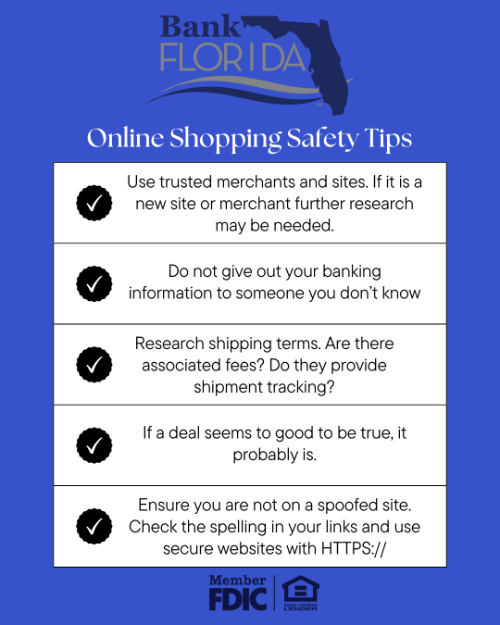
- Utilize trustworthy websites. Always look for URLs that begin with https://, indicating a secure connection. Pay attention to customer reviews, as they can provide insight into a retailer’s reliability.
- Enable two-factor authentication on your accounts where available. This additional security step often requires verification through another device or application, making it harder for hackers to gain access.
- Regularly monitor bank statements for any suspicious activity. Immediate reporting of unauthorized transactions can prevent further complications and potential financial loss.
Moreover, consider using a virtual credit card option, which provides an extra layer of anonymity during transactions. This approach ensures that your actual credit card number doesn’t get exposed to potential threats.
As you prepare to finalize your purchases, arm yourself with essential knowledge and effective tools to protect your personal data. In an increasingly digital world, understanding how to navigate online shopping safely is not just an advantage—it’s a necessity. Being informed is your best defense against the risks lurking in the digital marketplace.
DON’T MISS: Click here for essential optimization tips
The Essential Guide to Safeguarding Your Personal Data While Shopping Online
As online shopping continues to grow, so does the sophistication of cybercriminals who target our personal data. With an estimated 244 million online shoppers in the United States alone, the need for awareness and protection is at an all-time high. The digital marketplace offers unparalleled convenience, but it also comes with inherent risks that shoppers must navigate carefully.
Understanding Phishing Scams
Phishing scams have become one of the most prevalent threats to individual data security. These scams typically involve fraudulent emails or texts that mimic reputable retailers, coaxing you to share sensitive information such as passwords or credit card details. Such deceptive communications can be alarmingly convincing, often incorporating the retailer’s logo and personalized greetings. For instance, you might receive an email that appears to be from a well-known company like Amazon, claiming there is an issue with your account and prompting you to click on a link. Once clicked, it could redirect you to a fake website designed to harvest your information. Statistics reveal that households in the U.S. receive an average of one phishing email per day—an item of concern during the holiday shopping season.
Risks of Using Public Wi-Fi
Another significant threat occurs when consumers utilize public Wi-Fi networks to shop online. While it may seem convenient to browse while sipping coffee at your favorite café, these unsecured networks are a haven for hackers. Data transmitted over public Wi-Fi can often be intercepted unless encryption is deployed. This means that any sensitive information, including usernames, passwords, and credit card numbers, can be at risk. According to a study by McAfee, more than 50% of consumers reported feeling that public Wi-Fi networks are not secure, yet many still engage in transactions on these platforms. To enhance your safety, consider using a VPN (Virtual Private Network) which can provide additional encryption, even on open networks.
The Threat of Malware and Ransomware
Malware and ransomware are sinister forms of malicious software designed to infiltrate your devices. Once they gain access, they can track your activity or even lock you out of crucial files. It’s estimated that in 2021 alone, ransomware victims collectively paid over $20 billion in ransom fee. Regularly updating your security software is vital in combating these threats, as outdated applications can leave your devices susceptible to attacks. Ensure that your antivirus programs are up-to-date, and consider employing additional layers of protection like anti-malware software.
Staying Informed About Data Breaches
Keeping up with data breaches is essential. Major retailers and online platforms continually experience breaches that expose millions of consumers’ records. For example, the 2013 Target breach compromised 40 million credit card numbers and brought significant attention to the vulnerabilities that exist in online commerce. Retail churn and cybersecurity are in constant flux, which is why you must regularly check a retailer’s cybersecurity practices. If a retailer has a history of data breaches, think twice before making any purchases on their site.
With more than 50 million records exposed in the U.S. in 2021, it is apparent that being informed and cautious is critical for protecting personal information. The road to safe online shopping is paved with awareness, knowledge, and proactive measures. By taking the time to educate yourself about these threats and employing practical strategies, you can enjoy the convenience of online shopping without jeopardizing your personal data.
Ultimately, awareness is your first line of defense. By familiarizing yourself with common cybersecurity issues and remaining vigilant, you can engage in online shopping confidently, knowing you’ve taken the necessary steps to shield your personal information.
Understanding Secure Payment Methods
When it comes to online shopping, choosing the right payment method is crucial for safeguarding your personal data. Various options can either enhance your security or put your information at risk. Credit cards often come with built-in fraud protection, allowing you to challenge unauthorized transactions easily. Alternatively, digital wallets like PayPal or Apple Pay offer another layer of security by acting as a buffer between your bank information and the merchant.Many online retailers now also offer specialized payment services such as Buy Now, Pay Later (BNPL), which grant consumers the ability to defer payments while ensuring that their sensitive details remain secured. Utilizing services like these can help mitigate risks associated with sharing credit or debit card numbers directly with online stores. Moreover, don’t overlook the significance of encrypted payment gateways, which employ SSL certificates. These certificates safeguard your data during transmission by encrypting any personal information shared during a transaction, making it nearly impossible for cybercriminals to intercept.
Recognizing Phishing and Scams
Phishing attacks pose a significant threat when shopping online. Cybercriminals often pose as reputable businesses in an attempt to lure customers into revealing sensitive details. Stay alert for suspicious emails or messages that attempt to direct you to a fake website mimicking a legitimate retailer. Always verify the URL – a secure site starts with https://, with the “s” indicating that the connection is encrypted.Furthermore, use unique, complex passwords for your shopping accounts and enable two-factor authentication whenever possible. This extra layer of security adds a crucial step that can thwart unauthorized access even if your password falls into the wrong hands.Ultimately, maintaining awareness is key. Regularly monitor your financial transactions and bank statements to catch any unusual activity early on. By being vigilant, you can significantly reduce your risk exposure when engaging in online shopping.
EXPLORE MORE: Click here for essential tips on OS optimization
Implementing Practical Safety Measures for Online Shopping
Arming yourself with knowledge about threats is only part of the battle. To ensure your personal data remains secure during online transactions, implementing practical safety measures is imperative. As consumers, understanding the tools and practices available to maintain security can make all the difference in your online shopping experience.
Evaluating Website Security Before You Shop
Before you enter your personal information into any website, it’s crucial to evaluate its security. Look for HTTPS in the URL, which indicates that the site employs encryption to safeguard your data during transmission. Most reputable online retailers will have this feature. Furthermore, be wary of unfamiliar or obscure websites. Shopping platforms without comprehensive reviews or questionable reputations should raise red flags. A study from the Better Business Bureau shows that 78% of online shoppers prefer sticking to well-known brands, reducing their risk of exposure to fraud.
Utilizing Secure Payment Methods
Another effective way to protect your personal data is by using secure payment methods. Instead of entering your credit or debit card details directly on the shopping site, consider using dedicated payment services like PayPal, Apple Pay, or Google Pay. These intermediaries not only add an additional layer of security but also shield your banking information from the merchant. Furthermore, recent changes in financial regulations have also seen the rise of virtual credit cards that provide temporary, one-time card numbers for online transactions, further enhancing your protection.
Setting Strong, Unique Passwords
Creating strong, unique passwords for your online shopping accounts is another critical safety measure. A good password combines upper and lower case letters, numbers, and symbols while steering clear of easily guessable details, such as birthdays or common words. Using a password manager can simplify this process by generating secure passwords and storing them securely. On average, individuals use the same password across 15 different accounts, leaving them particularly vulnerable if one account is compromised. Ensure your online shopping passwords are distinct to minimize the potential damage from a single data breach.
Activating Two-Factor Authentication
The implementation of two-factor authentication (2FA) is an additional security measure that should never be overlooked. This process adds another verification layer when logging into your account, requiring both your password and a secondary code sent to your phone or email. Studies indicate that enabling 2FA can reduce the chances of unauthorized access by up to 90%. Always enable this feature if the option is available on the shopping site; it’s an easy yet effective way to enhance your security.
Regularly Monitoring Financial Statements
Once you’ve completed your transactions, vigilance should not end there. Regularly monitoring your financial statements for unauthorized charges is crucial. Early detection can significantly lessen the impact of identity theft. According to a recent study by Javelin Strategy & Research, more than 4.7 million Americans experienced identity theft in 2021, underscoring the importance of ongoing scrutiny of your financial activities. If you notice anything suspicious, report it immediately to your financial institution.
Taking these proactive steps can greatly enhance your security while shopping online. By staying informed, leveraging technological tools, and maintaining acute awareness of your online activity, you can enjoy the convenience and variety of online shopping while minimizing risks associated with personal data exposure. Remember that digital safety is an ongoing process, requiring continual adjustments as technologies and threats evolve.
DON’T MISS: Click here to discover essential security tips
Conclusion: Empowering Yourself in the Online Shopping Landscape
In the ever-evolving realm of online shopping safety, arming yourself with the right knowledge and tools can transform your shopping experience from a potential risk to a secure adventure. As technology advances, so too do the methods employed by cybercriminals; hence, your vigilance must match their innovation. By implementing fundamental practices such as evaluating website security, utilizing secure payment methods, and creating strong, unique passwords, you significantly bolster your defenses against data breaches.
Moreover, activating two-factor authentication and regularly monitoring your financial statements are not just recommended actions—they are essential strategies for safeguarding your identity and ensuring your financial well-being. Research shows that an alarming number of Americans fall victim to identity theft each year, highlighting the critical need for ongoing awareness of online security measures.
As you navigate through the myriad of online shopping options, remember that your commitment to responsible online behavior is paramount. By fostering good habits and staying informed about best practices, you can relish the convenience of shopping from the comfort of your home, with the peace of mind that your personal data is well-protected. The digital marketplace is yours to explore; equip yourself with knowledge and adopt preventative measures to enjoy a safe and satisfying online shopping experience.
Related posts:
Security in Online Shopping Apps: How to Avoid Fraud and Protect Your Data
Security in Health Apps: Protecting Your Medical and Personal Data
Cloud Security: Protecting Your Files and Personal Data from Online Threats
Security in Streaming Apps: How to Protect Your Personal Information
Two-Factor Authentication Apps: Why and How to Use Them Correctly
How to Identify and Avoid Malicious Apps: A Practical Guide

Beatriz Johnson is a seasoned tech writer and digital tools expert with a passion for simplifying the complexities of technology and mobile applications. With over a decade of experience in the tech industry, she specializes in topics like productivity apps, software reviews, and emerging digital trends. Through her work, Beatriz empowers readers to make informed technology choices and stay ahead in the ever-changing world of apps and innovation.