

The Revolution of Health Technology
In the dynamic landscape of modern healthcare, the integration of robotic systems and artificial intelligence (AI) is transforming patient care in unprecedented ways. Hospitals and clinics across the United States are not only embracing these technological advancements but are also witnessing remarkable enhancements in treatment outcomes and operational efficiency. This convergence of technology and healthcare is not a fleeting trend; it is a fundamental shift that is redefining how care is delivered.
Enhanced Surgical Precision
One of the most striking advancements is seen in the realm of surgical procedures. Robotic-assisted surgeries exemplify the remarkable precision that technology can provide. Surgeons using these systems can perform minimally invasive procedures with unmatched accuracy, significantly reducing the risk of complications. For instance, robotic systems like the da Vinci Surgical System have been instrumental in urological surgeries, enabling surgeons to operate through small incisions, resulting in shorter recovery times and less postoperative pain for patients.
Efficient Patient Monitoring
Beyond the operating room, the role of AI in healthcare continues to expand. AI-powered systems are not only facilitating surgeries but are also revolutionizing patient monitoring. These systems can continuously track patient vitals in real-time, utilizing algorithms to flag abnormalities and alert healthcare providers before issues escalate. For example, platforms employing machine learning can analyze vast amounts of data from wearable devices, providing insights into heart rate or oxygen levels. This proactive approach allows for timely interventions, improving outcomes, especially in critical care settings.
Personalized Treatment Plans
Furthermore, the capacity for personalized treatment plans has skyrocketed due to data-driven analysis. Artificial intelligence can sift through extensive datasets, including patient history, genetic information, and treatment outcomes, to help clinicians develop tailored therapies that address individual patient needs. A notable example is in oncology, where AI applications are being used to assess tumor characteristics, leading to customized chemotherapy regimens that maximize efficacy while minimizing side effects.
The Future of Healthcare
As the demand for high-quality healthcare escalates, the role of robotic systems is becoming increasingly prominent. With the potential to not only enhance surgical precision and improve patient monitoring but also to create customized healthcare experiences, these technologies are reshaping care delivery models. The promising relationship between technology companies and healthcare providers is facilitating continuous innovation, evident in developments like smart prosthetics that adapt to a user’s movements or AI tools that enhance diagnostic accuracy through image analysis.
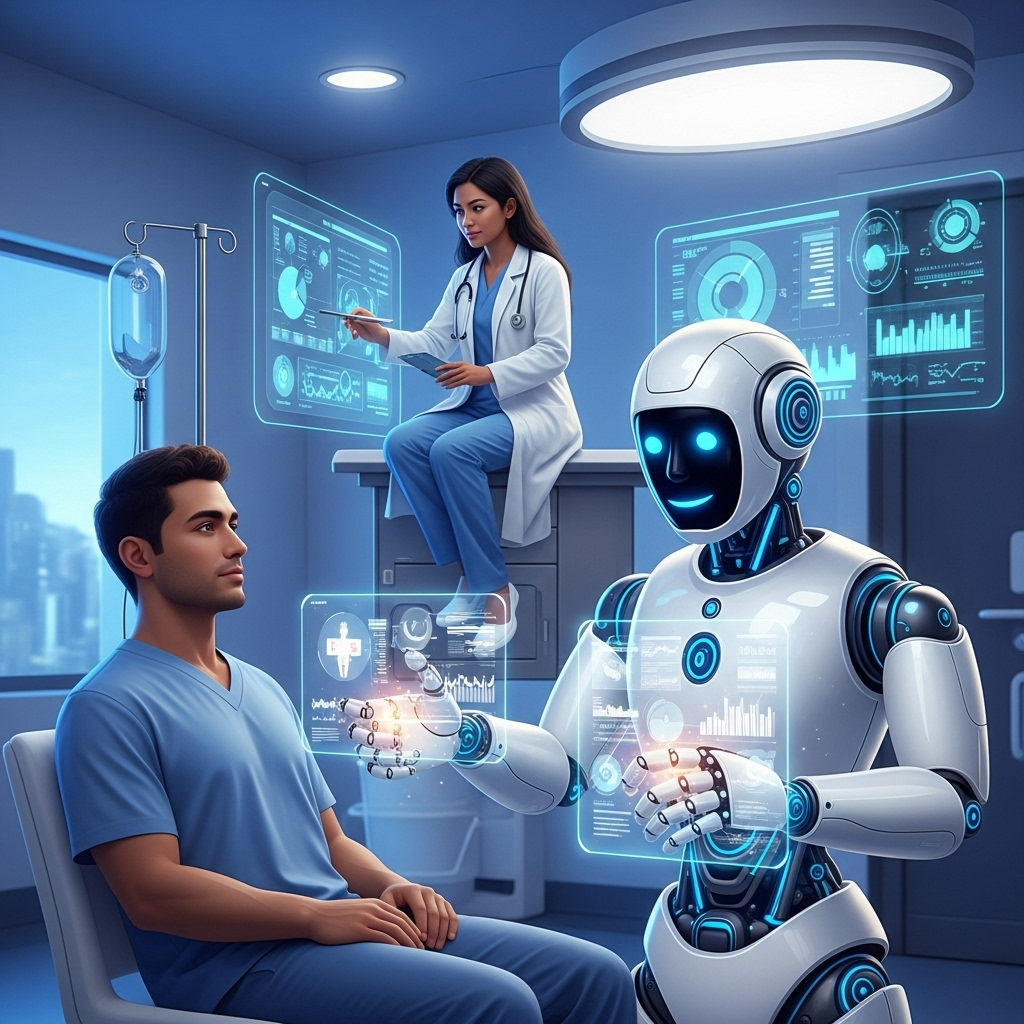
In conclusion, the synergy between robotic systems and AI is not merely about improving patient care; it opens new frontiers in understanding health and wellness. As we delve deeper, it becomes clear that these advancements in healthcare technology will not only enhance individual patient experiences but also redefine the very framework of modern healthcare.
DIVE DEEPER: Click here to discover more
Transformations in Patient Engagement and Care Delivery
The fusion of robotic systems and artificial intelligence is not limited to surgical enhancements and advanced monitoring; it is also creating profound shifts in how patients engage with their healthcare providers. Through platforms that utilize AI algorithms, health systems are achieving unprecedented levels of communication and personalization, empowering patients to become active participants in their own care. Telemedicine services powered by AI facilitate remote consultations, allowing patients to receive expert advice without the need for travel—an essential benefit in rural areas of the United States where access to specialists can be limited.
AI Chatbots and Virtual Health Assistants
Consider the role of AI chatbots and virtual health assistants, which have become increasingly common in healthcare interactions. These intelligent systems are designed to answer patient inquiries, schedule appointments, and even provide medication reminders. By handling routine administrative tasks, they free up healthcare professionals’ time, allowing them to focus on complex patient needs. The Harvard Business Review reports that hospitals employing AI-driven virtual assistants have seen a reduction in appointment-related calls by over 30%, demonstrating significant operational efficiencies.
Streamlining Patient Flow and Resource Allocation
Furthermore, AI applications have the potential to streamline patient flow within healthcare settings. Utilizing predictive analytics, providers can forecast patient admissions and optimize staff allocation and resource distribution. This innovative approach minimizes wait times and maximizes the impact of care delivered. For instance, hospitals employing AI-driven triage systems can quickly assess patient needs, categorizing them by urgency, which speeds up treatment for those in critical conditions, thus saving lives. Key benefits of these systems include:
- Improved patient satisfaction: Shorter wait times lead to a better overall experience.
- Optimal use of healthcare resources: Ensures that staff and facilities are available when needed the most.
- Enhanced capability to manage surges: Quickly adjust to sudden increases in patient volume, such as during flu season.
Data Security and Patient Privacy
As exciting as these advancements are, they also raise important questions about data security and patient privacy. With an increasing amount of sensitive health data being processed by AI systems, healthcare providers must implement rigorous protocols to protect patient information. Compliance with regulations such as the Health Insurance Portability and Accountability Act (HIPAA) is non-negotiable, ensuring that patients’ personal information remains confidential. Advanced encryption methods and continuous monitoring of data access are critical components in maintaining trust between patients and healthcare providers.
In essence, the integration of robotic systems and AI into healthcare practices is empowering patients while streamlining the operational capacities of health systems. With technology continually advancing, the future holds promise for even greater innovation in how care is delivered and experienced. This burgeoning technology landscape underscores the notion that when patients are engaged and supported by intelligent systems, the trajectory of healthcare can be dramatically enhanced.
| Advantage | Impact on Patient Care |
|---|---|
| Enhanced Precision | Robotic systems in surgery minimize human error, ensuring greater accuracy during procedures, resulting in safer outcomes. |
| Data-Driven Insights | AI analyzes vast amounts of patient data, allowing for tailored treatment plans that improve the quality of care and enhance patient satisfaction. |
In the modern healthcare landscape, the integration of robotic systems powered by artificial intelligence is reshaping patient care dynamics. The first notable advantage is their enhanced precision during surgical interventions. These robotic assistants are designed to carry out delicate tasks with remarkable accuracy, considerably reducing the risk of complications and ensuring optimal surgical outcomes.Furthermore, the utilization of data-driven insights empowers healthcare professionals to make informed decisions. AI systems can process extensive patient histories and conditions to generate personalized treatment plans. This not only increases treatment efficacy but also fosters a more patient-centric approach, leading to improved experiences and outcomes.As technology continues to advance, the role of robotic systems in healthcare is set to become even more critical, inviting further research and exploration into its potential benefits and applications. Adding to the conversation around this topic, ongoing studies are evaluating how these innovations can address various health challenges, ultimately transforming the way healthcare is delivered globally.
LEARN MORE: Click here to delve deeper
Robotic Innovations Enhancing Hands-On Care
While AI-driven systems are transforming patient engagement and operational efficiencies, robotic innovations are making profound impacts on hands-on care. From robot-assisted surgeries to robotic exoskeletons for rehabilitation, these technological developments are revolutionizing how medical procedures are conducted and how patients recover afterward. The integration of such systems not only increases accuracy but also enhances the overall patient experience.
Advances in Robotic Surgery
One of the most striking applications of robotic systems in healthcare is found in the realm of robotic surgery. Procedures such as prostatectomies, hysterectomies, and even complex cardiac operations have benefitted from the precision offered by robotic platforms, like the da Vinci Surgical System. This system allows surgeons to manipulate tiny instruments with exceptional control, minimizing operational invasiveness. A study published in the Journal of the American Medical Association shows that patients undergoing robotic-assisted surgery experience reduced blood loss, shorter hospital stays, and quicker recovery times compared to traditional techniques. By merging surgical expertise with advanced robotics, health systems are offering patients safer and more effective options for treatment.
Rehabilitation Robotics: A New Path to Recovery
The journey to recovery post-surgery or injury has also been transformed through the use of rehabilitation robotics. Systems like robotic exoskeletons are aiding patients with mobility challenges, allowing them to relearn walking and regain strength. Facilities across the United States, such as the Shepherd Center in Atlanta, are incorporating these advancements into their rehabilitation programs. Clinical trials suggest that patients utilizing robotic-assisted therapy show significant improvements in their mobility compared to traditional rehabilitation methods. These innovations make it possible for therapists to monitor progress in real-time and personalize treatment plans based on a patient’s unique needs, fostering a more engaged recovery process.
The Role of AI in Monitoring and Predicting Outcomes
AI also plays a crucial role in enhancing the effectiveness of robotic systems by facilitating advanced monitoring and predicting patient outcomes. Algorithms can analyze vast datasets from previous surgeries, predicting complications and optimizing postoperative care plans. This data-driven approach enables healthcare providers to proactively address potential issues before they become critical. The Cleveland Clinic, for instance, utilizes AI algorithms to track patient vitals during recovery, enhancing early detection of complications and ensuring timely interventions. By leveraging the capabilities of AI, healthcare facilities can further improve the quality of care and increase patient safety during the critical recovery phase.
Challenges and Considerations in Adoption
Despite the numerous advantages of integrating robotic systems in healthcare, the journey is not without its challenges. High initial costs, training requirements for medical staff, and the need for seamless integration with existing healthcare processes often hinder widespread adoption. Hospitals need to carefully evaluate the long-term benefits against these upfront investments. Furthermore, patient acceptance of robotic systems is crucial; understanding and trust in technology can significantly impact its utilization. Efforts towards increasing public awareness and education about these advancements are essential in fostering a supportive environment as healthcare continues to evolve.
As robotic systems and AI continue their rapid evolution, their collaborative impact on healthcare promises a future where patient care is even more tailored, efficient, and effective. The ongoing development of these technologies illustrates the commitment of the healthcare sector to embrace innovation that fundamentally redefines patient care across the board.
DIVE DEEPER: Click here to learn more
Conclusion: The Future of Patient Care with Robotic Systems and AI
The integration of robotic systems and artificial intelligence in healthcare stands as a hallmark of innovation, transforming every facet of patient care. As demonstrated through advancements in robotic surgery and rehabilitation technologies, these systems not only enhance procedural accuracy and efficiency but also provide an enriched experience for patients on their recovery journeys. The ability of robotics to minimize invasiveness during surgical procedures is reshaping postoperative care and significantly improving recovery times.
Moreover, AI’s role in analyzing data, predicting outcomes, and offering tailored treatments illustrates an evolving narrative where patient care is both personalized and proactive. The case of institutions like the Cleveland Clinic showcases how data-driven insights can improve patient safety and experience by anticipating complications before they arise. However, the journey towards full integration is not without its hurdles. Financial barriers, training requirements, and patient acceptance are critical factors that must be addressed to facilitate widespread adoption of these technologies.
The ongoing evolution of robotic systems and AI hints at a future where healthcare is not just a service but an intelligently orchestrated experience focused on patient outcomes. This revolution paves the way for continuous improvement, encouraging healthcare providers to embrace innovative solutions that ultimately prioritize patients’ needs. As these technologies unfold, they promise to redefine the healthcare landscape and challenge the boundaries of what is possible in patient care.


 Linda Carter