Simplified Spaces for Families: Balancing Minimalism with Practicality and Functionality
Embracing Minimalism for Family Well-being
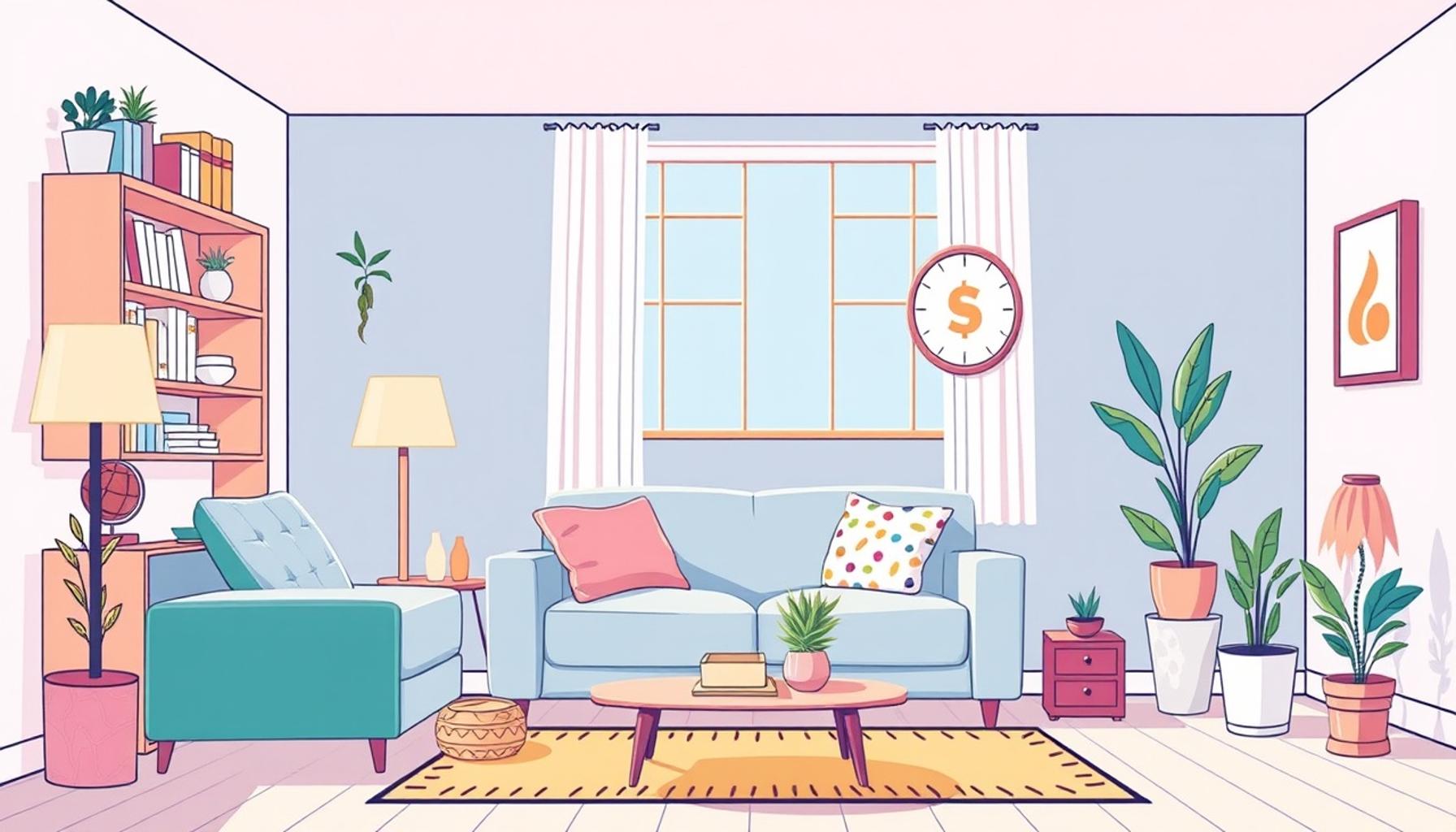
Today’s families face the challenge of maintaining a clutter-free environment while ensuring their home remains functional and comfortable. As more households shift towards minimalism, the need for practical solutions that cater to diverse family needs has never been greater. This trend isn’t just about decluttering; it represents a lifestyle choice aimed at fostering well-being and efficiency in daily life.
Embracing a simplified space can lead to numerous benefits, including:
- Reduced Stress: A clean and organized home promotes a peaceful atmosphere. Research shows that clutter can elevate stress levels and contribute to feelings of anxiety. By minimizing visual distractions, families can nurture a more tranquil environment, conducive to relaxation and mental clarity.
- Increased Efficiency: Streamlined spaces make it easier to find and utilize household items. When everything has its place, daily chores such as cooking or tidying become more manageable, allowing families to spend quality time together.
- Enhanced Creativity: Less clutter allows for more room to think and grow. Open spaces encourage children to engage in creative play, fostering imagination and innovation, essential traits for future success.
The goal is to find a delicate balance where minimalism intersects with the practicalities of everyday family life. This means incorporating functional designs that can adapt to the needs of adults and children alike. Some effective strategies include:
- Multi-functional Furniture: Choose items such as storage ottomans and extendable tables. For instance, a coffee table that opens up to reveal hidden storage can keep toys or books stowed away when not in use, maintaining a neat appearance.
- Smart Storage Solutions: Utilize vertical space and hidden compartments. Wall-mounted shelves can hold books, while under-bed storage boxes can efficiently store seasonal clothing or spare linens.
- Zones for Play and Relaxation: Designate areas that cater to various activities. For example, establishing a corner in the living room as a cozy reading nook can encourage quiet time, while a designated play area with soft mats and toys can spark enthusiasm for creative activities.
As we delve deeper into the realm of simplified spaces for families, we will uncover strategies that harmonize both practicality and style, transforming homes into havens where families thrive. This exploration will invite readers to reimagine their living environments, encouraging them to consider what it truly means to live minimally while cherishing their familial bonds.
In summary, the journey towards creating harmonious family spaces not only enhances the physical environment but also enriches family life. By mindfully selecting furniture, optimizing storage, and designing functional zones, families can create a sanctuary that nurtures peace and fosters togetherness.
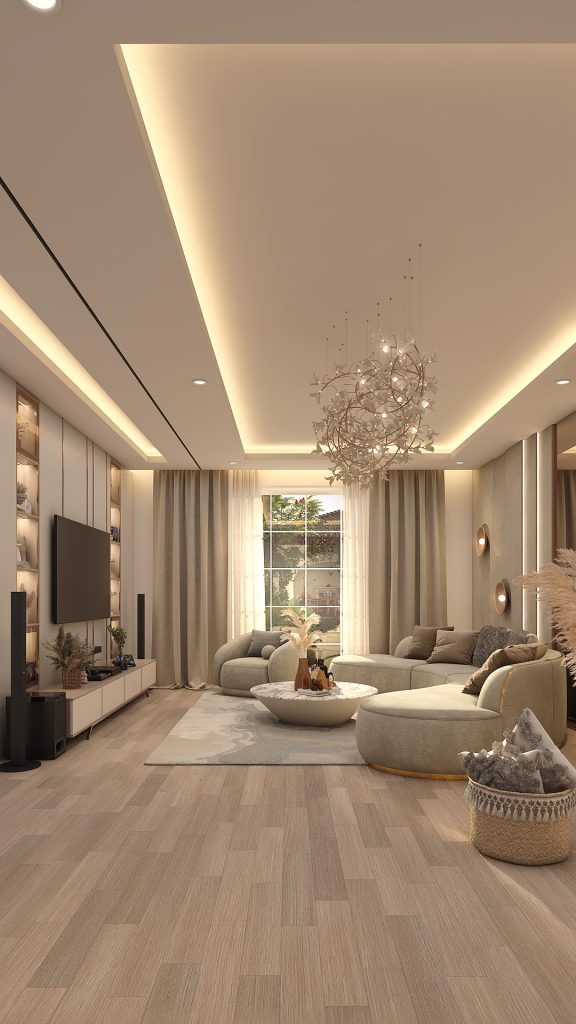
Crafting Functional and Elegant Spaces
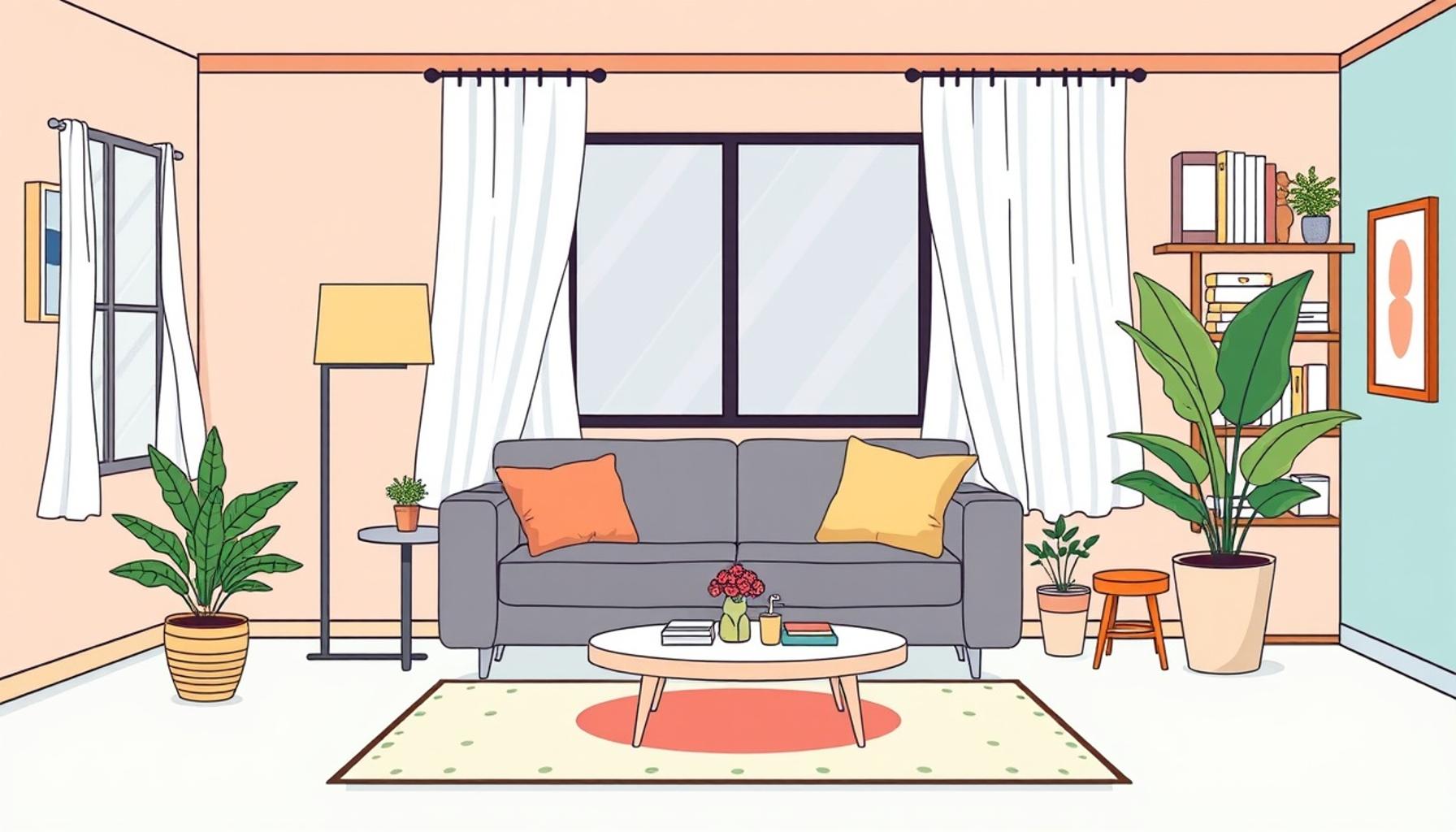
To create a home that embodies both minimalism and practicality, families must rethink how they utilize their spaces. The transition to a serene living environment does not mean sacrificing comfort or style; rather, it involves thoughtful planning and selection of essential items that enhance the overall vibe within the home. By focusing on the needs of family members—whether adults or children—households can find ways to blend aesthetics with utility seamlessly.
One effective approach involves strategically minimizing clutter while maximizing functionality. Here, we explore several insights and practices to aid in crafting a home that echoes simplicity and efficiency:
- Embrace a “One In, One Out” Policy: This principle encourages families to be mindful of the items they bring into their home. For every new toy or piece of furniture, something old should be removed. This habit helps prevent accumulation and promotes conscious consumption.
- Opt for Neutral Color Palettes: Utilizing calming colors such as whites, creams, and soft pastels can create an open and airy feel in any room. This not only promotes a minimalist aesthetic but also makes spaces appear larger and more inviting, leaving room for essential furnishings without the risk of overwhelming the senses.
- Flexible Room Configurations: Adaptable spaces enable families to switch up activities easily. Incorporating movable furniture can transform a playroom into a study area or a guest room into a family movie space, accommodating varying needs without creating chaos.
- Incorporate Natural Elements: Adding plants or natural materials can breathe life into a minimalist space, offering warmth and character. Houseplants, for example, not only enhance visual appeal but also improve air quality and bring a sense of calm.
Establishing zones within a home is crucial for maintaining balance. By delineating areas for specific activities, families can encourage focus and organization. Creating a homework corner with a simple desk and sufficient storage for books and supplies, for instance, can help maintain productivity during study times while keeping distractions to a minimum.
To further enhance the family dynamics, consider the following aspects when designing simplified spaces:
- Simplified Entryways: Clear pathways and organized entryways set the tone for the rest of the home. Utilize hooks for coats, designated baskets for shoes, and small benches with storage to ensure that everything has its place and is easily accessible.
- Mindful Tech Integration: In today’s digital age, tech is a staple in family routines. Designating a charging station that blends with the décor will keep cords hidden and devices organized. This promotes a neat atmosphere while still accommodating modern conveniences.
The key to achieving a harmonious and functional family home lies in intentional design choices. By understanding the importance of creating smart, adaptable spaces, families can enjoy both simplicity and utility while deepening their connection to each other and their surroundings.
Simplified Spaces for Families: Balancing Minimalism with Practicality and Functionality
In a world increasingly dominated by clutter and overstimulation, families are searching for ways to create harmonious living environments. The concept of minimalism has emerged as a guiding philosophy, showcasing that less can truly be more. However, the challenge arises in merging this idea with practicality and functionality, particularly for families with children. What does it mean to adopt a minimalist lifestyle while ensuring that your space remains welcoming and usable?
The balance between a functional family home and minimalist aesthetics often hinges on a few key principles. Firstly, it’s essential to prioritize multi-purpose furnishings. Choosing furniture that serves more than one role, like a dining table that doubles as a homework station or storage ottomans, can help reduce clutter while accommodating a family’s diverse needs.
Moreover, creating zones within the home dedicated to specific activities is an effective tactic. By designating areas for relaxation, play, and work, families can maintain an organized space without sacrificing the fluidity often desired in a home where everyone interacts. This strategic zoning aligns perfectly with the minimalistic approach of intentional living, allowing families to enjoy well-defined spaces without overwhelming their surroundings.
Incorporating the principle of curation is pivotal as well. By intentionally choosing which items to keep—perhaps those that hold sentimental value or serve everyday functions—families can foster an inviting atmosphere without feeling overwhelmed by their possessions. This not only enhances aesthetic appeal but also encourages a sense of serenity within the home, which is invaluable in today’s fast-paced life.
As we delve deeper into the elements of the minimalist approach, we uncover the emotional and psychological benefits that accompany well-designed spaces. Families experiencing less visual chaos report heightened levels of concentration and creativity. This can be particularly beneficial for children, who thrive in environments where they can focus and play without distractions.
Ultimately, the journey toward creating simplified spaces not only influences the physical environment but also promotes a lifestyle rooted in mindfulness. Families adopting these principles may find that they spend more time together engaging in meaningful activities rather than managing household clutter. The beauty of a minimalist approach lies in its ability to facilitate a practical yet functional way of living that resonates with family values.
| Category | Key Features |
|---|---|
| Multi-purpose Furniture | Transforms spaces, reduces clutter, and maximizes functionality. |
| Defined Zones | Encourages focus and organization while promoting family interaction. |
Innovative Storage Solutions and Smart Furnishings
As families navigate the delicate balance between minimalism and functionality, embracing innovative storage solutions can play a pivotal role. The right storage options not only maintain an uncluttered appearance but also maximize the usability of each room. In a home that thrives on efficiency, one can find ways to keep essentials tidy and hidden while ensuring access when necessary. Here are some strategies to make the most of available space:
- Multi-functional Furniture: Invest in pieces that serve multiple purposes. For instance, ottomans with built-in storage can provide seating, a footrest, and a place to stash away blankets or toys. Murphy beds can offer sleeping accommodations without taking up permanent space, allowing for flexibility in smaller areas.
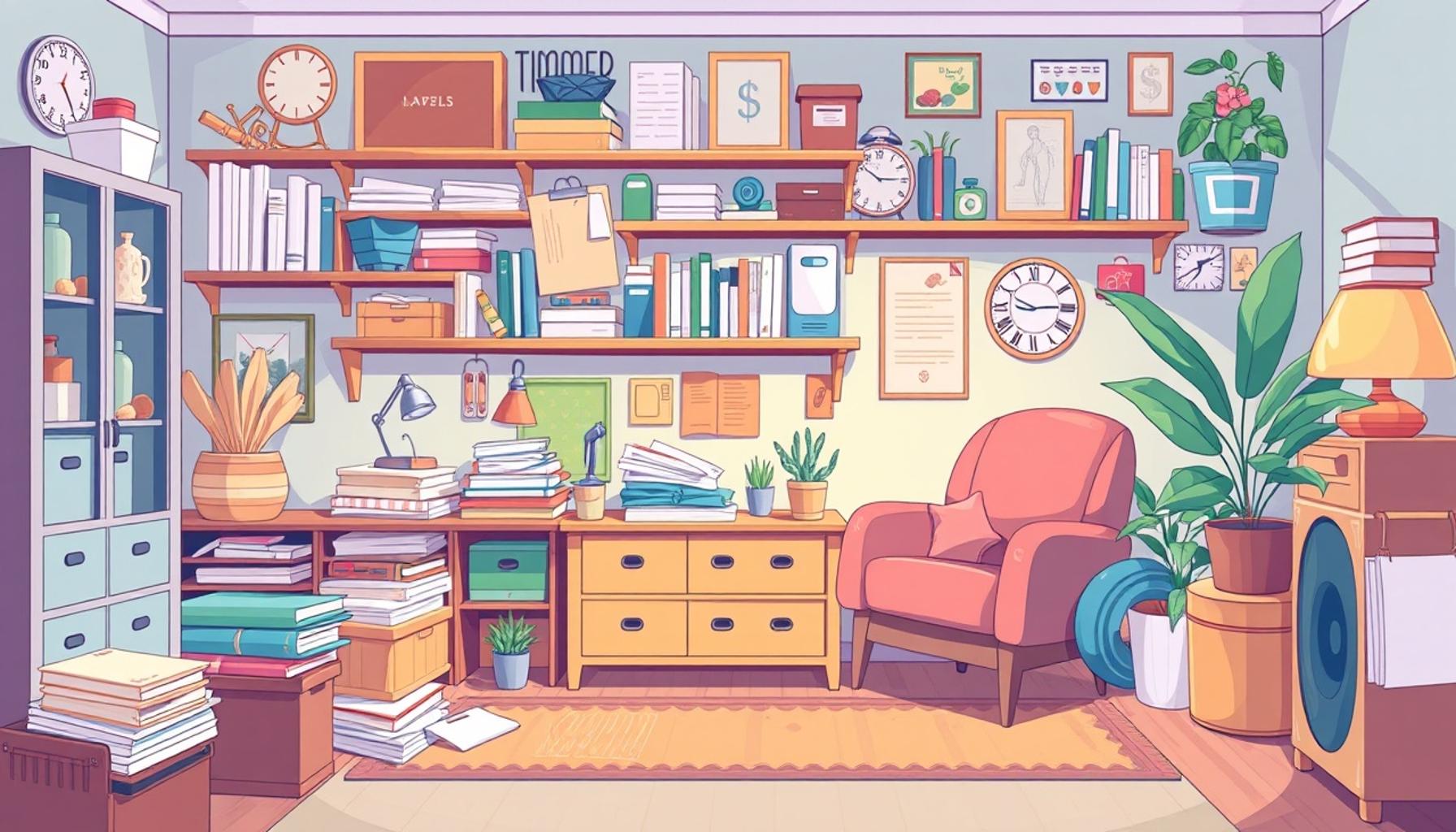
- Vertical Storage: When floor space is limited, look to the walls. Shelves can be installed above eye level for books, decor, or educational materials, freeing up valuable floor space and creating an organized aesthetic. In children’s rooms, utilizing wall-mounted organizers for art supplies or toys can encourage responsibility while keeping items neatly displayed and easily accessible.
- Hidden Storage Solutions: Consider utilizing furniture that conceals storage. Beds with drawers underneath or side tables with compartments can offer hidden space for linens, books, or miscellaneous items. This helps maintain a visually calm environment while still providing essential functionality.
Creating a warm and inviting atmosphere can also stem from how families approach organization. Families that implement structured organizational systems often find themselves fostering not only a tranquil environment but a sense of community. Establishing a balance between personal belongings and communal items will enhance family dynamics and encourage collective responsibility.
The Importance of Personalization
Minimalism doesn’t equate to a lack of character; families can still integrate personal touches that reflect their identity and values. By curating a selection of sentimental objects, photographs, or artwork, spaces become more meaningful without turning cluttered. Here are several ways to add a personal touch while preserving a simplistic aesthetic:
- Curate Family Displays: Create dedicated wall spaces or shelves that showcase meaningful items, such as family photos, travel souvenirs, or children’s artwork. Rotating the displayed items can refresh the space without accumulating more belongings.
- Utilize Decorative Containers: Implement stylish bins or baskets to categorize and store miscellaneous items. Opt for containers that complement the home’s color scheme, transforming ordinary storage into an aesthetic feature.
- Encourage Family Involvement: Engage family members in the design process by inviting them to select decorations or themes that resonate personally. Collaborating on space design fosters a sense of collective ownership and purpose.
Ultimately, creating a simplified family space is about striking the right balance between aesthetics and functionality. Personalization, when thoughtfully approached, can harmonize with the minimalist philosophy, allowing for an environment that respects both practicality and expression. As families explore these options, they can cultivate spaces that are not only easy to navigate but are also reflections of their shared journeys and aspirations.
Conclusion
In the quest for simplified spaces, families face the challenge of marrying minimalism with functionality. The journey toward a well-organized home doesn’t necessitate sacrificing warmth, character, or personal expression. Families, often juggling the demands of work, school, and social commitments, need spaces that support their lifestyle while bringing them closer together. By investing in innovative storage solutions, such as under-bed storage boxes or built-in shelving, and opting for multi-functional furnishings, such as sofa beds or extendable dining tables, families can create environments that are both visually appealing and highly practical.
The key lies in personalization; thoughtful curation of decorative items and sentimental objects transforms minimalist spaces into vibrant environments that resonate with family identity. For instance, a gallery wall featuring family photos and children’s artwork can add a splash of individuality to an otherwise sleek living room, making it feel uniquely theirs. This balance encourages a sense of collective responsibility, where every family member feels invested in the home’s aesthetics, and fosters crucial family dynamics. When everyone contributes to creating a homely atmosphere, it can strengthen bonds and promote a sense of belonging.
Practical, organized living does not imply a sterile or impersonal setting; rather, it invites dynamics that celebrate individuality amidst shared experiences. A family might choose a rustic dining table that tells a story, perhaps a hand-me-down piece that sparks conversations, paired with modern chairs to maintain the minimalist edge. As families in the United States and beyond embrace these principles, they will discover that creating a comfortable and inviting home transcends mere aesthetics. It’s about establishing spaces that support daily activities, from cozy movie nights in the living room to productive homework sessions at a streamlined kitchen table, all while promoting connection and reflecting shared aspirations.
Therefore, when considering how to create your own simplified space, remember that it is not just about decluttering—it’s about crafting a living environment that beautifully balances minimalism with functional living. This approach fosters meaningful interactions and cherished memories, leading to a home that truly embodies the spirit of the family it houses. Embracing minimalism can indeed be a step toward a richer, more fulfilled life, one that celebrates both simplicity and the intricate tapestry of family life.
Related posts:
The Connection Between Simplified Spaces and Mindfulness Practices
The Art of Letting Go: How to Simplify Your Space and Your Mind
Incorporating Nature into Simplified Spaces: Biophilic Design for a Minimalist Home
The Role of Simplified Spaces in Reducing Stress and Enhancing Productivity
Creating Simplified Spaces: Practical Tips for Minimalism at Home
The Environmental Benefits of Choosing Simplified Living Spaces

Linda Carter is a writer and organization expert specializing in minimalism and personal organization. With extensive experience helping individuals create clutter-free, functional spaces and adopt mindful habits, Linda shares her knowledge on our platform. Her goal is to empower readers with practical advice and strategies to simplify their lives, stay organized, and achieve a sense of calm and balance in their daily routines.