
The Art of Living with Less: How Minimalism Transforms Personal Maintenance Approach

Understanding Minimalism
In a culture often characterized by an endless pursuit of more—more possessions, more time, more everything—minimalism emerges as a refreshing counter-narrative. This philosophy is not merely about owning fewer things; it represents a profound shift in attitude toward our daily lives and possessions. When we adopt minimalism, it compels us to scrutinize our lives and to focus on what brings us genuine joy and utility. This discerning process can lead to new insights about our values and priorities.
Key Benefits of Adopting a Minimalist Lifestyle
Minimalism offers several key benefits that resonate deeply with individuals seeking greater purpose. For instance, one of the most visible advantages is enhanced focus. By eliminating superfluous items and distractions from our environments—be it physical clutter in our homes or mental clutter from overwhelming commitments—we create more space to center our attention on what truly matters. For example, a writer might find that a clean and minimalist workspace cultivates creativity and inspiration, allowing ideas to flow more freely.
- Less Stress: Studies suggest a strong correlation between physical clutter and psychological stress. A decluttered living space promotes a calmer environment, helping to alleviate anxiety and increase mental clarity. With fewer items to manage, individuals can enjoy a more serene atmosphere in which to thrive.
- Financial Savings: Living minimally naturally curtails impulsive buying habits. When one becomes intentional about their purchases, every financial decision can be scrutinized. Instead of spending money on material goods, those resources can be redirected to memorable experiences, like travel or education, leading to a more satisfying life overall.
Transformation of Personal Maintenance
This philosophy extends beyond just the physical realm; it profoundly impacts our approach to personal maintenance. Embracing minimalism leads to simplified routines, where prioritizing essential tasks and habits creates a more effective day-to-day flow. For instance, individuals might streamline their morning routines by decluttering their bathroom counters or organizing their wardrobes to facilitate simpler styling choices.
- Intentional Choices: Minimalism requires prompt reflection on our daily choices. Each decision is approached with a newfound mindfulness, urging individuals to ask, “Does this serve a purpose in my life?” This critical eye can make everything from wardrobe decisions to social commitments feel more meaningful.
- Increased Mindfulness: Living with less fosters a deeper connection to both our environments and experiences. When distractions are minimized, we can relish moments that typically pass us by unnoticed, like sharing a meal with friends or savoring a brisk walk through nature.
Minimalism’s Challenge to Consumer Culture
In the United States, where consumerism persists as a deeply ingrained social trend, minimalism poses a challenge to conventional lifestyles and expectations. As we delve into the nuances of how living with less can enhance personal maintenance, we open up avenues leading to a more intentional and enriching life. It encourages us to rethink our relationships with possessions and to embrace a lifestyle where quality reigns over quantity. By doing so, we can discover not just the beauty of simplicity but the freedom and joy it can inspire.
DIVE DEEPER: Click here to discover more
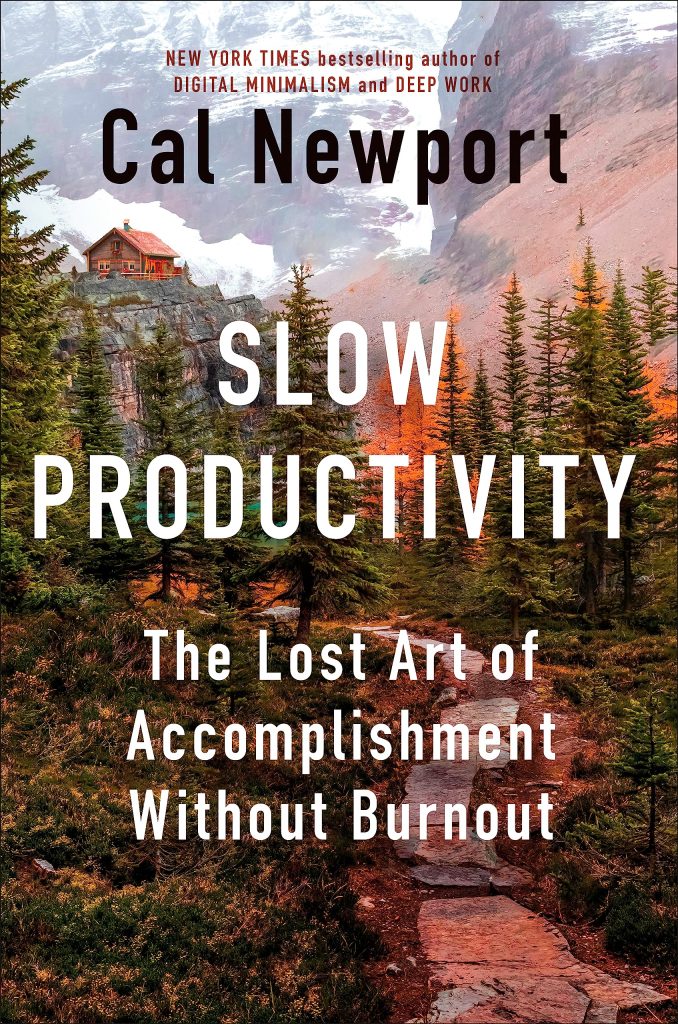
The Path to a Streamlined Existence
As we explore the transformative nature of minimalism, it becomes apparent that this approach is a practical means to achieve simplicity in our daily lives. By consciously deciding to live with less, individuals can revolutionize their personal maintenance routines and create a lifestyle that celebrates quality over quantity. Embracing less does not equate to depriving oneself; rather, it is an invitation to curate a life rich in meaning and purpose.
The Simplified Daily Routine
Minimalism encourages individuals to reevaluate their personal maintenance strategies, leading to a more streamlined daily routine. The essence of this transformation lies in decluttering both our physical and mental spaces. For instance, consider one’s morning rituals: a cluttered bathroom counter can slow down the preparation process, leaving individuals frazzled before they even step out for the day. By implementing minimalist practices, people can create organized spaces that promote efficiency. This might mean investing in multifunctional products or simply paring down the items one chooses to keep, ensuring everything serves a distinct purpose.
- Morning Devotion: The early hours can be reclaiming when one prioritizes simplicity. A streamlined morning routine could involve only essential items, transforming the time spent getting ready into a serene and enjoyable experience. Think of the brightness that comes from having limited choices; it allows for greater focus on what truly elevates personal style and comfort.
- Evening Reflection: Minimalist living extends to evening routines as well. By creating an evening wind-down habit devoid of digital distractions and clutter, individuals can foster a more calming and restorative environment, paving the way for better sleep and mental clarity.
Cultivating Mindfulness in Self-Care
Another key facet of minimalism is its ability to enhance mindfulness in self-care. When we commit to owning less, we naturally become more selective with our time and attention, inviting in activities that enrich our lives. Personal maintenance, often overlooked in the chaotic pace of modern life, can transform into a ritual of self-kindness. Whether through skincare routines, exercise regimens, or mindfulness practices, individuals can engage in activities that truly resonate with their values, promoting both physical and mental well-being.
Imagine dedicating fifteen minutes each day to a meditative practice, surrounded by an uncluttered space that invites relaxation. This shift in perspective allows personal maintenance to become less of a chore and more of a fulfilling experience that honors the individual’s needs and desires.
Rethinking Resources: Time and Energy
Minimalism compels us to reconsider how we allocate our most valuable resources: time and energy. As we pare down our possessions and commitments, we often discover more hours in the day. This newfound time can be redirected towards activities that foster personal growth or strengthen relationships. Instead of succumbing to societal pressure to overcommit, minimalists approach their schedules with an eye toward sustainability, ensuring that each engagement brings joy or fulfillment.
Through this mindful transformation, minimalism opens the door to a life characterized by intentionality and satisfaction, paving the way for further exploration of how living with less enhances personal maintenance ultimately leading to a richer and more meaningful existence.
One of the most significant aspects of adopting a minimalist lifestyle is the profound way it impacts personal maintenance. When we strip away the excess, we create room for clarity, efficiency, and self-awareness. Embracing minimalism means not only reducing physical clutter but also simplifying our mental and emotional landscapes. This transformative approach encourages individuals to prioritize meaningful experiences over material possessions.
Minimalism in personal maintenance can lead to more deliberate choices. For instance, by focusing on fewer, high-quality items in one’s wardrobe, individuals can spend less time deciding what to wear and more time engaging in activities that bring joy. It also promotes a sense of responsibility, as owning fewer things often means caring more deeply for each item. This consciousness can extend to other areas of life, motivating healthier habits and routines.
Furthermore, in the context of mental health, minimalism can drastically reduce stress levels. The endless distractions and obligations that typically accompany a cluttered life can lead to anxiety and burnout. By simplifying what we own and streamlining our commitments, we can cultivate a peaceful living environment, leading to improved well-being. The freedom that comes from this lifestyle allows one to thrive rather than merely survive.
As we delve deeper into the practices of minimalism, it becomes evident that this approach may vary from individual to individual. While some may choose to downsize their living spaces, others may focus on prioritizing quality time with loved ones. Regardless of the methods employed, the core philosophy of valuing less resonates throughout the minimalist journey. This provides fertile ground for exploring personal growth and elevating one’s overall maintenance approach.
To gain further insights into how minimalism can shape your life, consider what aspects you can simplify. Are there commitments or possessions that consume your time and energy while offering little return? Finding meaning in less can lead to enlightening realizations about what truly matters.
| Benefits of Minimalism | Transformative Aspects |
|---|---|
| Clarity and Focus | Reduced distractions lead to better decision making. |
| Improved Well-being | Less clutter can significantly decrease anxiety and stress. |
DON’T MISS: Click here to discover how simplified spaces can boost your productivity
Embracing Minimalist Practices for Enhanced Personal Well-being
As individuals navigate the world of minimalism, they often find that the benefits extend beyond simply decluttering physical spaces. Minimalism promotes an attitude of conscious consumption and an appreciation for the essentials, leading to profound transformations in personal maintenance approaches. This perspective encourages a deeper examination of habits and an opportunity to reevaluate our relationship with self, resources, and daily practices.
The Power of Intentional Consumption
One of the core principles of minimalism is intentional consumption, which helps refine our choices in personal care products and services. In the U.S., the beauty and personal care industry is valued at over $80 billion annually, with countless options vying for consumers’ attention. Minimalism encourages individuals to sift through the noise and focus on quality selections that align with their values. For example, rather than amassing a plethora of skincare products that promise quick results, minimalist enthusiasts might choose to invest in a few high-quality items that are both effective and environmentally friendly.
- Quality Over Quantity: This philosophy echoes throughout personal maintenance practices. Rather than purchasing numerous cheap items, minimalists often advocate for fewer, more luxurious choices—items derived from natural ingredients that contribute to overall health and wellness.
- Sustainable Practices: Many minimalists shift towards zero-waste shops or locally sourced products, which not only supports the environment but also enhances personal well-being. An investment in a few reusable items, like a bamboo toothbrush or a refillable lotion container, can significantly reduce clutter and contribute to a more sustainable lifestyle.
Holistic Health: A Minimalist Perspective
Minimalism also invites practitioners to approach health and fitness with a streamlined mindset. Traditional fitness routines can often feel overwhelming, filled with endless options for workouts, memberships, and diets. By adopting a minimalistic approach, individuals can focus on holistic health, prioritizing activities that promote balance, wellness, and joy. This could manifest as favoring short, high-intensity workouts over lengthy gym sessions or introducing calming practices like yoga or tai chi into their daily routine.
Consider an evolving trend among fitness enthusiasts: the rise of minimalist running. Many athletes have moved away from using heavily cushioned shoes in favor of more natural, lightweight alternatives, resonating with the minimalist ethos of simplifying one’s approach to personal care. This shift towards simplicity often cultivates a deeper connection to the body and fosters mindfulness throughout the fitness journey.
Mental Clarity Through Digital Minimalism
Digital devices and social media have an undeniable impact on personal maintenance strategies, often leading to distractions that disrupt our ability to focus on self-care. Minimalism extends into the digital realm, where digital decluttering plays a critical role in promoting mental clarity. By reducing screen time and streamlining online activities—like limiting social media use and unsubscribing from unnecessary notifications—individuals can carve out time for self-reflection and personal development.
Engaging in regular digital detoxes or curating social media feeds to feature inspiring, uplifting content create a more nourishing online environment. This intentional engagement leads to a healthier relationship with technology and fosters improved overall well-being, inherently transforming personal maintenance approaches into acts of care and self-respect.
As individuals embrace these minimalist practices in their daily lives, they not only pave the way for enhanced personal maintenance routines but also cultivate a sustainable lifestyle that nurtures both the body and mind.
DISCOVER: Click here to learn more
Conclusion: The Transformative Journey of Minimalism
In navigating the landscape of minimalism, individuals uncover a profound opportunity not only to declutter their physical environments but also to fundamentally reshape their personal maintenance approaches. The shift towards intentional consumption allows us to prioritize quality over quantity, fostering a healthier relationship with the products we choose and the services we seek. By embracing sustainable practices, such as investing in eco-friendly products, we make conscious efforts that benefit both our well-being and the planet.
Furthermore, minimalism encourages a holistic view of health that emphasizes balance and mindfulness over the hustle of modern fitness trends. Engaging in activities that bring joy and fulfillment, whether through dynamic workouts or calming practices like yoga, leads to a richer sense of self. Additionally, as we explore the realm of digital minimalism, we learn to reclaim our time and mental clarity, distancing ourselves from the incessant distractions of technology.
The art of living with less teaches us that true fulfillment lies not in an abundance of possessions but in nurturing a lifestyle that honors our values and well-being. As minimalism continues to shape personal maintenance approaches, it empowers us to prioritize self-care, sustainability, and authenticity. By living with less, we open the door to a life rich in meaning and purpose, encouraging us to embrace simplicity as a pathway to freedom and happiness. Start your journey today, and discover how much more life has to offer when you intentionally choose what truly matters.
Related posts:
Minimalism and Sustainability: Efficient Maintenance with Less Consumption
The Art of Simplifying: How Minimalism Eases the Maintenance of Personal Space
How Minimalist Aesthetics Contribute to Ease of Maintenance in Environments
Effortless Organization: Practical Tips for Implementing Minimalism in Daily Life
The Role of Technology in Effortless Maintenance of Minimalist Lifestyles
Creating Multifunctional Spaces to Reduce Maintenance Work

Linda Carter is a writer and organization expert specializing in minimalism and personal organization. With extensive experience helping individuals create clutter-free, functional spaces and adopt mindful habits, Linda shares her knowledge on our platform. Her goal is to empower readers with practical advice and strategies to simplify their lives, stay organized, and achieve a sense of calm and balance in their daily routines.