The connection between intentional consumption and sustainability: building a more conscious future

The Role of Consumer Choices in Environmental Impact
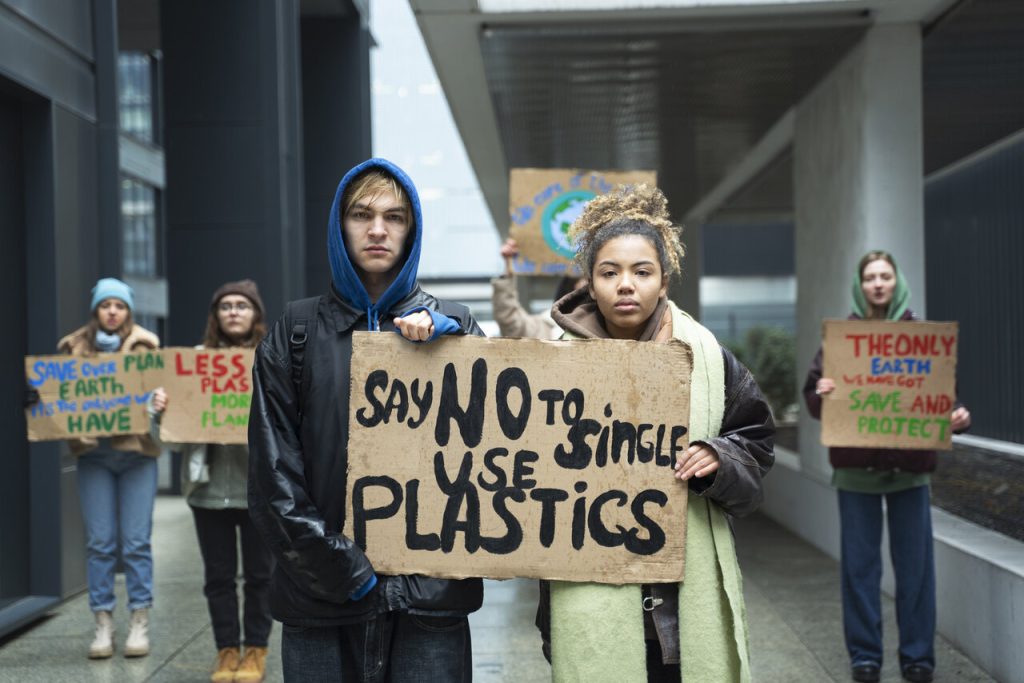
In today’s rapidly changing world, the choices we make as consumers profoundly shape the environment we inhabit. The concept of intentional consumption reflects a growing awareness of the impact our purchasing decisions have on the planet. As individuals begin to think critically about their consumption habits, they increasingly align these choices with principles of sustainability, contributing to a more conscious future.
Understanding the connection between consumption and sustainability involves a multifaceted approach that considers several crucial factors:
- Resource Management: The way we utilize natural resources—be it water, minerals, or fossil fuels—directly affects ecosystems. For instance, the drive for fast fashion often leads to excessive water usage and pollution. By choosing to buy from brands that prioritize sustainable materials and methods, consumers can help mitigate these impacts.
- Waste Levels: Intentional consumers strive to minimize waste through conscious buying habits. This includes selecting products with minimal packaging or those made from recycled materials. An example of this is the rise of zero-waste stores across the United States, where consumers can bring their containers and shop without excess packaging.
- Economic Influence: Supporting sustainable brands not only aligns with personal values but also drives change within markets. When consumers show preference for eco-friendly products, companies are often compelled to adapt their practices to meet this demand, leading to broader societal changes.
As awareness of social and environmental issues grows, the movement towards intentional consumption is gaining significant momentum across the nation. Brands that prioritize ethical practices are more than just a trend; they represent a shift in market dynamics as meticulous shoppers are ready to invest in products that reflect their values.
Importantly, the effects of this consumer trend extend beyond mere purchasing behaviors. They also foster a culture of:
- Transparency: Encouraging brands to disclose their sourcing and production methods allows consumers to make informed choices. Companies like Patagonia exemplify this ethos by openly discussing their supply chain practices.
- Community Engagement: Consumers, brands, and local ecosystems are increasingly connected. Initiatives like local farmers’ markets not only boost the economy but also foster relationships between producers and consumers, leading to a more sustainable approach to food sourcing.
- Innovation: The push for sustainability motivates businesses to develop innovative solutions. For example, companies are now creating biodegradable packaging out of materials like seaweed and mushrooms, significantly reducing plastic waste.
As we explore the intricate ties between intentional consumption and sustainability, it becomes clear that our journey towards a more responsible future begins with our informed choices. By consciously deciding where to spend our money, we not only influence market trends but also contribute to a healthier planet for generations to come. The call for intentional consumption is not just a movement; it is a necessary evolution in how we perceive our roles as consumers in a global economy. Embracing this shift requires us to reflect on our habits and consider the long-term implications of our purchases, leading to a more sustainable and equitable world.
DIVE DEEPER: Click here to discover how simplified spaces can boost your well-being
Understanding Intentional Consumption
At its core, intentional consumption embodies a thoughtful approach to purchasing decisions, where conscious awareness of the environmental and social implications of products drives consumer behavior. This paradigm shift has empowered individuals to consider not just the price tag of an item, but also its long-term impact on the planet and society. As a growing number of Americans engage in this mindset, a collective movement towards sustainability is being forged, paving the way for transformative changes in consumer culture.
The rise of intentional consumption can be attributed to several interconnected trends that reflect increased public concern for ecological and ethical issues. These trends include:
- Education and Awareness: A surge in accessibility to information has enabled consumers to educate themselves about the environmental ramifications of their purchases. Documentaries like “The True Cost” have shed light on the dark side of fast fashion, prompting shoppers to reconsider their buying habits.
- Social Media Influence: Platforms such as Instagram and TikTok have amplified discussions around sustainability, making eco-friendly practices fashionable. Influencers often advocate for minimalism and sustainable living, reaching millions and inspiring newfound accountability among followers.
- Public Policy and Corporate Responsibility: Increased governmental focus on sustainability, coupled with pressure from consumers, has led corporations to adopt greener practices. Companies are now more frequently mandated to report their environmental impact, fostering transparency and accountability that consumers are increasingly seeking.
One key component of this movement is the examination of consumer values. A 2021 survey revealed that nearly 70% of Americans prioritize purchasing products from brands that demonstrate a commitment to sustainability. Consumers are not just looking for eco-friendly options but are willing to pay a premium for products sourced responsibly. This shift in values underscores the potent influence of intentional consumption on market dynamics.
Furthermore, the concept of a circular economy is gaining traction, encouraging consumers to think beyond traditional ownership and disposal models. This approach focuses on reusing, repairing, and recycling products rather than merely discarding them. The increasing popularity of second-hand shopping, exemplified by thrift stores and online platforms like Poshmark and Depop, illustrates how intentional consumption can lead to more sustainable practices and reduce waste.
As individuals align their consumption with sustainable values, they become not only consumers but also advocates for change within their communities. Local initiatives, such as community gardens and cooperative grocery stores, exemplify this shift, demonstrating how consumer choices can cultivate social relationships while promoting environmental stewardship. By collectively supporting intentional consumption, communities can fortify their resilience against the growing threats of climate change.
Ultimately, the connection between intentional consumption and sustainability cultivates a culture where individual choices resonate on a larger scale. As consumers adopt this conscious framework, they contribute to a powerful narrative that advocates for a healthier planet and a more equitable society. The journey toward building a more conscious future is not simply an idealistic vision but a tangible undertaking that begins with each purchase made and each choice embraced.
| Advantages | Impact on Sustainability |
|---|---|
| Promotes Ethical Choices | Encourages consumers to support environmentally friendly products and brands, which leads to a lower carbon footprint. |
| Encourages Resource Conservation | Fosters a culture of reducing waste through mindful purchasing, thus preserving natural resources for future generations. |
In today’s world, the link between intentional consumption and sustainability has never been more crucial. Each purchase carries weight and consequences that ripple beyond immediate satisfaction. The choices made at the checkout aisles can either contribute to a more sustainable future or exacerbate environmental issues. Hispanic and English-speaking communities are increasingly recognizing this relationship, leading to greater consumer awareness.Moreover, through the support of local producers and sustainable brands, individuals can make informed decisions that reflect their values. This behavior not only fosters community cohesion but also promotes fair labor practices. By taking part in intentional consumption, consumers actively engage in environmental stewardship and ethical consumerism. Embracing this journey leads to a collective effort toward a sustainable future where resources are treasured rather than exploited. The empowerment of informed choices can transform consumer habits, ultimately paving the way for a more sustainable tomorrow.
DON’T MISS: Click here to discover the key role of routine
Shifts in Industry and Consumer Relationships
The emphasis on intentional consumption is not merely a fleeting trend; it has sparked profound changes within various industries. Retailers and manufacturers are re-evaluating their business models to meet the rising expectations of eco-conscious consumers. As these market shifts occur, the connection between sustainability and consumer behavior strengthens, ushering in a new era of responsible production and consumption.
One significant transformation can be observed in the food industry. As more consumers advocate for sustainably sourced and organic products, businesses are striving to provide transparent sourcing information and adopting practices that minimize environmental impact. For instance, a report from the Hartman Group highlights that 85% of American consumers now prioritize sustainability when choosing their food products. This wave of intentional consumption not only influences the popularity of local farmers’ markets but also compels major supermarket chains to stock organic and ethically-sourced goods.
Additionally, the textile and fashion industries are experiencing substantial pressure to adopt ethical practices. Brands like Patagonia and Eileen Fisher have pioneered sustainable initiatives that focus on using recycled materials and promoting fair labor practices as part of their core missions. The response from consumers has been overwhelmingly positive, as shoppers increasingly align their values with brands that contribute to a more conscious future.
Moreover, the rise of the sharing economy has revolutionized how individuals approach ownership. Platforms such as Airbnb and Uber showcase a societal shift toward shared resources instead of personal ownership, allowing users to access services without the ecological footprint of traditional consumption models. A growing body of evidence suggests that embracing sharing practices can reduce greenhouse gas emissions and maximize resource efficiency, thereby contributing to sustainability goals.
In tandem with these industry shifts, the concept of ethical consumerism is becoming prominent in public discourse. A recent study from Mintel revealed that over 50% of U.S. consumers are willing to change their shopping habits to reduce environmental harm. This proactive stance has prompted brands to focus on eco-labeling as a strategy to inform consumers and earn their trust. According to the Environmental Protection Agency (EPA), businesses that embrace sustainability often enjoy better financial performance, further demonstrating that intentional consumption can yield benefits beyond ethical imperatives.
Yet, with these positive changes comes a crucial challenge—greenwashing. As consumer demand for sustainable products grows, some companies risk misleading consumers through deceptive marketing practices. An analysis by the New York Times found that nearly 60% of sustainability claims made by brands could be misleading or unsubstantiated. This highlights the importance of consumers conducting due diligence and supporting companies that genuinely embody sustainable values.
As the landscape of intentional consumption evolves, it fosters opportunities for businesses to rethink their practices and develop innovative ways to engage with consumers. Whether through local sourcing, sustainable packaging, or investing in community initiatives, the connection between intentional consumption and sustainability is paving pathways towards a more equitable and environmentally conscious future.
DISCOVER MORE: Click here to delve into the history of minimalism
Conclusion: Embracing a Conscious Future
As we examine the intricate connection between intentional consumption and sustainability, it is clear that our collective choices have the power to reshape not only industries but the very fabric of our society. The pivotal shifts in consumer behavior reflect a growing awareness that every purchase carries environmental and ethical implications. Businesses that prioritize sustainability are not merely adapting to a market trend; they are laying the groundwork for a future where profit coexists harmoniously with purpose.
The remarkable transformations seen in sectors like food, fashion, and the booming sharing economy serve as powerful case studies in how intentional consumption can drive systemic change. As consumers increasingly demand transparency and ethical practices, companies are rising to the occasion, recognizing that aligning with these values can lead to both a loyal customer base and enhanced financial performance. Importantly, the growing embrace of ethical consumerism signals a cultural shift that emphasizes environmental responsibility and social equity.
However, the journey towards sustainability is not without its challenges. The risk of greenwashing looms large, underscoring the necessity for consumers to remain vigilant and discerning in their choices. By supporting genuinely sustainable brands and holding businesses accountable for their claims, consumers can further propel this significant movement.
Ultimately, the path to a more conscious future lies in the hands of us all. As we continue to navigate our choices and advocate for responsible consumption, we inch closer to a world where sustainability is not only integral to our economy but also a fundamental aspect of our daily lives. Embracing intentional consumption today is vital in fostering a resilient and sustainable tomorrow.
Related posts:
The importance of intentional consumption in building a minimalist lifestyle
The role of intentional consumption in creating minimalist and functional living spaces
Demystifying Intentional Consumption: Practical Strategies for a Conscious Minimalist Life
How intentional consumption can redefine the concept of success and happiness in modern society
The role of intentional consumption in stress reduction and well-being promotion
Transforming Spaces: The Relationship between Intentional Consumption and the Creation of Minimalist...

Linda Carter is a writer and organization expert specializing in minimalism and personal organization. With extensive experience helping individuals create clutter-free, functional spaces and adopt mindful habits, Linda shares her knowledge on our platform. Her goal is to empower readers with practical advice and strategies to simplify their lives, stay organized, and achieve a sense of calm and balance in their daily routines.