
The Role of Artificial Intelligence in Robotic Systems
The incorporation of artificial intelligence (AI) into robotic systems signifies a watershed moment in technological advancement, particularly within the framework of Industry 4.0. As industries grapple with the need for greater efficiency and productivity, these intelligent machines are revolutionizing workflows and operational methodologies. The merging of AI with robotics is not just a fleeting trend; it is a transformative force that is fundamentally altering the dynamics of manufacturing, logistics, and service delivery across multiple sectors.
Enhanced Automation
A key feature of this evolution is the drive toward enhanced automation. Modern robots equipped with AI algorithms are able to take on complex tasks autonomously, reducing the need for human intervention. For instance, in warehouses across the United States, companies like Amazon employ robotic systems for sorting and packaging items without human oversight. This capability not only speeds up the logistics process but also minimizes human error and workplace injuries.
Data-Driven Insights
The integration of AI brings with it a profound capacity for data-driven insights. Robots can analyze data from their surroundings, learning from their experiences to continually refine their operations. This capability allows for predictive maintenance, where robots can alert maintenance teams of potential failures before they occur, thus avoiding costly downtimes. A notable example is how AI-driven robots in manufacturing can adjust their processes in real-time based on data inputs regarding production flow or machinery performance.
Collaboration with Humans
Another exciting aspect of this evolution is the rise of collaborative robots, or cobots, which work side by side with human workers. This collaboration not only enhances productivity but also significantly increases workplace safety. For example, in automotive manufacturing, cobots assist assembly line workers by lifting heavy components, allowing humans to focus on precision tasks that require fine motor skills. This synergy fosters an environment where both humans and robots can thrive together, effectively maximizing their strengths.
Innovation in Production
Industries like automotive and electronics are at the forefront of this revolution, utilizing AI-driven robotics to accelerate production processes. Companies such as Tesla have implemented advanced robotic systems in their factories, enabling them to maintain high-volume production while ensuring quality and safety standards. This innovative approach is changing not only how products are manufactured but also reshaping consumer expectations regarding production efficiency and product delivery times.
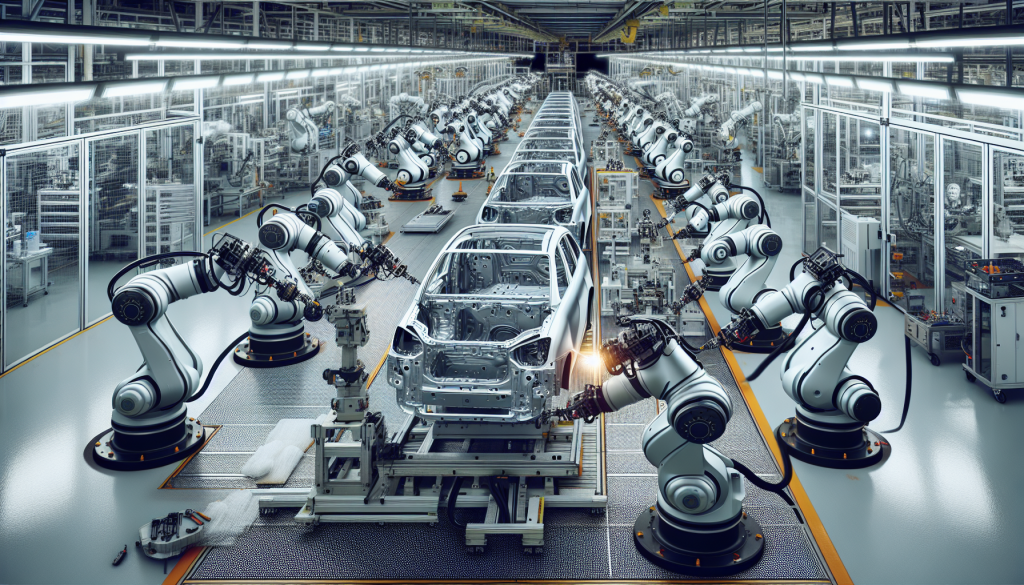
The profound benefits of this technological shift are significant. Organizations report increased productivity as automated tasks drastically reduce downtime and enhance output. Coupled with cost efficiency, streamlined operations allow businesses to lower their operational costs and allocate resources effectively. Furthermore, AI technologies ensure quality improvement by maintaining high standards through precision and consistency in processes.
As we explore the interplay between robotics and AI further, it becomes clear that this relationship is not merely about machines taking over human jobs. Instead, it is about creating a harmonious partnership that promises to drive innovation and sustainable growth across diverse sectors, potentially reshaping the very fabric of our economy.
DISCOVER MORE: Click here to delve deeper
Transformative Impacts of AI on Robotics
The evolution of robotic systems, enhanced by artificial intelligence, has ushered in a new era of operational capabilities that are reshaping industries. As we dive deeper into the implications of this convergence, it becomes evident that the integration of AI is not merely a technical upgrade; it represents a fundamental shift in how businesses operate and innovate. This shift is characterized by several key developments, which we will explore further.
Increased Adaptability
One of the primary advantages of incorporating AI into robotic systems is their increased adaptability. Unlike traditional robots, which are often programmed for specific tasks, AI-enhanced robots can learn from their environment and modify their functions accordingly. This adaptability is crucial in sectors such as manufacturing, where conditions may change rapidly due to varying demands, supply chain disruptions, or even changes in personnel. For instance, factories equipped with AI-driven robots can quickly switch production lines to accommodate different product types, ensuring that businesses remain agile and responsive to market demands.
Advanced Learning Capabilities
AI technologies empower robots with advanced learning capabilities through machine learning and deep learning algorithms. This enables robots to process vast amounts of data and improve their performance over time. For example, in the automotive industry, robots can analyze fault patterns in assembly lines, allowing them to predict and prevent failures before they impact production. These predictive capabilities enhance not only efficiency but also significantly reduce costs associated with unexpected downtimes and repairs.
Access to Real-Time Data
The integration of AI allows robotic systems to access real-time data from multiple sources, including sensors and networked machinery. This ability enables robots to make informed decisions that optimize processes without human oversight. For example, in the realm of agriculture, drones equipped with AI can analyze crop health via real-time imaging. By correlating this data with soil conditions, they can suggest optimal fertilizer application rates, improving yields and resource efficiency. This level of connectivity epitomizes the smart factory model that is central to Industry 4.0.
Key Benefits of AI Integration in Robotic Systems
The transition to AI-powered robotics is fraught with significant benefits, including:
- Operational Efficiency: Automating processes reduces labor costs and increases production speeds.
- Precision and Quality: AI robots maintain high accuracy levels, reducing waste and enhancing product quality.
- Scalability: AI systems can be easily scaled up or down depending on business needs, making them ideal for fluctuating market conditions.
- Informed Decision-Making: Access to extensive data allows businesses to base their operational strategies on analytics rather than intuition.
As we analyze the strides made by AI in the field of robotics, it emerges that we are merely at the beginning of a much larger journey. The symbiosis of AI and robotic systems promises not just improved efficiencies but an evolution in how industries will function in the near future. The potential for innovation is boundless, inviting organizations to explore new avenues in their operational frameworks and leading them to reconsider what is possible in their respective fields.
The rapid advancement in technology has redefined the landscape of industrial operations, particularly with the integration of Artificial Intelligence (AI) in robotic systems. AI empowers robots to carry out complex tasks, thus enhancing their efficiency and capability. In Industry 4.0, the synergy between robotics and AI ensures automation is not only about performing repetitive tasks but also involves cognitive functions like learning and adaptation. As these intelligent systems gather data, they continuously improve their performance, leading to significant decreases in downtime and increased productivity.
Moreover, AI-driven robotic systems contribute to safety and reliability in manufacturing environments. Advanced algorithms allow robots to operate in tandem with human workers, minimizing risks and streamlining processes. For instance, through real-time monitoring, these systems can detect anomalies and halt operations to prevent accidents, showcasing a proactive approach to workplace safety.
Additionally, the ability to analyze vast amounts of data is another advantage fuelled by AI. Robotic systems can interpret data patterns, enabling companies to make better-informed decisions. This leads to improvements in supply chain management, quality control, and maintenance schedules, ultimately resulting in more agile manufacturing operations. Thus, businesses that embrace these technologies not only stay competitive but also pave the way for future innovation.
| Category | Benefits |
|---|---|
| Efficiency | AI enhances robotic performance, reducing operational downtime and increasing productivity. |
| Safety | Integration of AI allows for real-time monitoring, thereby minimizing risks and improving workplace safety. |
In the context of manufacturing, such advancements promise not just greater productivity, but also the potential for unprecedented operational agility. As these intelligent robotic systems evolve, sectors from automotive to electronics can expect transformative changes, driven by the power of AI technology.
DIVE DEEPER: Click here to discover future trends in NLP
Redefining Workforce Dynamics
The integration of artificial intelligence in robotic systems does not merely enhance productivity; it fundamentally redefines the workforce dynamics within industries. As robots take on more roles traditionally handled by humans, companies are witnessing not only changes in job descriptions but also an evolution in the skill sets required from their workforce. This shift highlights the need for new educational avenues and training programs focused on AI and robotics.
Emerging Job Roles
With robots increasingly becoming key players in industrial settings, emerging job roles are evolving to manage and oversee these sophisticated systems. Positions such as AI specialists, robot coordinators, and maintenance technicians skilled in both traditional mechanical systems and advanced AI algorithms are becoming critical. For example, Tesla’s Gigafactory has emphasized the importance of technical interfaces between human workers and AI-driven robotic machines, fostering roles that bridge this technology gap.
Reskilling and Upskilling Initiatives
The necessity for reskilling and upskilling initiatives is paramount as businesses transition towards a robotics-centric approach. According to a report by the World Economic Forum, over 85 million jobs may be displaced by the shift to automation, but at the same time, 97 million new roles are expected to emerge that are more adapted to the new division of labor between humans and machines. Companies must invest in training programs that provide existing employees with knowledge in data management, machine learning, and robotics operation to maintain competitiveness in an increasingly automated environment.
Sustainable Growth through Collaboration
The convergence of AI and robotics also encourages sustainable growth through collaboration. Collaborative robots, or cobots, are designed to work alongside human workers, facilitating an integrated working environment that amplifies productivity without fully replacing the human element. These robots not only assist in mundane or hazardous tasks but also enhance human capabilities by allowing workers to focus on more complex and strategic initiatives. For instance, in warehousing, AI-powered cobots manage inventory checks and transport, freeing human employees to concentrate on decision-making and customer interaction roles that require empathy and nuanced understanding.
Ethical Considerations in AI Deployment
The rapid integration of AI in robotic systems also raises important ethical considerations that industries cannot afford to overlook. Questions about data privacy, job displacement, and the moral implications of autonomous systems are on the minds of policymakers and business leaders alike. As industries adopt more AI-driven technologies, establishing ethical frameworks becomes essential to guide the responsible use of these innovations. Multinational corporations like Google and Microsoft are already committing to ethical AI practices, advocating for transparency and accountability as they integrate AI into their operational models.
Moreover, the need for regulations that address these ethical concerns is increasingly critical. As the robotics industry grows, so does the demand for frameworks governing safety standards, user privacy, and data security, which are pivotal for consumer trust and overall societal acceptance of AI technologies.
The evolving landscape due to the integration of AI in robotic systems continues to generate profound transformations across varied sectors. The promise of enhanced productivity, alongside emerging job roles and ethical considerations, sets the stage for intricate discussions and proactive strategies that industries must engage in to navigate this uncharted territory effectively.
DIVE DEEPER: Click here to learn more
Conclusion: Embracing the Future of Work
The fusion of artificial intelligence with robotic systems marks a monumental shift in the landscape of Industry 4.0. As organizations adapt to this new technological paradigm, they unlock unprecedented levels of efficiency, redefining not only production capabilities but also the nature of work itself. With emerging job roles and a growing demand for specialized skills, this evolution emphasizes the importance of reskilling and upskilling, ensuring that the human workforce evolves in tandem with these advancements.
Furthermore, the collaboration between human workers and cobots exemplifies a harmonious approach to enhancing productivity without sacrificing the human touch—a crucial element in many sectors. As industries embrace AI-driven robotics, the narrative extends beyond mere economic gain; it encompasses significant ethical considerations. Ensuring transparent practices and establishing regulatory frameworks will guide the responsible implementation of these technologies, fostering public trust and societal acceptance.
In conclusion, the evolution of robotic systems within the context of Industry 4.0 beckons a future filled with opportunities and challenges. As we advance, it is essential for businesses, policymakers, and educational institutions to collaborate, crafting a landscape where technology and humanity coexist and thrive. This journey requires proactive strategies to harness the potential of AI and robotics while addressing the ethical dilemmas they present, ultimately paving the way for a more innovative and sustainable industrial future. The time is now for industries to adapt, innovate, and lead in this rapidly transforming world.


 Linda Carter