
The impact of intentional consumption on fashion choices and personal style within minimalism

The Shift Towards Mindful Fashion Choices
In today’s fast-paced world, the concept of intentional consumption is gaining traction, particularly within the fashion industry. As consumers become more informed about the implications of their purchases, they are increasingly leaning toward a mindful approach. This shift isn’t just about making a statement; it’s fueled by a deep-rooted understanding of environmental issues, ethical production practices, and the impact of fast fashion on the globe.
Intentional consumption in fashion manifests through distinct choices that prioritize sustainability and ethical considerations. For instance, many consumers are now prioritizing quality over quantity. Instead of purchasing numerous cheap items destined for short-term use, many are willing to invest in a few well-made pieces that promise longevity. Brands that produce durable clothing often highlight craftsmanship and materials sourced responsibly, appealing to this discerning consumer base.
Moreover, there is a notable preference for sustainable and ethical brands. Companies like Patagonia and Everlane have gained popularity by practicing transparency in their supply chains and offering eco-friendly materials. These brands not only promote their environmentally friendly ethos but often engage in community outreach, making them more appealing to conscious consumers who value social responsibility.
Another significant behavior associated with intentional consumption is the reduction of impulse buys. Retail strategies such as limited-time sales may be enticing, but these tactics can lead to regrettable purchases. Consumers are now more vigilant, carefully considering whether a garment truly fits into their lives and aligns with their values. This thoughtful purchasing approach has led to the rise of capsule wardrobes, wherein a small collection of versatile pieces can create numerous outfits.
Building a Curated Wardrobe and Personal Style
This conscientious decision-making process profoundly impacts individual personal style. With a focus on versatile, timeless pieces, many are now cultivating curated wardrobes that embrace minimalism. This transition promotes:
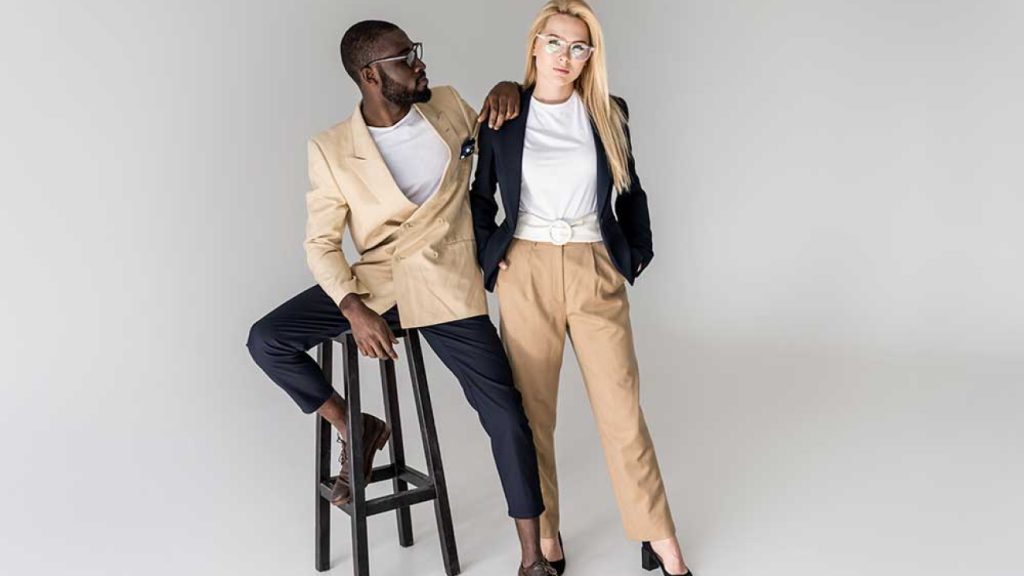
- A stronger personal identity: As individuals thoughtfully select their clothing, they express their values and style through a defined aesthetic.
- Increased creativity in outfit styling: Limited pieces encourage wearers to mix and match outfits, thereby enhancing their personal expression through fashion.
- A deeper connection to one’s clothing choices: By valuing each piece, consumers create a bond with their wardrobe, leading to a more satisfying and intentional dressing experience.
As minimalism continues to intertwine with intentional consumption, the fashion landscape is evolving. This article invites readers to explore how practices rooted in mindfulness are reshaping consumer behavior and redefining aesthetics in contemporary fashion. The journey towards an intentionally curated wardrobe can illuminate deeper meanings of personal expression, prompting a reassessment of fashion choices in an era of rapid change.
DIVE DEEPER: Click here to learn more
The Essence of Intentional Fashion Choices
The integration of intentional consumption within the realm of fashion choices signifies a substantial shift from traditional consumer habits. This metamorphosis not only questions the rhythm of consumption but also delves into the ethics of production and the environmental footprint of clothing. As scrutiny on the fast fashion industry intensifies, consumers are increasingly aware that their buying decisions go beyond mere aesthetics; they reflect a broader commitment to sustainability and ethical standards.
One of the core principles of intentional consumption is the embracing of a less-is-more philosophy. This notion encourages individuals to focus on fewer, high-quality items that serve multiple purposes, rather than amassing a plethora of garments that clutter both closet and conscience. The result is a surge in interest surrounding capsule wardrobes, which expertly curate essential pieces designed for versatility. According to a survey by the Council of Fashion Designers of America (CFDA), over 70% of consumers now consider versatility a key factor when making purchasing decisions. This marks a paradigm shift towards appreciating functionality and style in harmony.
In tandem with curating wardrobes for minimalism, many consumers are turning to second-hand shopping as a way to practice intentional consumption. Thrift stores and online platforms like Poshmark and Depop are flourishing under the weight of this trend. A report by ThredUp suggests that the second-hand apparel market could reach $64 billion by 2024, demonstrating a clear move away from conventional retail towards more sustainable practices. This growing preference for pre-owned fashion not only aligns with environmental awareness but also takes on a unique charm; each piece carries a story, offering a personal touch that fast fashion often lacks.
Furthermore, intentional consumption shapes individual style by nurturing a focused aesthetic that stands the test of changing trends. Consumers are more inclined to select timeless pieces rather than transient, trend-driven items. This intentionality fosters a more profound connection to clothing, allowing personal style to flourish unencumbered by the pressures of fleeting fashion cycles. Wearing the same outfit multiple times, once seen as a faux pas, is now celebrated as a testament to one’s mindful fashion choices.
- Increased engagement in fashion storytelling: As consumers invest in fewer, high-quality pieces, their fashion choices become a narrative of personal expression, reflecting their values and beliefs.
- Enhanced appreciation for craftsmanship: Intentional consumers often seek brands that emphasize artisanal techniques and ethical materials, fostering a culture of appreciation for quality.
- Empowerment through informed choices: With the rise of conscious consumption, consumers increasingly feel empowered to challenge fast fashion’s pitfalls, making informed choices that align with their ethical considerations.
In essence, the impact of intentional consumption is reshaping not only how individuals approach their wardrobes but also contributing to a larger movement towards sustainability in fashion. This transition invites ongoing dialogue about the values we associate with clothing, challenging the norms and propelling us towards a collective embrace of mindful fashion.
The Influence of Intentional Consumption on Fashion Choices
As intentional consumption becomes more prevalent, the way individuals approach their fashion choices begins to shift significantly. Minimalism encourages consumers to be mindful of their purchases, fostering a deeper connection with their clothing. This mindful approach entails choosing versatile pieces that genuinely resonate with an individual’s aesthetic and values, rather than impulsively buying trendy items that clutter wardrobes.Intentional consumption often leads to a more curated personal style. Individuals start seeking out quality over quantity, opting for timeless designs and sustainable materials that not only enhance their wardrobe but also align with their ethical beliefs. This selective process enhances the individuality of one’s style, allowing personal expression to shine through thoughtfully chosen pieces. Additionally, embracing minimalism can free up mental space by reducing decision fatigue; fewer clothing choices mean less stress when getting dressed.Moreover, the impact of intentional consumption extends beyond the personal realm. It influences the fashion industry by encouraging brands to adopt sustainable practices. As consumers become more aware of their choices, they demand transparency in sourcing materials and manufacturing processes, leading to a more ethical fashion landscape. Consequently, the ripple effects of intentional consumption challenge fast fashion models, promoting a shift toward responsible and sustainable practices that benefit both the environment and society as a whole.
Table of Advantages
| Advantages | Details |
|---|---|
| Enhanced Personal Identity | Intentional consumption cultivates a distinctive personal style reflective of one’s values. |
| Reduced Environmental Impact | By prioritizing quality, consumers contribute to sustainability and lower waste in the fashion industry. |
As individuals explore the intersection of intentional consumption and personal style, they uncover a path to not just a minimalist wardrobe but a more thoughtful and expressive life. Engaging with this approach could fundamentally alter how the fashion industry operates and how consumers interact with their wardrobes, encouraging a significant cultural shift towards careful consumption and refined aesthetics.
DISCOVER MORE: Click here for valuable strategies
Redefining Personal Identity Through Thoughtful Consumption
The practice of intentional consumption not only transforms the way individuals curate their wardrobes but also reshapes their understanding of personal identity in the context of fashion. As consumers navigate the complexities of modern style, many find empowerment in aligning their clothing choices with personal values and beliefs. This evolving mindset is creating a cultural shift where fashion serves as a vehicle for expression rather than mere conformity to trends.
Among the prevailing trends spurred by intentional consumption is the rising importance of brand transparency. Today’s consumers are not just interested in what they wear; they care where, how, and by whom their clothes were made. Brands like Everlane and Reformation have gained prominence by sharing their production processes and the true cost of their garments. According to a study by Nielsen, 66% of consumers are willing to pay more for sustainable brands. This statistic indicates a strong correlation between conscious consumerism and the willingness to invest in quality over quantity.
Moreover, intentional consumption encourages a deeper connection between the individual and their choices, allowing for a curated personal style that overtakes flashy trends. As noted by fashion psychologist Dr. Dawnn Karen, the clothes we wear communicate who we are. The minimalism movement, infused with conscious choices, celebratesthis personal narrative. Individuals are increasingly choosing a wardrobe that conveys authenticity, showcasing pieces that reflect cultural heritage, personal stories, or ethical alignments.
- Social Media Influences: Platforms like Instagram and TikTok have amplified this trend, with social media influencers showcasing their minimalist lifestyles. The popularity of hashtags like #CapsuleWardrobe and #SustainableFashion fosters a community that celebrates intentional consumption and transforms it into a collective journey.
- Environmental Advocacy: Many consumers are integrating their fashion choices with activism, supporting brands that prioritize sustainability. There’s a noticeable rise in collaborations between designers and environmental organizations, illustrating how fashion can advocate for larger social issues.
- Co-Creation and Repair Culture: Fashion labels are embracing the concept of longevity through co-creation, where consumers take part in the design process. Additionally, a wave of repair workshops is encouraging consumers to mend their existing garments, reducing textile waste and prolonging the lifecycle of clothing.
In this new dynamic, personal style becomes a manifestation of thoughtful choices, dictated less by fleeting trends and more by a curated aesthetic that resonates with deeper ideals. The desire for authenticity in style encourages individuals to embrace their uniqueness, making a conscious effort to express their identity through fashion. As a result, closets become a reflection not only of personal taste but also of one’s commitment to sustainability, ethics, and responsible fashion.
With the growing emphasis on intentional consumption, the intersection of personal style, minimalism, and ethical choices is contributing to a robust dialogue about the future of fashion. This engagement showcases the critical role consumers play in shaping industry practices, urging brands to adopt more conscious approaches and redefine their impact on the environment. This movement signals a broadening of collective values, encompassing sustainability, craftsmanship, and mindful consumption. Overall, the narrative around fashion is evolving, beckoning individuals to reconnect with their wardrobes in meaningful ways.
DIVE DEEPER: Click here to discover more
Conclusion: A Transformative Shift in Fashion Mindset
In conclusion, the impact of intentional consumption on fashion choices and personal style within the minimalism movement marks a significant evolution in the way consumers engage with their wardrobes. As individuals increasingly seek to align their fashion selections with their values and beliefs, they are not only curating their personal identity but are also advocating for more sustainable and ethical practices in the fashion industry. This shift is characterized by a growing emphasis on brand transparency, where the origins and production methods of clothing play a crucial role in purchasing decisions.
As consumers embrace a more thoughtful methodology to consuming fashion, the influence of social media is undeniable. Platforms such as Instagram and TikTok are not only showcasing minimalist lifestyles but also cultivating communities around hashtags like #SustainableFashion and #CapsuleWardrobe. Through this collective effort, individuals are inspired to make conscious choices that reflect authenticity and personal heritage. The increasing desire for environmental advocacy, along with initiatives focused on co-creation and repair culture, further enhances the importance of lasting relationships with clothing.
Looking ahead, as the dialogue around fashion becomes more intertwined with themes of sustainability and responsible consumption, it urges brands to reconsider their impact on the planet. This transformative shift signals a deeper understanding of personal style that transcends trends, inviting individuals to reimagine their interactions with fashion. Ultimately, this movement offers a fresh perspective on the relationship between self-expression and ethical choices, encouraging a more mindful and impactful approach to what we wear.
Related posts:
Exploring the Relationship Between Intentional Consumption and Self-Care Practices in Minimalism
Demystifying Intentional Consumption: Practical Strategies for a Conscious Minimalist Life
How intentional consumption can redefine the concept of success and happiness in modern society
How intentional consumption can transform personal organization and increase productivity
The role of intentional consumption in stress reduction and well-being promotion
How Intentional Consumption Can Influence Our Interpersonal and Social Relationships

Linda Carter is a writer and organization expert specializing in minimalism and personal organization. With extensive experience helping individuals create clutter-free, functional spaces and adopt mindful habits, Linda shares her knowledge on our platform. Her goal is to empower readers with practical advice and strategies to simplify their lives, stay organized, and achieve a sense of calm and balance in their daily routines.