The Influence of Color Psychology in Designing Simplified Spaces
Understanding the Impact of Color in Minimalist Spaces
Colors surround us and significantly shape our experiences. In the realm of design, color psychology plays a crucial role, especially in creating simplified spaces. By tapping into the fundamental essence of color, designers can enhance functionality and evoke specific emotions, allowing spaces to resonate harmoniously with their inhabitants.
Consider the following insights about color in minimalist environments:
- Calming effects of blues: Shades like sky blue can evoke tranquility and spaciousness. Research has shown that blue light can reduce stress and promote relaxation. In a bedroom or meditation area, implementing intentional blue accents can transform the space into a serene retreat, conducive to unwinding and reflection.
- Invigorating energy of yellows: Bright yellows inspire positivity and creativity, perfect for workspaces. For instance, offices adorned with yellow accents tend to boost morale and encourage enthusiasm among employees. This fuzzy hue mimics sunshine, prompting a sense of warmth and cheer—essential qualities for fostering innovation.
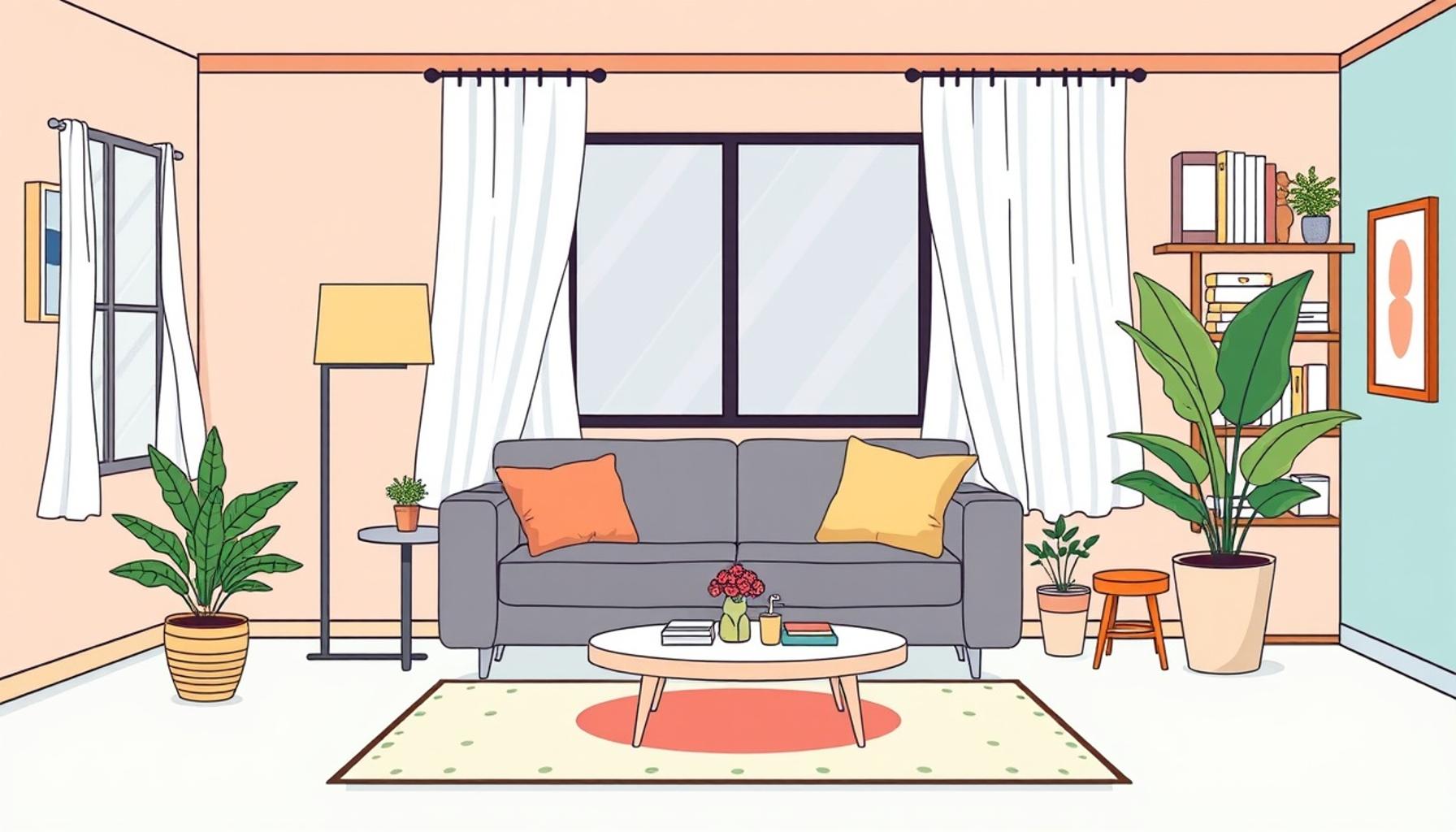
- Neutral tones for balance: Whites and soft grays create a harmonious backdrop, enhancing simplicity. In a minimalist living room, the absence of overwhelming colors allows for a clear focus on design and function. The careful use of neutrals also opens up smaller spaces, making them feel larger and more inviting.
The impact of color transcends mere aesthetics; it can alter perceptions and interactions within a space. For example, in environments designed for relaxation, incorporating soft greens alongside crisp whites can mimic the calming beauty of nature, while sharp reds might be best reserved for accents in social settings to stimulate conversation and engagement.
Delving deeper into color psychology, one can uncover how specific palettes affect cognitive and emotional responses. For instance, research suggests that green can promote calmness and improve concentration—the perfect match for a home office or study. This exploration not only enriches design practices but also enhances the overall experience of the occupants, making spaces feel more connected and purposeful.
As individuals and communities continue to embrace minimalist design principles, understanding the dynamics of color becomes increasingly important. Whether one is renovating a home or designing a new office, considering how color influences mood can lead to transformative outcomes, fostering a sense of well-being and purpose in everyday environments.
DIVE DEEPER: Click here to discover more about biophilic design
The Emotional and Psychological Effects of Color Choices
In the world of interior design, the psychology behind colors is a fascinating domain that can dramatically influence how we experience a space. Color psychology delves into how aesthetic choices impact emotions, perceptions, and even behaviors. When designing simplified spaces, each color choice carries profound implications, inviting designers to consider more than just visual appeal. Understanding how colors interact with human emotions can elevate a design from merely functional to profoundly transformative.
One of the pivotal aspects to consider in minimalist designs is the way that different colors evoke various emotional responses. Here are some crucial color associations to take into account:
- Red: Often linked to passion and energy, red can be invigorating when used sparingly. In minimalist spaces, accents of red can draw attention to specific areas, making it an excellent choice for stimulating creativity in a workspace.
- Blue: Beyond its calming effects, blue is also associated with trust and stability, making it a prime choice for areas intended for work and contemplation. A cool blue palette in a conference room or office can foster a sense of security and encourage open communication.
- Green: Nature-inspired hues, especially greens, conjure feelings of harmony and renewal. The introduction of green plants alongside muted greens in a design can effectively reconnect inhabitants with the natural world, infusing a sense of tranquility.
- Yellow: A splash of yellow can brighten the mood of a space, infusing it with an aura of warmth and cheerfulness. In minimalist kitchens or dining areas, yellow can stimulate appetite and communication, making them ideal for gatherings.
- Neutral Colors: A palette of whites, beiges, and grays promotes simplicity and elegance. These tones minimize distractions, allowing other design elements—like furniture and decor—to take center stage while creating the perception of spaciousness.
Beyond personal preferences, cultural contexts can also shape our responses to color. In American design, for instance, blue and gray tones evoke a modern balance often found in urban settings, whereas warmer colors might hark back to traditional styles reminiscent of historic homes. Moreover, the significance of color can shift based on societal trends and collective experiences, as seen with the rising popularity of earthy tones following wellness movements that emphasize community and connection.
As one navigates the intricacies of color psychology, it’s clear that the interplay of color and spatial design can drastically enhance the functionality and emotional resonance of a space. By intentionally selecting palettes that align with desired mood outcomes, designers can create environments that promote mental well-being and inspire creativity. In doing so, they embrace the potential of simplified spaces not just as aesthetic entities, but as powerful tools for enhancing the quality of life for their occupants.
The Psychological Impact of Color in Simplified Spaces
In the realm of interior design, understanding the psychological effects of colors is essential for creating environments that not only look beautiful but also foster emotional well-being. Different colors evoke unique reactions and can greatly influence mood, productivity, and overall atmosphere in simplified spaces. For instance, hues like blue and green have been shown to promote calmness and serenity, making them ideal for bedrooms or relaxation areas. On the other hand, warm colors such as red and orange can ignite enthusiasm and energy, suitable for creative workspaces or social areas. Moreover, color combinations can amplify these effects. A palette of soft pastels can instill a sense of tranquility while creating an inviting atmosphere, whereas a mix of bold colors can inspire creativity and dynamic interaction. By selecting the right colors strategically, designers can manipulate the space emotionally, ensuring that every corner elicits the desired effect. This thoughtful application of color psychology is not just a design choice; it’s a way to enhance the quality of life in everyday environments. To delve deeper into the implications of color and its usage in various designs, check out the curated tips and insights available that can help transform your approach to simplified spaces.
| Advantages | Description |
|---|---|
| Enhances Mood | The right color selection can uplift spirits and create a positive atmosphere. |
| Promotes Well-being | Colors like greens and blues encourage relaxation and mental clarity. |
The influence of color psychology is not limited to mere aesthetics; it directly impacts how we interact with our surroundings, improving both function and feel of simplified spaces. By appreciating these nuances, one can enhance both design and daily experience, creating truly harmonious environments.
DISCOVER MORE: Click here to learn how simplified spaces can boost your productivity
Integrating Color Psychology into Design Practice
Once a designer grasps the fundamental emotional effects of colors, the next continuous step is applying this knowledge strategically within simplified spaces. Incorporating color psychology into design transcends mere aesthetic choice; it involves creating environments that cater to specific human experiences. As such, each element, from walls to accessories, offers unique opportunities to align color with behavioral intentions.
A clear example can be seen in the emerging trend of home offices, particularly in the wake of remote work becoming more prevalent. In these minimalist environments, soothing colors such as soft blues or earthy greens are often chosen to support focus and minimize stress. Research indicates that workers in color-considered environments are more productive and report higher satisfaction levels. By selecting these hues, designers not only enhance physical comfort but also foster enhanced cognitive engagement.
Another compelling avenue where color psychology proves invaluable is in communal spaces. In environments such as cafes or coworking spaces, the intention is typically to encourage interaction and collaboration. Utilizing warm tones—such as soft oranges or yellows—can create an inviting atmosphere that promotes social connections. These colors resonate with feelings of warmth and engagement, making patrons more inclined to linger, interact, and collaborate. The design becomes not just about individual experiences, but also about facilitating community dynamics.
The use of color is not limited to aesthetics or emotional resonance alone; it also serves a practical function in wayfinding within a space. Designers can employ color-coded systems that utilize different shades to guide occupants through environments, enhancing user navigation. In healthcare settings, for example, calming greens in patient areas can help to reduce anxiety, while brighter colors in waiting rooms can stimulate a sense of movement and activity. This thoughtful integration of color plays a crucial role in how individuals perceive and interact with their surroundings.
As dwindling attention spans become a challenge in urban environments, more designers adopt minimalist aesthetics characterized by selective pops of color. The strategic use of vibrant colors against neutral backdrops can captivate attention and create focal points that enhance the overall spatial experience. This method not only draws individuals into a space but also encourages exploration by highlighting particular design features or functional elements. For instance, a bright orange chair in an otherwise subdued living room can serve as both a conversation piece and a practical seating solution.
Furthermore, advancements in technology have led to the rise of smart lighting systems that can manipulate color dynamically. Adjustments in lighting tones can impact mood significantly throughout the day, reflecting the fluctuating natural light. With the modern capabilities of smart homes, users can now tailor their environments in real-time to suit their emotional needs—warmer hues for relaxation in the evening, or invigorating lights during productive hours. The fusion of color and technology offers an engaging path for designers to explore, demonstrating the full spectrum of possibilities in designing simplified yet emotionally engaging spaces.
Ultimately, the interplay of color psychology in simplified spaces is a multifaceted dialogue between aesthetics, emotional response, and functional design. The more effectively designers can interweave these elements, the greater the potential for enhancing human experience through the thoughtful application of color. This burgeoning recognition of color as a cog in the machinery of design suggests that the future of minimalism will be vibrant, intentional, and steeped in psychological narrative.
DIVE DEEPER: Click here to uncover more insights
Conclusion
In the realm of design, color psychology serves as a potent tool in shaping not only aesthetic appeal but also emotional well-being and functionality within simplified spaces. As we navigate the complexities of modern living—particularly in home and communal environments—the strategic use of color becomes vital in enhancing user experiences. From muted hues that promote focus in home offices to vibrant shades encouraging social interaction in cafes, each color choice is a deliberate step toward creating environments that resonate with human emotions.
The integration of color psychology into design practice addresses the growing need for intentional spatial experiences amid the minimalist trend. Designers are called upon to harness the scientific understanding of colors and their psychological effects to cater to the evolving demands of users. With technological advancements in smart lighting, designers can further customize environments to foster adaptability in mood and ambiance throughout the day.
As our understanding of how color influences behavior and mood continues to deepen, the future of designing simplified spaces looks promising. By embracing this multifaceted approach, designers can craft spaces that not only serve functional purposes but also contribute positively to our emotional landscape. In a world where our surroundings play a crucial role in our mental and emotional well-being, the thoughtful application of color stands as a testament to design’s ability to enhance the quality of life. This exploration invites further inquiry into how color can shape our perceptions, behaviors, and ultimately, our experiences in the spaces we inhabit.
Related posts:
Creating Simplified Spaces: Practical Tips for Minimalism at Home
The Evolution of Simplified Spaces: A Historical Perspective on Minimalism
Incorporating Nature into Simplified Spaces: Biophilic Design for a Minimalist Home
The Environmental Benefits of Choosing Simplified Living Spaces
Creating Multi-Functional Rooms: Simplified Spaces that Serve Multiple Purposes
The Impact of Simplified Spaces on Mental Clarity and Focus

Linda Carter is a writer and organization expert specializing in minimalism and personal organization. With extensive experience helping individuals create clutter-free, functional spaces and adopt mindful habits, Linda shares her knowledge on our platform. Her goal is to empower readers with practical advice and strategies to simplify their lives, stay organized, and achieve a sense of calm and balance in their daily routines.