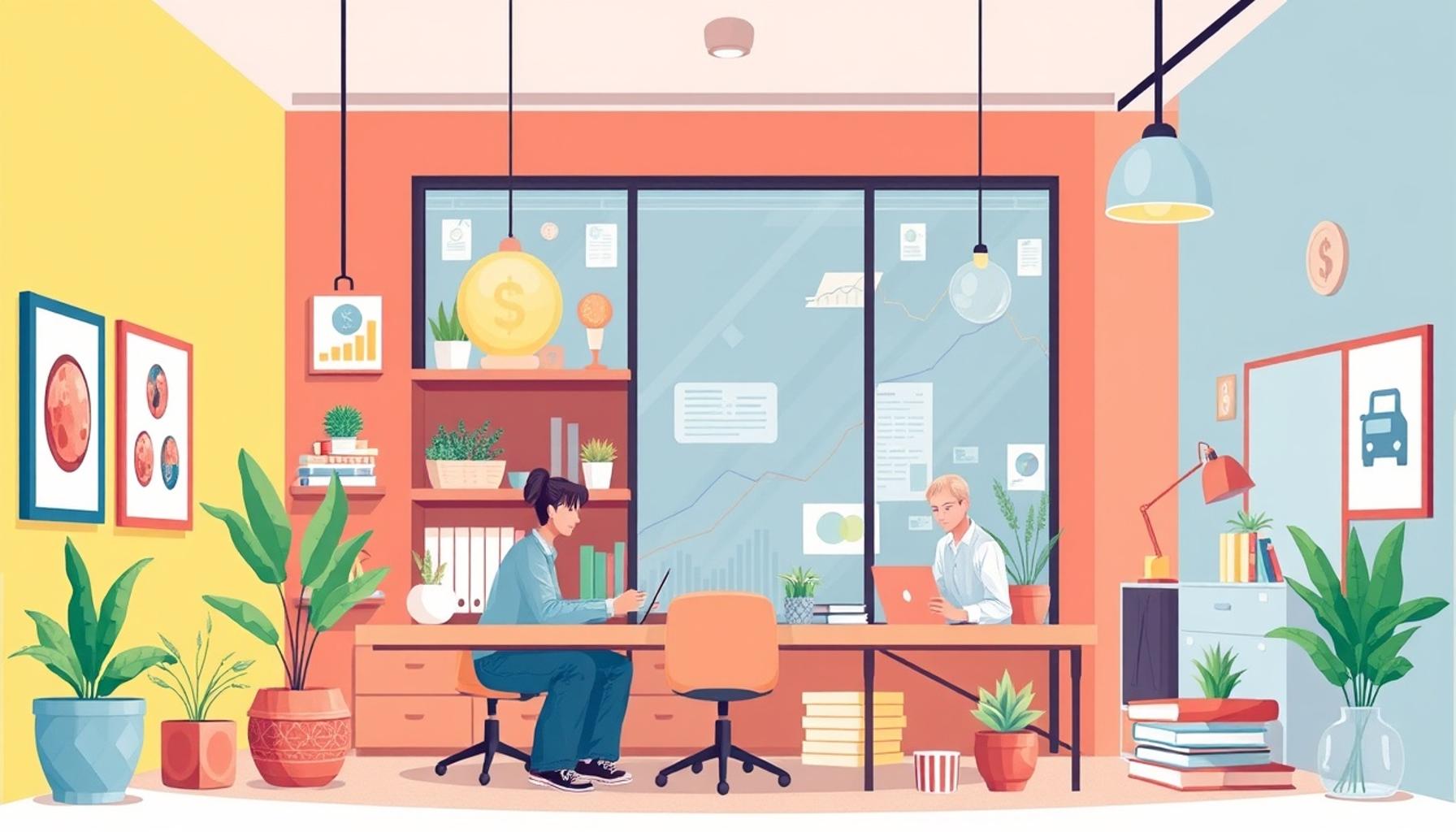
The Role of Simplified Spaces in Reducing Stress and Enhancing Productivity
The Impact of Our Surroundings
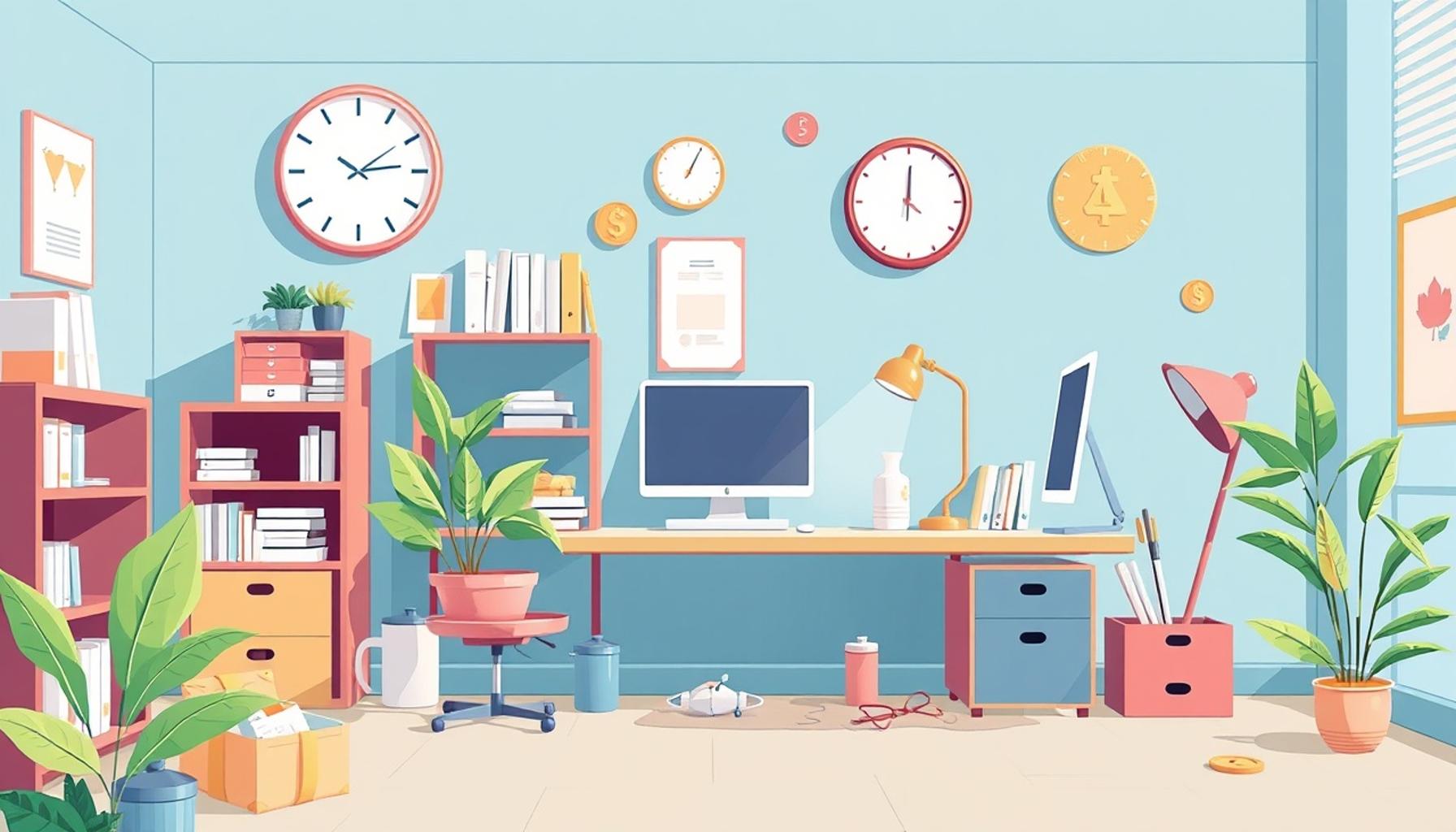
In today’s fast-paced world, the significance of our surroundings cannot be overstated. A cluttered environment can contribute significantly to stress and distraction, while a simplified space fosters focus and creativity. Understanding how our settings affect our mental and emotional health is crucial for improving both personal well-being and professional output.
Research suggests that the spaces we inhabit can greatly influence our psychological state. For instance, when we are surrounded by clutter, our brains are constantly bombarded with unnecessary stimuli. This sensory overload can elevate stress levels and hinder our ability to concentrate. On the other hand, well-organized, minimalistic environments can provide a sense of calm and control, allowing for clearer thought processes. In this context, reducing stress becomes one of the most compelling benefits of a simplified space.
Key Benefits of Simplified Spaces
Here are some key advantages of adopting minimalistic designs in our surroundings:
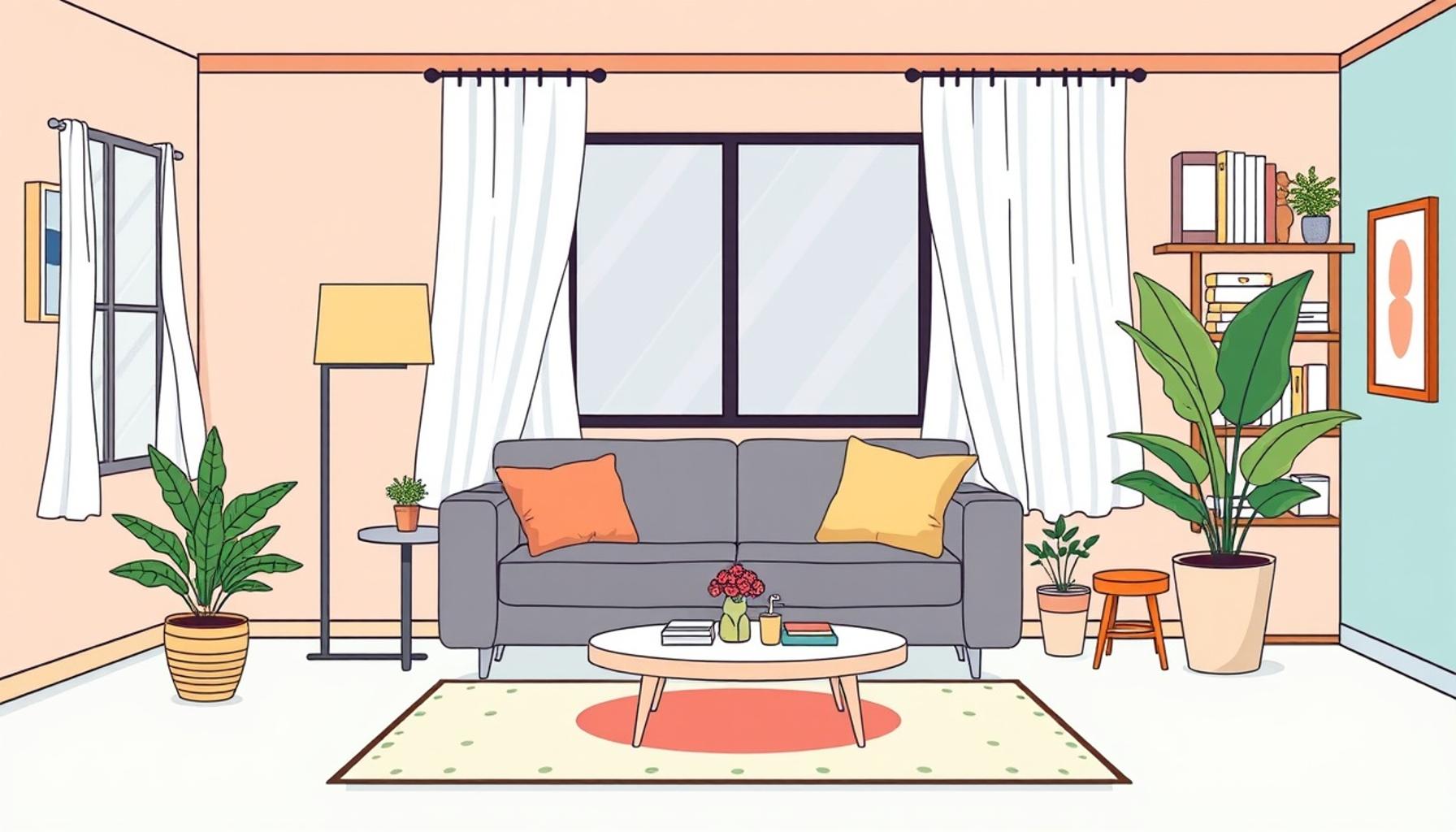
- Reduced Stress: Minimalistic designs can create a calm atmosphere, lowering anxiety levels. For example, homes decorated with neutral colors and few decorative items have been shown to elicit feelings of serenity and peace.
- Enhanced Productivity: Fewer distractions lead to improved concentration and efficiency. In workplaces where employees are provided with organized desks and open spaces, studies have shown a measurable increase in their productivity levels.
- Increased Clarity: Simplified environments encourage clearer thinking and better decision-making. The mental clarity gained from a tidy space enables individuals to tackle challenges with renewed focus and creativity.
Moreover, research indicates that individuals who work in streamlined environments report higher job satisfaction and overall well-being. For instance, companies such as Google and Apple have integrated open spaces and natural light into their office designs, recognizing its positive impact on workplace morale and creativity. Employees in these settings often find it easier to collaborate and innovate, leading to groundbreaking ideas and solutions.
This article will explore how creating minimalistic environments not only reduces stress but also enhances productivity. We will delve deeper into the psychological benefits of organized spaces and provide practical steps for transforming your surroundings for better mental health and efficiency. Join us on this journey to discover how you can create your own sanctuary of simplicity, leading to a more focused and fulfilling life.
DIVE DEEPER: Click here to discover more
The Psychological Effects of Cluttered Spaces
The psychological implications of a cluttered environment are profound and well-documented. Studies have consistently shown that disorganized spaces can lead to increased levels of stress and emotional fatigue. When faced with a visual landscape filled with chaotic elements, our minds can become overwhelmed, leading to feelings of anxiety and a diminished capacity for effective decision-making. The presence of clutter can create a sense of urgency, prompting us to react impulsively rather than thoughtfully.
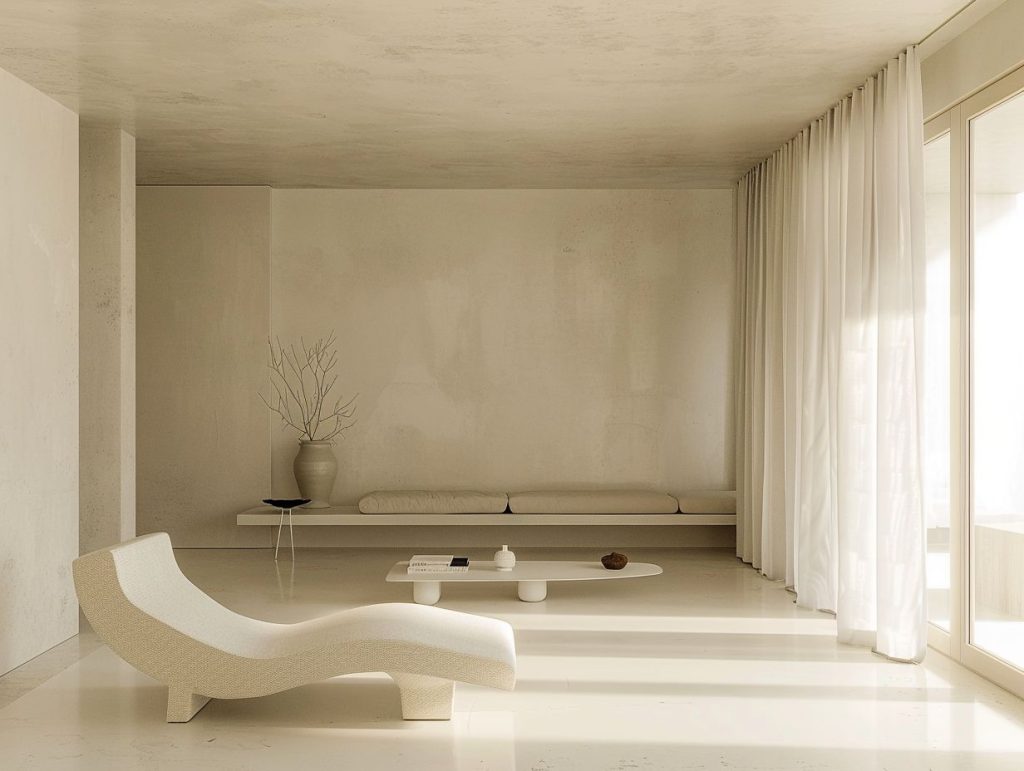
In contrast, embracing simplified spaces significantly transforms our mental landscape. Minimalism in design not only pleases the eye but also fosters a tranquil ambiance that promotes focus and clarity. A clutter-free setting encourages individuals to engage more deeply with their tasks, resulting in heightened productivity. It replaces uncertainty with assurance, empowering individuals to approach challenges with a renewed sense of intention.
The Power of Organized Spaces
Understanding the potential benefits of organized spaces can pave the way for meaningful changes in our daily routines. Here are several advantages associated with simplified environments:
- Enhanced Concentration: By limiting distractions, simplified spaces promote sustained attention on tasks. Research indicates that individuals working in organized settings can concentrate better, resulting in higher quality outputs.
- Quicker Problem Solving: Clarity in one’s surroundings translates to clarity in thought. When surroundings are organized, individuals are better equipped to tackle problems efficiently, as their cognitive load is significantly reduced.
- Boosted Motivation: A tidy and aesthetically pleasing work area can foster a sense of enthusiasm. When individuals find joy and pride in their spaces, they are more motivated to engage in their tasks actively.
Furthermore, integrating simple design principles can even impact our physical health. Occupational health experts emphasize that a well-structured work environment can lead to reduced physical strain owing to better ergonomic practices. For instance, utilizing standing desks or adjustable workstations can enhance comfort and productivity, encouraging healthier work habits.
Several organizations have embraced these principles in their office spaces. Companies like Facebook and Microsoft have made strides by incorporating open floor plans, natural light, and minimal decoration into their workplace designs. These strategies aim not only to enhance aesthetic appeal but also to cultivate a sense of community among employees while optimizing their workflow.
In summary, the role of simplified spaces goes beyond mere aesthetics; it acts as a catalyst for reducing stress and enhancing productivity. As we delve further into this article, we will explore actionable strategies for individuals looking to create their own simplified spaces, thus unlocking their full potential for peace and productivity.
| Advantages | Description |
|---|---|
| Improved Focus | Simplified spaces help eliminate distractions, allowing individuals to concentrate better on their tasks. |
| Enhanced Creativity | A decluttered environment fosters a clearer mindset, promoting original thinking and innovative solutions. |
| Reduced Anxiety | Minimalist settings can reduce feelings of stress, creating a calming atmosphere conducive to productivity. |
| Increased Efficiency | Streamlined workflows benefit from simplified spaces that allow for easier access to essential resources. |
The above advantages illustrate how simplified spaces play a crucial role in enhancing productivity and alleviating stress. With improved focus leading to sharper concentration, individuals can engage in their work with greater efficacy. Moreover, these environments promote enhanced creativity, enabling the generation of innovative ideas in a serene setting. The reduction of anxiety in uncluttered spaces cannot be overlooked either; it creates a soothing atmosphere where individuals can thrive. Finally, increased efficiency comes from the clarity that simplified environments provide, establishing a direct path toward achieving goals. Discover how you can transform your workspace into a refined setting that encourages both tranquility and productivity.
DISCOVER MORE: Click here to learn how simplified spaces can ignite creativity
Creating a Zen-like Work Environment
Establishing a simplified space requires thoughtful consideration of various design elements that contribute to both mental clarity and physical comfort. One essential aspect to consider is the color scheme. Numerous studies indicate that colors evoke specific emotions and can influence mood significantly. For instance, shades of blue and green are often associated with calmness and tranquility, making them ideal for workspaces where focus is paramount. In contrast, too many bright or clashing colors may create visual chaos and hinder concentration.
Natural elements also play a crucial role in creating a peaceful work environment. The incorporation of plants, for instance, not only beautifies a space but also enhances air quality and elevates mood. A 2015 study published in the journal HortTechnology showed that workplaces with greenery reported a 15% increase in productivity. Living plants can reduce feelings of stress and anxiety, forging a connection to nature that encourages a sense of well-being in an otherwise artificial environment.
Technology and Simplification
In our fast-paced, technology-driven world, the role of digital organization cannot be overlooked. Embracing technological tools that facilitate digital decluttering is essential for maintaining a streamlined workspace. Cloud-based applications for project management, email organization, and note-taking can significantly reduce physical clutter by minimizing paperwork. Tools like Trello, Asana, and Evernote are designed to enhance personal efficiency while allowing for a visually organized approach to tasks.
Moreover, automating repetitive tasks with technology not only saves time but also enhances mental bandwidth, allowing individuals to focus on more critical, creative aspects of their work. The less time spent on mundane tasks, the more energy one can devote to productive efforts, ultimately reducing stress levels.
The Space Between Tasks
The design of physical spaces must also encompass the importance of break areas. Having dedicated spaces for relaxation, such as a lounge with comfortable seating or a quiet room, can provide much-needed respite from work-related stress. These environments allow individuals to step away from their main tasks, recharge, and return with renewed focus. Creating a structured routine that incorporates regular breaks has been shown to enhance overall productivity and enhance mental well-being, according to research conducted by the Draugiem Group.
Finally, embracing technologies like acoustic panels can minimize distracting noises, transforming even the most bustling office into a focused haven. Noise pollution has been linked to increased stress and decreased productivity levels. By optimizing sound environments, businesses can help elevate employee satisfaction and output.
As we explore the nuances of simplified spaces, it becomes clear that thoughtful design and intentional organization can significantly impact our daily lives. Each element—be it color, plant life, or efficient tech tools—contributes uniquely to crafting a stress-reduced, productive atmosphere. Understanding and implementing these strategies can lead to not just enhanced personal productivity, but also a broader cultural shift toward prioritizing mental well-being in work environments.
DIVE DEEPER: Click here to discover more
Conclusion
In summary, the role of simplified spaces in reducing stress and enhancing productivity is not merely an aesthetic endeavor but a vital consideration for modern work environments. By integrating color psychology, natural elements, and effective technology into workspace design, individuals and organizations can cultivate a harmonious atmosphere that fosters mental clarity and creativity. Research reveals compelling evidence, such as the productivity boost associated with the presence of plants, proving that connecting with nature in the workplace can significantly lift employee morale and output.
Moreover, the use of modern digital tools offers significant advantages in decluttering physical and mental spaces—allowing professionals to focus on higher-priority tasks, thereby enhancing their overall productivity. The importance of break areas as essential retreats also cannot be overstated; these spaces encourage recharging, reducing burnout, and ultimately propelling creativity and strategic thinking.
As we navigate through an increasingly complex work culture, the consideration of simplification in spaces should be more than an afterthought; it should be a fundamental part of workplace strategy. By prioritizing a well-designed atmosphere, organizations are not just investing in their physical infrastructure but, more importantly, in the well-being and productivity of their workforce. Thus, embracing these concepts can lead to a more fulfilling and efficient workplace, setting a standard for a healthier work-life balance that many strive to achieve.
Related posts:
How Simplified Spaces Can Foster Creativity and Innovation
Creating Multi-Functional Rooms: Simplified Spaces that Serve Multiple Purposes
Designing Your Home for Minimalism: Tips for Creating Simplified Spaces
Simplified Spaces: The Art of Decluttering for a More Peaceful Mind
The Psychology of Minimalism: How Simplified Environments Influence Mental Well-Being
The Influence of Color Psychology in Designing Simplified Spaces

Linda Carter is a writer and organization expert specializing in minimalism and personal organization. With extensive experience helping individuals create clutter-free, functional spaces and adopt mindful habits, Linda shares her knowledge on our platform. Her goal is to empower readers with practical advice and strategies to simplify their lives, stay organized, and achieve a sense of calm and balance in their daily routines.