Understanding Soil Moisture: When and How Much to Water Your Plants
Understanding the Critical Role of Soil Moisture
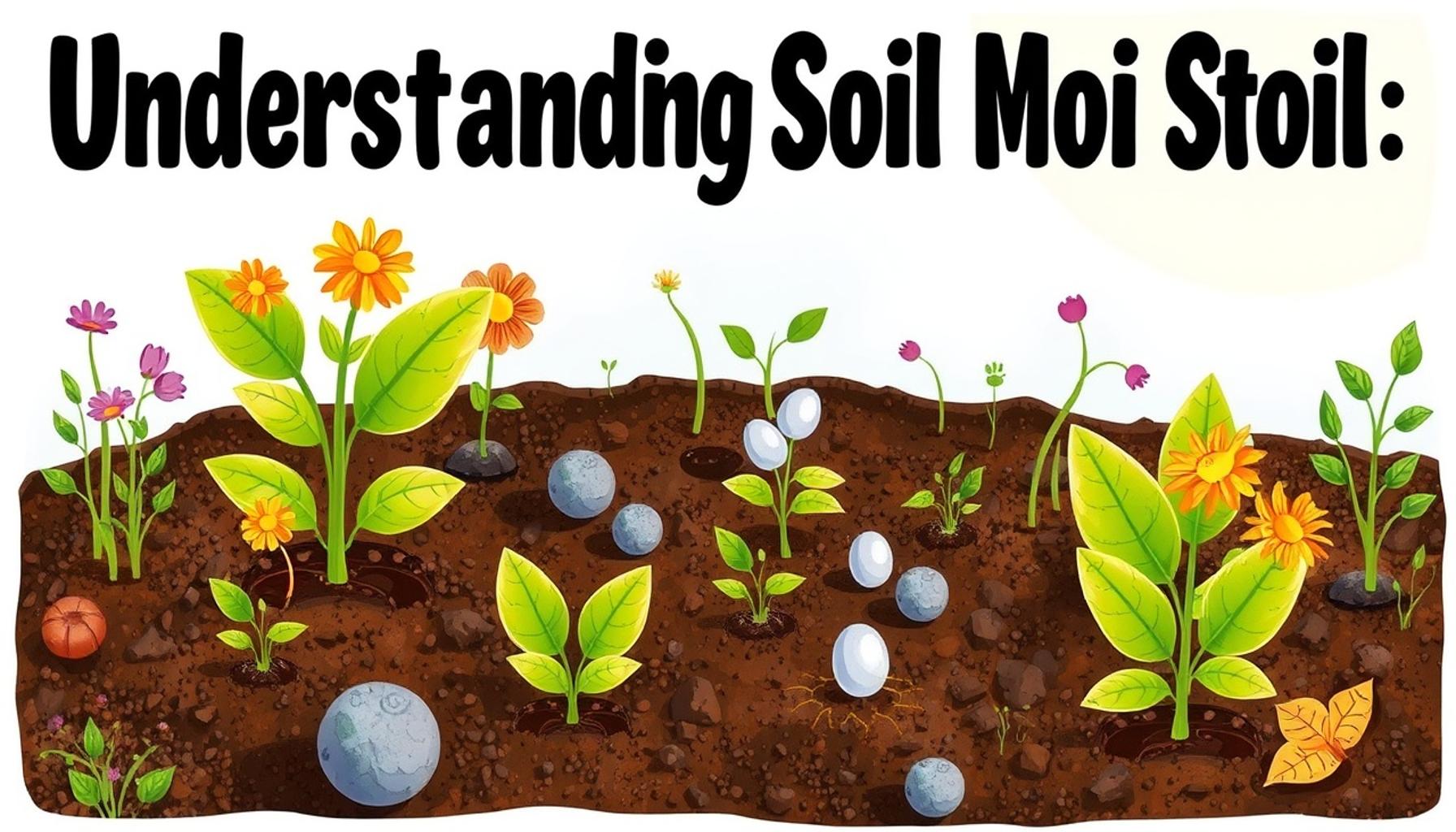
Watering plants is not just a simple chore; it involves a complicated interplay of various factors that directly influence plant growth and health. One of the most pivotal elements in gardening is understanding soil moisture. By grasping how to accurately assess and manage this vital component, gardeners can enhance their plants’ vitality, resulting in lush gardens and bountiful harvests. Let’s delve deeper into key considerations when it comes to soil moisture.
- Types of Soil: The variation in soil composition significantly impacts its moisture retention abilities. For instance, sandy soils, often found in regions with well-draining landscapes, drain water rapidly, making them less suitable for moisture-intensive plants. Conversely, clay soils, prevalent in the Midwest, have a dense texture that holds moisture for extended periods, which can lead to root rot if not managed properly. To maximize plant health, it’s critical to know your soil type and its implications on watering practices.
- Plant Requirements: Different species have unique watering needs. For instance, succulents and cacti prefer dry, arid conditions, while tropical plants, like ferns, flourish in consistently moist environments. Understanding the specific needs of your plants, based on their native habitats, is essential to creating a thriving garden. This tailored approach enables gardeners to avoid common pitfalls such as overwatering or underwatering, thus promoting stronger growth.
- Seasonal Changes: The climate in the United States fluctuates significantly with the seasons. For example, during the scorching summers in states like Arizona or Texas, plants may require more frequent watering due to increased evaporation rates. In contrast, fall and winter might necessitate less frequent watering as temperatures drop. By adjusting watering schedules to align with seasonal changes, gardeners can better cater to their plants’ evolving needs.
Monitoring soil moisture is crucial for maintaining healthy plants. The following strategies can help ensure that your watering practices are effective:
- Check Soil Moisture: Invest in a moisture meter available at local garden centers, or use your hand to check soil conditions by digging a few inches down. If the soil feels damp, it may not be necessary to water; a dry feel indicates it’s time to hydrate your plants.
- Observe Plant Behavior: Plants are remarkably expressive regarding their water needs. Yellowing leaves, for example, indicate potential underwatering, while brown, mushy roots are clear signs of overwatering. Paying close attention to these visual cues is a vital part of effective plant care.
- Create a Routine: Based on your observations and the specific requirements of your plants and soil type, develop a consistent watering schedule. This routine can be adjusted seasonally or after unexpected weather changes, ensuring your plants receive the right amount of hydration throughout the year.
With a comprehensive understanding of soil moisture dynamics, you will be well-prepared to nurture your plants successfully. By adopting these practices, not only will you create healthier plants, but you’ll also enhance the overall productivity of your garden. Continue exploring more techniques to optimize watering and watch your garden thrive in response!
DIVE DEEPER: Click here to discover more about pollinator-friendly plants</a
Essential Techniques for Monitoring Soil Moisture
Understanding soil moisture is a profound undertaking that can significantly amplify the flourishing nature of your garden. Mastering the art of watering involves not just knowing when to water, but also how much water is sufficient for each of your beloved plants. With the right techniques, gardeners can seamlessly incorporate moisture management into their care routines, ensuring an optimal environment for growth. Let’s explore some essential methods for monitoring soil moisture.
- Soil Moisture Sensors: One of the most effective tools in modern gardening is the soil moisture sensor. These devices can provide real-time insights into the moisture level in your soil, allowing for precise watering decisions. Many models are available, ranging from simple analog devices to advanced digital systems that can connect to smartphones for easy monitoring. Utilizing these sensors can prevent overwatering—a common mistake that can lead to root rot and other issues.
- Visual Assessment: While technology can be beneficial, don’t underestimate the power of observation. Regularly check your plants for signs of stress. Healthy plants often display vibrant green leaves and robust stems. In contrast, yellowing leaves typically signal underwatering, while an overall wilted appearance suggests the need for more moisture. Becoming attuned to your plants’ visual signals can help you fine-tune your watering practices.
- Soil Texture Test: Besides monitoring water levels, understanding the texture of your soil is equally crucial. Take a handful of soil and moisten it with water, then squeeze it tightly in your palm. If the soil holds its shape and forms a ball, it indicates clay content, which retains water. If it falls apart, you’re likely dealing with sandy or loamy soil that drains quickly. This tactile assessment can guide how often and how much to water your plants.
- Time of Day: Another critical aspect to consider is when to water your plants. Morning is generally the best time as it allows plants to soak up moisture before the sun peaks, reducing evaporation rates. Watering in the late afternoon or evening can lead to excess moisture lingering overnight, which can foster fungal diseases. Aligning your watering schedule with the natural rhythm of the day can significantly benefit your plants’ health.
Incorporating these techniques into your gardening routine will enable you to effectively manage soil moisture levels, resulting in happier and healthier plants. Remember, the goal is to create a balanced watering regime that aligns with the specific needs of your soil and plants. Take the time to experiment and observe, and you’ll refine your methods over time, ultimately promoting a robust and thriving garden.
Understanding Soil Moisture: Key Considerations for Effective Watering
When it comes to maintaining healthy plants, soil moisture management is crucial. Understanding when and how much to water involves assessing various factors. Different plants have different water needs, and knowing these at a granular level can make all the difference between thriving foliage and wilting leaves.
Soil Type and Its Role
The composition of your soil plays a significant role in how it retains moisture. Sandy soils drain quickly, requiring more frequent watering, while clay soils hold moisture longer but can lead to root rot if overwatered. It’s essential to analyze your garden’s soil type to develop a tailored watering strategy that meets the unique requirements of your plants.
Environmental Conditions
Moreover, environmental factors such as temperature, humidity, and sunlight exposure directly impact evaporation rates and consequently soil moisture levels. Hotter, sunnier days will dry out soil rapidly, indicating the need for increased watering frequency. Keeping an eye on the weather can provide clues on when to water effectively.
Using Moisture Meters
To aid in your watering decisions, consider investing in a moisture meter. This handy tool can give you real-time insights into the moisture content of your soil, allowing you to water only when necessary, thus conserving water and promoting better plant health. Regular moisture checks can help you assess your watering habits and adjust as needed.
| Category | Advantages |
|---|---|
| Soil Type | Understanding the drainage capacity aids in weathering management. |
| Environmental Awareness | Adjusting watering based on climatic conditions enhances plant resilience. |
Taking these factors into consideration will help you develop a comprehensive understanding of soil moisture dynamics, ultimately leading to healthier plants and more efficient water usage. By becoming adept at recognizing your plants’ needs, you’ll not only foster growth but also contribute positively to environmental sustainability.
DISCOVER MORE: Click here to learn about soil pH and its impact
Advanced Strategies for Water Management
Moving beyond basic monitoring techniques, gardeners can incorporate advanced strategies that address the intricate dynamics of soil moisture. By refining your approach to watering, not only can you improve plant health, but you can also contribute to environmental conservation by optimizing water usage. Below are several sophisticated methods that will elevate your gardening practices.
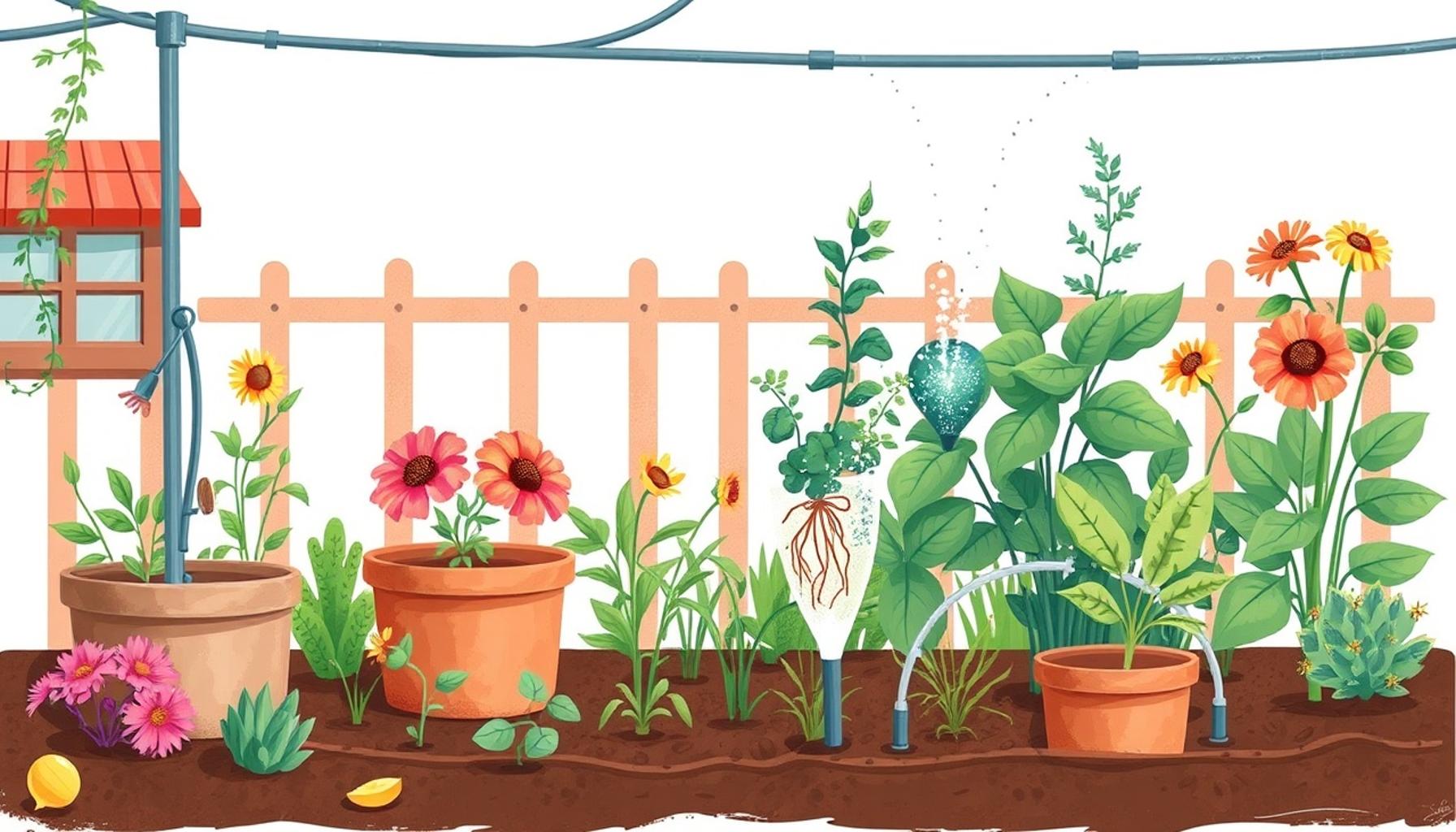
- Drip Irrigation Systems: For the serious gardener, installing a drip irrigation system can be a game-changer. These systems deliver water directly to the plants’ root zones, minimizing evaporation and runoff. This targeted approach ensures that water penetrates deep into the soil, allowing plants to absorb it efficiently. Drip irrigation can be programmed to provide the correct amount of moisture based on soil moisture readings, enabling precise control over your watering schedule.
- Mulching: Using organic or inorganic mulch is an effective way to maintain soil moisture levels. Mulch acts as a barrier, reducing evaporation, and keeping the soil cooler during hot weather. As it decomposes, organic mulch also enriches the soil with nutrients. A layer of mulch, approximately 2-4 inches thick, can significantly enhance soil moisture retention, allowing for less frequent watering and better plant health.
- Watering Techniques: The method of watering is just as important as when to water. Consider exploring techniques such as deep watering, where you soak the soil to a depth of 12-18 inches. This encourages roots to grow deeper, promoting stronger plants better equipped to handle drought conditions. Additionally, try to water in slow, even intervals. This gives the soil enough time to absorb moisture effectively, reducing runoff and ensuring saturation.
- Seasonal Adjustments: Different seasons present unique environmental challenges impacting soil moisture. In the cooler months, plants generally need less water. Understanding the seasonal growth patterns of your plants can inform you when to scale back your watering. Conversely, during the hotter summer months, be prepared to increase watering frequency and volume. Keeping a seasonal log of your plant’s responses to watering can serve as a helpful reference for future adjustments.
Integrating these advanced strategies into your gardening practice will not only enhance your understanding of soil moisture but also empower you to create a more sustainable garden. Remember that every garden is unique; experimenting with different techniques will help you uncover the most effective methods tailored to your specific conditions. By nurturing a responsive watering regimen, you increase the resilience and productivity of your garden while conserving precious water resources. Your plants—and the environment—will thank you for it.
DISCOVER MORE: Click here for expert tips on managing lawn and garden pests
Conclusion: Mastering Soil Moisture for Thriving Gardens
Understanding soil moisture is fundamental to nurturing a verdant garden that flourishes through the seasons. As we have explored, knowing when and how much water to give your plants is an intricate dance influenced by various factors including soil type, plant species, and environmental conditions. By employing advanced watering techniques like drip irrigation, using mulch to retain moisture, and adapting your strategy according to seasonal changes, you can significantly enhance your plants’ resilience and health.
Moreover, the benefits of mastering soil moisture extend beyond your garden’s lush appearance; they play a vital role in water conservation and environmental sustainability. As gardeners, we hold the power to make informed decisions that can minimize waste and maximize efficiency. Keeping a close eye on your garden’s unique moisture needs and adjusting your practices in response ensures that your efforts yield the best results.
Consider keeping a gardening journal to record your observations on moisture levels, plant health, and watering patterns. This log can guide your future strategies, helping you create a thriving oasis that speaks to the harmony of nature and your commitment to mindful gardening. Armed with this knowledge, you are better prepared to nurture your plants effectively and make choices that support both your garden and the planet. Dive deeper into the world of soil moisture management, and let your green thumb flourish as you discover innovative ways to cultivate life in your outdoor spaces.