Top Indoor Plant Growing Materials and Equipment Best Picks Revealed
Introduction
Indoor gardening has gained immense popularity, especially for those looking to bring a touch of nature into their homes. Whether you’re a seasoned gardener or just starting, having the right tools and materials is essential for success. This guide aims to simplify your journey by focusing on the top materials and equipment needed to cultivate plants in indoor environments.
Some key considerations include:
- Lighting: Understanding the different types of grow lights available.
- Soil: Choosing the best soil mix for your specific plants.
- Fertilizers: Knowing which fertilizers work best indoors.
- Containers: Selecting appropriate pots for optimal growth.
- Humidity and Temperature: Maintaining ideal conditions for your plants.
In this article, you’ll discover the top 5 recommended materials and equipment perfect for indoor gardening enthusiasts. Each recommendation is tailored for beginners, making it easier to cultivate your green thumb while ensuring a thriving indoor garden.
DIVE DEEPER: Click here to learn the essentials of soil preparation
Top 5: The Best Materials and Equipment for Growing Plants Indoors
Creating a lush, vibrant garden within the confines of your home is an immensely rewarding endeavor. Not only does it allow you to bring a piece of nature indoors, but it also offers therapeutic benefits and the satisfaction of nurturing living organisms. Whether you’re cultivating herbs for your culinary experiments or adorning living spaces with aesthetic houseplants, the right materials and equipment can significantly influence the success of your indoor gardening experience. In this guide, we’ll explore the top items you need to kickstart your indoor gardening adventure, complete with practical insights and examples to ensure flourishing results.
5. Watering Can
A watering can is an indispensable tool for any indoor gardener. Delivering the appropriate amount of moisture to your plants is crucial, as both overwatering and underwatering can cause harm. Here’s what to consider when selecting the perfect watering can:
- Capacity: Opt for a watering can that balances ease of handling with an adequate capacity to minimize frequent refills. For instance, a can holding one to two gallons is typically sufficient for a small indoor garden but adjust according to your specific needs.
- Spout Design: A long, narrow spout is ideal for reaching challenging areas without splattering soil. This design also helps control water flow, ensuring delicate seedlings aren’t disturbed by a deluge.
- Material: Choose from materials like plastic, which is lightweight and affordable; metal, which is durable and stylish; or ceramics for an artistic touch. Each material has its own aesthetic and functional advantages.
Regularly checking the soil’s moisture level with your fingertip or a moisture meter can guide you in providing the right amount of water, keeping your plants healthy and vibrant.
4. Grow Light
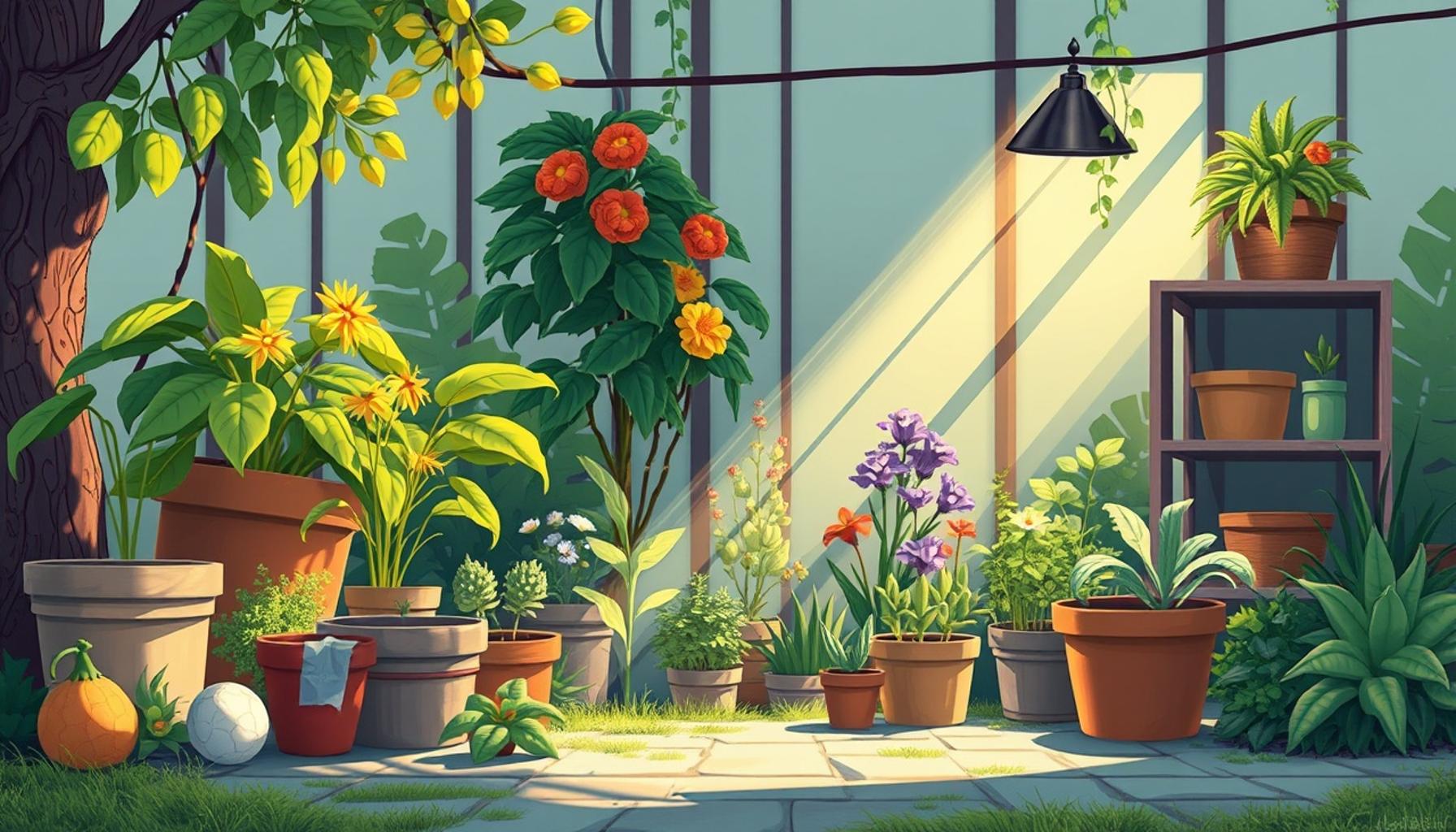
Access to adequate natural light is often a challenge with indoor gardening, especially in rooms with limited sunlight or during the shorter days of winter. This is where grow lights come to the rescue. These lights mimic natural sunlight, ensuring plants receive the light spectrum essential for photosynthesis and growth. Consider these factors when selecting a grow light:
- Type of Light: LED grow lights are highly recommended due to their energy efficiency and long lifespan. They emit minimal heat, reducing the risk of damaging tender plant tissue. Alternatively, fluorescent lights work well for seedlings and smaller plants.
- Adjustable Spectrum: Advanced grow lights offer the option to adjust the light spectrum to cater to various plant phases—red spectrum for flowering, blue for vegetative growth, providing a tailored environment for different species.
- Size and Coverage: Ensure the grow light you choose can adequately cover the area of your indoor gardening setup. Consider adjustable options that can be extended as your plant collection grows.
The right grow light can transform a dim corner into a thriving garden nook, bridging the gap between seasonal changes and plant demands.
3. Soil and Nutrients
The foundation of any thriving indoor garden is the soil it’s built upon. Suitable soil provides crucial support, water retention, aeration, and nutrition. Here’s what you should know:
- Potting Soil vs. Garden Soil: Indoor plants require a potting mix specifically designed for container growing, as garden soil is too dense and can impede drainage. A good potting mix is lightweight, holds moisture well, and allows for proper air circulation.
- Fertilizers: Supplemental nourishment is often needed for indoor plants due to the limited nutrients available compared to outdoor environments. Select a balanced fertilizer specific to your plant types and apply it according to the packaging instructions for optimal growth.
- Organic Options: For those wary of synthetic additives, organic soil amendments and fertilizers, like compost or worm castings, provide a natural boost in nutrients without potentially harmful chemicals.
Carefully chosen soil and prudent use of nutrients can turn even the most modest of planters into bustling hubs of plant activity, with roots thriving below what the eye can see.
2. Pots and Containers
Giving each plant a suitable home is crucial, making pots and containers vital components of your indoor garden. When choosing containers, think about the following:
- Drainage: Adequate drainage is non-negotiable. Without it, plants are susceptible to root rot, a condition that can rapidly deteriorate their health. Ensure your chosen pots have drainage holes and consider using trays to capture excess water.
- Size: Pot size matters; cramped roots can stifle growth, while overly large pots can retain too much moisture. Base your choice on the plant’s current and potential size, repotting as needed for continued development.
- Material: Clay pots offer excellent breathability but are heavier, while plastic is lightweight and retains moisture longer. Consider ceramic for decorative purposes but be mindful of its less porous nature.
The right container ensures stable growth conditions, accommodating your plants’ needs to thrive and enhance your home’s interior ambiance.
1. Indoor Gardening Kit
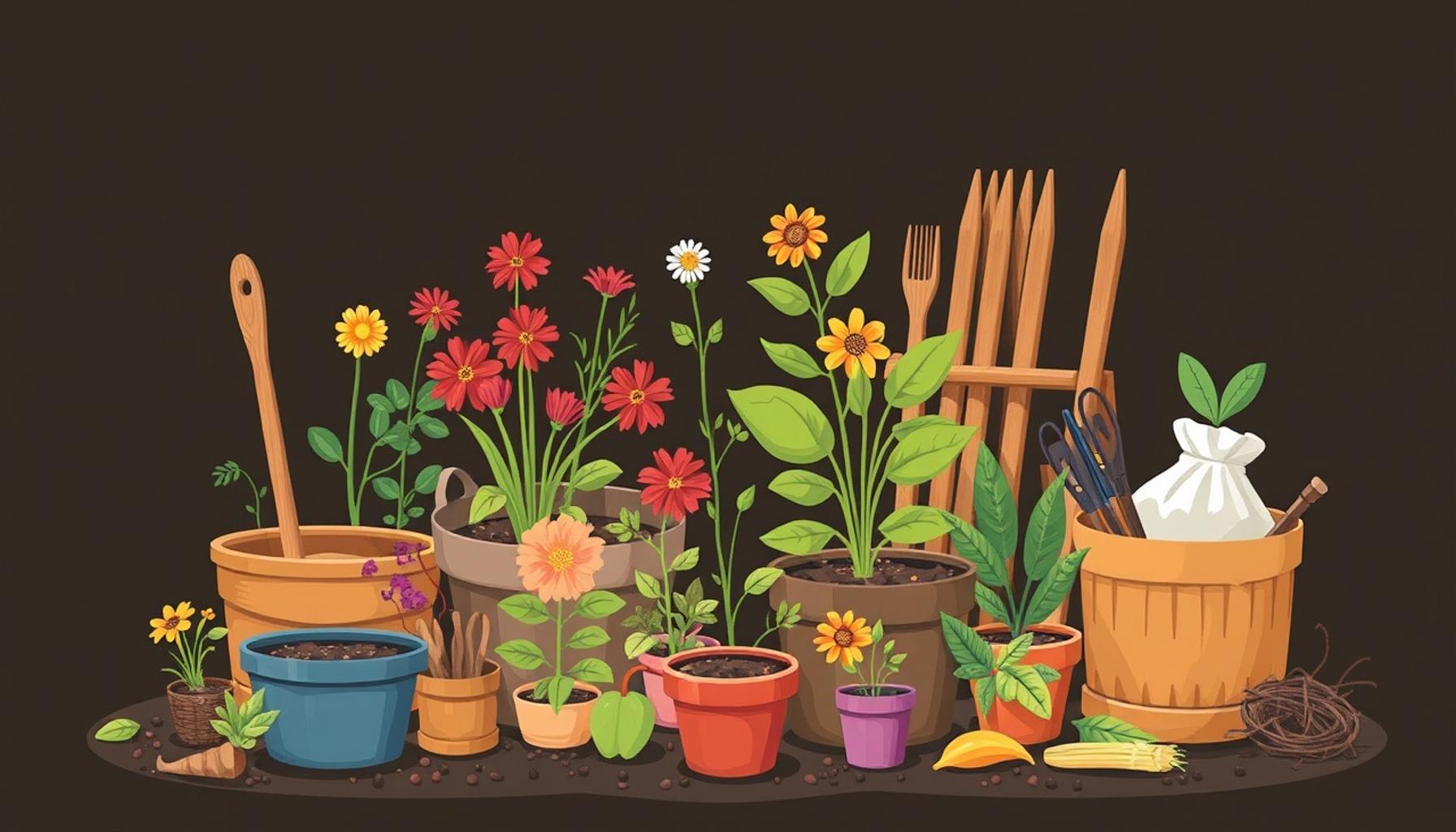
Topping the list is the versatile indoor gardening kit. It’s an ideal choice for beginners, providing everything needed to embark on an indoor gardening journey. Here’s what you typically get:
- Seeds: These kits often come with a curated selection of seeds tailored for indoor growing, ensuring a delightful and diverse plant collection.
- Planting Tools: Essential tools like trowels, pruning scissors, and plant markers are frequently included to assist in the gardening process.
- Instructions: Many kits feature comprehensive instructions, demystifying the setup and care process, allowing even novice gardeners to cultivate with confidence.
These kits provide a seamless introduction to indoor gardening, consolidating all necessary items into one convenient package, saving both time and effort, and offering guidance every step of the way.
Indoor gardening can transform your living space and improve your quality of life by bringing nature into your home. By investing in the right tools and understanding their importance, you ensure that your plants grow healthily and with purpose. Happy gardening!
| Category | Details |
|---|---|
| Grow Lights | Essential for indoor plant growth, these lights mimic natural sunlight, providing necessary light spectrum levels to support photosynthesis. |
| Hydroponic Systems | Efficient space-savers, hydroponics allow plants to grow without soil, using nutrient-rich water, resulting in faster growth rates and higher yields. |
| Temperature and Humidity Control | Regulating these factors is crucial, as most plants thrive in specific conditions. Devices like thermostats and humidifiers help maintain an optimal environment. |
| Plant Nutrients | Providing essential nutrients through specialized fertilizers ensures that plants have the right building blocks for healthy growth and development. |
Understanding the equipment and materials available for indoor gardening is essential for maximizing your success. For instance, investing in quality grow lights can significantly impact the growth rates of your plants, especially in regions with limited natural daylight. Hydroponic systems, while requiring an initial investment, can lead to exceptional results in terms of efficiency and space use.Furthermore, assessing temperature and humidity levels in your indoor garden helps prevent common issues such as mold and pest infestations. Utilizing the correct plant nutrients allows you to boost the health of your plants and encourages flourishing growth over time. Each of these components plays a pivotal role in cultivating a thriving indoor garden, supporting your journey towards plant care mastery.
DISCOVER MORE: Click here to learn about effective pest management
Frequently Asked Questions about Growing Plants Indoors
What are the best types of lights for indoor plant growth?
The best types of lights for indoor plant growth are LED grow lights. They are energy-efficient, emit minimal heat, and have a spectrum that can be tailored to the specific needs of plants. Additionally, fluorescent lights are also popular, especially for beginners, due to their affordability and effectiveness for small to medium-sized growth setups.
How does ventilation affect indoor plant growth?
Proper ventilation is crucial for indoor plant growth as it ensures a fresh supply of carbon dioxide, helps manage humidity, and prevents the buildup of heat from grow lights. Using fans or an exhaust system can create the air circulation needed to keep plants healthy and free from mold or pests.
What materials are best for containers used in indoor gardening?
When choosing containers, look for ones made from clay or plastic. Clay pots are breathable, allowing for better moisture evaporation and root aeration, whereas plastic pots are lightweight and retain moisture better, making them ideal for a variety of plants. Ensure any container used has sufficient drainage holes.
Is it necessary to use a specific soil mix for indoor plants?
Yes, it is important to use a soil mix specifically designed for indoor plants. These mixes often contain ingredients such as peat moss, perlite, and vermiculite, which provide good drainage while retaining the moisture necessary for plant health. Choosing the right soil mix can prevent overwatering and promote robust plant growth.
DISCOVER MORE: Click here for essential irrigation techniques
Conclusion
Embarking on the journey of cultivating plants indoors can be an immensely satisfying experience, especially for beginners keen on exploring the joys of gardening from the comfort of their home. In reviewing the essential materials and equipment, it becomes evident that a thoughtful selection can significantly enhance your indoor gardening endeavors.
The top five materials and equipment highlighted – proper lighting, adequate containers, quality soil and nutrients, efficient watering systems, and appropriate environmental controls – serve as vital components for creating an ideal indoor garden. Each of these elements plays a critical role in simulating a nurturing environment that supports healthy plant growth. Effective lighting mimics natural sunlight, which is crucial since indoor settings can lack adequate natural light.
Choosing the right containers and soil not only influences plant health but also enhances aesthetics, allowing gardeners to enjoy both beauty and functionality. Equipping your setup with a reliable watering system ensures consistent moisture levels, a key factor for successful plant growth. Moreover, environmental controls like humidity and temperature monitors help maintain optimal conditions, reducing stress on plants.
For beginners, understanding these key elements can greatly ease the learning curve associated with indoor gardening. By investing in quality materials and equipment, enthusiasts can ensure a bountiful and thriving indoor garden. Ultimately, gardening indoors provides an opportunity to connect with nature, improve air quality, and create a personal oasis. Whether you’re growing herbs, vegetables, or ornamental plants, the satisfaction derived is profound, making it a rewarding and accessible hobby for anyone willing to embrace it.