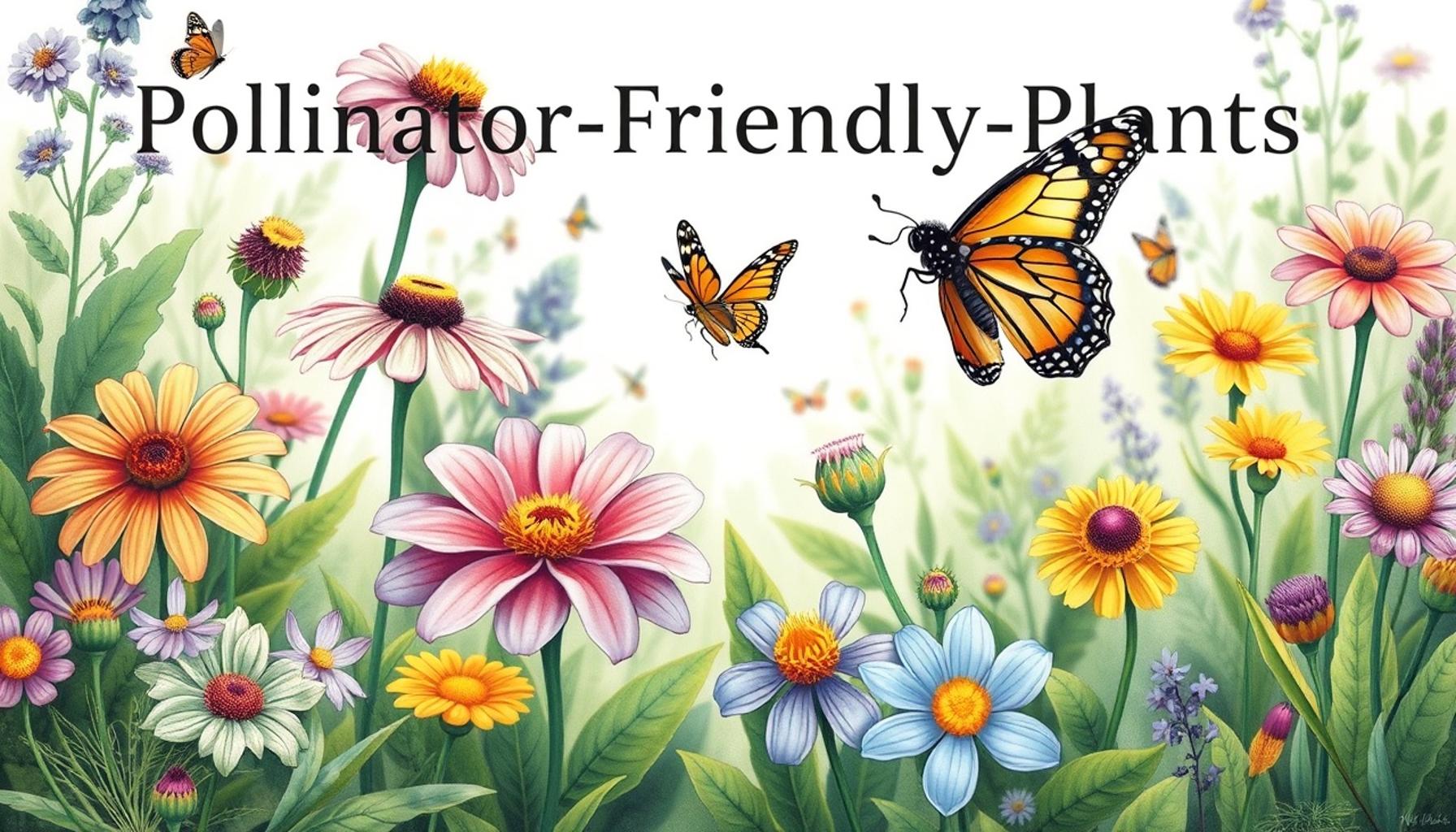
Pollinator-Friendly Plants: Choosing Flora That Attracts Bees and Butterflies to Your Garden
Welcome to the World of Pollinators
Creating a vibrant garden is more than just aesthetics; it plays a crucial role in supporting our ecosystem. By choosing pollinator-friendly plants, you can transform your outdoor space into a haven for essential creatures like bees, butterflies, hummingbirds, and other pollinators. These creatures are not just pretty additions to your garden; they are integral to the health of our environment and food systems.
Pollinators are vital for the reproduction of many plants, contributing significantly to food production and biodiversity. It is estimated that one-third of the food we consume relies on pollination, a process critical for fruits, vegetables, and nuts. However, the populations of these important creatures have been on the decline due to habitat loss, pesticide use, and climate change. This stark reality makes it essential for individuals to create environments that encourage the presence of pollinators in their gardens and communities.
Why Choose Pollinator-Friendly Plants?
When selecting flora for your garden, consider plants that offer both beauty and sustenance. Here are a few compelling benefits:
- Support Biodiversity: By incorporating a range of plants, you can attract various species to your garden. This contributes to a balanced ecosystem where different species can thrive and interact.
- Boost Food Sources: Pollinator-friendly plants increase the availability of nectar and pollen, vital resources for sustaining these creatures. For instance, a diverse garden can provide food sources from spring through fall, ensuring that pollinators have continual access to sustenance throughout their active periods.
- Enhance Aesthetics: Beyond attracting pollinators, vibrant colors and diverse textures can elevate the visual appeal of your space. Flowers like echinacea and zinnias not only draw in bees and butterflies but also offer stunning displays for your enjoyment.
Popular Pollinator Plants to Consider
To get started, here are some notable plants that appeal to common pollinators, especially in the US:
- Milkweed: This native plant is a favorite of monarch butterflies, acting as a host plant for their larvae. By planting milkweed, you can support these iconic butterflies in their migration journey.
- Lavender: Known for its fragrant blooms, lavender provides nectar for bees and serves as a beautiful addition to any garden. Its drought-resistant properties also make it an excellent choice for eco-conscious gardeners.
- Bee Balm: This vibrant perennial attracts both bees and butterflies, making it a favorite for pollinator gardens. Its bright red, pink, and purple flowers not only attract pollinators but also provide long-lasting color throughout the growing season.
- Sunflowers: A bee magnet, sunflowers are not only easy to grow but also offer large amounts of nectar. Their towering presence and bright yellow petals serve as a cheerful focal point in any garden space.
By selecting the right plants, you can create a thriving ecosystem in your backyard, inviting nature to flourish while enjoying the beauty it brings. Engaging with pollinators not only contributes to their conservation but also enhances your gardening experience, providing opportunities for education about the critical roles these creatures play in our environment. Consider exploring more about native plants and local gardening initiatives that support pollinator health to further enrich your garden venture.
DISCOVER MORE: Click here for in-depth insights
Creating a Pollinator Paradise
Transforming your garden into a haven for pollinators is an enriching journey, filled with the promise of vibrant blooms and the delightful hum of busy bees. As you select pollinator-friendly plants, it’s important to consider a variety of criteria that not only attract these beneficial insects but also support their life cycles. One of the primary aspects to keep in mind is the blooming period of the plants you choose. Selecting species that bloom at different times throughout the growing season ensures a continuous food supply, which is essential for the survival of pollinator populations.
One compelling statistic highlights the urgency of this endeavor: the loss of pollinator habitats has led to the decline of bee populations by nearly 40% in some areas. Therefore, engaging in gardening practices that prioritize these species is an act of ecological stewardship. The right combination of plants can significantly improve both the habitat quality and overall health of the local ecosystem, supporting not just one species but an entire symphony of life.
Key Characteristics of Pollinator-Friendly Plants
When choosing flora that attracts bees and butterflies, consider selecting varieties that possess the following characteristics:
- Nectar and Pollen Rich: Look for plants that produce abundant nectar and pollen. These are critical resources for attracting and sustaining pollinators, particularly bees, which rely heavily on these food sources. Flowers such as black-eyed Susans and goldenrods are excellent choices.
- Diverse Colors and Shapes: Pollinators are drawn to a variety of colors, primarily blues, purples, yellows, and whites. Additionally, different pollinators may prefer different flower shapes—bees tend to favor tubular flowers, while butterflies are attracted to flat blooms that provide a landing pad.
- Native Species: Incorporating native plants in your garden is particularly beneficial for local pollinators, as they have evolved alongside these species and are well adapted to the local climate and soil conditions. For instance, planting native asters not only supports the local fauna but also enhances biodiversity by attracting a range of insect species.
As you embark on this expedition to enrich your garden with pollinator-friendly plants, consider the importance of reducing pesticide usage. Many common chemicals can be harmful to bees and butterflies, making it critical to adopt organic gardening practices that protect these precious creatures. Companion planting and natural pest control methods can offer effective alternatives, ensuring the safety of your garden’s buzz and flutter while fostering a thriving ecosystem.
By dedicating a segment of your garden to pollinator-friendly plants, you not only contribute to the conservation of these vital species but also create an enchanting space that brims with life. Embrace this opportunity to learn and observe the fascinating relationships that unfold in your garden—each blossom attracting pollinators and promoting a healthier environment.
| Category | Description |
|---|---|
| Native Pollinators | Native plants provide essential resources to local bees and butterflies, who have evolved alongside them. |
| Diverse Flora | Incorporating a variety of shapes, colors, and bloom times ensures a steady food supply, enhancing biodiversity and supporting ecosystem health. |
When selecting pollinator-friendly plants for your garden, it’s imperative to consider native species as they nurture local bees and butterflies. Native plants have co-evolved with pollinators, meaning they provide the necessary food and habitats that these creatures depend on for survival. Examples include coneflowers, milkweeds, and black-eyed Susans, which are specifically beloved by many local pollinators.Moreover, a diverse range of flora is crucial for attracting an array of pollinator species. By creating an inviting environment with various colors, shapes, and blooming periods, gardeners can ensure a continuous food source. This practice not only supports the pollination of your plants but also contributes significantly to overall biodiversity, thereby strengthening the health of the ecosystem. Utilizing a mix of low-growing flowers, shrubs, and tall plants invites multiple species of bees and butterflies throughout the growing seasons.By choosing the right plants and diversifying garden options, you foster a booming sanctuary for our essential pollinators, thus reinforcing nature’s delicate balance.
DISCOVER MORE: Click here to learn about the life cycle of garden pests
Incorporating Annuals and Perennials
To further enhance your garden’s pollinator appeal, it’s vital to consider both annual and perennial plants. Each type offers unique advantages that can complement your pollinator-friendly garden. Annuals like zinnias, cosmos, and marigolds provide an abundant supply of nectar and color throughout the growing season, inviting a lively array of bees and butterflies. They are particularly useful for filling gaps in your garden’s bloom schedule. Moreover, since they complete their life cycle in just one year, they often produce an extraordinary amount of flowers, maximizing the available food supply for pollinators.
On the other hand, perennial plants offer the benefit of longevity, coming back year after year with minimal maintenance. Native perennials, such as coneflowers and bee balm, not only support local pollinators but also require less water and care once established, creating a sustainable garden environment. By combining both annuals and perennials, you establish a continuous and diverse feeding ground that can attract pollinators from spring through fall.
The Role of Garden Structure
Another key factor in creating a successful pollinator garden is the structure and layout of your planting design. Consider implementing a layered planting strategy that features a mix of heights, textures, and colors to create visual interest and a more attractive environment for pollinators. Tall plants like sunflowers or hollyhocks can be placed at the back, while shorter varieties like lavender and chamomile can fill in the front or middle. This spatial diversity provides shelter and vantage points for pollinators to navigate your garden with ease.
Moreover, leaving areas of bare ground can provide nesting sites for ground-nesting bees, which represent a significant portion of the pollinator population. Likewise, incorporating features like rocks, logs, or small water sources can create microhabitats that support a variety of insects and enhance the functionality of your garden as a retreat for wildlife.
Examples of Pollinator-Friendly Plants
When selecting plants, consider incorporating varieties that are known for their pollinator-attracting qualities. A few outstanding examples include:
- Milkweed: Essential for monarch butterflies, this plant not only provides a food source but is also a host plant for larvae.
- Bee Balm (Monarda): This perennial is a favorite among both bees and butterflies, offering vibrant red, purple, and pink blossoms throughout the summer.
- Black-eyed Susan (Rudbeckia): Known for its resilience and stunning yellow flowers, it blooms from summer into fall, providing an extended source of nectar.
- Cherry Sage (Salvia): Its tube-shaped flowers attract hummingbirds while also serving bees, making it a dual-purpose addition to the garden.
Each of these selections can significantly improve the attractiveness of your garden for pollinators while adding beauty and variety to your landscape. The incorporation of such species not only enhances aesthetic appeal but also fosters greater biodiversity—an essential component in the fight to protect and preserve pollinator populations.
DISCOVER MORE: Click here for insights on managing garden pests
Conclusion
Incorporating pollinator-friendly plants into your garden is not just a beautification project; it’s a crucial step toward supporting vital ecosystems. By selecting a variety of annuals and perennials that produce an abundance of nectar and pollen, you can create a colorful and inviting environment that attracts a diverse range of pollinators, including bees and butterflies. Strategic garden layouts that utilize height variations and offer shelter through natural features will make your space more appealing to these important insects.
As you choose plants such as milkweed, bee balm, and black-eyed Susan, you not only ensure that your garden thrives with vibrant life but also contribute to the preservation of pollinator populations that are facing numerous threats today. These actions can lead to enhanced biodiversity and healthier ecosystems in your local area.
Moreover, understanding the seasonal dynamics of your chosen flora will help maintain a consistent food source for pollinators from spring through fall, ensuring that your garden remains a bustling habitat year-round. As you embark on this green journey, remember that every small effort counts. By actively engaging in practices that prioritize pollinator health, you become an advocate for environmental sustainability and contribute to the long-term benefits of our shared ecosystems.
In conclusion, your garden can become a sanctuary not only for you but also for the vital creatures that play a critical role in our food systems and natural landscapes. Embrace the opportunity to learn and grow, and invite these charming visitors to make your garden their home.