Understanding the Life Cycle of Garden Pests for Effective Management
The Importance of Understanding Garden Pest Life Cycles
In the world of gardening, the interplay between the majestic growth of plants and the lurking presence of pests creates a dynamic ecosystem that demands attention. Each garden, whether a sprawling suburban yard or a modest city balcony, acts as a microcosm of life, harboring both beauty and potential threats. To cultivate a flourishing environment, it is essential to grasp the life cycle of garden pests, enabling gardeners to respond with informed and strategic actions. This knowledge is not merely academic; it is a practical toolkit for ensuring vibrant plants thrive amidst the challenges posed by invasive species.
Garden pests can be classified into multiple categories, posing various challenges to gardeners. For instance, consider the aphid, a prevalent pest that feeds on plant sap, leading to weakened plants and the potential transmission of plant viruses. They reproduce at alarming rates, with a single female able to produce dozens of offspring in just a couple of weeks. Similarly, spider mites are often found enjoying the dry conditions of summer. Though microscopic, their insatiable appetite for plant leaves can lead to significant damage, often appearing as tiny yellow spots on foliage. The Japanese beetle, a notorious garden menace, feasts on a wide variety of plants, including beloved roses and vegetable crops, showcasing a hearty appetite that challenges the efforts of many gardeners.
Key Stages of Pest Development
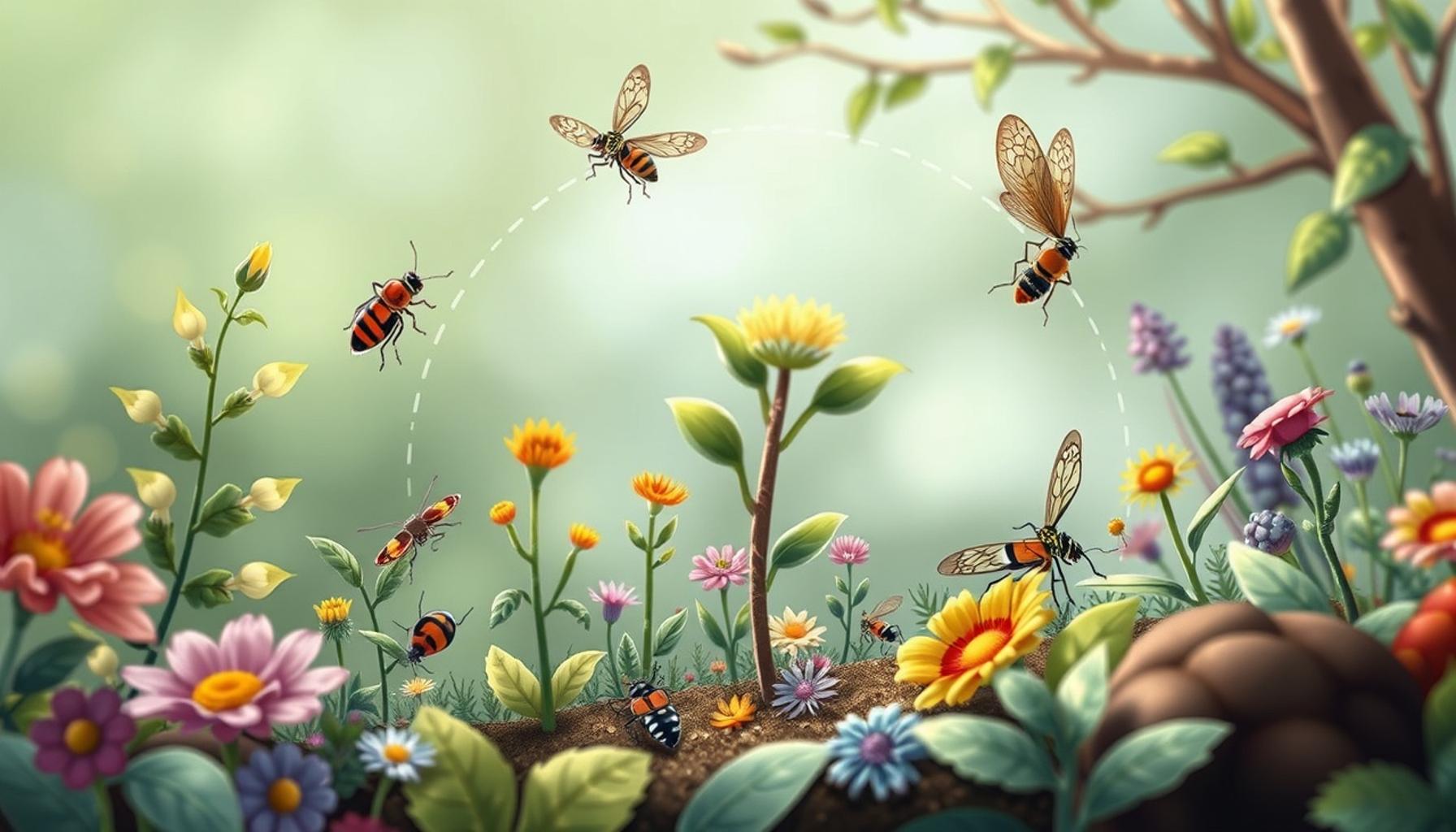
Understanding the life cycle of these pests reveals critical stages that are pivotal for effective management. The first stage is the egg phase, where pests lay eggs on plant leaves or in the soil. If left unchecked, these eggs can lead to exploding populations as the next generation rapidly emerges.
Following the egg stage is the larvae or nymph phase. This stage often wreaks the most havoc, as juvenile pests such as caterpillars or young aphids consume large quantities of plant material to fuel their growth. Gardeners who can identify and manage these young pests can significantly reduce future infestations.
Finally, the adult phase marks the reproductive stage when pests begin to lay new eggs. Knowledge of when these adults are most active can be invaluable; for example, Japanese beetles tend to be most prevalent in June and July. Timing your management practices, such as introducing natural predators like parasitic wasps or utilizing organic pesticides, can help keep population levels manageable.
By grasping the intricate details of these life stages and their interactions with the garden ecosystem, you can curate a customized pest management approach. This knowledge not only helps in preserving the health and aesthetics of your plants but also fosters a sustainable environment where beneficial insects thrive alongside your crops. So, delve deeper into the fascinating lives of garden pests, exploring credible resources, and embrace a proactive approach to garden maintenance that equips you for the challenges ahead.
DISCOVER MORE: Click here for effective irrigation techniques
Cracking the Code: Crawling Through the Life Stages of Garden Pests
When it comes to maintaining a thriving garden, an in-depth understanding of the life cycle of garden pests can lead to successful pest management. Each pest undergoes a series of distinct transformations that, if comprehended, provide valuable insights into their habits, vulnerabilities, and optimal control strategies. Recognizing these stages allows gardeners to implement timely interventions and maintain the delicate balance between encouraging plant health and managing unwanted visitors.
The life cycle of many garden pests generally comprises four primary stages: egg, larvae or nymph, pupal, and adult. Grasping the duration and characteristics of each phase can drastically impact your gardening success.
The Egg Stage: A Hidden Threat
It all begins with the egg stage. Many pests, including aphids and beetles, lay eggs on or near the plants they intend to infest. This stage poses a quiet danger as the eggs often blend with the foliage, making them hard to notice. For example, the cabbage looper lays its eggs on the undersides of leaves, camouflaging them from the naked eye. Left unaddressed, these eggs can hatch into larger populations in a matter of days.
The Larvae or Nymph Stage: The Feast Begins
As the eggs hatch, young pests emerge in their larval or nymph stage. This is indeed the most destructive phase, where they focus on feeding to fuel their growth. Take caterpillars, for instance; their goal is to consume as much plant material as possible, often leading to significant foliage loss and severely weakened plants. Here’s a snapshot of common pests in this stage:
- Aphids: Known for their rapid proliferation, they can suck sap from plants in just a few days, weakening them.
- Cabbage Worms: Prone to attacking cruciferous plants, they can decimate entire crops overnight.
- Spider Mites: These tiny pests thrive in dry conditions and reproduce quickly, producing webs that can obstruct photosynthesis.
Being vigilant during this stage is key; regular inspections for early signs of infestations can save a garden from calamity. Techniques such as introducing natural predators (like ladybugs for aphids) or employing insecticidal soaps can provide effective control when laboriously spotting these young pests.
The Pupal Stage: Encased in Transition
While not all pests exhibit a distinct pupal stage, those that do spend this time undergoing a transformative process. The cabbage butterfly is a prime example; after feasting as a caterpillar, it enters a chrysalis phase before becoming an adult butterfly. Understanding this stage may not yield immediate pest control benefits but highlights the urgency of managing larvae before they reach adulthood.
Effective pest management hinges on recognizing these stages and responding proactively. By deepening your knowledge of garden pests, you empower yourself to act with precision and efficiency, fostering a robust gardening experience free from unwanted harm. As you continue your exploration of these fascinating life stages, you’ll find sustainable and effective strategies to safeguard your floral oasis.
| Category | Description |
|---|---|
| Life Cycle Stages | Understanding the distinct stages – egg, larva, pupa, adult – for targeted interventions. |
| Integrated Pest Management (IPM) | Combining biological, cultural, and chemical strategies to reduce pest populations effectively. |
The life cycle of garden pests is pivotal to their effective management. Knowing the different life stages a pest undergoes can enable gardeners to implement timely interventions that minimize damage. For example, targeting the larval stage can dramatically reduce pest numbers before they mature and reproduce.Integrated Pest Management (IPM) provides a comprehensive approach to pest control. By embracing IPM, gardeners can use a mix of strategies – from natural predators to localized chemical applications – tailored to the specific threats their gardens face. This not only reduces reliance on pesticides but also fosters a more sustainable gardening environment.Additionally, keeping a detailed record of pest appearance and movements can help predict infestations. Understanding seasonal patterns in pest life cycles also allows for proactive measures, ensuring your garden remains healthy and thriving. With the right knowledge, you can tackle garden pests head-on, safeguarding your plants and investments.
DIVE DEEPER: Click here to discover the best indoor plant growing essentials
The Adult Stage: Mastering the Art of Infestation
Once the pupal stage concludes, the presence of the adult stage indicates that the garden pest has matured. Adults possess the ability to reproduce, thus perpetuating the cycle and presenting new threats to your garden. Familiarity with the characteristics and habits of adult pests is crucial for effective management strategies. For instance, the adult form of the western corn rootworm can fly over quite a distance, spreading quickly and making it imperative to identify and control infestations early.
Many garden pests also exhibit unique behaviors during their adult phase that impact their threat level. The adults not only continue to reproduce, but they may also seek out new food sources, making their diet a critical factor in pest management. Here are a few examples of adult pests:
- Japanese Beetles: These shiny, green creatures revel in feeding on a wide variety of plants, including roses and grapes, usually weakening the plants and causing long-term damage.
- Whiteflies: These tiny pests not only feed on plant sap but also have the potential to spread viral infections, making them particularly harmful whenever they appear.
- Leafminers: These adult pests lay their eggs in leaves, causing the young to tunnel through the plant’s tissue, creating unsightly scars and potentially stunting growth.
Reproductive Strategies: The Engine of Infestation
Understanding the reproductive strategies of garden pests can be the game-changer in your management efforts. Many pests, such as aphids, can reproduce quickly through a method known as parthenogenesis, meaning that females can produce live offspring without male fertilization. This rapid reproductive cycle can lead to exponential population growth in a short period, leaving gardeners facing overwhelming numbers. The lifespans of adult pests vary, with some lasting only weeks—a short window that emphasizes regular monitoring and intervention.
Given their adaptability and cunning reproductive strategies, implementing preventative measures becomes increasingly essential. For instance, using row covers early in the season can deter adult pests from laying eggs in the first place, significantly reducing future infestations. Similarly, the application of beneficial nematodes in the soil can target larvae before they even reach adulthood, creating a more balanced ecosystem within the garden.
Interruption Tactics: Disrupting the Life Cycle
Pest management isn’t solely about reaction; it’s also about interruption. Integrated pest management (IPM) approaches advocate for a mix of biological, cultural, and mechanical practices that disrupt the pest life cycle at various stages. For example, rotating crops can confuse pests and interrupt their breeding habits. Practices like companion planting—with plants that deter specific pests—can also foster a more harmonious growing environment. Moreover, trap crops can be strategically employed to lure pests away from the main crop, diverting infestation threats and safeguarding your primary plants.
Researching and harnessing the knowledge about the adult stage of pests arms you with the tools needed to make informed decisions. With a thorough understanding of the habits, behaviors, and reproductive strategies of adult garden pests, gardeners can strike with precision to protect their prized plants from devastation and create a sustainable garden ecosystem.
DISCOVER MORE: Click here to learn about low-maintenance plants
Conclusion: Empowering Gardeners Through Knowledge
Understanding the life cycle of garden pests is crucial for effective management and the ongoing health of your garden. By recognizing the distinct phases, from egg to adulthood, you gain invaluable insights that empower you to take proactive steps in safeguarding your plants. Each stage offers unique challenges and opportunities for intervention—whether it’s employing preventative measures like row covers or utilizing biological controls such as beneficial nematodes.
Armed with knowledge about specific pests, such as the Japanese Beetle or Whiteflies, gardeners can tailor their management strategies to the unique threats each pest presents. Recognizing reproductive strategies, such as the rapid population growth of aphids, highlights the importance of early detection and consistent monitoring. Integrated Pest Management (IPM) serves as a powerful approach, combining various tactics to disrupt pest life cycles and reduce infestations.
Ultimately, effective pest management is not merely about reacting to infestations but proactively creating a balanced ecosystem within your garden. By embracing the complexities of garden pest life cycles, you not only protect your plants but also contribute to a more resilient and sustainable environment. The journey of learning about these pests is ongoing, and continued research and adaptation will ensure that your green space thrives for years to come. So, equip yourself with this knowledge, and watch your garden flourish as you become the master of effective pest management.