Identifying Common Garden Pests and Their Impact on Plant Health

Unraveling the Impact of Common Garden Pests
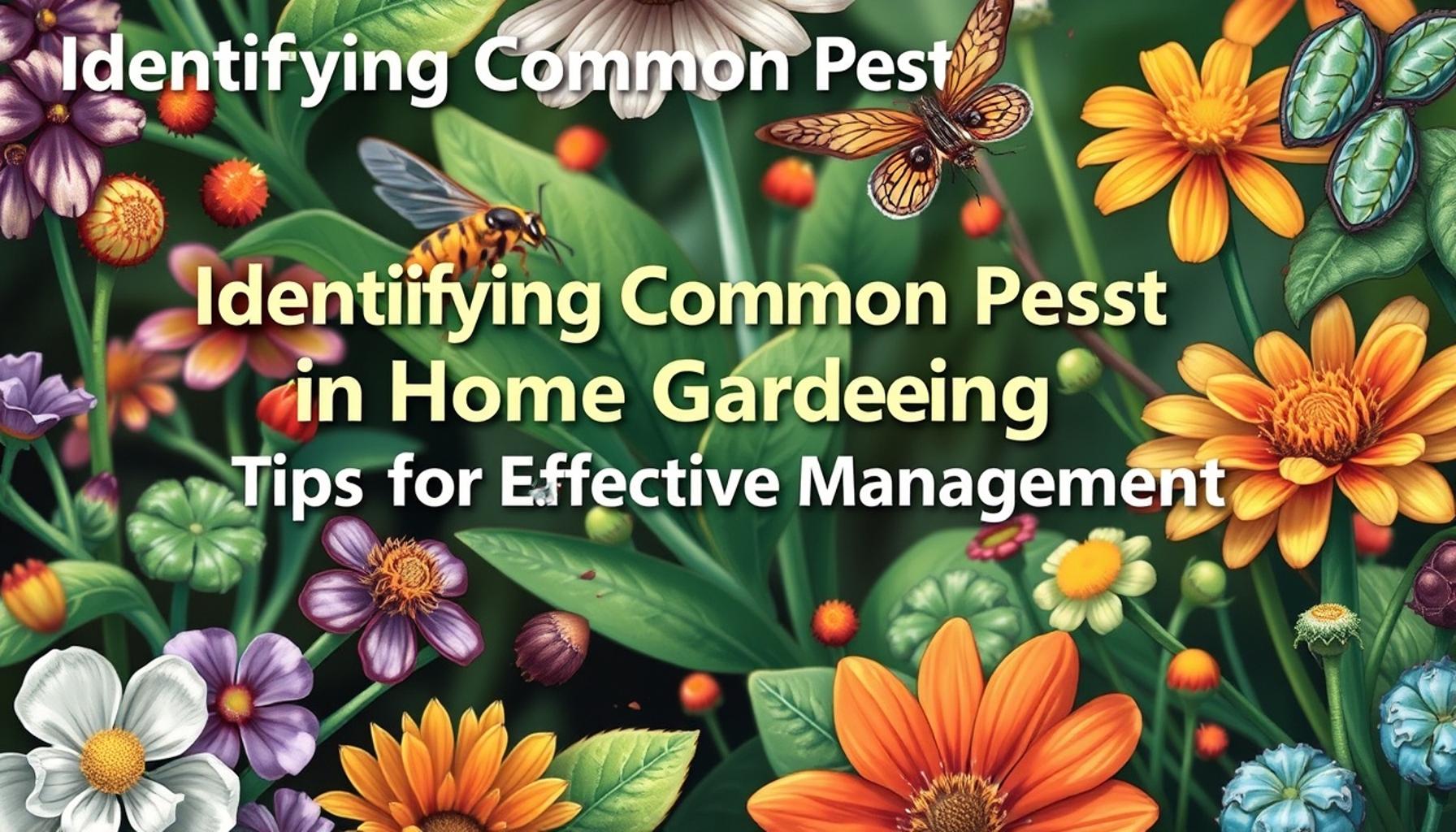
Gardening can be a rewarding hobby, full of vibrant colors and the sweet scent of blooming flowers. However, it can quickly become a frustrating battle if your garden is invaded by common garden pests. These uninvited guests not only threaten individual plants but can also disrupt the entire ecosystem of your garden. By gaining a comprehensive understanding of these pests, gardeners can protect their green spaces effectively.
A Closer Look at Common Garden Pests
Among the most notorious pests in gardens across the United States are:
- Aphids: These minuscule insects, often green or black in color, are notorious for sucking the sap from plants. Their feeding habits can lead to curling leaves and stunted growth. A surprising fact is that aphids can also secrete a sticky substance known as honeydew, which attracts other pests and promotes the growth of sooty mold.
- Spider Mites: Although they may be barely visible to the naked eye, spider mites are dangerous foes as they produce fine webs that can envelop leaves. A tell-tale sign of infestation is stippling on leaves, leading to discoloration and potential leaf drop. In dry conditions, spider mites can proliferate rapidly, exacerbating the problem.
- Japanese Beetles: With their iconic iridescent shells, these pests can quickly decimate a garden. They voraciously feed on the foliage of a wide range of plants, leaving behind only the skeleton of the leaves. Their appetites can lead to severe damage, especially during peak summer months when they are most active.
- Whiteflies: These diminutive, white, winged insects are notorious for establishing colonies on the undersides of leaves. Like aphids, they suck plant sap, weakening the plant over time. They can also transmit various viral diseases, putting your entire garden at risk.
The Importance of Early Detection and Management
Understanding how to identify these pests is crucial for early intervention. Gardeners must remain vigilant, watching for both the pests and the signs of damage they produce. Recognizing issues early allows for timely action, which is critical in minimizing harm. For instance, employing a strong jet of water can dislodge aphids and spider mites from plants, providing a quick, chemical-free method of pest control.
Additionally, effective management strategies vary based on the pests encountered. Natural predators, such as ladybugs for aphids or predatory mites for spider mites, can help keep populations in check. Organic insecticides, like neem oil, offer a safe solution for gardeners wanting to protect their plants without introducing harsh chemicals.
Building a Pest-Resilient Garden Ecosystem
Moreover, maintaining a healthy garden ecosystem can significantly fend off pest infestations. Crop rotation, companion planting, and encouraging biodiversity are all effective strategies. By planting a variety of species that can attract beneficial insects, gardeners can create a more balanced environment that naturally works against pest invasions.
In conclusion, while common garden pests present a challenge, they are by no means insurmountable. With early detection, diligent management practices, and a commitment to fostering a healthy ecosystem, your garden can remain a thriving sanctuary of life and beauty. As we explore more about these pests and their management techniques in the upcoming sections, remember that knowledge is your best defense. Happy gardening!
DISCOVER MORE: Click here for essential tips on starting an indoor garden
Understanding the Dangers of Garden Pest Infestations
As any seasoned gardener knows, the vibrant landscape of a flourishing garden is not just about careful planning and nurturing plants; it also involves the relentless battle against common garden pests. These invaders can severely undermine plant health and affect the aesthetic and productivity of your garden. By identifying these pests and understanding their effects on plants, gardeners can develop effective strategies to combat them.
Identifying Key Garden Pests
Some of the most prevalent culprits that threaten gardens across the United States include:
- Slugs and Snails: Often seen as the silent destroyers of foliage, these mollusks feed at night, leaving behind slimy trails and noticeable damage to leaves and stems. Slugs and snails are particularly fond of young plants and foliage, which can lead to considerable setback in garden recovery.
- Cutworms: As their name implies, these larvae are notorious for cutting down young plants at the soil level. Typically nocturnal creatures, cutworms can undetectably wreak havoc on seedlings during their nightly munching sessions. Their presence often leads to sudden plant death, which can be frustrating for novice and experienced gardeners alike.
- Mealybugs: Resembling small tufts of cotton, mealybugs are sap-sucking insects that thrive in moist environments. Their feeding habits weaken plants considerably, resulting in a stunted appearance and yellowing leaves. Additionally, mealybugs produce a sticky substance that can lead to sooty mold, ultimately harming the plant and inhibiting its growth.
- Thrips: These tiny, slender insects can cause significant damage as they suck out plant juices. Thrips are hard to spot but leave tell-tale signs like silver streaks on leaves and potential deformities in flowers. Not only do they damage plants directly, but they can also transmit harmful viruses, further exacerbating their impact on plant health.
Symptoms of Infestation and Plant Damage
Recognizing the signs of infestation is vital for prompt action. Visible symptoms generally include yellowing leaves, wilting, and physical damage to plant tissue. Detecting these symptoms early can be a gardener’s greatest ally. For instance, curled or distorted leaves may indicate a pest issue while a brownish discoloration could hint at a more serious problem. Regular monitoring and inspection, especially during the growing season, can make all the difference in maintaining a healthy garden.
Moreover, the impact of these pests extends beyond just aesthetic damage. Affected plants can suffer from reduced yield and vitality, and if certain pests proliferate unchecked, they can cause widespread damage that extends to neighboring plants. Understanding the interplay between these pests and the plants they target not only enhances plant care but also signifies the importance of pest management practices.
In the realm of gardening, preparedness is key. Equipped with prior knowledge about common garden pests and their tell-tale signs, gardeners can effectively protect their green spaces. The next phase of pest management will delve deeper into specific control measures and alternative methods to safeguard your beloved plants while promoting a thriving ecosystem.
Identifying Common Garden Pests and Their Impact on Plant Health
In the world of gardening, understanding the threats posed by common garden pests is essential for maintaining healthy plants and prosperous gardens. With a multitude of insects lurking among the foliage, each species can affect plant health in various ways, from disease transmission to nutrient depletion. Here, we explore some prevalent pests and their detrimental impacts.
1. Aphids
Aphids are small, soft-bodied insects that can often be found in clusters on young, tender leaves. These pests feed by sucking the sap from plants, which can cause stunted growth and yellowing leaves. Additionally, they secrete a sticky substance known as honeydew, which can lead to the growth of sooty mold, further damaging plants.
2. Spider Mites
Spider mites are not true insects but rather tiny arachnids that thrive in hot, dry conditions. They can cause significant damage to plants by puncturing plant cells to consume their contents. Infestations often lead to a characteristic stippling on leaves and can even cause leaf drop. Regular monitoring and maintaining humidity can help manage these pests effectively.
3. Whiteflies
Whiteflies are tiny, white insects that feed on the undersides of leaves. They not only sap vital nutrients, leading to plant stress, but also serve as vectors for various plant viruses. Effective control measures include introducing natural predators, like ladybugs, or applying insecticidal soaps to reduce their population.
4. Caterpillars
Caterpillars, the larval stage of moths and butterflies, can wreak havoc in gardens by consuming large amounts of foliage. They can skeletonize leaves and lead to significant losses in both ornamental and vegetable gardens. Early detection is key for managing these pests, which can be achieved through handpicking or using organic pesticides.
Identifying and managing these common garden pests is crucial for sustaining plant health and maximizing garden productivity. Knowledge of these pests not only aids in early detection but also allows gardeners to adopt proper control strategies, thereby ensuring a thriving garden ecosystem.
| Category | Advantages |
|---|---|
| Pest Identification | Enhances awareness of plant health threats. |
| Early Intervention | Prevents extensive damage and protects crop yield. |
By equipping yourself with knowledge regarding these pests and their impacts, you will be better prepared to protect your plants and nurture a flourishing garden. Stay informed and proactive to combat these challenges effectively.
DISCOVER MORE: Click here to enhance your gardening skills
The Role of Beneficial Insects in Pest Management
While common garden pests can pose a significant threat to plant health, it’s essential to understand that not all insects are harmful. In fact, certain beneficial insects play a crucial role in maintaining the ecological balance of a garden. Natural predators can effectively manage pest populations and reduce reliance on chemical interventions. By recognizing and promoting these allies, gardeners can create a healthier growing environment for their plants.
Beneficial Insects to Consider
Some key beneficial insects include:
- Ladybugs: These small beetles are well-known for their voracious appetite for aphids and other soft-bodied insects. A single ladybug can consume over 5,000 aphids in its lifetime, making it a valuable ally in pest management. Additionally, they help maintain a diverse ecosystem by pollinating plants and feeding on pollen.
- Parasitic Wasps: This term encompasses various species that lay eggs inside or on pest insects, including caterpillars and whiteflies. As the larvae hatch, they consume the host, effectively eliminating the pest. Introducing parasitic wasps to your garden can significantly reduce the population of specific pests without harming the plants.
- Hoverflies: Resembling small bees, hoverflies are excellent pollinators and are equally effective at preying on aphids during their larval stage. Encouraging hoverflies in your garden can lead to improved pollination and pest control simultaneously.
- Beneficial Nematodes: These microscopic worms reside in the soil and can target pests such as cutworms and larvae of the Japanese beetle. By introducing beneficial nematodes into the soil, gardeners can significantly reduce soil-borne pest populations, improving overall plant health.
Cultivating a Pest-Resistant Garden
One of the most effective strategies for managing pests and ensuring plant health is cultivating a resilient garden ecosystem. Implementing cultural practices can help reduce the likelihood of pest infestations. Here are some methods to consider:
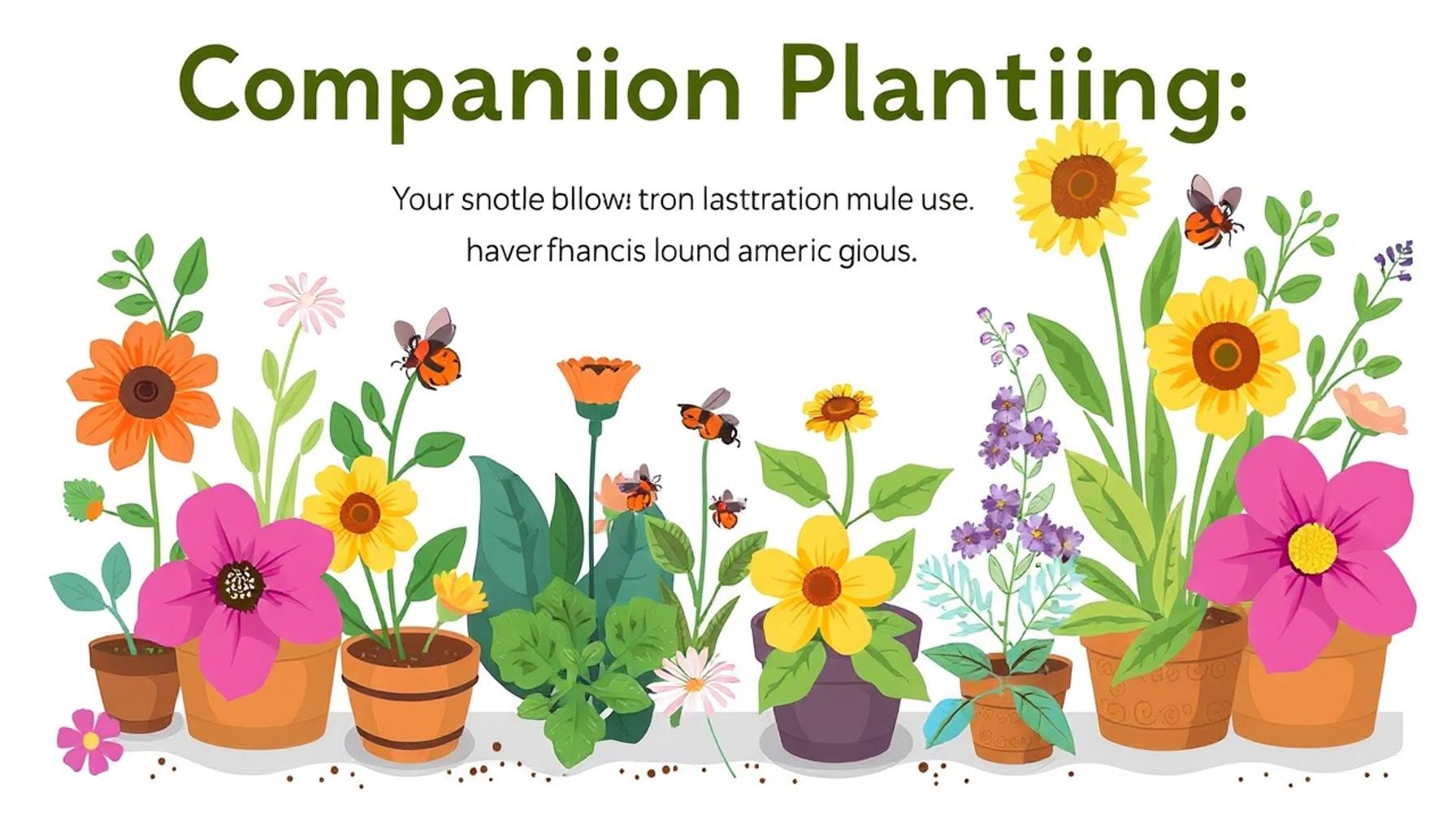
- Diversity Planting: Incorporating a mix of plants can confuse pests and reduce their chances of locating their preferred hosts. Companion planting—pairing plants that benefit each other—can further enhance pest management.
- Soil Health: Healthy soil is the foundation of vibrant plants. Implementing organic practices, such as composting and mulching, can improve soil structure and fertility, creating an environment that supports robust plant growth.
- Regular Monitoring: Conducting frequent inspections of plants for early signs of pest activity is vital. Keeping a gardening journal can aid in tracking pest trends and potential issues, allowing for timely interventions.
- Resistant Plant Varieties: Certain plant cultivars are bred for their resistance to specific pests and diseases. Researching and selecting these varieties can significantly reduce pest pressure in your garden.
Ultimately, successful pest management hinges on understanding the garden ecosystem and embracing both beneficial and harmful insects. By fortifying defenses through thoughtful cultivation and underscoring the role of nature’s predators, gardeners can create a thriving environment that promotes plant health while keeping pests at bay. As gardeners delve deeper into the complexities of pest management, the journey of nurturing plants becomes an enriching experience filled with opportunities to learn and adapt.
DISCOVER MORE: Click here to find the best low-maintenance plants
Conclusion: Embracing a Holistic Approach to Pest Management
In the intricate tapestry of gardening, understanding common garden pests and their impact on plant health is fundamental for cultivating a vibrant ecosystem. Armed with knowledge, gardeners can differentiate between harmful invaders and beneficial allies, allowing for a more informed approach to pest management. By recognizing the potential of beneficial insects—such as ladybugs, parasitic wasps, and hoverflies—gardeners can utilize nature’s own solutions to combat pests effectively.
Moreover, adopting practices that enhance soil health and promote biodiversity can bolster the resilience of plants against pest infestations. From diversity planting to employing organic gardening techniques, every action contributes to a thriving garden free from excessive reliance on chemicals. Regular monitoring and integrating resistant plant varieties serve only to strengthen these natural defenses.
Ultimately, the pursuit of a healthy garden extends beyond mere pest control; it embodies the philosophy of creating an environment where plants can flourish alongside their natural predators. With each step taken toward sustainability, gardeners not only protect their plants but also foster a harmonious balance within their gardens. As we continue to explore and learn about the dynamics of pest management, we unlock the potential for our gardens to be both beautiful and bountiful, paving the way for a deeper connection with nature.