Companion Planting: How to Use Plants to Naturally Deter Pests
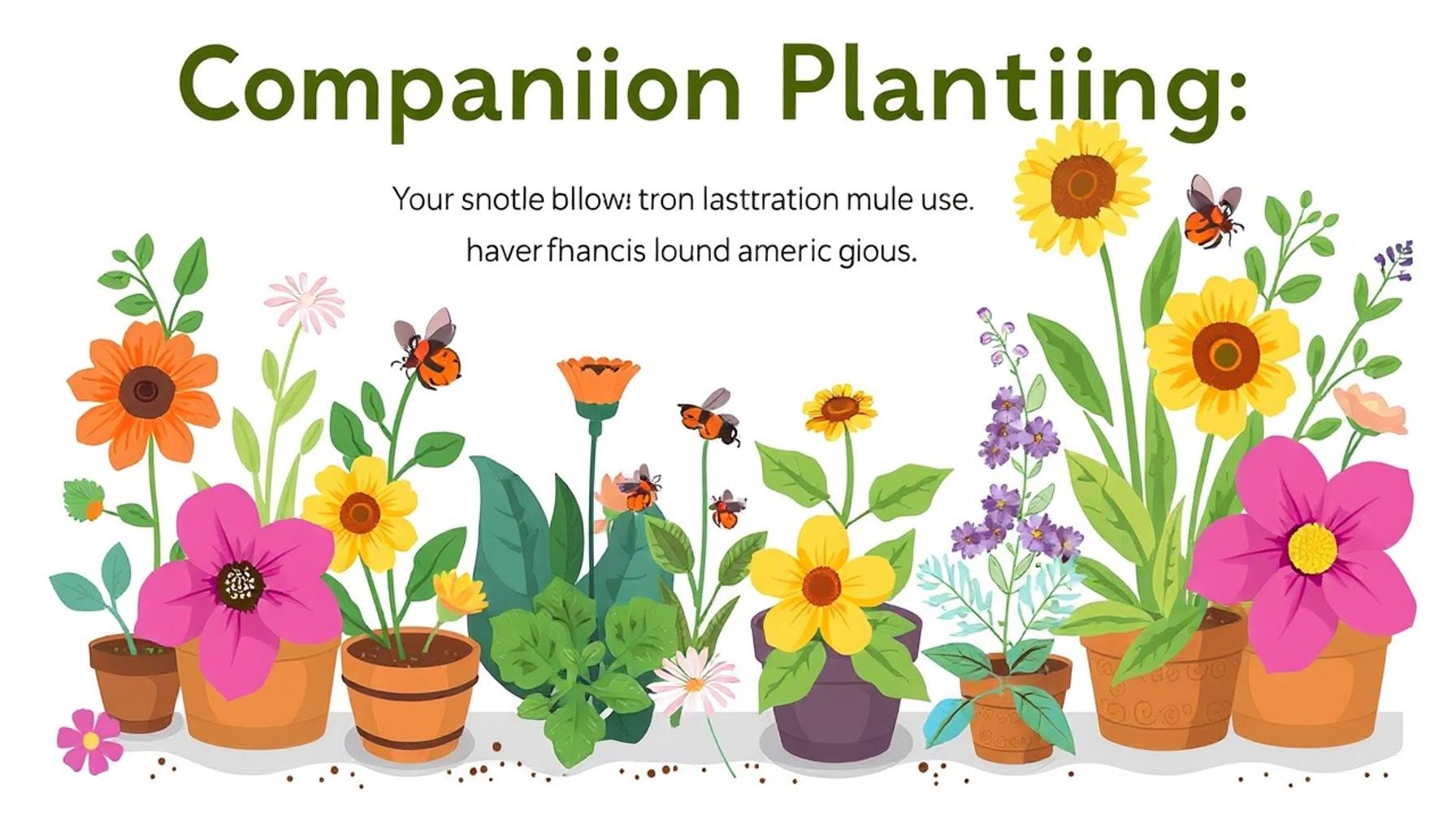
The Benefits of Companion Planting
For gardening enthusiasts, uncovering effective and sustainable methods to enhance their gardens is an ongoing quest. One particularly engaging strategy is companion planting, an age-old farming practice that pairs specific plants to optimize growth and minimize pest issues. Through thoughtful combinations, gardeners can cultivate a thriving garden that mirrors natural ecosystems.
Understanding the dynamics of companion planting can significantly enhance both the resilience and productivity of your garden. Here are some essential benefits of this method:
- Natural Pest Control: Certain plants naturally repel harmful insects, acting as a protective barrier for more vulnerable crops. For example, the strong scent of garlic can deter aphids and spider mites, while rosemary is known to ward off cabbage moths and other garden pests.
- Improved Growth: Some plants can provide physical support or create beneficial microclimates. For instance, tall sunflowers can offer shade to more delicate plants like lettuce, reducing heat stress and promoting healthier growth. Likewise, corn can efficiently support climbing beans, creating a vertical garden space that maximizes yield.
- Soil Health: Certain plants are adept at enhancing soil quality. Legumes such as peas and clover have the unique ability to fix nitrogen in the soil, enriching it for subsequent crops. This can lead to improved fertility and a more sustainable gardening practice over time.
Interestingly, specific pairings can lead to intriguing benefits. For example, planting basil near tomatoes not only enhances the flavor profile of the tomatoes but also acts as a natural barrier against pests like whiteflies and aphids. Similarly, the vibrant marigold is a favorite in many gardens; its roots can repel nematodes, while its scent deters rabbits and deer from venturing too close.
As you explore the world of companion planting, you’ll find a wealth of combinations that foster a biodiverse environment in your backyard. This not only creates a visually appealing landscape but also promotes ecological balance by attracting beneficial insects like pollinators and predatory bugs that feast on harmful pests.
From novice gardeners to seasoned horticulturists, understanding the subtleties of companion planting can empower you to make informed decisions about what to grow together, enabling a flourishing garden that thrives without the heavy reliance on chemical pesticides. Dive into this fascinating aspect of gardening, and you may find that the plants around you are more than meets the eye—they are allies in your quest for a bountiful harvest.
DISCOVER MORE: Click here to enhance your gardening skills
Companion Planting Techniques and Strategies
Exploring companion planting unveils a tapestry of intricate relationships among plants, providing gardeners with rich opportunities to harness nature’s wisdom. The goal? To create a harmonious ecosystem that enhances growth while effectively managing pests without the need for harmful chemicals. By understanding the synergy between different plant species, you can transform your garden into a resilient and vibrant haven.
When approaching companion planting, consider these key strategies to optimize your garden’s arrangement:
- Pair Plants with Similar Needs: Grouping plants that share similar watering and sunlight requirements can boost their overall health. For instance, tomatoes thrive alongside basil and oregano, both of which enjoy plenty of sunlight and warmth while providing natural pest-repelling benefits.
- Utilize Trap Crops: Introducing specific plants designed to attract pests away from desired crops is a brilliant tactic known as trap cropping. Mustard greens can draw aphids away from your precious cabbage, leaving them untouched while the greens become a buffet for the unwanted pests.
- Succession Planting: Diversifying your garden with a mix of plants that mature at different times can minimize pest outbreaks. Radishes, for example, mature quickly and can create a protective canopy for slower-growing plants like carrots and beets, offering both competition and shade to deter pests.
As you delve into the realm of companion planting, it becomes evident that the choice of plant pairings is paramount. Certain combinations thrive better together due to natural chemical interactions, either repelling pests or encouraging growth. For instance, nirolas, known as the marigold’s cousin, may be utilized to repel a myriad of insects with its distinct scent, acting as a protective perimeter for your crop beds.
Moreover, it’s worth exploring the concept of allelopathy, where certain plants, such as walnuts, exude chemicals that inhibit the growth of nearby plants. Understanding these relationships can help you strategically place crops to bolster both yield and protect against pests.
Gardeners can also leverage the strengths of native plants, which are often more resilient against local pests. Incorporating species such as coneflowers or black-eyed Susans not only adds beauty but also attracts beneficial insects like ladybugs and lacewings, which keep pest populations in check.
By implementing these techniques, your garden will not only flourish but also draw the attention of beneficial wildlife that contributes to the ecological balance. Each plant combination serves as a testament to how companion planting can act as a dynamic and engaging component of sustainable gardening practices.
Understanding Companion Planting
Companion planting is an ancient agricultural practice where certain plants are cultivated together to benefit one another. This method not only enhances growth and nutrient availability but also creates a natural pest management system. By recognizing the relationships between species, gardeners can foster biodiversity and maintain a healthy ecosystem in their gardens.
Key Benefits of Companion Planting
The benefits of companion planting extend beyond simple pest control. For instance, marigolds are known to repel nematodes and other garden pests, while attracting beneficial insects like ladybugs that prey on aphids. Similarly, pairing basil with tomatoes can enhance flavor and deter harmful insects, making it a win-win situation for both plants.Moreover, planting garlic near roses has been shown to reduce aphid infestations. This synergy not only protects the plants but can also increase overall yield by promoting healthier growth. The strategic placement of allies in the garden can effectively reduce the need for synthetic pesticides, making it an eco-friendly alternative that aligns well with organic farming practices.
Creating a Companion Planting Strategy
When implementing a companion planting strategy, it’s crucial to consider the specific advantages of each plant. Certain varieties can enhance soil health through nitrogen fixation while others can improve moisture retention. For example, legumes, such as beans, introduce nitrogen into the soil, benefiting nearby crops like corn. Additionally, some plants can even provide necessary shade or wind protection, creating a microclimate that supports plant health. This thoughtful planning results in a thriving garden ecosystem, where plants not only coexist but also thrive together.For those eager to learn more about how companion planting can revolutionize pest management in their gardens, exploring further resources and local gardening communities can provide invaluable insights.
| Companion Plant | Benefits |
|---|---|
| Marigold | Repels nematodes and attracts beneficial insects. |
| Basil | Enhances the flavor of tomatoes and deters harmful insects. |
| Garlic | Reduces aphid populations on roses. |
| Legumes | Introduces nitrogen to the soil, benefitting nearby crops. |
DISCOVER MORE: Click here to enhance your gardening skills
Maximizing Your Garden’s Potential with Natural Deterents
As you embark on your companion planting journey, it’s essential to recognize the specific characteristics that define some plants as effective pest deterrents. Not only can certain plants repel unwanted visitors, but they can also improve the growth conditions for neighboring crops. One of the most iconic examples is the partnership between corn, beans, and squash, known as the Three Sisters. This ancient practice among Native American tribes demonstrates how these three crops can create a supportive growth environment when planted together. The tall corn provides support for the climbing beans, while the broad squash leaves serve as living mulch, suppressing weeds and preserving soil moisture, ultimately creating a thriving ecosystem.
Another powerful duo is nasturtiums and cucumbers. Nasturtiums, known for their vibrant flowers and peppery leaves, can deter aphids, whiteflies, and even cucumber beetles, which often plague cucumber plants. By planting nasturtiums as ground cover in the vicinity of cucumbers, you can draw pests away from your prized vegetables, allowing them to grow robustly. Such partnerships not only promote pest resistance but can also enhance the flavors of your harvest!
The Role of Herbs in Companion Planting
Herbs in companion planting serve dual purposes: enriching the soil and contributing to natural pest control. Mint, for instance, is notorious for its ability to repel ants, aphids, and cabbage moths, making it an excellent companion for growing vegetables such as cabbage or broccoli. However, be cautious to plant mint in containers as it can be aggressive in its growth, quickly overtaking other plants.
Chives, with their onion-like scent, deter pests like the carrot fly and aphids. Interspersing chives within a garden bed can not only protect your crops but also create an inviting aesthetic with their charming purple flowers. Similarly, rosemary offers significant benefits when planted near cabbage and beans, repelling both cabbage moths and beneficial insects like slugs.
Seasonal Adjustments and Plant Timing
Timing is critical in companion planting, as some plants can offer better protection in specific seasons. For example, borage is highly beneficial early in the season when its flowers attract beneficial pollinators and predators of harmful pests. It can also be intercropped with tomatoes to improve their overall health and resilience against fungal infections. Understanding when to introduce these plants is vital for maximizing their protective qualities.
Lastly, be sure to observe your garden ecosystem throughout the growing season. Some weeds, traditionally seen as nuisances, may serve a valuable purpose as companions as well. For instance, clover can help to aerate the soil and fix nitrogen, improving the overall soil health. The more you engage with your garden, the more you can optimize your companion planting strategies.
The allure of companion planting is not only in its ability to deter pests naturally but in fostering an environment where plants can thrive alongside one another. By strategically selecting and pairing plants, you can create a productive and harmonious garden that respects nature’s innate balance.
DISCOVER MORE: Click here to get started on your indoor garden
Embracing Nature’s Wisdom in Your Garden
In conclusion, the practice of companion planting offers a compelling approach to garden management that harnesses the power of nature to create a balanced ecosystem. By understanding which plants work harmoniously together, you can naturally deter pests while enhancing the growth and flavor of your crops. The successful partnerships, like those exemplified by the Three Sisters or the duo of nasturtiums and cucumbers, illustrate not only the effectiveness of this method but also the beauty of garden biodiversity.
Furthermore, incorporating herbs such as mint and chives or timing your sowing for optimum protection can significantly improve your yield and overall garden health. As you engage with your growing space, remain open to observing and learning from its unique ecosystem, for sometimes the best solutions come from the unexpected roles that various plants can play.
Ultimately, companion planting is more than just a strategy for pest control; it is an invitation to deepen your connection with nature and cultivate an environment where both plants and gardeners can flourish. So grab your seeds, explore the myriad possibilities, and embark on a journey that honors the principles of sustainable gardening. The rewards of a thriving garden await you!