The Role of Beneficial Insects in Organic Pest Management
Understanding the Importance of Beneficial Insects
In the tapestry of organic farming, beneficial insects play an instrumental role, weaving a narrative of balance and sustainability. These tiny allies are more than just inhabitants of our gardens; they serve as natural pest control mechanisms, protecting crops from harmful invaders. As organic practices gain prominence across the United States, understanding these insects has never been more critical.
Key Examples of Beneficial Insects
- Ladybugs: Known for their voracious appetite for aphids, ladybugs can consume up to 5,000 aphids in their lifetime, which significantly contributes to healthier plants. Their bright red color and spotted wings also make them a delightful sight in gardens, further emphasizing their role in promoting organic gardening practices.
- Bees: Essential pollinators, bees are vital for the reproduction of approximately 75% of flowering plants, including many of our food crops. The increase in crop yields attributed to their pollination can result in a more bountiful harvest, showcasing just how crucial these insects are to agriculture.
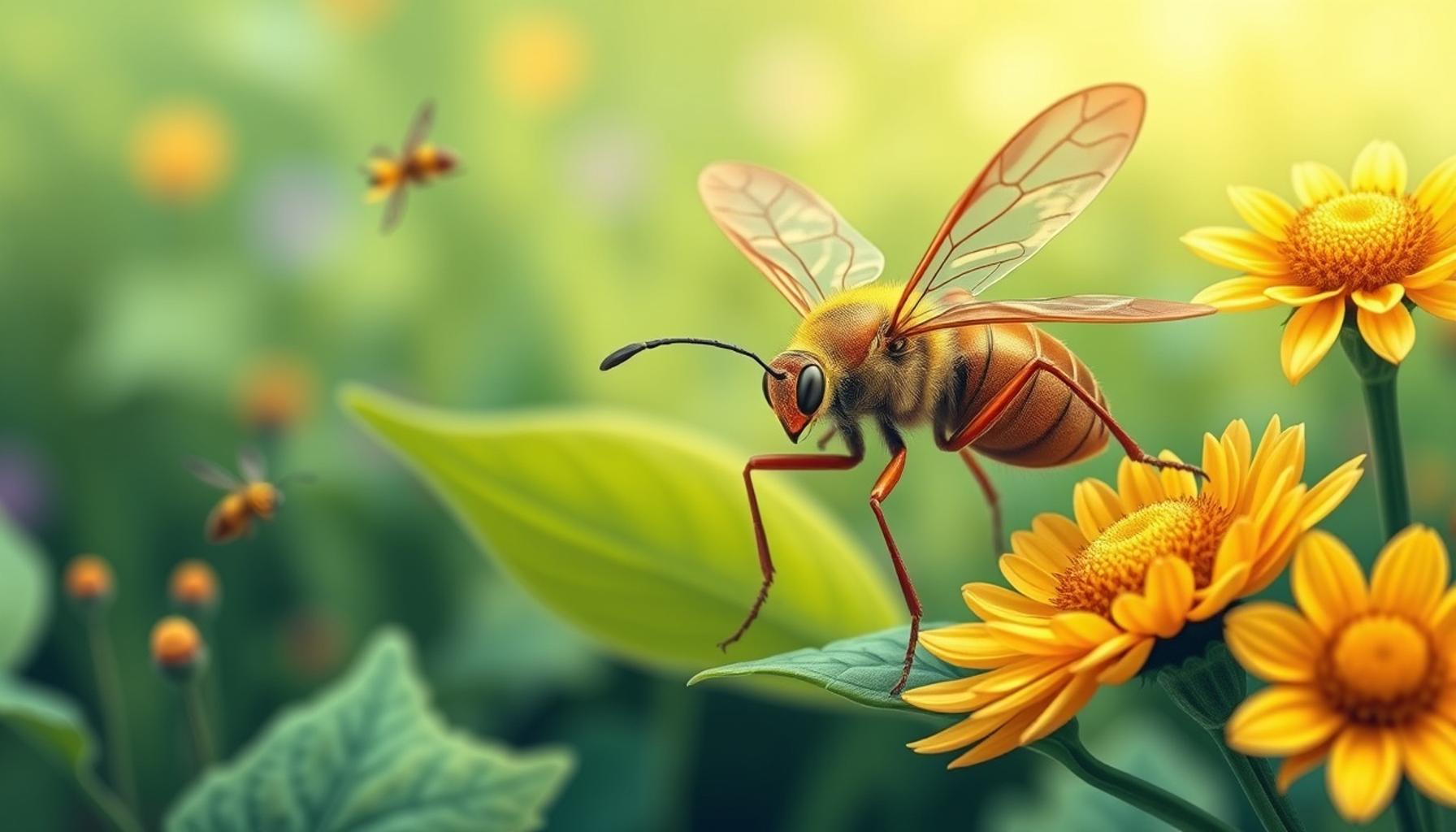
- Predatory Wasps: These insects target caterpillars and other pests through a remarkable hunting technique, laying their eggs in or on the host insect. As the larvae develop, they effectively reduce pest populations, showcasing nature’s efficiency in pest management.
Incorporating these insects into organic pest management strategies can lead to healthier ecosystems and improved crop resilience. Farmers embracing these natural allies can foster environments rich in biodiversity, such as planting cover crops and wildflower strips that provide habitats and food sources for insects. This practice not only encourages beneficial insects but also supports soil health, leading to sustainable agricultural outcomes. The relationship between plants and beneficial insects illustrates a delicate balance that is crucial for achieving the goals of sustainable agriculture.
The Benefits of Emphasizing Insect Allies
Emphasizing beneficial insects in organic pest management offers multiple benefits:
- Reduces reliance on chemical pesticides: By utilizing natural predators, farmers can decrease their dependence on harmful chemicals, resulting in a healthier ecosystem that promotes biodiversity.
- Enhances crop health and yields: The direct impact of pollination and pest control translates to improved plant growth and higher production rates, proving cost-effective for farmers.
- Promotes ecological balance in farming systems: A diverse ecosystem, driven by beneficial insects, helps mitigate risks associated with monocultures, such as disease outbreaks and soil depletion. This approach not only safeguards crops but also creates a resilient agricultural landscape.
As we explore further, you’ll discover how these remarkable insects contribute to a thriving agricultural future, making organic farming not just viable but remarkably effective. Through education and awareness efforts, the benefits of organic farming practices emphasizing beneficial insects can lead to a new appreciation and understanding among the broader community regarding sustainable agriculture methods and their importance in preserving the environment.
DISCOVER MORE: Click here for low-maintenance plant recommendations
Identifying the Impact of Beneficial Insects on Pest Control
The significance of beneficial insects in organic pest management extends beyond mere pest reduction; these insects are vital for fostering an ecosystem that thrives alongside agricultural practices. In a world increasingly aware of environmental challenges, integrating these natural allies into pest management strategies proves essential. Understanding how these insects contribute to pest control not only enhances crop production but also promotes environmental health.
Natural Pest Control: Mechanisms at Work
Beneficial insects engage in various predatory and parasitic behaviors that directly combat pest populations. The dynamic between these insects and their prey is a natural balance, critical for maintaining healthy ecosystems:
- Predation: Many beneficial insects consume harmful pests, effectively lowering their numbers. For instance, lacewings, often referred to as “aphid lions,” feed on soft-bodied pests like aphids, mites, and thrips. A single lacewing can consume up to 200 aphids in just one week, demonstrating their rapid impact.
- Parasitism: Certain species, such as parasitic wasps, target pests by laying their eggs within or on them. As the larvae hatch, they consume the host, leading to a significant population decline of target pest species. This natural method of pest control can be highly efficient in managing crop-damaging insects.
- Pollination: While primarily recognized for their role in pest management, beneficial insects like bees contribute to crop health through pollination. This process not only enhances fruit and seed set but also promotes genetic diversity within plant populations.
Farmers implementing organic practices can harness these benefits by enhancing habitats for beneficial insects. Incorporating native plants, wildflowers, or even diverse crop rotations can create a sanctuary for these creatures, allowing them to flourish alongside cultivated crops. This symbiotic relationship grounds organic farming in ecological principles, reducing the need for synthetic pesticides and fostering resilience against pest outbreaks.
Case Studies of Successful Implementation
Across the United States, numerous farms have successfully integrated beneficial insects into their pest management practices, showcasing the effectiveness of this strategy. For example, a study conducted in California vineyards highlighted the impact of boosting populations of predatory insects like spiders and predaceous beetles. The result? A dramatic reduction in grapevine pests and a noticeable increase in grape quality and yield.
Similarly, in Midwest corn and soybean fields, farmers have reported marked decreases in pest populations due to strategic planting of flowering plants that attract beneficial insects. By fostering diverse ecosystems, these farms have seen improvements not only in pest control but also in soil health and biodiversity.
The stories of these farmers illustrate the profound effect of embracing beneficial insects as allies in pursuing sustainable agriculture. In striving for a balanced agro-ecosystem, farmers can achieve organic pest management objectives while contributing to the overall health of the environment.
| Category | Key Features |
|---|---|
| Natural Pest Control | Beneficial insects such as ladybugs and lacewings actively prey on damaging pests like aphids and caterpillars, providing a cost-effective alternative to chemical pesticides. |
| Pollination Assistance | Insects like bees and butterflies not only enhance the health of plants by promoting pollination but also improve crop yields, contributing to a sustainable agricultural ecosystem. |
| Soil Improvement | Some beneficial insects enrich the soil by decomposing organic matter, enhancing nutrient availability for plants, which helps in creating a balanced ecosystem. |
| Biological Diversity | By introducing diverse insect populations, organic farms can achieve a natural balance that enhances resilience against pest outbreaks, reducing the need for interventions. |
Incorporating beneficial insects into organic pest management not only caters to the immediate needs of pest control but also promotes a healthier, more diverse environment. By recognizing the multitude of roles these insects play—from pest predators to pollinators and soil enhancers—farmers can develop advanced strategies that ensure sustainable agricultural practices. This holistic approach results in not just effective pest management, but also the overall health and profitability of organic farming systems. Understanding these natural allies is crucial for maximizing crop productivity while minimizing environmental impacts.
DISCOVER MORE: Click here for expert tips on managing lawn and garden pests
Enhancing Biodiversity through Beneficial Insects
In addition to direct pest control mechanisms, beneficial insects contribute significantly to enhancing biodiversity within agricultural systems. Biodiversity is fundamental to the resilience of ecosystems; more varied habitats can support a broader range of beneficial organisms, leading to more effective natural pest management. By encouraging a vibrant community of beneficial insects, farmers can create a robust environment where pest populations face natural checks and balances.
Creating Inviting Habitats for Beneficial Insects
Farmers can take specific measures to cultivate beneficial insect populations. Establishing habitat diversity, such as cover crops, flowering buffers, or even small patches of native vegetation, can attract a variety of beneficial insects. Incorporating practices like intercropping—growing two or more crops in proximity—can provide food sources and shelter, further encouraging beneficial insect activity. For instance, planting clover or buckwheat can attract predatory insects like hoverflies and ladybugs, known for their voracious appetites for pests like aphids.
Moreover, creating undisturbed areas within farms, where soil and natural plant life can flourish, can foster earthworm populations and enhance soil fertility. This holistic approach acknowledges the interdependence between beneficial insects, plant health, and soil quality, creating a more balanced agricultural system.
The Economic Benefits of Utilizing Beneficial Insects
Beyond environmental advantages, the integration of beneficial insects into pest management strategies can also lead to significant economic gains for farmers. A report from the University of California indicates that vineyards employing beneficial insects for pest control observed a reduction in pesticide expenses by up to 50%. Fewer pesticide applications not only lower operational costs but also enhance the marketability of crops, as consumers increasingly prefer products grown without synthetic chemicals.
Furthermore, the presence of beneficial insects can lead to improved crop yields and quality. In organic systems, where premium pricing is often achieved, high-quality produce resulting from integrated pest management through beneficial insects can significantly enhance farmers’ profit margins.
Future Directions in Sustainable Agriculture
Looking ahead, researchers and agronomists are exploring the potential for even more effective use of beneficial insects in organic pest management. Innovations such as “insect habitat management” are being studied to optimize conditions for beneficial insects. This includes the careful selection of plant species known to attract specific predatory or parasitic insects, personalized to target prevailing pest issues in different geographical areas.
Additionally, advancements in technology are allowing for more precise monitoring of insect populations. Using tools like smartphone applications and remote sensors, farmers can assess insect dynamics in real-time, enabling them to tailor their management strategies effectively.
The ongoing exploration of this field highlights the enduring importance of beneficial insects in fostering sustainable agricultural practices. With careful planning and innovative approaches, these incredible allies can continue to play a transformative role in organic pest management, leading to healthier crops and a more sustainable future for agriculture.
DISCOVER MORE: Click here to learn about common garden pests
Conclusion: Embracing the Power of Beneficial Insects
The role of beneficial insects in organic pest management cannot be overstated. As we have explored, these natural allies not only help control pest populations but also contribute to a more resilient ecosystem through enhanced biodiversity. By encouraging a rich tapestry of beneficial insect species within agricultural systems, farmers can establish a self-regulating environment that minimizes the reliance on synthetic pesticides, thereby promoting a healthier food supply.
Farmers can strategically implement practices that create inviting habitats for these insects, such as intercropping and maintaining patches of native vegetation. These methods not only attract a variety of beneficial insects but also improve soil health and fertility, reinforcing the intricate connections between insects, plants, and soils.
Moreover, the economic benefits of utilizing beneficial insects are evident with reduced pesticide costs and increased crop yields. With growing consumer preferences for organic products, the integration of these insects into pest management strategies presents a lucrative opportunity for farmers looking to enhance profitability while adhering to sustainable practices.
As we look to the future, the ongoing research into innovative strategies for maximizing the efficacy of beneficial insects holds promise. Embracing technology for monitoring populations and optimizing habitats can empower farmers to make informed decisions tailored to their specific challenges. In conclusion, the adoption of beneficial insects in organic pest management stands as a testament to the power of nature in cultivating sustainable agriculture, leading us toward a more productive and eco-friendly agricultural landscape.