Identifying Common Garden Pests and Their Management
The Importance of Pest Identification in Gardening
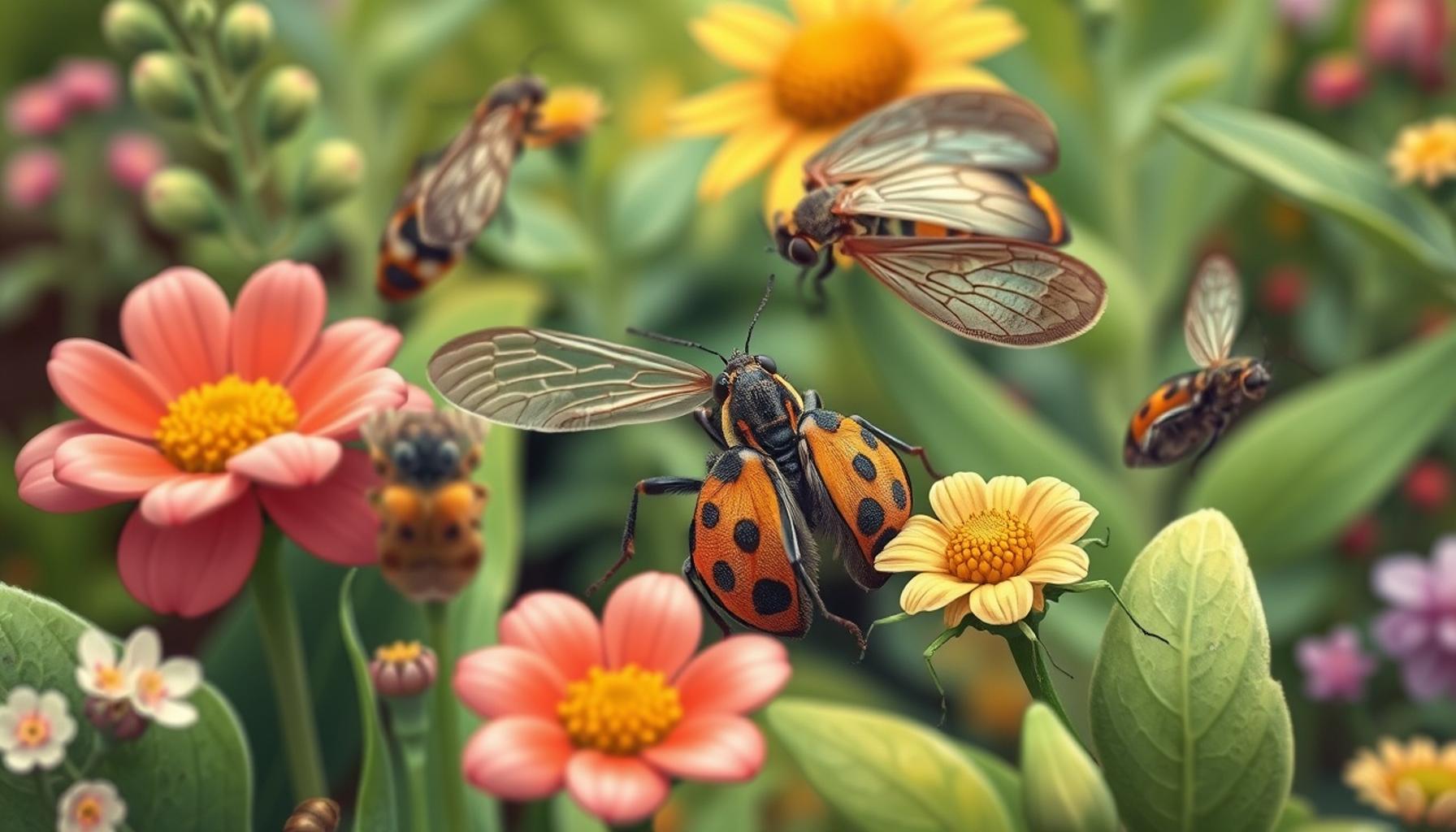
In the pursuit of a thriving garden, identifying common garden pests is crucial for maintaining healthy plants. Every gardener, whether novice or seasoned, faces the challenge of controlling these unwanted guests. From aphids to beetles, pests pose a significant threat to your garden’s well-being. With the right knowledge, you can mitigate their impacts and sustain your garden’s health through informed strategies.
Understanding the types of pests is the first step in effective management. Some of the most notorious pests include:
- Aphids: Small and sap-sucking, these pests can quickly multiply, leaving plants weak and vulnerable. Attracted to tender new growth, they can reproduce at alarming rates, leading to entire sections of your garden becoming infested.
- Spider Mites: These tiny critters thrive in dry conditions and are notorious for leaving fine webs on plants. They can cause stippling on leaves, leading to a decline in overall plant vitality if left unchecked.
- Slugs and Snails: Known for their slow movement, they can devour young seedlings overnight. Their soft bodies require moist conditions, which makes them particularly troublesome in humid climates or after heavy rains.
- Japanese Beetles: Characterized by their iridescent shells, they feast on leaves and flowers. These pests can skeletonize a plant, leaving nothing but veins behind, significantly impacting overall plant health and aesthetic appeal.
Recognizing the signs of infestation is essential. Look for:
- Discoloration: Leaves may turn yellow or exhibit spots, indicating stress or damage from pest activity.
- Wilting: Plants may show signs of stress or droop, often due to root damage from feeding pests.
- Presence of pests: Visible bugs or their droppings are clear indicators. Additionally, check for shed skins, which also point to activity.
Effective management strategies can help you regain control and can include:
- Manual removal: Handpicking pests like slugs and beetles can be a straightforward method, especially in smaller gardens.
- Natural predators: Encouraging beneficial insects, such as ladybugs or lacewings, can drastically reduce pest populations, as they feed on common pests like aphids.
- Organic pesticides: Using substances such as neem oil or insecticidal soap can safely target pests without harming beneficial organisms.
Effective pest management goes beyond mere elimination; it involves understanding the ecological balance within your garden. Join us as we delve deeper into the fascinating world of garden pests and the best practices for their management. With the right knowledge and tools, you’ll transform your garden into a pest-free paradise. Arm yourself with the facts, and your plants will thrive under your care, providing beauty and abundance for years to come.
LEARN MORE: Click here for essential soil preparation techniques
Understanding the Different Types of Garden Pests
To effectively manage garden pests, it is essential to have a clear understanding of the various types that may invade your space. Each type of pest presents unique challenges and threats to your plants, ultimately affecting their health and your harvest. The management of these nuisances requires not only vigilance but also a deeper knowledge of their behaviors and lifecycles. In summary, these pests can be categorized into three primary groups: sucking pests, chewing pests, and borers.
Sucking Pests
Sucking pests are among the most common threats to plants. They include aphids, whiteflies, and spider mites, all of which feed on the vital fluids of plants. These pests are notorious for weakening plants over time, leading to reduced growth potential and compromised yields. For example, aphids are small but mighty invaders; they not only suck sap but also secrete a sticky substance known as honeydew. This honeydew can attract other pests, like ants, and encourage the growth of sooty mold, creating an unsightly black layer on the leaves that blocks sunlight and hinders photosynthesis. Regular monitoring is crucial, as pest populations can explode rapidly when conditions are favorable, often leading to extensive damage if left unchecked.
Chewing Pests
On the other hand, chewing pests pose a different type of threat to your garden. Species such as caterpillars, beetles, and slugs physically consume plant material, tearing through leaves, stems, and fruits. This group includes notorious pests like the Japanese beetle, which feasts on over 300 plant species, including roses and vegetable crops. Their insatiable appetite can leave behind lacy, skeletal remains, which not only diminish the garden’s aesthetic appeal but also weaken the plants, making them more susceptible to disease and other environmental stressors. In a single season, an unchecked population of these pests can cause irreparable harm.
Borers
Finally, borers represent one of the more insidious threats in the garden ecosystem. Insects such as the bark beetle and vine weevil burrow into the structures of plants, including their stems and roots, leading to severe damage to the vascular system responsible for nutrient and water transport. Borers often remain hidden within the plant, making their detection particularly challenging until significant damage occurs. Look for indicators like sawdust or frass—an accumulation of wood shavings and insect poop—near the base of plants or small exit holes in the stems, which can signify a borer infestation.
Alongside understanding these principal types of garden pests, it is vital to recognize their lifecycle and seasonal patterns. Many pests emerge during specific times of the year, often coinciding with the flowering and growing seasons of your plants. Early detection is key; thus, regular inspection is indispensable for identifying potential threats before they escalate into larger infestations. Incorporating integrated pest management (IPM) practices, which combine biological, cultural, and chemical methods, can provide a comprehensive strategy tailored to your garden’s needs.
Lastly, maintaining a garden journal can be invaluable. Document pest appearances, changes in environmental conditions, and treatment methods to develop a thorough understanding of your garden’s challenges. By familiarizing yourself with the unique traits and behaviors of these pests, you empower yourself to take proactive measures in protecting your precious garden from their destructive tendencies.
| Category | Details |
|---|---|
| Identification Techniques | Utilizing visual clues like damaged leaves, presence of insects, and droppings. |
| Management Strategies | Incorporating organic pesticides, introducing beneficial insects, and employing physical barriers. |
Understanding how to effectively identify common garden pests is crucial for any gardener. Identification techniques are varied; straightforward *visual clues* like damaged leaves or the presence of insects can provide insight into potential pest issues. Moreover, learning about the specific characteristics of pests can aid in their detection before they become a major concern.When it comes to management strategies, there are a plethora of options available. For instance, incorporating organic pesticides can ensure that garden plants are protected while also being environmentally friendly. Additionally, introducing beneficial insects like ladybugs can help control pest populations naturally. Physical barriers such as row covers can also be effective in preventing pests from accessing vulnerable plants. Exploring these strategies will empower gardeners to maintain a healthier and more productive garden.
DISCOVER: Click here to learn how to choose the perfect garden tools
Effective Strategies for Managing Garden Pests
As we delve deeper into the realm of pest management, it becomes evident that knowledge is power. Understanding the types of pests that threaten our gardens is only part of the equation; implementing effective strategies for pest management is equally critical. Here, we will explore various approaches to manage pests in a sustainable manner, ensuring that our gardens can flourish while minimizing disruption to the ecosystem.
Biological Control
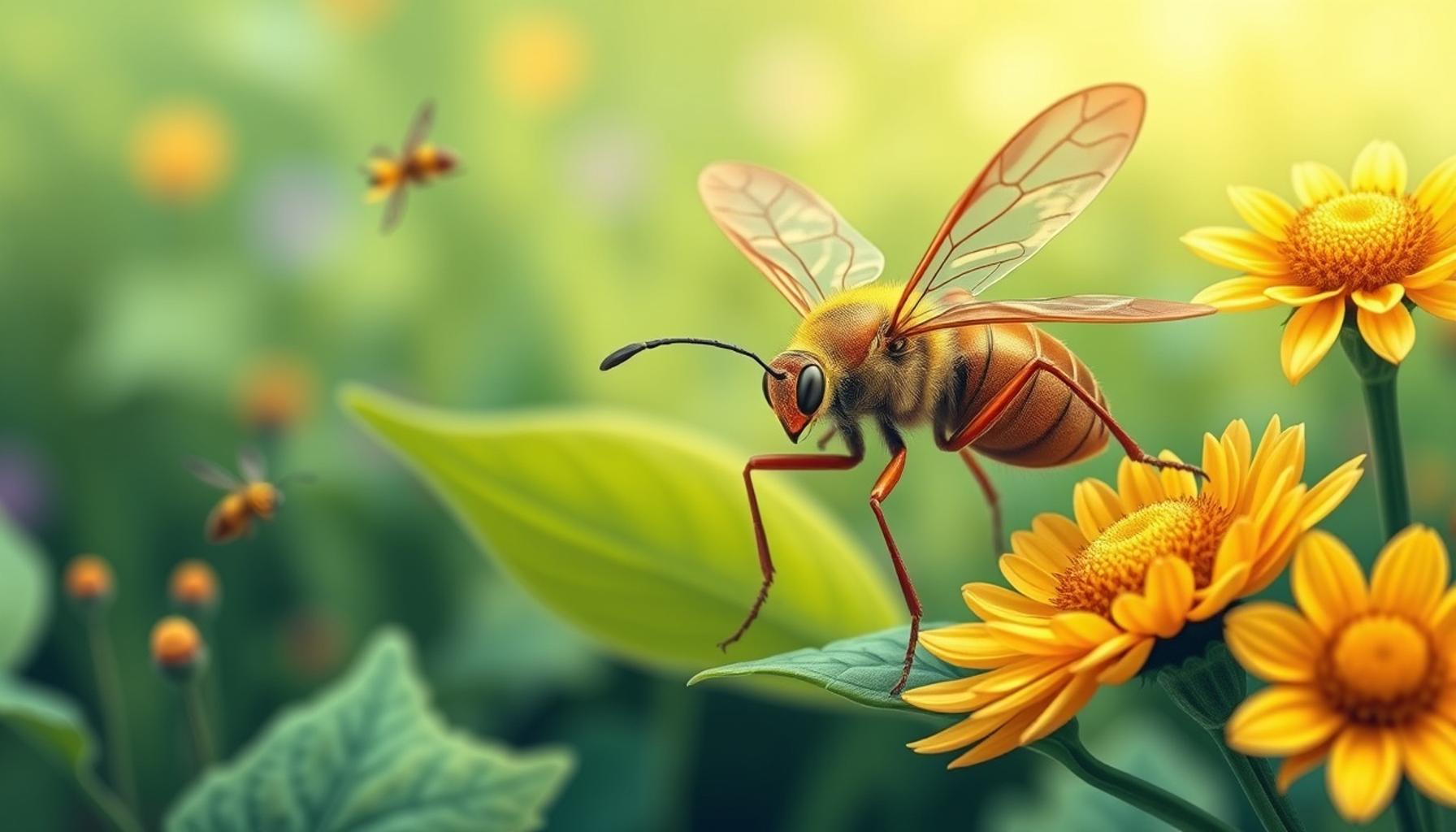
One of the most effective means of managing pests is through biological control, which involves using natural predators to keep pest populations in check. For instance, ladybugs are well-known for their appetite for aphids, while parasitic wasps can target caterpillars and other larvae. Introducing these beneficial insects into your garden can create a balanced ecosystem where natural enemies thrive, helping to suppress harmful pest populations organically. Additionally, planting nectar-rich flowers can attract these predators, enhancing their presence in your garden.
Cultural Practices
Cultural practices also play a crucial role in preventing pest infestations. By adopting thoughtful gardening techniques, you can create an environment that discourages pests from taking hold. For example, crop rotation—changing the types of plants grown in a specific area each year—can disrupt the life cycles of pests and reduce their populations. Furthermore, maintaining healthy soil through compost and mulching can promote plant resilience, making them less susceptible to infestations. Regularly cleaning garden debris also minimizes pest habitats, as many pests thrive in overgrown or neglected areas.
Mechanical and Physical Controls
Mechanical controls, such as barriers and traps, are another effective method of pest management that remains chemical-free. Physical barriers, like row covers and netting, can shield plants from insects, while hand-picking pests like slugs and caterpillars can protect vulnerable crops. Sticky traps can be employed to capture flying pests, such as whiteflies or fungus gnats, providing a visual indication of pest populations. By incorporating these mechanical measures, gardeners can proactively protect their plants while minimizing harm to the surrounding environment.
Chemical Controls: A Last Resort
While it is advisable to adopt a holistic and integrated approach to pest management, there may be instances where chemical controls become necessary. Understanding the distinctions between organic and synthetic pesticides can guide your decision-making process. Organic options, such as neem oil and insecticidal soaps, often provide targeted action with minimal environmental impact. However, it’s crucial to read labels carefully and follow application instructions to avoid harming beneficial insects. Integrated Pest Management (IPM) practices emphasize using chemical controls as a last resort, promoting a balance that targets pests while preserving ecological integrity.
Monitoring and Record-Keeping
Finally, establishing a consistent monitoring routine is fundamental for effective garden pest management. Regularly examining plants for early signs of pest activity can help to catch problems before they escalate. Gardeners may consider creating a detailed chart or digital log to document pest occurrences, weather patterns, and any control methods employed. This practice not only allows for better understanding of pest cycles but also aids in evaluating the effectiveness of implemented management strategies over time.
By integrating these diverse pest management techniques, gardeners can cultivate a resilient and prosperous garden ecosystem. From promoting beneficial species to adapting farming practices and employing physical barriers, the path to a pest-free garden is paved with knowledge, strategy, and commitment.
DISCOVER MORE: Click here to enhance your gardening success
Conclusion
Effective management of common garden pests is not only essential for enhancing plant health but also for fostering a vibrant ecosystem. Armed with the knowledge of identifying various pests and their behaviors, gardeners can tailor their management strategies to create a harmonious environment. A multifaceted approach—integrating biological control, cultural practices, mechanical methods, and judicious use of chemicals when necessary—ensures that gardening practices remain sustainable and environmentally friendly.
The significance of early detection cannot be overstated; regular monitoring can transform potential infestations into manageable situations. Gardeners who remain vigilant and responsive will often find themselves defending their gardens against pests more effectively. Moreover, maintaining accurate records serves not only to track pest populations but also to identify patterns and develop informed strategies for future growing seasons.
Ultimately, the journey of pest management is one of learning and adaptation. As you experiment with various methods, you may uncover new insights into your garden’s unique dynamics, leading to stronger plants and a flourishing outdoor space. So, whether you’re just starting out or are a seasoned gardener, remember that every pest encountered is an opportunity for growth in both your gardening skills and the health of your garden.
Embrace the challenge of identifying and managing garden pests head-on, and discover how these experiences can enrich your journey as a gardener while contributing to the broader health of our precious environment.