The Impact of Soil Health on Pest Resistance in Home Gardening
Exploring the Intricacies of Soil Health and Its Role in Gardening
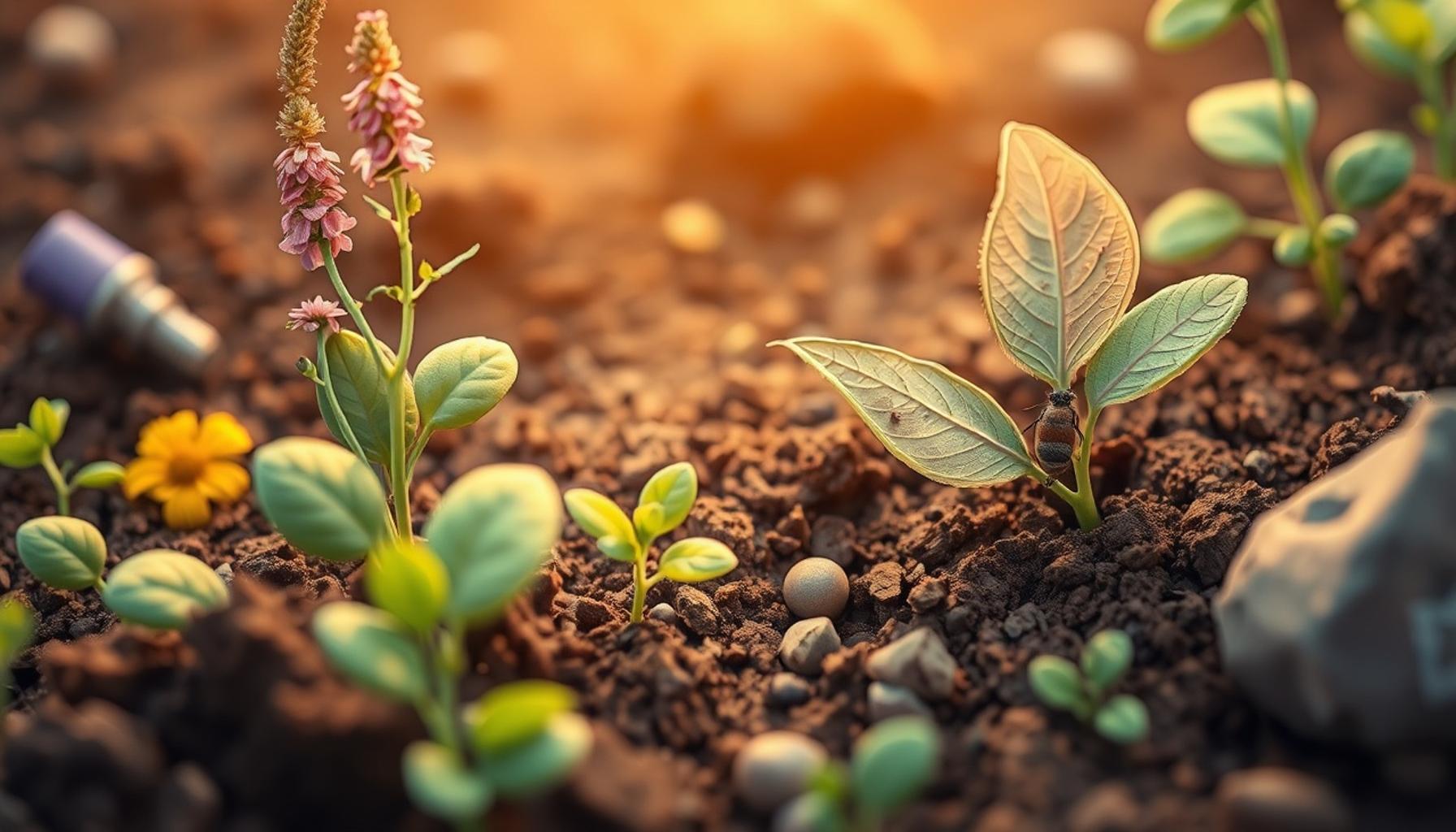
The foundation of a thriving home garden is often overlooked: soil health. Healthy soil does not just nourish plants; it plays a pivotal role in enhancing pest resistance. Understanding the connection between soil quality and pest control can transform your gardening practices. By prioritizing and improving soil health, gardeners can turn their plots into vibrant ecosystems teeming with vitality and resilience.
Why Focus on Soil Health?
Soil health impacts garden productivity and plant resilience in several significant ways. You can see these effects manifested in your garden, making it essential to delve deeper into the aspects of soil health:
- Nutrient Availability: Rich, well-structured soil facilitates the uptake of nutrients essential for plant growth. For example, nitrogen, phosphorus, and potassium, the primary macronutrients, become more accessible to plants when the soil structure supports microbial activity and organic matter.
- Beneficial Microbes: Healthy soil is home to a multitude of microorganisms, including bacteria, fungi, and nematodes, that can suppress harmful pests. Mycorrhizal fungi, for instance, form symbiotic relationships with plant roots, enhancing nutrient uptake while warding off potential threats like root-feeding nematodes.
- Soil Structure: Well-aerated soil improves root development, allowing plants to better withstand pest threats. Good soil structure supports larger pore spaces that facilitate air and water movement, reducing the risk of root diseases and encouraging robust root systems.
Link Between Soil Health and Pest Resistance
Research indicates that plants grown in nutrient-rich environments are generally better equipped to fend off pests. This resilience can be attributed to several interrelated factors:
- Stronger Immune Systems: Healthy plants often produce natural compounds, such as flavonoids and phenolics, that effectively deter pests. For instance, tomatoes cultivated in nutrient-dense soil exhibit enhanced production of defensive chemicals that fight off common pests like aphids.
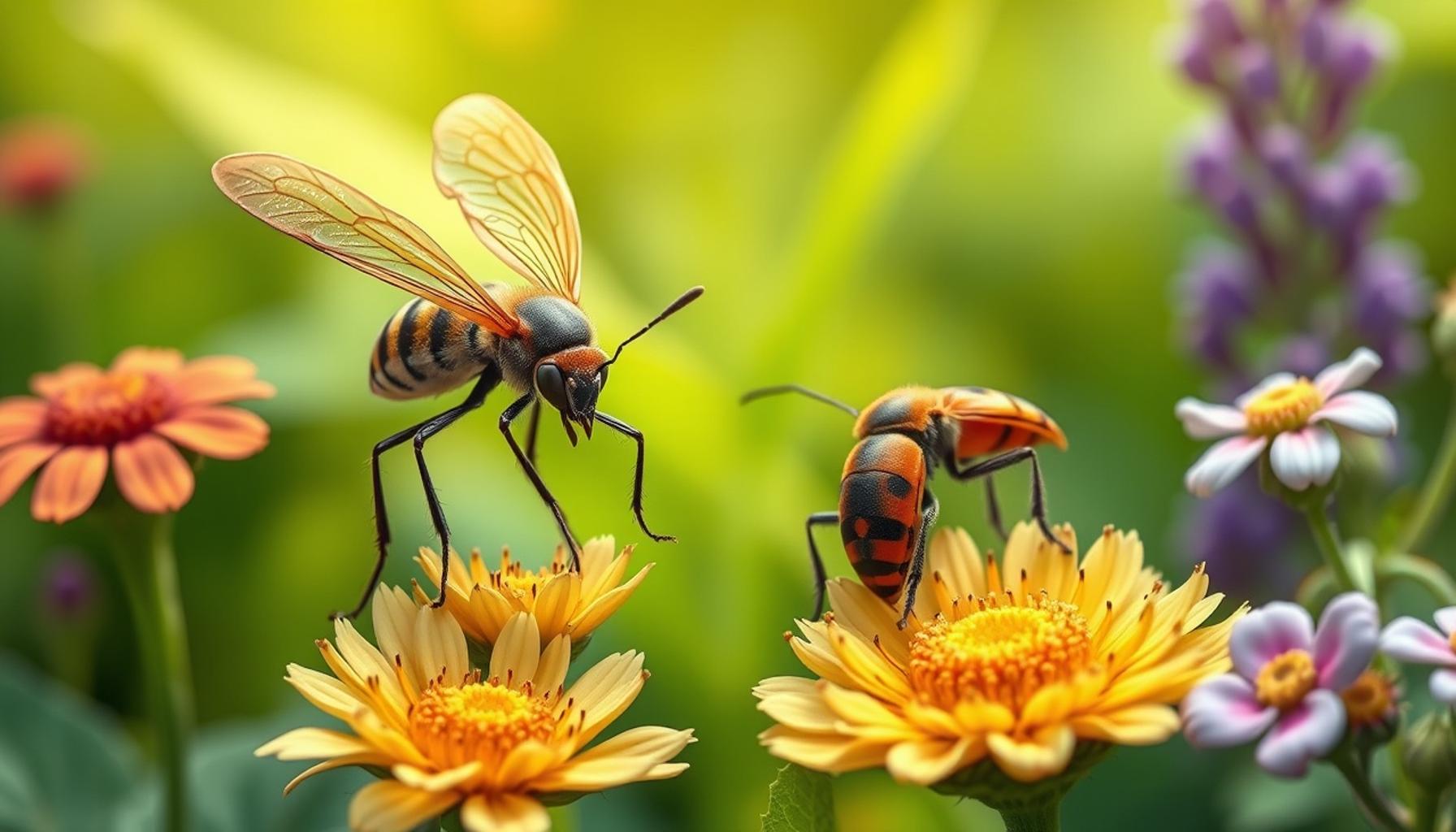
- Diverse Ecosystems: Balanced soil encourages biological diversity, promoting natural pest predators like ladybugs and predatory wasps. These beneficial organisms keep pest populations in check, reducing the need for chemical pesticides.
- Stress Resistance: Plants in optimum soil conditions experience less stress, rendering them more capable of resisting invasions. For example, tomatoes and peppers grown in well-amended soil are less susceptible to blight and fungal diseases, highlighting the importance of healthy soil in maintaining plant vigor.
By enhancing soil health, home gardeners can create a sustainable, pest-resistant environment. Exploring the intricate relationships among soil composition, plant health, and pest dynamics unlocks the secrets to a flourishing garden. Investing time in soil testing, incorporating organic matter, and practicing crop rotation can lead to a bountiful yield while fostering a resilient ecosystem. This proactive approach not only leads to thriving gardens but also contributes to broader environmental health, promoting biodiversity and soil restoration native to our landscapes.
EXPLORE MORE: Click here for essential tips
The Vital Connection Between Soil Quality and Plant Defense
In the quest for a flourishing home garden, understanding the symbiotic relationship between soil health and pest resistance is crucial. The quality of the soil creates the foundation for how well plants can grow, thrive, and withstand pest invasions. A well-nourished plant is not only more productive but also less likely to fall victim to pests that can wreak havoc on a garden. This connection fosters a conversation about the importance of soil management practices and their implications for pest control.
Key Factors Influencing Soil Health
To fully appreciate how soil health influences pest resistance, it is essential to consider several factors:
- pH Levels: The acidity or alkalinity of the soil can significantly affect nutrient availability and microbial activity. Most garden plants prefer a pH between 6.0 and 7.0. Deviating from this range can impede growth, adversely affecting a plant’s natural defenses against pests.
- Organic Matter Content: Incorporating organic matter such as compost enhances soil fertility and microbial diversity. This, in turn, creates a healthy ecosystem that supports plant vigor while providing habitat for beneficial organisms that help control pest populations.
- Water Retention: Healthy soil retains moisture effectively, ensuring that plants stay hydrated. Drought-stressed plants are more vulnerable to infestations. By improving soil structure through organic amendments, gardeners can promote better water retention, reducing stress on the plants.
The interplay of these factors contributes to a resilient garden environment. For instance, when the soil is rich in organic matter, it facilitates a thriving microbial community. This thriving community can outcompete harmful pathogens, creating a battleground that is more difficult for pests to navigate. In essence, a healthy soil ecosystem becomes a fortress for plants, arming them with the necessary tools to fend off invaders.
How Plant Nutrition Relates to Pest Defense
Corroborating the importance of soil health, recent studies have demonstrated that plants grown in nutrient-dense environments exhibit enhanced pest resistance. This phenomenon can largely be attributed to the biochemical responses initiated by healthy plants:
- Natural Pesticide Production: Plants synthesize various secondary metabolites in response to nutrient availability. These compounds, including alkaloids and terpenoids, often serve as natural deterrents against pests. For instance, consider the instances where healthy cucumber plants produce compounds that repel aphids.
- Improved Physical Barriers: Healthy plants tend to have thicker cuticles and stronger tissues, making it more challenging for pests to penetrate. This enhanced defensive mechanism acts as the first line of defense.
- Resilience to Stress: Plants thriving in balanced soil conditions experience less environmental stress, enabling them to better mobilize their defense systems when faced with pests.
The implications of these insights extend beyond home gardening; they encourage a broader dialogue about sustainable gardening practices. By focusing on enhancing soil health, home gardeners can cultivate a thriving ecosystem that naturally curbs pest invasions, significantly diminishing the need for chemical interventions. The journey to a healthy garden begins with a commitment to understanding and nurturing the core of the ecosystem: the soil.
| Aspect of Soil Health | Impact on Pest Resistance |
|---|---|
| Nutrient-Rich Soil | Healthy plants that thrive in nutrient-rich soil are less attractive to pests and have a heightened ability to recover from pest damage. |
| Soil Microbial Diversity | Diverse microbial communities in the soil can suppress harmful pests by enhancing plant health and resilience, enabling plants to naturally fend off infestations. |
| Soil Structure | Good soil structure facilitates optimal water drainage and root growth, promoting healthier plants less prone to disease and pest damage. |
| Organic Matter | Adding organic matter enhances soil fertility and encourages beneficial insects that can help control pest populations. |
Investing in soil health is a proven strategy for improving pest resistance in home gardens. Healthy soil not only supports plant growth but also enables plants to build defenses against potential threats. For example, nutrient-rich soil contributes to stronger and more resilient plants that can better withstand pest pressures. Moreover, the presence of diverse soil microorganisms plays a significant role in plant health by suppressing disease and pests, providing a natural form of pest resistance.Understanding how soil structure and composition directly influence plant vitality is crucial for gardeners. Good soil structure improves drainage and root development, which in turn fosters healthy plants capable of mitigating pest damage. Additionally, the incorporation of organic matter into the soil serves to boost fertility and attract beneficial species that contribute to pest management.Overall, the intersection of soil health and pest resistance is compelling, urging home gardeners to prioritize soil care as an integral part of their gardening practices. Further exploration into each of these aspects reveals expansive opportunities for gardeners to enhance their pest resilience through mindful soil management.
DIVE DEEPER: Click here to learn how to enrich your garden soil
Implementing Sustainable Practices for Optimal Soil Health
In addition to understanding the intrinsic connection between soil health and pest resistance, home gardeners can take actionable steps to cultivate healthier soil, which significantly enhances plant defense mechanisms. Sustainable practices not only improve soil fertility but also fortify gardens against pest threats. Here are some effective strategies:
Crop Rotation and Diversity
Implementing crop rotation is a time-honored technique that can contribute to enhanced soil health. By alternating the types of crops grown in specific areas each season, gardeners can disrupt pest life cycles that may target particular species. For instance, when a gardener plants tomatoes one year and follows up with legumes the next, the absence of a consistent host for harmful insects reduces their populations. Additionally, diversifying plant varieties promotes a richer microbial community in the soil, further enhancing soil nutrients and encouraging beneficial organisms.
Companion Planting
Companion planting is another innovative method that can protect plants from pests while improving soil health. This technique involves planting compatible plants together so they can either deter pests or provide support to one another. For example, marigolds are known to repel nematodes, while the deep roots of legumes can improve soil structure and increase nitrogen content for their neighboring plants. Together, these interactions create a balanced ecosystem that enhances plant resilience against pest invasions, showcasing the multi-faceted benefits of strategic planting.
Soil Amendments and Additives
The use of organic soil amendments, such as compost, manure, and biochar, plays a vital role in improving soil health. These amendments enrich the soil with essential nutrients, which can enhance plants’ natural defenses. For example, compost not only brings micronutrients but also improves soil structure, promoting root growth. Furthermore, adding mycorrhizal fungi can establish symbiotic relationships with plant roots. This partnership aids in nutrient absorption, energizing plants to tackle pest challenges more efficiently.
Minimizing Tillage
Adopting minimal tillage practices is crucial for maintaining soil health. Over-tilling can disrupt the soil structure, leading to erosion and loss of beneficial microbial populations. By minimizing disruptions, gardeners enable soil organisms to thrive, which contributes to a healthier soil ecosystem. Less tillage also aids in retaining soil moisture, reducing stress on plants that might otherwise succumb to pest pressure when facing drought. In addition, practicing no-till gardening allows for the buildup of organic matter on the surface, which can smother weeds and further suppress pest populations.
Regular Soil Testing
Conducting regular soil tests can provide valuable insights into nutrient levels and pH balances. This information allows gardeners to tailor their amendments accordingly, ensuring that soil conditions remain optimal for plant health. Each test can guide adjustments in nutrient management, ensuring that plants receive the right elements to fortify their defenses against potential pests.
As home gardeners incorporate these sustainable practices, they cultivate not only a garden that flourishes but also one that stands resilient against the threat of pests. Elevating soil health through strategic methods not only supports plant growth but promotes a natural balance within the garden ecosystem, reducing reliance on chemical pest control measures. Understanding and leveraging these interactions ultimately empowers gardeners to create thriving landscapes that produce delicious, pest-resistant produce.
LEARN MORE: Click here to understand garden pest life cycles
Conclusion: Embracing Soil Health for Thriving Gardens
In conclusion, the intricate relationship between soil health and pest resistance is pivotal for any home gardener aiming to cultivate robust and productive gardens. By implementing sustainable practices like crop rotation, companion planting, and organic amendments, gardeners can significantly enhance the resilience of their plants against pest threats. These strategies not only foster healthier soils but also create a thriving ecosystem in which beneficial organisms can flourish, naturally keeping pest populations at bay.
Moreover, the emphasis on minimizing tillage and conducting regular soil tests underscores the importance of understanding and managing soil health. Improved soil structure and nutrient balance equip plants with greater defenses, effectively reducing their susceptibility to pests. As organic gardening initiatives grow in popularity, creating gardens that depend less on chemical interventions becomes increasingly feasible.
Ultimately, prioritizing soil health is not just about improving yield; it embodies a holistic approach to gardening and ecological stewardship. Home gardeners who delve into the science of soil will find themselves not only enjoying bountiful harvests but also contributing to a healthier environment. As you explore the multifaceted benefits of nurturing your soil, you may find that the key to a thriving garden lies beneath the surface—waiting for you to unlock its potential.