Creative Ways to Use Household Items for Effective Plant Watering
Unlocking the Potential of Everyday Items
Watering plants can often feel like a mundane chore, but it doesn’t have to be! Many households are filled with common items that can transform how we care for our green friends. Embracing creativity can lead to more efficient and even fun watering methods.
Think Outside the Watering Can
- Pants for Plants: Old t-shirts or socks can become eco-friendly watering aids. By cutting the fabric into strips and placing one end in the soil while the other end dangles into a water source, you create a simple wick system. This method not only conserves water but also ensures a slow and steady supply of moisture, keeping your plants hydrated even when you’re away.
- Plastic Bottles: Recycled bottles can be repurposed into self-watering devices. Simply poke a few small holes in the bottom of a bottle, fill it with water, and invert it into the soil. The water will trickle out slowly, allowing your plants to absorb what they need over time rather than risking overfilling. This method is incredibly handy for those gardening enthusiasts who want to maintain their outdoor plants in a hot climate, especially during the summer months.
- Cups & Bowls: Use leftover dishware to provide a slow drip for thirsty plants. For instance, a ceramic bowl can be filled with water and placed at a higher level than your plants. With the help of gravity, it can slowly release water through holes or cracks in the bowl, ensuring that your plants get consistent moisture. Not only is this an effective technique, but it also adds a decorative touch to your plant display!
These clever ideas not only help in conserving water but also ensure your plants receive the moisture they need. By utilizing items that would otherwise be discarded, you can contribute to sustainability while enhancing your gardening routine. It promotes a circular economy where waste is minimized, and resources are utilized intelligently.
Explore Like an Innovator
Curiosity is key when it comes to plant care. The materials around you can be the solution to common gardening problems. For example, if you’re an avid coffee drinker, consider repurposing your used coffee grounds as a nutrient-rich slow-release fertilizer for your plants. Not only do they enrich the soil, but they also help improve drainage and moisture retention.
Moreover, experimenting with homemade plant food made from kitchen scraps, like banana peels or eggshells, can contribute to healthier plant growth. These simple hacks not only make the watering process easier but also foster a deeper connection to the plants we nurture.
Dive into creative watering solutions that can make your gardening experience both easier and more effective! Your everyday items can be transformed into tools that will support vibrant plant life, proving that innovation doesn’t always require special equipment or expensive alternatives. By thinking outside the box, you might uncover a wealth of possibilities right in your own home!
DISCOVER MORE: Click here for essential watering tips
Innovative Techniques for Watering with What You Have
When it comes to nurturing your verdant companions, innovation can arise from the most unexpected places—your home! By sourcing common household items, you can enhance your plant watering routine while minimizing waste. Consider the following inventive techniques that optimize your watering efforts and allow your green friends to thrive.
Fun and Functional Solutions
- Wine Bottles: One of the most beloved recycling hacks in the gardening community involves repurposing empty wine bottles. Just fill a bottle with water, cork it, and turn it upside down into your plant’s soil. The water will be gradually released, ensuring that your plants are quenched just right, contributing to a less labor-intensive watering schedule.
- Old Sponges: Soak up those scruffy sponges! Cut up old, unused sponges into smaller pieces and place them at the base of your plants. As the sponge absorbs water, it can slowly release moisture into the soil, providing an excellent reservoir system. This method is especially beneficial for potted plants, ensuring they do not dry out too quickly.
- PVC Pipes: For those with a slight DIY flair, creating a simple irrigation system using PVC pipes can be an interesting project. Drill small holes in a piece of pipe, bury it slightly below soil level, and connect it to a water source. As water flows through the pipe, it escapes slowly through the holes, saturating the earth evenly. This setup is not only efficient but allows you to take watering to a whole new level!
These ingenious methods not only make watering plants easier but also engage your creativity and resourcefulness. By transforming these everyday items into effective watering solutions, you foster a sustainable gardening habit that echoes the principles of environment-friendly living.
Stay Ahead with Smart Practices
Utilizing your everyday items for effective plant watering is just the beginning! The real innovation comes from combining these techniques with basic plant care knowledge. For instance, did you know that watering your plants early in the morning or late in the afternoon can vastly improve water absorption? This practice minimizes evaporation and allows your plants to make the most out of the moisture you provide.
Consider utilizing rainwater collection systems as well. By placing barrels or large containers to capture runoff from your roof, you can establish a sustainable watering solution that thrives even during dry spells. This not only conserves water but also enriches your plants, as rainwater is naturally soft and contains no harsh chemicals.
By integrating these creative watering methods into your routine, you can promote healthier growth and create a thriving indoor or outdoor space. Explore beyond traditional watering techniques, and discover how everyday items can work wonders for your plants!
| Category | Benefits |
|---|---|
| Water Bottles | Easily controlled watering for your plants; the narrow spout helps reach the root base without overwatering. |
| Ice Cubes | Gradual melting ensures slow and steady moisture release; ideal for plants that prefer consistent humidity levels. |
| Old Socks | Can be used as a plant wick, allowing water to travel slowly from a container into the soil, ensuring even hydration. |
| Aluminum Foil | Reflects light to boost plant growth; when used as a cover, it prevents soil from drying out too fast. |
Implementing these household items not only encourages resourcefulness but also promotes sustainability in plant care. As you experiment with these creative methods, you will discover how easy it is to turn everyday objects into effective watering solutions that can enhance your gardening experience. Each item not only aids in watering but also brings about unique benefits that can optimize the health and growth of your plants. By harnessing these innovative strategies, you can transform your home into a thriving green sanctuary while being environmentally conscious.
DISCOVER MORE: Click here to enhance your garden’s soil
Repurposing with Purpose
As we continue to explore the creative avenues for effective plant watering, let’s dive deeper into methods that redefine the way we think about water sources in our own homes. By repurposing items that typically gather dust, you not only discover new ways to nourish your plants but also contribute positively to sustainability efforts.
Watering Can Alternatives
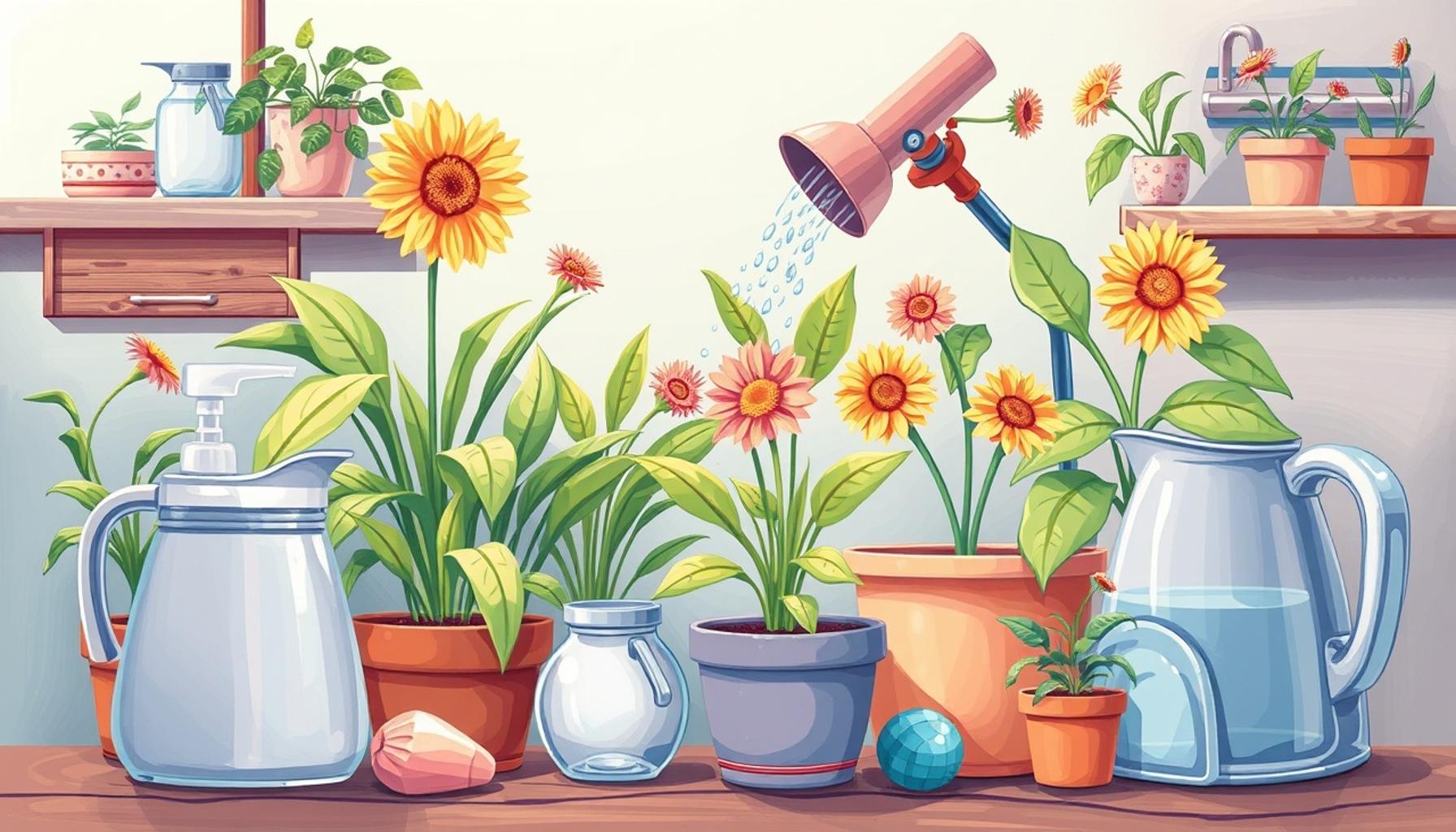
- Plastic Milk Jugs: After enjoying the delicious contents of your milk, don’t simply toss the jug into the recycling bin. Instead, cut a few small holes in the cap and use it as a watering can—it’s like creating your own drip system! Fill the jug with water, cap it, and set it beside your plants. With each watering, the water will seep out slowly, ensuring your plants are hydrated over an extended period.
- Dishwashing Soap Bottles: If you have an empty dish soap bottle, these can work wonders as watering devices. Simply rinse them out, fill them with water, and use the nozzle to direct water exactly where it’s needed—perfect for reaching those hard-to-navigate plants. This allows for controlled watering, ideal for delicate roots and seedlings.
These alternatives not only serve the purpose of watering while minimizing plastic waste, but they also bring a sense of ingenuity to your gardening routine.
Unconventional Water Dispensing Techniques
While the above methods leverage familiar household containers, let’s take a step further into the realm of ingenuity with some unconventional watering hacks that can really make a difference.
- Diapers: Yes, you read that right! Unused diapers contain superabsorbent gels that can hold water for extended periods. Cut open a diaper and spread the gel around your plants. It will slowly release moisture into the soil, reducing your need for frequent watering and retaining moisture during dry spells.
- Egg Cartons: For your smaller plants and seedlings, consider using egg cartons as a water-catching reservoir. Cut the bottoms out of the cartons, place them under the planters, and fill them with water. This bottom-up watering method provides necessary moisture directly to the roots while preventing overwatering.
By exploring these unconventional methods, you stand to benefit from a more effective watering strategy that uses resources creatively. It’s all about finding the items that best cater to your plant community while fostering awareness of sustainability.
Embracing the Power of Timing
In addition to clever hacks involving household items, timing can play a vital role in your plant watering regime. Research shows that watering plants in the early morning allows for the best uptake of moisture as temperatures are cooler, and evaporation is minimized. If mornings aren’t feasible, consider evening watering as an alternative—but avoid watering right before sunset, to prevent moisture-laden leaves causing fungal issues overnight.
Conducting a little test with your various DIY watering arrangements can lead to rich insights. Observe how each method impacts moisture retention and plant health, and don’t hesitate to tweak your techniques based on your observations. Remember, every plant and environment is unique, so experimentation can pave the way for even more breakthroughs in plant care.
With all of these inventive solutions and practices, you have the tools at hand not just for watering effectively but also for enriching your gardening journey. Explore, innovate, and discover how creativity can complement your love for gardening while maintaining sustainability.
DISCOVER MORE: Click here for some great low-maintenance plant ideas
Conclusion: Nurturing Creativity in Plant Care
In an age where sustainable living and resourcefulness are increasingly essential, exploring creative ways to use household items for effective plant watering proves to be both practical and rewarding. From transforming everyday containers into efficient watering tools to innovating unconventional methods like utilizing diapers and egg cartons, the possibilities are endless. Each approach not only helps you care for your plants but also minimizes waste and promotes environmental consciousness.
As you integrate these techniques into your gardening routine, consider the profound lessons that emerge from this journey. It is not merely about the act of watering but embracing the vintage adage: “one person’s trash is another person’s treasure.” By thinking outside the box and experimenting with items often overlooked, you enhance not only the health of your plants but also cultivate a deeper connection with your surroundings.
Moreover, remember that successful watering is a dynamic practice that requires observation and adaptation. As you test and refine these methods, you will learn which techniques best suit your individual plants and conditions. Whether it’s timing your watering sessions for optimal moisture retention or finding the right containers for different species, continuous improvement is key.
Ultimately, let this exploration ignite your passion for gardening while fostering a sustainable mindset. So, roll up your sleeves, gather those household odds and ends, and embark on an engaging and environmentally friendly adventure in plant care. The answers you seek may be right in your home, waiting for your creative touch.