How to Choose the Right Watering Method for Indoor vs. Outdoor Gardens
The Importance of Proper Watering Techniques
Watering your garden is a fundamental aspect of gardening that can significantly influence the health and aesthetics of your plants. For any gardener—whether a novice or a seasoned expert—grasping the importance of different watering methods tailored for indoor and outdoor plants is essential.
Understanding Indoor Gardens
Indoor gardens often benefit from a controlled atmosphere, where variables such as light intensity, temperature, and humidity can be manipulated. For instance, houseplants like spider plants or peace lilies thrive in moderate humidity and require watering only when the top inch of soil feels dry. In contrast, succulents and cacti, which are adapted to arid conditions, demand infrequent watering and a well-draining soil mix.
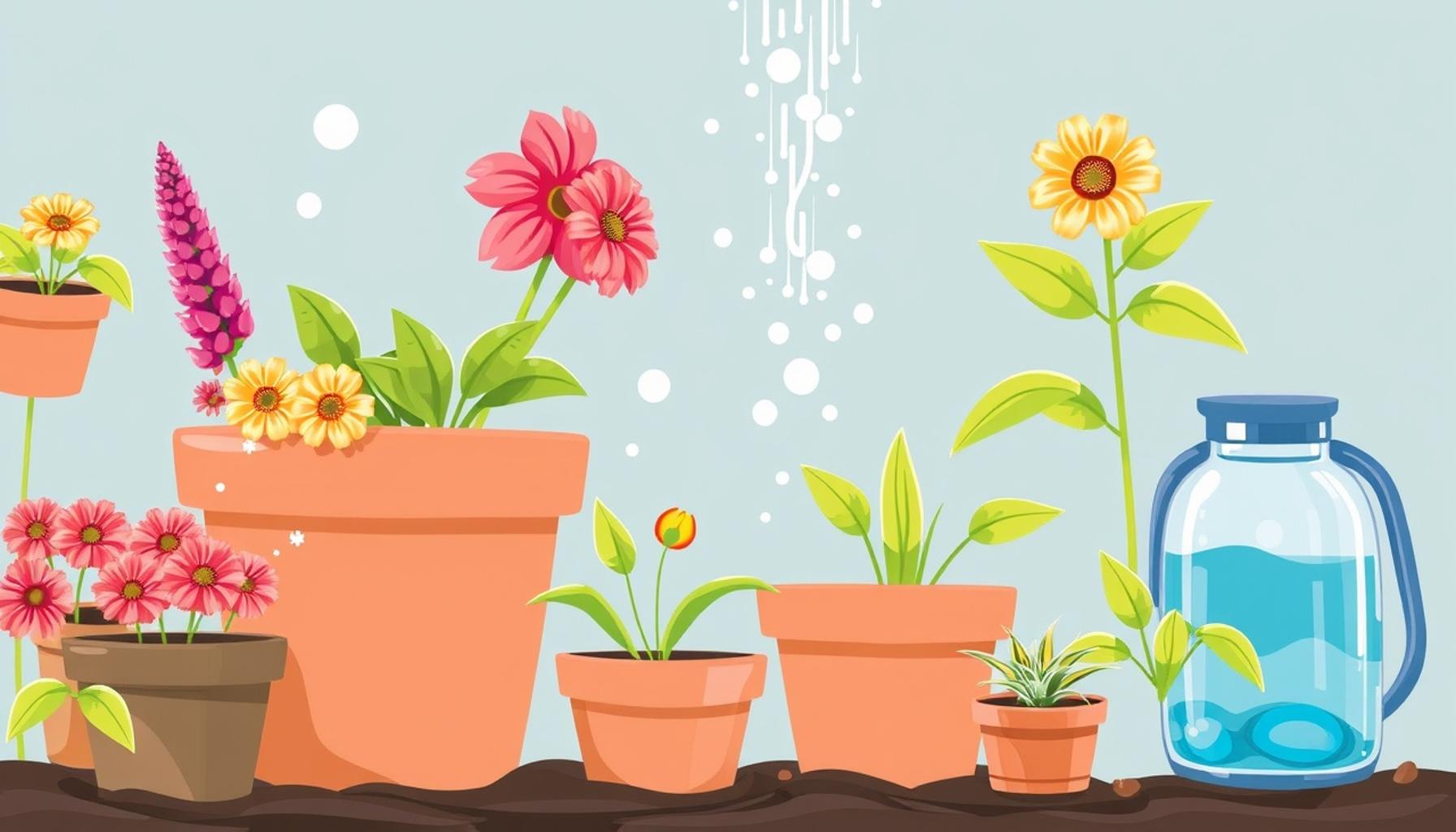
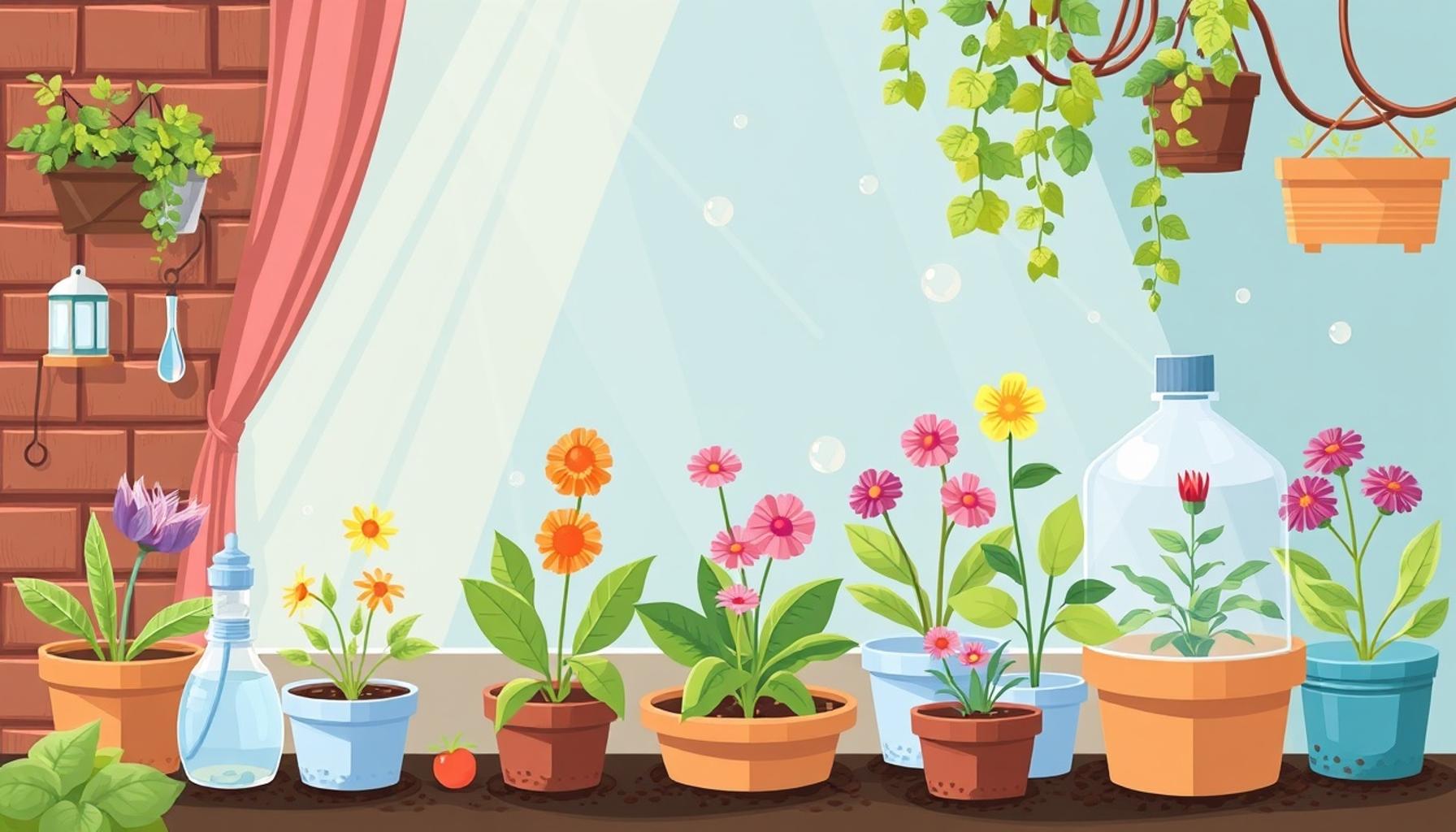
Utilizing methods like self-watering pots or watering globes can automate the process, ensuring plants receive the optimum moisture without over-saturation, which can lead to root rot. It’s crucial to observe plants for signs of distress, such as yellowing leaves or wilting, as these can signify either underwatering or overwatering.
Navigating Outdoor Gardens
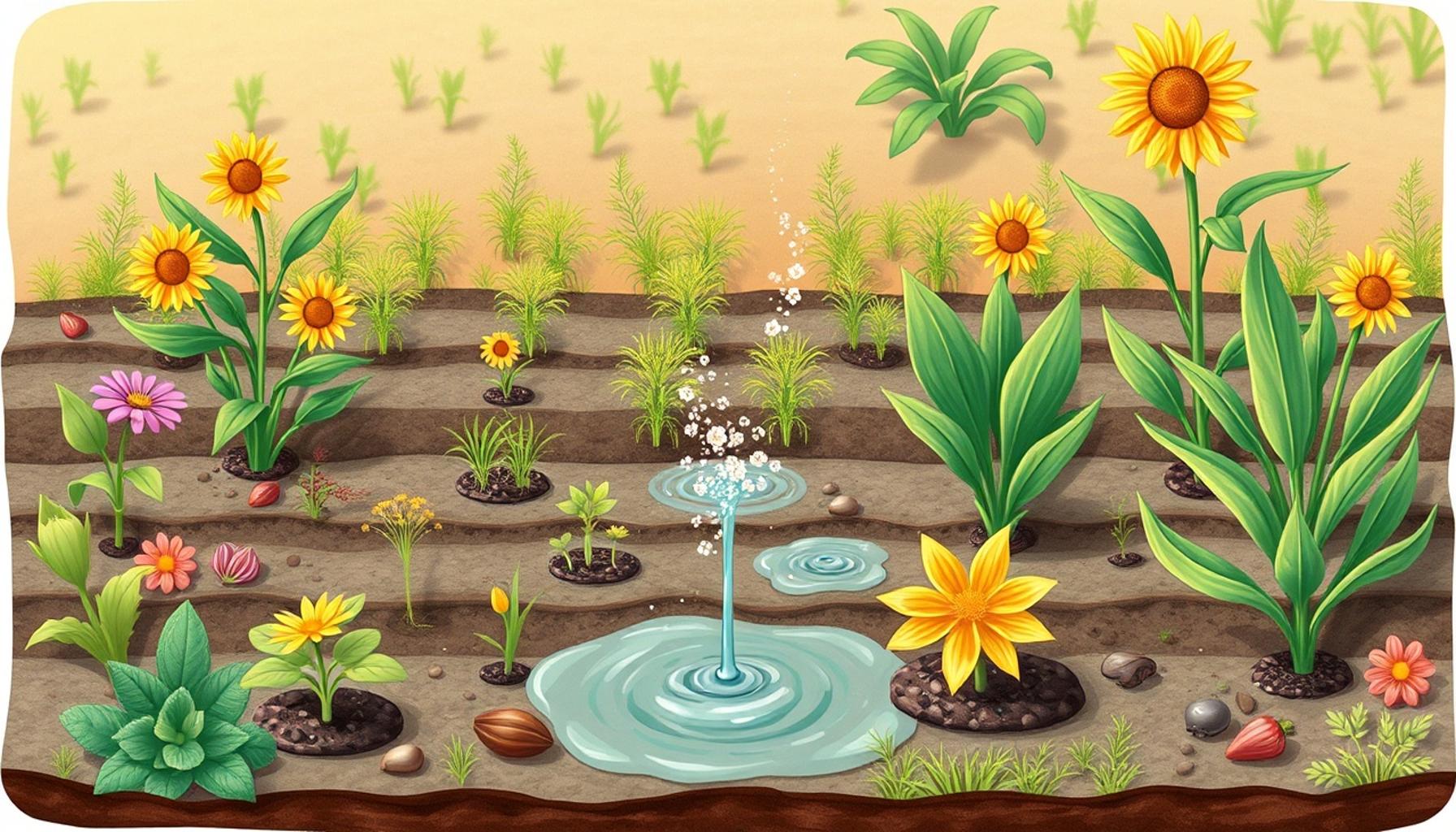
Outdoor gardening presents a more complex challenge due to fluctuating weather patterns and diverse soil types. Different landscapes require varying strategies. For example, in the United States, regions like California experience long dry spells, making methods such as drip irrigation indispensable for conserving water while ensuring deep soil penetration. On the other hand, areas prone to heavy rainfall, such as the Southeastern states, may need to focus on drainage solutions to prevent waterlogged soil.
The type of soil plays a pivotal role in determining watering frequency. Sandy soils drain quickly and may require more frequent watering, while clay soils retain moisture but can complicate aeration. Assessing soil texture is an essential step in optimizing your watering routine.
Key Considerations in Tailoring Your Watering Strategy
When planning your watering approach, keep these critical factors in mind:
- Plant Type: Understanding the specific water requirements of each plant can help you avoid common pitfalls.
- Soil Type: Different soils react distinctly to moisture, impacting how often you should water.
- Weather Conditions: Seasonal changes, along with local climate factors, will determine your watering needs.
Whether you opt for traditional methods or advanced watering systems like suction hoses, being informed about each technique’s pros and cons will enhance your ability to nurture a thriving garden. By adopting thoughtful and adaptable watering practices, you can promote robust plant growth, making your garden not just a space to grow but a sanctuary that flourishes with life.
DISCOVER MORE: Click here to learn about the benefits of indoor gardening
Choosing the Right Watering Method for Indoor Gardens
When it comes to indoor gardening, understanding your plants’ specific watering needs is crucial to their overall health. With the stability of an indoor environment, factors such as lighting and humidity can be carefully controlled, but that doesn’t mean watering can be an afterthought. Each variety of indoor plant has its unique moisture requirements, influenced by its native habitat.
For example, tropical houseplants like ferns or pothos naturally flourish in a humid atmosphere and require consistent moisture. It’s advisable to check the soil’s moisture content regularly; a moisture meter can be an efficient tool for determining when to water. Conversely, low-maintenance plants such as snake plants or jade plants prefer dry conditions and can easily suffer from overwatering. Understanding the balance is key—finding the sweet spot where moisture levels are just right is essential for plant vitality.
Among the various watering methods available for indoor gardens, bottom watering is a technique that has gained popularity among gardeners. This method involves placing the plant pot in a tray of water, allowing the soil to absorb moisture from the bottom up. This not only promotes healthy root development but also minimizes the risk of waterlogged soil on the surface. Additionally, techniques such as drip trays and automated watering systems can provide consistent moisture without the risk of over-saturation.
Outdoor Gardens: Strategies and Considerations
When transitioning to outdoor gardening, the multitude of factors can complicate your watering strategy. Your garden’s location—whether it’s a sun-soaked patio in Arizona or a shady corner in the Pacific Northwest—will dictate the appropriate method. The regional climate plays a significant role in determining the optimal watering frequency. For instance, drought-prone regions may benefit from xeriscaping, which involves choosing drought-resistant plants and employing efficient watering practices like soaker hoses to minimize water loss.
Additionally, outdoor gardens present unique soil challenges. Evaluating your soil type is essential; sandy soils drain rapidly and might require more frequent watering, whereas clay soils retain moisture but can lead to poor aeration. Conducting a simple drainage test can reveal how your soil holds water: dig a hole about 12 inches deep, fill it with water, and see how quickly it drains. This insight is invaluable for establishing a tailored watering schedule.
- Mulching: Applying organic mulch around plants can reduce evaporation, keeping the soil moist for longer periods.
- Timing: Watering in the early morning or late afternoon helps reduce evaporation losses and ensures plants effectively absorb moisture.
- Monitoring Rainfall: Keeping track of local rainfall allows you to adjust your watering schedule, promoting water conservation.
In essence, the strategy for successful outdoor watering must be adaptable, responding to natural fluctuations in weather and plant growth cycles. By embracing effective watering techniques, you can ensure that your outdoor garden remains vibrant and healthy, equipped to handle the challenges the elements throw its way.
| Garden Type | Watering Method |
|---|---|
| Indoor Gardens | Drip Irrigation is ideal for delivering moisture directly to the roots, preventing over-watering and allowing for efficient water usage. |
| Outdoor Gardens | For outdoor spaces, Soaker Hoses provide slow, steady moisture delivery while minimizing evaporation losses, making them a sustainable choice. |
| Containers & Small Plants | Self-Watering Pots maintain consistent moisture levels, which is crucial for delicate plants that cannot tolerate drying out. |
| Large Outdoor Areas | Utilizing Sprinkler Systems allows for coverage of vast areas while ensuring water efficiency and effective hydration for all plants. |
Indoor and outdoor gardens face different environmental conditions and plant needs, which greatly influence the watering methods chosen. For instance, indoor plants tend to require more precise watering due to controlled environments. Drip irrigation not only conserves water but also helps prevent rot by keeping the foliage dry. On the other hand, outdoor gardens benefit from a broader range of methods. Specifically, soaker hoses work excellently in vegetable and flower beds, allowing water to soak into the soil, thus reducing water waste and combating runoff. Understanding your garden’s specific needs is essential for choosing the right water strategy. Indoor gardeners should focus more on maintaining humidity and preventing overwatering, whereas outdoor gardeners must consider factors like soil type, climate, and weather patterns. Choosing wisely between self-watering pots and sprinkler systems can lead to substantial improvements in plant health, yield, and resource sustainability. This comprehensive insight can empower you to make informed decisions tailored for your gardening endeavors.
EXPLORE MORE: Click here to discover the best indoor plants
Optimizing Your Watering Techniques for Outdoor Gardens
When considering the diverse ecosystem of outdoor gardens, selecting the right watering method is not solely based on plant type; it also involves assessing your garden’s layout, seasonality, and climate factors. While more traditional methods like hose watering or hand-held watering cans remain popular, modern irrigation systems have revolutionized the way gardeners approach moisture management.
Drip irrigation systems have become a go-to choice for many gardeners. By delivering water directly to the base of each plant, these systems minimize waste and reduce evaporation, making them especially effective in arid regions. In the United States, where water conservation is increasingly prioritized, the efficiency of drip systems means your plants receive consistent moisture without the risk of runoff.
Furthermore, timers can be integrated into these setups, allowing for automated watering during optimal times of the day—early morning or late evening—when evaporation rates are lower. This technology not only takes the guesswork out of watering schedules but also liberates time for gardeners to focus on other essential tasks.
Seasonal Adjustments
As seasons change, so do the watering needs of your outdoor garden. During the warmer months, plants may require deep, infrequent watering to encourage sturdy root growth; whereas, in cooler seasons, frequent but lighter watering may suffice. Observing your plants closely can yield insights: droopy leaves or yellowing foliage may indicate a need for more water, while brown edges or wilting may signal overwatering.
In addition, planting in raised beds or incorporating water-retentive materials such as geotextiles can enhance drainage and soil moisture retention—offering adaptability in various climates. These methods are particularly beneficial in areas with heavy rainfall, as they help prevent root rot and maintain healthy soil conditions.
Community Resources and Innovations
For outdoor gardeners looking to refine their watering techniques, local gardening communities offer a wealth of resources. Many cities have cooperatives or community gardens that host workshops on sustainable gardening practices, including efficient watering methods tailored to local climates. Attending these workshops can provide hands-on experience with innovative technologies like rainwater harvesters, which collect and store rainwater for garden use, promoting sustainability.
Moreover, innovative practices such as smart irrigation sensors, which detect soil moisture levels and adjust watering schedules accordingly, are increasingly available to the home gardener. These advancements not only conserve water but also facilitate optimal plant health—eliminating the trial and error typically associated with outdoor watering.
- Gravity-fed systems: Utilize the natural pull of gravity to irrigate plants efficiently, eliminating the need for electrical pumps.
- Permeable pavements: Offer effective runoff management by allowing rainwater to infiltrate into the soil rather than creating puddles or flooding.
- Cover crops: Help maintain soil integrity during dry spells, thereby reducing the need for additional watering.
As you delve into the various facets of outdoor watering strategies, consider the environmental impact alongside plant health. Whether it’s through innovative irrigation systems, seasonal adjustments, or community engagement, striking the right balance in your watering technique is pivotal to cultivating a thriving outdoor garden.
DISCOVER MORE: Click here for tips on selecting the perfect containers
Conclusion
Choosing the right watering method for indoor and outdoor gardens is essential to ensuring healthy plant growth and optimizing water use. While indoor gardens often benefit from deep watering techniques and simple tools such as self-watering pots or moisture meters that prevent over and underwatering, outdoor gardens require more strategic approaches influenced by environmental factors. Techniques such as drip irrigation, rainwater harvesting, and smart irrigation systems not only promote efficient water use but also adapt to changing weather patterns.
Understanding the specific needs of each plant type, as well as the garden’s layout and climatic conditions, is key to developing an effective watering strategy. Outdoor gardeners must remain attuned to seasonal changes, recognizing that the water requirements of plants fluctuate throughout the year, while indoor gardening allows for a more consistent environment where watering can be carefully tailored.
Moreover, embracing innovative technologies and engaging with local gardening communities can enhance your knowledge and techniques. Participation in workshops or accessing updated gardening resources will further empower you to make informed choices, ensuring your plants thrive sustainably. By considering both traditional and modern watering methods, everyone from novice gardeners to seasoned horticulturists can cultivate flourishing gardens, whether indoors or outdoors.
In conclusion, as environmental concerns grow, the journey to finding the ideal watering method should not only enhance plant health but also foster a greater appreciation for water conservation and sustainability practices. Transform your watering routine into a mindful activity that nurtures your garden and the planet.