Drip Irrigation Methods to Save Water in the Garden
The Importance of Water Conservation in Gardening
In the face of increasing water scarcity across the United States, particularly in areas such as California and the Southwest, water conservation in gardening has taken on a new urgency. Traditional watering methods often lead to significant waste, whether it’s through evaporation, runoff, or simply watering areas that don’t need it. This is where drip irrigation comes into play as an innovative solution, providing a precise and efficient way to deliver water directly to the base of plants.
Understanding Drip Irrigation
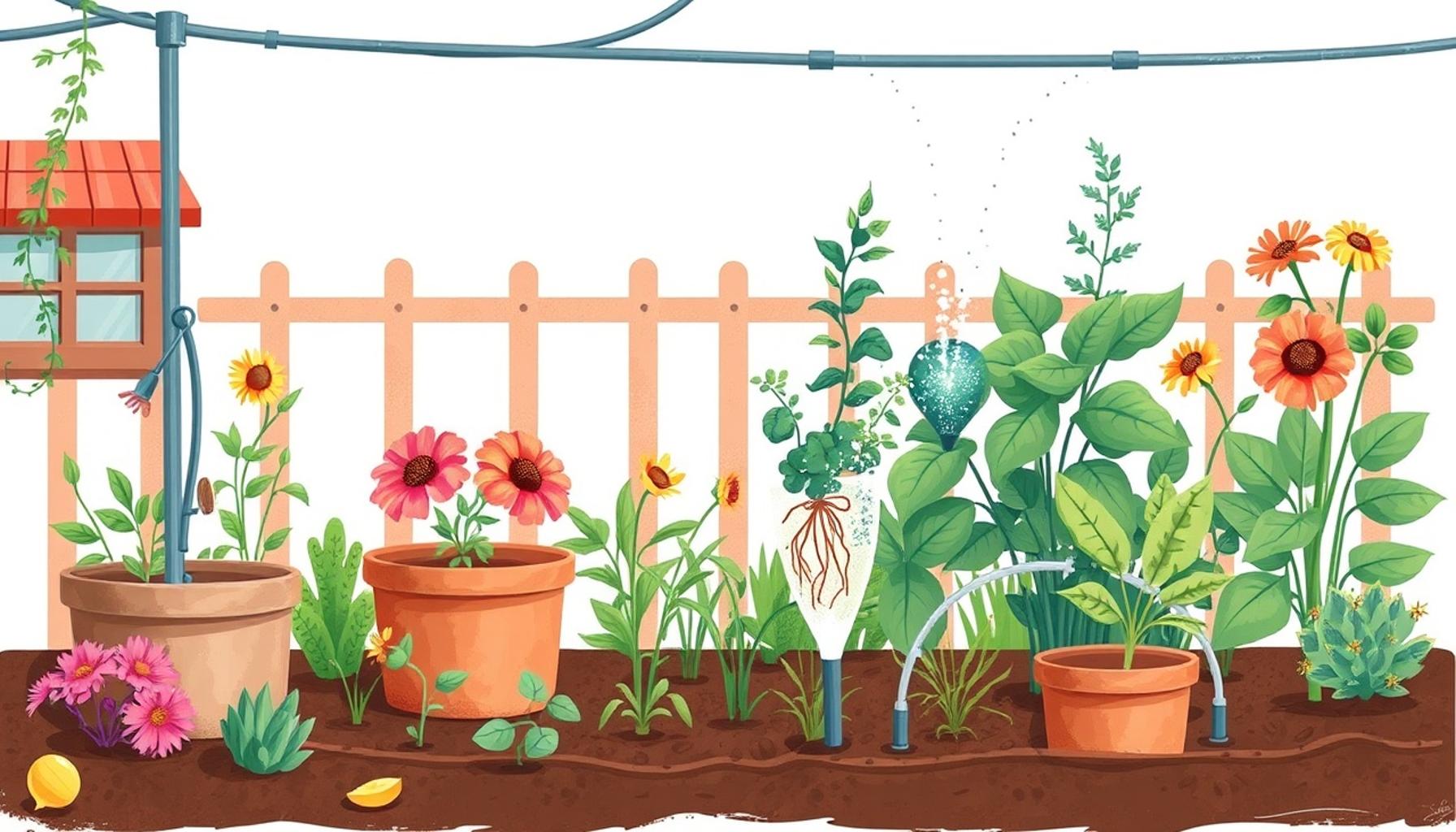
Drip irrigation is a system that delivers water slowly and directly to the roots of plants through a network of tubing and emitters. Unlike traditional sprinklers, which spray water indiscriminately across a wide area, drip systems focus on the plants that need moisture, drastically cutting down on water use. This targeted approach not only conserves water—potentially reducing consumption by up to 50%—but also improves overall garden health.
A key advantage of drip irrigation is its ability to minimize weed growth. By supplying water directly to plant roots and avoiding broader soil saturation, gardeners can significantly limit the conditions that favor weed seeds to germinate. This targeted watering method places less strain on your plants and reduces the amount of labor needed to maintain a weed-free garden.
Healthier Plants and Soil Preservation
Moreover, drip irrigation helps in maintaining optimal soil moisture levels, preventing the detrimental effects of over-watering. Overly saturated soil can lead to root rot, a common issue faced by many gardeners. By allowing only the necessary amount of water to reach the roots, plants can thrive without fear of drowning or suffering from poor drainage. This method encourages deeper root growth, resulting in more resilient plants that are better equipped to withstand periods of drought.
Practical Benefits and Applications
Gardeners across the United States are increasingly adopting drip irrigation, particularly in regions facing continuous drought conditions. Homeowners with vegetable gardens can set up systems that not only enhance yield but also ensure that each plant gets what it specifically requires. Utilizing timers and moisture sensors, one can automate the watering process, further reducing labor and enhancing efficiency.
For those new to gardening or looking to upgrade their techniques, investigating various drip irrigation methods can be a worthwhile endeavor. Resources are readily available through local agricultural extensions and gardening centers, which can provide tailored advice for specific climates and soil types.
In summary, embracing drip irrigation can lead to more water-efficient gardening practices. With the right system in place, you can cultivate a healthier landscape while conserving a precious resource that we can no longer afford to waste. The future of gardening lies in efficiency and sustainability, and drip irrigation stands at the forefront of this revolution.
DISCOVER MORE: Click here to learn about essential watering techniques
Exploring Different Drip Irrigation Methods
When considering drip irrigation methods, it’s essential to understand the various systems available and how they can be tailored to meet the specific needs of your garden. These systems not only conserve water but also optimize the health of your plants and soil. Here, we explore some of the most effective drip irrigation techniques that you can implement in your garden, ensuring you make the most of every drop while cultivating a thriving landscape.
1. Tape Drip Irrigation
One popular method, especially among vegetable garden enthusiasts, is tape drip irrigation. This approach utilizes thin, flat tubing that is laid out on the soil surface or buried just under the soil. The tubing is perforated with small holes to allow water to seep directly to the plants’ roots. This method is particularly effective for row crops like tomatoes, peppers, and lettuce, where water needs are consistent along the rows.
2. Emitter-Based Systems
Another option is the emitter-based drip irrigation system, which involves a network of plastic tubing connected to emitters that deliver specific amounts of water to each plant. Unlike tape systems, emitters can be individually adjusted, making them ideal for gardens with varied plant types that have different water needs. Homeowners can place emitters closer to the roots of individual plants, which not only conserves water but also encourages healthy growth by providing a stable moisture level.
3. Subsurface Drip Irrigation
For those looking to maximize efficiency even further, subsurface drip irrigation, which involves burying the drip lines at a certain depth in the soil, can be a game-changer. This method minimizes evaporation and eliminates surface runoff. It’s particularly useful in arid regions where every drop counts. By keeping the water below the surface, this technique also reduces the chances of weed growth, thus saving gardeners time and resources on weeding efforts.
4. Climate Considerations and Customization
Implementing an effective drip irrigation system requires careful consideration of your local climate and soil conditions. Factors such as temperature, humidity, and soil type will dictate how much water your plants need and how often they should be watered. To tailor your system for optimal performance, consider the following:
- Soil Moisture Sensors: These devices can monitor the moisture levels in the soil and trigger the irrigation system to operate only when needed, saving water and preventing over-watering.
- Timer Systems: Automating watering schedules can help in consistently providing water at optimal times, reducing evaporation losses, especially during the heat of the day.
- Mulching: Using mulch around plants can help retain soil moisture and reduce the frequency of watering, making your drip system even more efficient.
Incorporating different drip irrigation methods tailored to specific plant groups not only improves water conservation but also boosts overall garden productivity. Whether you opt for tape, emitter, or subsurface systems, each method presents unique advantages, driving home the importance of thoughtful water management in today’s gardens.
| Advantages | Details |
|---|---|
| Water Efficiency | Drip irrigation allows you to target specific plants, minimizing water waste. By delivering water directly to the root zone, plants absorb moisture more effectively. |
| Soil Health | This method enhances soil structure by reducing erosion and preventing compaction, which can occur with traditional watering methods. |
| Versatility | Applicable to various garden types, whether in raised beds, containers, or large landscapes, the flexibility of drip systems makes them an excellent choice. |
| Saves Time | Once set up, drip irrigation systems can be automated, allowing for consistent watering schedules without daily manual effort. |
Drip irrigation not only conserves water but also fosters a healthier gardening ecosystem. Understanding these benefits can motivate gardeners to explore and transition to this highly effective watering solution. Additionally, with rising concerns about water scarcity, implementing drip irrigation becomes not just an option, but a necessity to promote sustainability in our gardens.
DISCOVER MORE: Click here to learn about the best indoor plants
Optimizing Your Drip Irrigation System for Maximum Efficiency
As you explore drip irrigation methods, it’s vital to not only select the right system but also continuously fine-tune and optimize it for maximum water savings. Here, we delve deeper into advanced techniques and accessories that can significantly enhance the effectiveness of your irrigation approach, ensuring that your garden thrives while conserving precious water resources.
5. Drip Irrigation Accessories
Enhancing your drip irrigation system with the right accessories can elevate its functionality and efficiency. Consider the following additions:
- Pressure Regulators: These devices ensure that the water pressure remains consistent across the entire system, preventing drip emitters from over-delivering water, which can lead to wastage.
- Filters: Incorporating a filter at the start of the irrigation system helps prevent debris and sediment from clogging emitters, maintaining a smooth operation and encouraging even water distribution.
- End-of-line Caps: These caps are essential for closing the end of your drip lines, preventing water from flowing out of the system unnecessarily and ensuring optimal pressure is maintained.
6. Crop Rotation and Companion Planting
Crop rotation and companion planting are traditional gardening methods that can be harmoniously integrated with drip irrigation methods. By alternating crops with varying water needs, gardeners can effectively use their irrigation systems to provide targeted moisture. For example, pairing water-intensive plants like cucumbers with drought-tolerant ones like basil can create a balanced water usage pattern. This synergy not only maximizes water efficiency but also fosters a healthier ecosystem, reducing disease risks and promoting beneficial insects.
7. Seasonal Adjustments
The seasons can significantly affect water needs for your garden. During peak summer months, plants may require more moisture, while in cooler autumn or spring seasons, water requirements may decrease. Implementing a drip irrigation system with adjustable settings allows gardeners to fine-tune watering schedules based on seasonal changes. For instance, utilizing tools such as soil moisture meters can assist you in monitoring the soil’s hydration levels, enabling you to adjust your watering frequency accordingly and avoid wasting water during cooler times.
8. Technology Integration for Smart Irrigation
In today’s tech-savvy world, integrating smart technology into your drip irrigation methods is not only practical but also revolutionary. Smart irrigation controllers can connect to weather forecasts, soil moisture levels, and even remote app controls, allowing for precision watering. These devices can significantly reduce water usage by adjusting the watering schedule based on real-time data.
For example, a smart controller may postpone watering if rain is predicted or dial down the amount of water if soil moisture is adequate. This perfectly demonstrates how modern technology can converge with traditional gardening techniques, leading to substantial savings in water usage.
By adopting these enhancements and strategies, your drip irrigation system can evolve into a highly efficient water-saving solution that not only nurtures plants effectively but also champions environmental sustainability—a win-win for both your garden and the planet.
DISCOVER MORE: Click here for helpful tips
Conclusion
In conclusion, adopting drip irrigation methods presents a transformative approach to gardening that not only promotes lush growth but also prioritizes water conservation. As we face increasing concerns over water shortages, it becomes imperative for gardeners to implement strategies that maximize efficiency while minimizing waste. By integrating advanced components such as pressure regulators, filters, and smart technology with traditional gardening techniques like crop rotation and companion planting, we can fine-tune our irrigation systems to meet the specific needs of our plants throughout changing seasons.
Moreover, it is essential to embrace technology that allows for real-time adjustments based on environmental factors. Utilizing smart irrigation controllers can tremendously reduce water usage, ensuring that we are watering our gardens wisely and efficiently. With this holistic approach to drip irrigation, not only will you maintain a vibrant garden, but you’ll also contribute positively to the broader goal of environmental sustainability.
As you embark on implementing or enhancing your drip irrigation system, remember that every drop counts. By being mindful of how water is delivered to your plants, you are taking a significant step toward creating a sustainable gardening practice that benefits both your garden and the planet. So go ahead, explore the possibilities, and witness the growth of your garden while preserving our precious water resources for generations to come.