Effective Soil Preparation Techniques for Growing Herbs at Home
The Benefits of Growing Herbs
Growing herbs at home opens the door to a myriad of benefits. Fresh herbs can elevate a simple dish into a culinary masterpiece, infusing flavors that dried counterparts often lack. Imagine garnishing your pasta with freshly chopped basil or adding a sprig of thyme to your roasted vegetables—these small additions can make a world of difference in taste.
Beyond enhancing your meals, herb gardening adds a touch of greenery to your home, improving aesthetics and air quality. Studies have shown that plants help reduce stress levels, promote relaxation, and even improve focus. Thus, nurturing your indoor herb garden can be not just a culinary venture but also a therapeutic activity.
Key Aspects of Soil Preparation
Before you start planting, laying a strong foundation through effective soil preparation is essential to ensure the success of your herb garden. Here are some key aspects to consider:
- Soil Type: The type of soil plays a significant role in herb development. Sandy soils drain quickly but may lack nutrients, while clay soils retain moisture, which can be a challenge for herbs that prefer dryer conditions. Loamy soil, a balanced blend of sand, silt, and clay, provides the best environment for herbs, as it retains moisture without becoming waterlogged.
- pH Levels: Testing your soil’s pH is essential in ensuring optimal growth conditions. Most herbs prefer a slightly acidic to neutral pH between 6.0 and 7.0. Home testing kits are readily available at garden centers, and once you identify your soil’s pH, you can make adjustments if necessary, utilizing amendments like lime or sulfur.
- Organic Matter: Incorporating organic matter, such as compost or well-rotted manure, is crucial for enhancing soil fertility. This not only provides essential nutrients to your herbs but also improves the soil’s structure, promoting healthier root systems. You can create your compost by recycling kitchen scraps like vegetable peels, coffee grounds, and eggshells, making it an environmentally friendly option.
Ensuring Proper Drainage
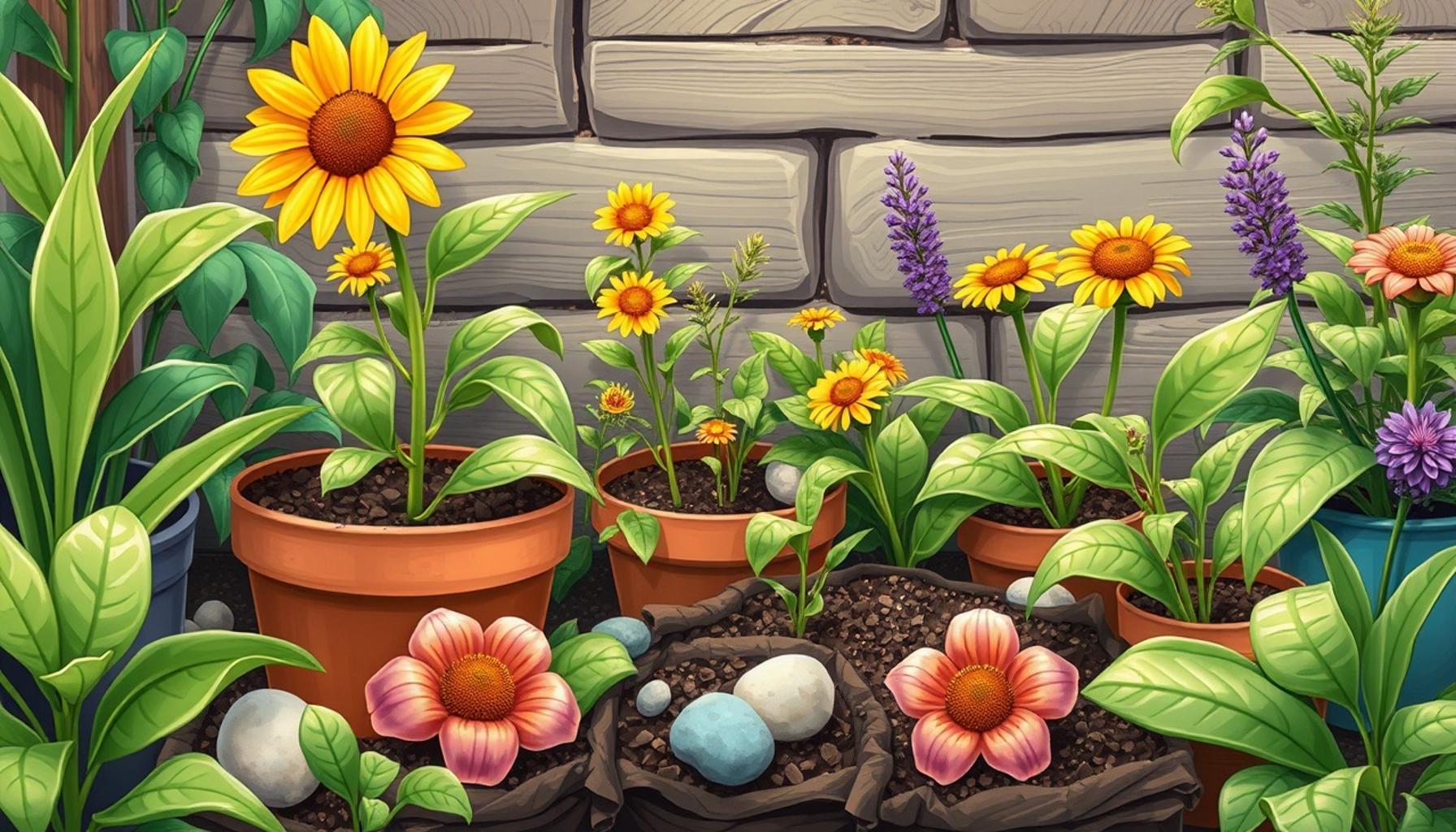
In addition to the soil type, drainage is a vital factor in successful herb gardening. Most herbs thrive in conditions that are moist yet well-draining to prevent root rot. To enhance drainage, consider mixing in materials such as perlite, vermiculite, or coarse sand. These components create air pockets within the soil, allowing excess water to escape while retaining enough moisture for the herbs to draw from.
As you embark on your herb gardening journey, preparing the soil meticulously will provide your herbs with the best possible start. With a solid foundation focusing on soil type, pH levels, organic matter, and drainage, you are setting the stage for a vibrant and productive garden. Get ready to explore further into these soil preparation techniques and watch your home transform into a fragrant haven of culinary possibilities!
DON’T MISS OUT: Click here to keep your plants thriving this winter!</
Understanding Your Soil’s Composition
To achieve thriving herbs in your home garden, it’s crucial to understand the composition of your soil. This analysis will guide you in selecting the right amendments and techniques for optimal growth. Start by conducting a soil test to reveal its texture, nutrient levels, and pH. This information is the backbone of effective soil preparation and will inform your gardening choices.
Soil Amendments: Feeding Your Herbs
Once you know what your soil needs, the next step involves supplementing it with necessary amendments. Here are some common recommendations:
- Compost: Adding organic compost is one of the best ways to enrich your soil. It improves soil structure, boosts fertility, and introduces beneficial microorganisms that promote healthy plant growth. Aim for at least a 25% compost mixture in your planting area.
- Mulch: Applying mulch helps retain moisture, suppress weeds, and add organic matter back into the soil as it breaks down. Organic mulches such as straw, wood chips, or shredded leaves are great choices that blend well with herb cultivation.
- Organic Fertilizers: If your soil test reveals nutrient deficiencies, consider organic fertilizers, such as bone meal for phosphorous, blood meal for nitrogen, or kelp meal for potassium. These natural options promote robust growth without the risks associated with chemical fertilizers.
Creating the Perfect Garden Bed
Preparing your garden bed is where the magic begins. It is advisable to create raised beds for herb gardening, especially if you’re contending with poor soil drainage. Raised beds allow for better soil management and accessibility while minimizing weed pressure.
To build a raised bed, choose a sunny location that receives at least 6-8 hours of sunlight daily, which is vital for many herbs. Construct the frame using untreated wood or bricks, ensuring it’s at least 12 inches deep to allow roots plenty of room to grow. When filling your bed, create a balanced mix of native soil and the aforementioned organic materials.
Another effective technique is to use the “lasagna method” for bed preparation. This involves layering greens (nitrogen sources) and browns (carbon sources), such as kitchen scraps, dried leaves, and cardboard. This layering not only creates a nutrient-rich environment for your herbs but also aids in soil aeration and moisture retention.
Proper soil preparation is a vital investment in your herb gardening success. With a deeper understanding of your soil’s composition, amending it with organic materials, and structuring your growing environment, you set the stage for healthy herbs bursting with flavor and aroma. Ready to dive deeper into specific soil preparation techniques? The journey to a flourishing herb garden continues!
| Preparation Technique | Advantages |
|---|---|
| Soil Testing | Understanding pH and nutrient levels ensures optimal growth for herbs. |
| Amendment with Organic Matter | Enhances soil structure, boosting moisture retention and promoting microbial activity. |
| Tilling | Aerates the soil, relieving compaction and facilitating root growth. |
| Raised Beds | Improves drainage and warms soil faster, ensuring a head start in growth. |
To successfully grow herbs at home, effective soil preparation is key to achieving lush greenery and robust flavors. One essential technique is soil testing, as it allows you to decode the existing nutrient profile and pH level, enabling targeted amendments. This foundational step can lead to improved herb vitality. Another advantageous technique involves amending soil with organic matter such as compost or well-rotted manure, which enhances the overall fertility and structure of the soil, fostering an environment rich in beneficial microbes. Additionally, tilling can rapidly enhance soil aeration, eliminating compaction, which is crucial for root expansion and nutrient absorption. Lastly, implementing raised beds not only improves drainage but also ensures that the soil warms faster in spring, allowing for earlier planting and better harvest yields. By understanding and applying these soil preparation techniques, gardening enthusiasts can significantly enhance their home herb gardens.
DISCOVER MORE: Click here to learn how to choose the perfect plants for your climate!
Soil Aeration: Ensuring Breathability
In addition to nutrient levels, the breathability of your soil plays a vital role in the health of your herbs. Soil that is too compacted can restrict root growth and hinder water infiltration, leading to stress and stunted growth. To tackle soil compaction, consider employing techniques such as tilling or forking the soil.
Tilling involves turning over the topsoil, which helps to aerate the soil and mix in organic matter more effectively. For smaller plots or herb containers, using a hand cultivator or a garden fork is often sufficient. When tilling, be cautious not to overwork the soil, as excessive disturbance can lead to further compaction in the lower layers.
Additionally, incorporating gravel or perlite into your soil can enhance aeration. These materials create spaces between soil particles, allowing air and water to circulate freely. Aim to add about 10-20% of these aeration modifiers to your soil mixture for optimal results.
Moisture Management: Balancing Water Levels
Effective soil preparation also entails a keen focus on moisture management. Herbs, while drought-tolerant, thrive best when their soil retains just the right amount of moisture. To maintain that ideal balance, consider creating a soil mix that offers both excellent drainage and moisture retention.
One effective way to achieve this mix is by adding coir fiber or vermiculite. These organic substances help retain moisture while providing air pockets within the soil, promoting a healthier root environment. When mixing your soil, aim for a ratio of 60% native soil to 40% organic materials (including coir or vermiculite) for the best moisture balance.
Furthermore, employing a drip irrigation system can greatly enhance how you manage water supply to your herbs. This method minimizes evaporation and water runoff, delivering consistent moisture directly to the root zone. If you prefer hand-watering, always check the soil moisture levels before watering to prevent over-saturation.
Seasonal Soil Preparation: Timing is Everything
Timing plays a significant role in soil preparation. Depending on your growing zone, early spring or late fall is typically the best period to amend and prepare your soil. During the fall, after harvesting your herbs, you can work in compost and other amendments so that they have time to integrate into the soil before the next planting season. This method allows for a richer, more fertile soil come spring.
Additionally, consider planting a cover crop during colder months. Cover crops such as clover or vetch are excellent for enriching the soil and preventing erosion. When spring arrives, simply turn them into the soil as green manure, giving your herbs an extra nutrient boost.
By employing these strategies of soil aeration, moisture management, and seasonal preparation, you’ll create a thriving environment for growing herbs at home. Each technique ensures that your herbs receive the nutrients they need while maintaining an ideal balance of air and moisture, promoting robust growth and flavor. As you prepare to plant your herbs, remember that the groundwork laid now will shape the delicious bounty you’ll enjoy later!
DISCOVER MORE: Click here to learn how to properly water your plants
Bringing It All Together: Your Herb Garden Awaits
In conclusion, effective soil preparation techniques are essential for successfully growing herbs at home and unlocking their full flavor potential. By understanding the interplay between soil nutrients, aeration, moisture management, and seasonal timing, you set the stage for a flourishing herb garden. Each aspect plays a critical role; quality soil not only supports robust plant growth but also significantly influences the taste and aroma of your herbs.
Utilizing organic amendments like compost enhances the nutrient profile while allowing for better drainage and aeration. This, in turn, cultivates a thriving micro-ecosystem within your garden bed or pots. Remember, moisture control is paramount—striking the right balance will ensure your herbs are neither waterlogged nor parched. Incorporating materials like coir or vermiculite can tremendously aid in this endeavor.
As you approach your growing season, don’t overlook timing. Amending your soil in the off-season with cover crops can enrich its structure and nutrient content, leading to happier, healthier plants ready to grace your culinary adventures. Ultimately, establishing a solid foundation with these preparation techniques will not only enhance your herb growth but also deepen your connection to the gardening process.
So, roll up your sleeves and prepare your soil with care. With every inch of enriched earth, you’re paving the way for a bountiful harvesting season to come. Your future culinary creations await, filled with the fresh, vibrant flavors of your home-grown herbs!