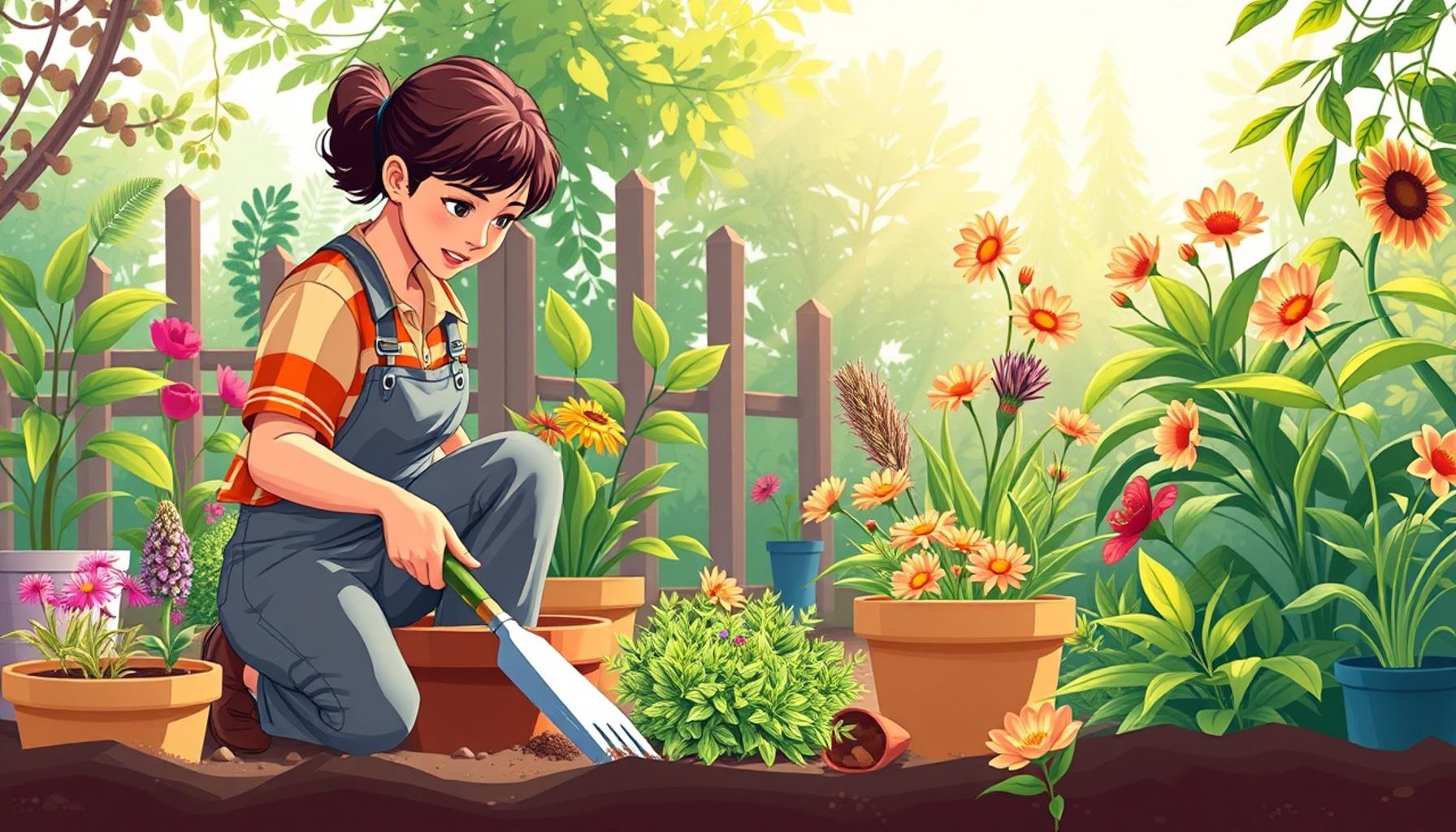
Tips for Choosing the Right Tool in Soil Preparation for Beginners

Embarking on the journey of gardening or landscaping can be both exciting and challenging, especially for beginners. One of the crucial steps towards success is mastering soil preparation, which lays the foundation for a thriving garden. Choosing the right tools can make this process significantly easier and more effective.
Why Tool Choice Matters
The right tools not only enhance efficiency but also contribute to better outcomes for your garden. Understanding the significance of tool selection can help you become a more competent gardener. Here are key reasons to consider:
- Efficiency: Using the correct tools can save you considerable time and effort, allowing you to focus on other aspects of gardening or landscaping. For instance, a quality garden trowel can make planting bulbs or small plants a breeze, compared to struggling with a traditional shovel.
- Soil Health: Proper tools help ensure optimum soil structure, which is vital for the growth of plants. Tools like a soil test kit can guide you in understanding the nutrient levels in your garden soil, enabling you to amend it accordingly.
- Ease of Use: Beginner-friendly options simplify the learning curve, making gardening less daunting. For example, ergonomically designed handles on tools can reduce strain and make tasks more enjoyable.
Key Tools to Consider
As a novice, understanding which tools will best serve your needs can be daunting. Some essential tools for soil preparation include:
- Garden Fork: This tool is perfect for loosening compacted soil, allowing roots more room to grow. When tackling clay-heavy soils, a garden fork can work wonders by breaking it up, promoting better drainage.
- Spade: An essential tool for digging and turning soil, spades come in various shapes and sizes. A pointed spade is particularly useful for breaking ground in hard soil, while a square spade is excellent for edging garden beds.
- Hoe: A hoe is invaluable for breaking up soil, creating furrows for planting, and keeping weeds at bay. The long handle allows for easy maneuverability, making it effective for larger areas.
In addition to these core tools, consider investing in gloves to protect your hands and kneepads for comfort while working at ground level. As you progress, you may want to explore other tools, such as soil tillers and compost bins, which can further enhance your gardening efforts.
In this article, you will uncover valuable tips to navigate the myriad of options available. Whether you’re preparing a small flowerbed or a larger vegetable garden, knowing which tools to choose will empower your gardening experience. Taking the time to understand and invest in the best tools not only enriches your gardening skills but can also lead to more bountiful harvests and healthier plants.
DISCOVER MORE: Click here for essential gardening insights
Understanding Your Soil Needs
Before diving into the array of tools available for soil preparation, it’s essential to understand the unique needs of your garden soil. Soil health can vary significantly from one garden to another, influenced by factors such as location, climate, and the plants you intend to grow. Taking the time to assess these variables will not only help you choose the right tools but also set you on the path toward gardening success.
First and foremost, consider conducting a soil test. This simple but vital step will provide insight into the pH level, nutrient content, and organic matter in your soil. Many local extension services and agricultural schools offer free or low-cost soil testing kits. These resources can be invaluable for beginners eager to ensure optimal growing conditions. For example, a soil test can reveal if your soil is overly acidic or alkaline, helping you make informed decisions about amendments. If the test indicates a nitrogen deficiency, you might consider adding compost or specific fertilizers to bolster your soil’s nutrient profile.
Factors to Keep in Mind When Choosing Tools
As you prepare for soil preparation, keep the following factors in mind when selecting tools:
- Soil Type: Different soils require different tools. For sandy soils, a simple rake or hoe may be sufficient to create a well-structured seedbed. In contrast, heavier clay soils may demand stronger implements like a fork or spade to break through compactness and allow water and nutrients to penetrate.
- Garden Size: The scale of your gardening endeavors greatly influences tool selection. For those tending to small gardens, hand tools such as trowels and hand rakes may be sufficient. However, larger spaces might benefit from heavier equipment such as gas-powered tillers, which can save significant time when preparing large plots.
- Physical Comfort: Selecting tools that feel comfortable in your hands is crucial. Ergonomically designed tools can significantly reduce physical strain and fatigue, especially if you plan on spending lengthy hours in your garden. For instance, a lightweight spade with padded handles can make digging much more bearable.
By taking these factors into consideration, you’ll be better equipped to make informed choices about the tools you need for successful soil preparation. Investing in tools like soil aerators can play a crucial role in enhancing soil structure by allowing better airflow and water penetration—key elements vital for root development.
As you explore your options, familiarize yourself with various brands and their offerings. Some companies specifically focus on eco-friendly, sustainable tools, which might resonate with your gardening philosophy. For instance, brands like Fiskars and Radius Garden offer innovative designs that promote both usability and environmental responsibility. Researching product reviews and recommendations from platforms like Gardening Know How or even local gardening clubs can enhance your confidence in selecting the right equipment.
Taking the time to understand your soil and what tools suit your needs will yield fruitful results in your gardening journey. The more you learn about the details of soil preparation, the more capable you will become in nurturing a thriving garden. In the subsequent sections, we will delve deeper into specific tools and their uses, equipping you with the knowledge to optimize soil preparation effectively.
| Tool Type | Advantages |
|---|---|
| Hand Trowel | Versatile for small gardens, ideal for digging planting holes and transplanting seedlings. |
| Rototiller | Efficient for turning large soil areas, saving time and reducing physical effort. |
| Garden Fork | Perfect for aerating soil, helping with drainage and mixing in fertilizers. |
| Hand Rake | Excellent for clearing leaves and debris, ensuring a clean working area. |
When starting with soil preparation, understanding the tools available is crucial for beginners. Using the right tools can significantly enhance your gardening experience, making the process easier and more enjoyable. New gardeners might find it beneficial to invest in these foundational tools. Each tool not only simplifies various tasks but fosters a deeper connection to your gardening journey, boosting confidence and encouraging exploration. Take the time to research and select tools that cater to your specific needs, ensuring a fruitful gardening experience!
DIVE DEEPER: Click here to learn how to choose the perfect watering method
Essential Tools for Soil Preparation
As you embark on your gardening journey, it’s crucial to equip yourself with the essential tools that will streamline the soil preparation process. Having the right equipment not only maximizes your efficiency but also enhances the overall health of your soil and plants. Below are some foundational tools to consider, each serving a specific purpose in laying the groundwork for your future garden.
Hand Tools
For beginners, hand tools are often the most manageable and versatile. Their smaller size makes them suitable for tight spaces and allows for a more detailed approach to soil preparation. Here are a few must-have hand tools:
- Trowel: This small tool is perfect for digging small holes, transplanting seedlings, and mixing amendments into the soil. Look for a trowel with a comfortable grip and durable stainless steel blade for long-lasting use.
- Garden Fork: A garden fork is invaluable for breaking up clumps of soil, aerating, and turning compost into the garden bed. Opt for a fork with sturdy, pronged tines, as they will penetrate compacted soil more effectively.
- Weeder: Getting rid of weeds is vital, and a weeder allows you to remove them at the root level without disturbing your crops. Choose a tool that fits comfortably in your hand, making weeding less of a chore.
Mechanical Tools
As your gardening ambitions expand, investing in mechanical tools can save you significant time and labor. Here are some popular options:
- Rototiller: This power tool can turn large plots of soil quickly, mixing in organic matter and aerating the soil. Ideal for beginners who are managing larger gardens, a tiller can greatly reduce the physical strain required for soil preparation.
- Soil Cultivator: For those who desire to maintain smaller garden areas, a soil cultivator can help mix and aerate the top few inches of soil without extensive digging. It’s particularly useful for preparing beds before planting.
- Garden Rake: A garden rake serves to level out soil, removing debris and creating a seedbed that is smooth and even. Choose one with sturdy tines that can withstand the rigors of soil manipulation.
Specialized Tools
Depending on your specific gardening goals, certain specialized tools may also enhance your soil preparation efforts. Consider the following:
- Soil Tester: A handheld soil tester can help you analyze nutrient levels, pH, and moisture, guiding your amendments for better results. This tool is essential for ensuring you provide the right environment for your plants.
- Compost Spreader: If you’re integrating compost into your soil, a compost spreader can help distribute it evenly across your garden bed, improving both nutrient density and soil structure.
- Aerator: Utilizing an aerator is vital for compacted soils, as it allows for air exchange within the soil, promoting healthy root development. The aerator can be manual or powered, depending on your garden size.
Each of these instruments is designed to address specific challenges you may encounter when preparing your soil. By understanding the unique functions of these tools, you’ll empower yourself as a gardener, ensuring that your plants grow strong and productive. Investing time in tool selection and familiarization can significantly reduce the learning curve and lead to gardening triumphs that will keep you motivated for many seasons to come.
LEARN MORE: Click here for essential tips on soil preparation
Conclusion
Choosing the right tools for soil preparation is a pivotal step in every beginner gardener’s journey. Armed with the proper equipment—from versatile hand tools to powerful mechanical instruments—you can create the healthy and productive garden you’ve always envisioned. Understanding the functions and benefits of each tool equips you to tackle various soil challenges effectively, setting the foundation for thriving plants.
As you explore the world of gardening, remember that investing in quality tools pays off in the long run, not just in terms of efficiency but also in the health and vitality of your garden. Take your time to familiarize yourself with your chosen equipment, as mastery of these tools reduces not only your workload but also enhances your enjoyment of the gardening process. From planting your first seeds to maintaining a flourishing garden, the right tools will ensure you are prepared every step of the way.
Finally, don’t hesitate to seek out additional resources, such as local gardening clubs or online communities, where you can discover new techniques, share experiences, and gain inspiration. Each gardening endeavor is a learning opportunity, and with the right tools at your disposal, you are well-equipped to cultivate not just plants, but a rewarding passion for gardening that can last a lifetime.