Beginners Guide to Natural Pest Control in Home Gardens Tips Methods
Creating a thriving home garden can be a rewarding experience, but it often comes with its challenges, particularly when it comes to pest management. New gardeners may find themselves at a loss on how to protect their plants from unwanted insects and diseases without resorting to harsh chemicals. Embracing natural pest control methods not only helps maintain a healthy garden but also ensures the safety of your home environment.
In this guide, we’ll explore effective and beginner-friendly strategies for controlling pests organically. By understanding these techniques, you can cultivate a flourishing garden while minimizing your ecological footprint. Here’s what you can look forward to in our ranking of the Top 5 Natural Pest Control Methods:
- Beneficial Insects: Learn how to attract nature’s helpers to your garden.
- Homemade Remedies: Discover easy recipes to combat common pests.
- Companion Planting: Optimize plant pairings for natural pest deterrence.
- Physical Barriers: Understand how to protect your plants using simple materials.
- Prevention and Maintenance: Establish best practices to keep pests at bay.
Join us as we delve into these natural solutions, empowering you to safeguard your garden and enjoy its full potential!
DISCOVER MORE: Click here to enhance your gardening skills
Top 5 Natural Pest Control Methods for Beginners: Protecting Your Home Garden
Your home garden should be a sanctuary filled with beautiful plants and delicious produce. However, maintaining it as an idyllic paradise can be challenging when pesky pests threaten to overrun your green space. Fortunately, there are many effective natural pest control methods that allow you to protect your garden while keeping it healthy and chemical-free. Here’s a detailed top five list sure to equip beginners with the knowledge needed to combat these unwanted guests efficiently!
5. Companion Planting
Companion planting is a subtle yet powerful tool in the gardener’s arsenal. This technique involves strategically placing different plants together to naturally deter pests and promote healthy garden ecosystems. By understanding which plants benefit each other, you are setting up a defense mechanism that relies on nature’s own diversity.
For instance, marigolds are known for their ability to keep nematodes and aphids at bay with their pungent scent. Their bright blooms also attract pollinators, adding to your garden’s biodiversity. Pairing basil with tomatoes not only enhances the flavor but also repels tomato hornworms and mosquitoes.
Consider using nasturtiums as a trap crop—they lure aphids away from your more valuable plants. This clever method not only controls pests but also adds vibrant colors to the garden. By employing companion planting, you can create a self-sustaining environment that minimizes the need for artificial interventions.
4. Neem Oil
Derived from the seeds of the neem tree, neem oil is a tried-and-true natural pesticide. Its mode of action involves disrupting the life cycles of insects by interfering with their feeding and reproduction. This makes neem oil particularly effective for gardens troubled by a variety of pests, including aphids, spider mites, and whiteflies.
To use neem oil effectively, mix it with water and a small amount of dish soap to enhance its spreadability. As a gentle reminder, it is best to apply this mixture in the early morning or late evening to reduce any chances of harming beneficial insects in your garden.
Make it a habit to reapply neem oil weekly and after heavy rain for continued protection. This versatile solution is especially appealing to beginners due to its ease of use and wide range of effectiveness. It offers a natural way to fight pests while being kind to the ecosystem in your garden.
3. Garlic Spray
Garlic, though typically known for its culinary uses, is also remarkably effective as a natural insect repellent. Its strong, pungent scent acts as an effective deterrent against many pests like aphids, beetles, and thrips.
To concoct a garlic spray, blend several cloves of garlic with water, strain the mixture, and add a small amount of dish soap. This simple DIY recipe provides a potent solution. Always remember to store your garlic spray in a cool, dark place, using it within a week to ensure efficacy.
When applying the spray, cover all plant surfaces, including the undersides of leaves where many pests like to hide. This precautionary measure will enhance the spray’s effectiveness, helping you maintain a pest-free environment in your garden, enabling your plants to grow healthily and vibrantly.
2. Diatomaceous Earth
Diatomaceous earth (DE) is a remarkable natural product made from the crushed, fossilized remains of tiny aquatic organisms known as diatoms. It acts as a physical rather than chemical deterrent to pests. Its fine powdery form serves as a mechanical insecticide by abrading the outer shells of soft-bodied insects like slugs, aphids, and beetles, leading to their dehydration and death.
To utilize DE, apply a fine dusting around the base of plants and lightly sprinkle it on leaves. Ensure even coverage but avoid overuse, as it can affect beneficial insects if heavily applied. Reapply after rainfall or watering to maintain its protective barrier.
One of the advantages of DE is its versatility; it is safe for plants and pets, making it an excellent choice for those with gardens that children and animals frequent. This method offers peace of mind alongside pest control, reinforcing your garden as a thriving and safe space.
1. Introduce Beneficial Insects
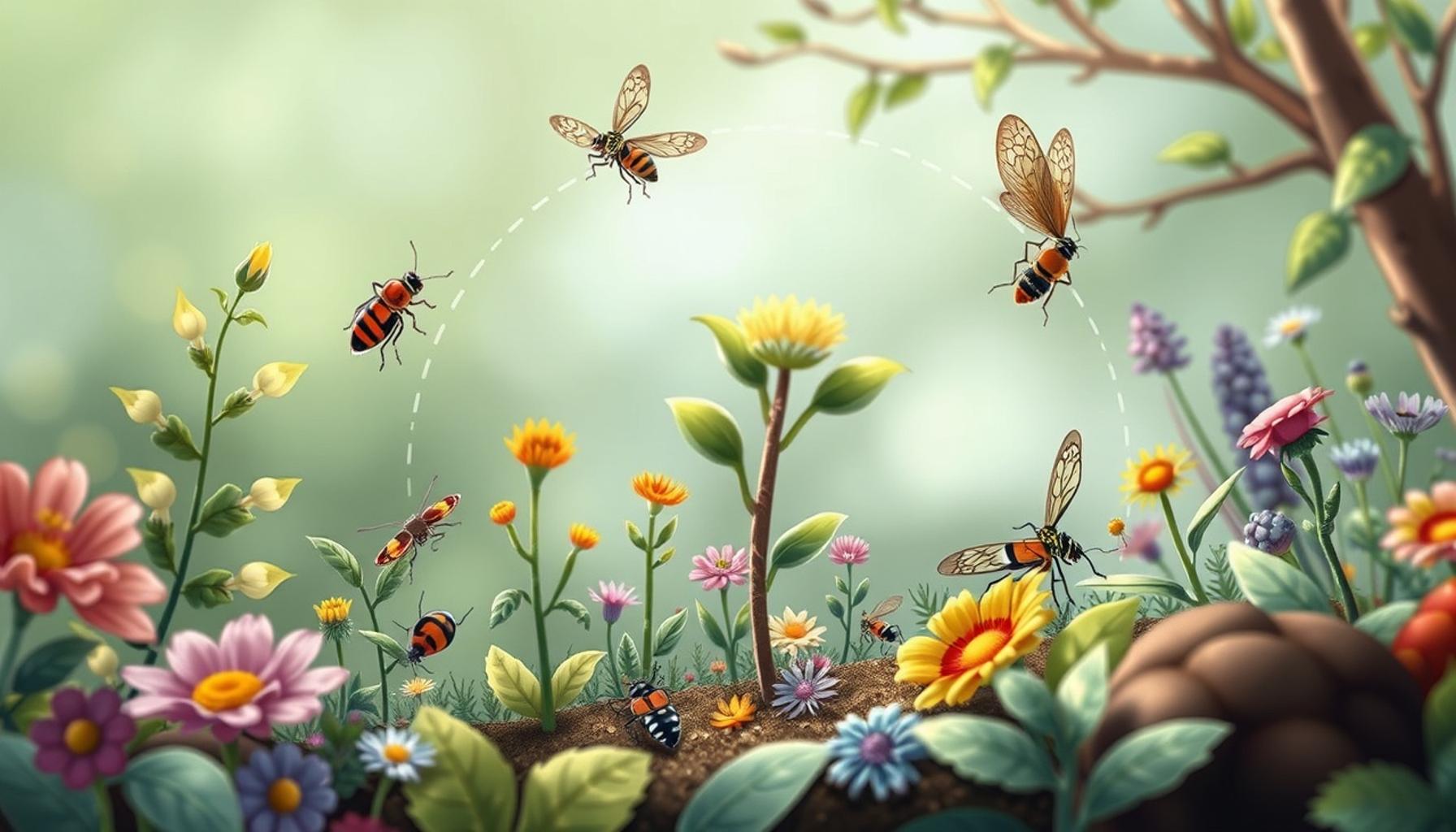
Arguably the most holistic natural pest control method is introducing and attracting beneficial insects that can help maintain a balanced ecosystem by preying on harmful pests. These insect allies are nature’s pest controllers, crucial for anyone looking to sustain an organic approach to gardening.
Ladybugs, lacewings, and predatory wasps are a few examples of garden-friendly insects that tirelessly work to keep pest populations in check. Their presence not only helps in pest management but also enhances the biodiversity that is vital for a healthy garden ecosystem.
To attract these beneficial insects, consider planting flowers such as yarrow, dill, and fennel. These plants offer nectar and pollen that appeal to these insects, transforming your garden into a haven for them. Alongside aesthetic appeal, a diverse array of plants provides food and shelter, encouraging a thriving community of helpful insects.
By fostering an environment where beneficial insects thrive, you harness nature’s solution to pests, significantly reducing pest issues over time without the need for chemical interventions. This natural balance will lead to a more productive and sustainable gardening experience.
In conclusion, maintaining a verdant and thriving home garden does not necessitate dependency on chemicals. By embracing these five natural pest control methods, even beginners can cultivate a flourishing and pest-free garden. These techniques enable gardeners to enjoy the tranquility and bounty their garden has to offer without compromising the health of their plants or the integrity of their gardening space.
When embarking on the journey of natural pest control, it is essential for beginners to understand various methods that effectively protect their home gardens while promoting a healthy ecosystem. Here are several approaches to consider:1. **Companion Planting**: This technique involves planting certain crops together that can mutually benefit each other. Some plants naturally repel pests or attract beneficial insects that prey on unwanted insects. For example, marigolds planted among vegetables can deter aphids and nematodes due to their fragrant flowers. Additionally, basil can help to repel flies and mosquitoes when grown alongside tomatoes.2. **Natural Predators**: Encouraging wildlife into your garden can lead to natural pest control. Birds, ladybugs, and lacewings are just a few examples of beneficial insects that will help keep pest populations in check. You can attract these organisms by incorporating native plants, installing birdhouses, or providing shallow water sources. This method not only addresses pest management but also promotes biodiversity.3. **Homemade Remedies**: Crafting your own insecticidal sprays can be an effective and environmentally friendly pest control strategy. A simple solution can be made by mixing soap and water, which can suffocate soft-bodied insects such as aphids and spider mites. Another popular option is garlic spray, which deters a range of pests due to its strong odor. Using these homemade insecticides ensures that you’re not introducing harmful chemicals into your garden.4. **Physical Barriers**: Utilizing barriers can prevent pests from accessing your plants. Garden nets, cloches, and row covers can cleverly keep pests away while still allowing sunlight and rain to nourish the plants. Additionally, copper tape can deter slugs and snails due to its unique chemical reaction with their slime. Such barriers are a straightforward yet effective method for safeguarding young plants and seedlings.5. **Crop Rotation**: Changing the location of your crops each season can interrupt the life cycles of pests that may become too accustomed to a specific plant. By rotating what you plant in different areas of the garden, you disrupt the environments that certain pests thrive in, reducing their population over time.6. **Soil Health**: Healthy soil is key to a thriving garden that can withstand pest pressures. Incorporating organic matter like compost can improve soil structure and fertility. Healthier plants are better equipped to resist diseases and pest invasions. Regularly testing soil health and ensuring proper pH levels can enhance plant resilience.By implementing these natural pest control methods, beginners can develop a more profound understanding of ecosystem management while keeping their home gardens flourishing. Each of these strategies not only helps protect your plants but also builds a sustainable gardening approach that promotes environmental health.
DISCOVER MORE: Click here for essential soil preparation tips!
Frequently Asked Questions about Natural Pest Control Methods
How do I start using natural pest control in my garden?
Starting with natural pest control involves observing your garden and identifying the pests you need to manage. Begin by maintaining a healthy ecosystem in your garden. This means ensuring that plants are well-nourished and soil is kept healthy, as strong plants can better resist pests. Introduce beneficial insects like ladybugs, which eat aphids, or consider planting pest-repelling herbs such as basil and mint. Remember, patience is key, as natural methods often take a little more time to see results compared to chemical treatments.
What are some common natural pest control methods that I can use at home?
There are several natural methods you can try. One popular approach is creating homemade sprays using ingredients like neem oil, garlic, or hot pepper, which deter pests. Another method is companion planting, where certain plants are grown together to naturally repel pests. For example, planting marigolds near vegetables can help deter nematodes. Additionally, implementing barriers like netting or row covers can physically block pests from reaching your plants.
Are natural pest control methods effective against all types of pests?
While natural pest control methods are effective against many common garden pests, they may not work against every insect or disease. Effectiveness can vary based on the specific pest and the environment. For instance, neem oil works well on soft-bodied insects like aphids but might not be effective against larger insects like beetles. It’s important to research the best natural methods tailored to the specific pests in your garden.
Will using natural pest control methods harm my plants?
Natural pest control methods, when used correctly, should not harm your plants. In fact, they often contribute to overall plant health. However, it’s crucial to apply these methods properly. For example, when making a homemade spray, make sure to follow recommended dosages to avoid damaging plant leaves. Conducting a patch test on a small section of a plant is a good practice before applying any new treatment broadly.
Can natural pest control methods be as effective as chemical pesticides?
Natural pest control methods can be very effective, especially when integrated as part of a comprehensive pest management strategy. While they may require more effort and time to implement, the benefits, like a safer environment and healthier garden ecosystem, are significant. Keep in mind that chemical pesticides might provide a quick fix but can disrupt beneficial insect populations and lead to long-term pest resistance issues. Therefore, a balanced approach, combining prevention, observation, and natural treatments, can yield great results.
DISCOVER MORE: Click here for essential soil preparation tips
Conclusion
Embarking on the journey to protect your home garden from pests using natural methods is both rewarding and environmentally responsible. By following the strategies outlined, you not only safeguard your plants but also contribute to a healthier ecosystem. For beginners, understanding that pest control does not always require harmful chemicals is a crucial lesson in sustainable gardening.
The introduction of beneficial insects like ladybugs and lacewings effectively helps in managing pest populations without disrupting the natural balance of your garden. Meanwhile, deploying companion planting can cleverly deter pests while adding beauty and diversity to your garden space. Homemade remedies, such as garlic and neem-based sprays, offer a cost-effective and eco-friendly approach to pest control. Additionally, maintaining biodiversity and dedicating efforts to soil health lays a solid foundation for resilient plants that are less susceptible to pest attacks.
It is vital to adopt a proactive approach, regularly inspecting your plants for early signs of trouble and taking applicable measures promptly. This not only helps in managing pest issues but also strengthens your skills as a gardener. By embracing these natural pest control methods, you become part of a broader movement towards sustainable gardening practices that are friendly to both your garden and the planet.
Remember, patience and observation are key; each plant and garden is unique, and developing a personalized pest management plan takes time and experience. Encourage yourself to learn and adapt, drawing insights from successes and learning opportunities. As you continue to grow and nurture your garden, you’ll cultivate not only plants but also a deeper appreciation for harmony with nature.