Effective Irrigation Key Techniques for Gardening Beginners
The Importance of Irrigation in Gardening
For anyone venturing into gardening, understanding proper irrigation is essential. It directly influences plant growth, health, and overall yield, making it a foundational aspect of successful gardening. Beginners who master effective watering techniques will find their journey to nurturing plants significantly smoother and more rewarding.
Key Considerations for Effective Irrigation
As you embark on this green-thumb adventure, consider the following key points:
Soil Types
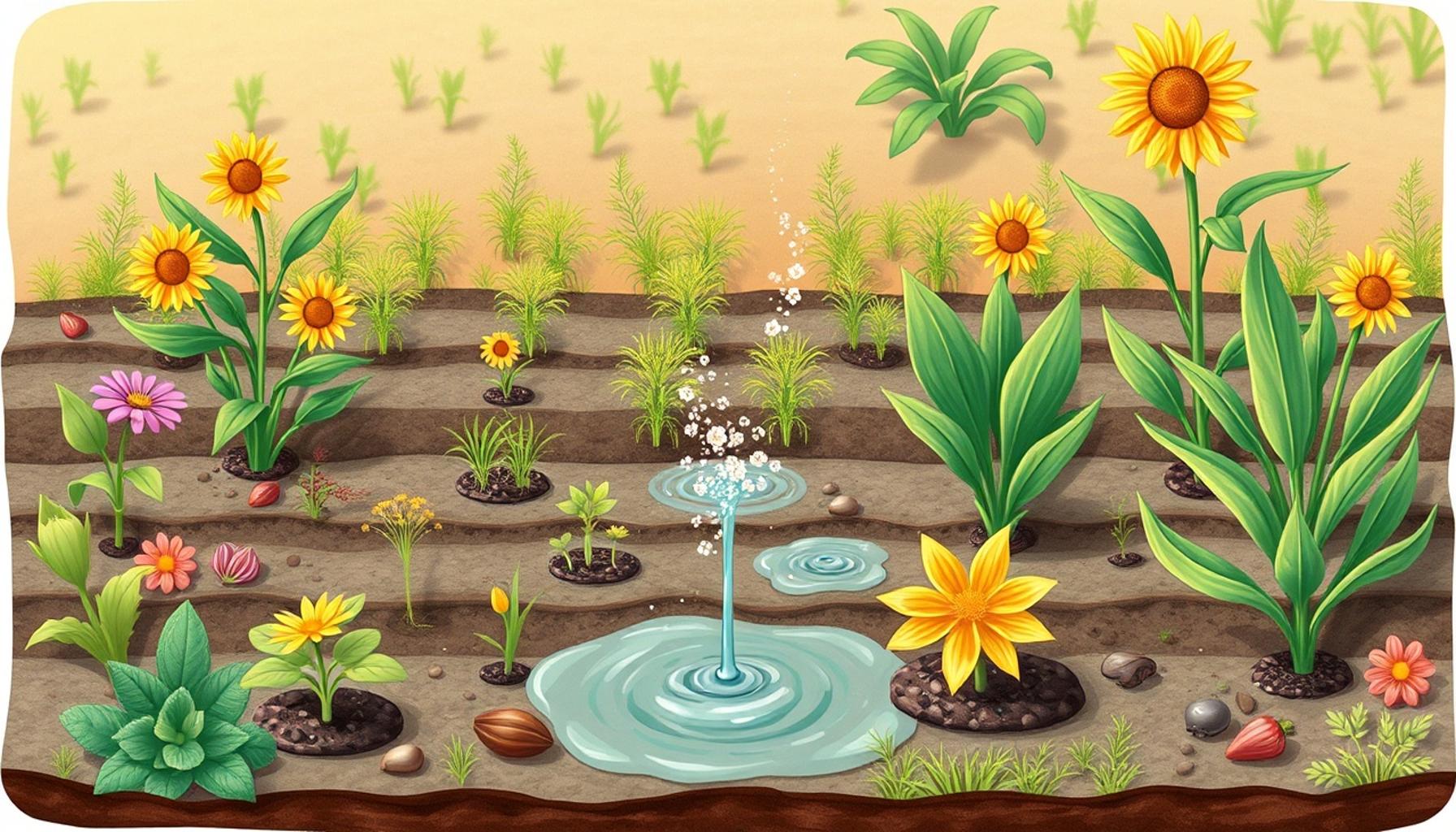
Different soils retain moisture differently. For example, sandy soils drain quickly and require more frequent watering, while clay soils can retain water for longer periods, reducing the need to water as often. Understanding your soil type can help you optimize your irrigation schedule and prevent over or under-watering.
Plant Needs
Each plant species has its unique water requirement. For instance, succulents thrive on minimal water, while tropical plants may demand more frequent hydration. Ensuring you tailor your watering habits to each plant’s needs can significantly enhance plant health and productivity.
Weather Conditions
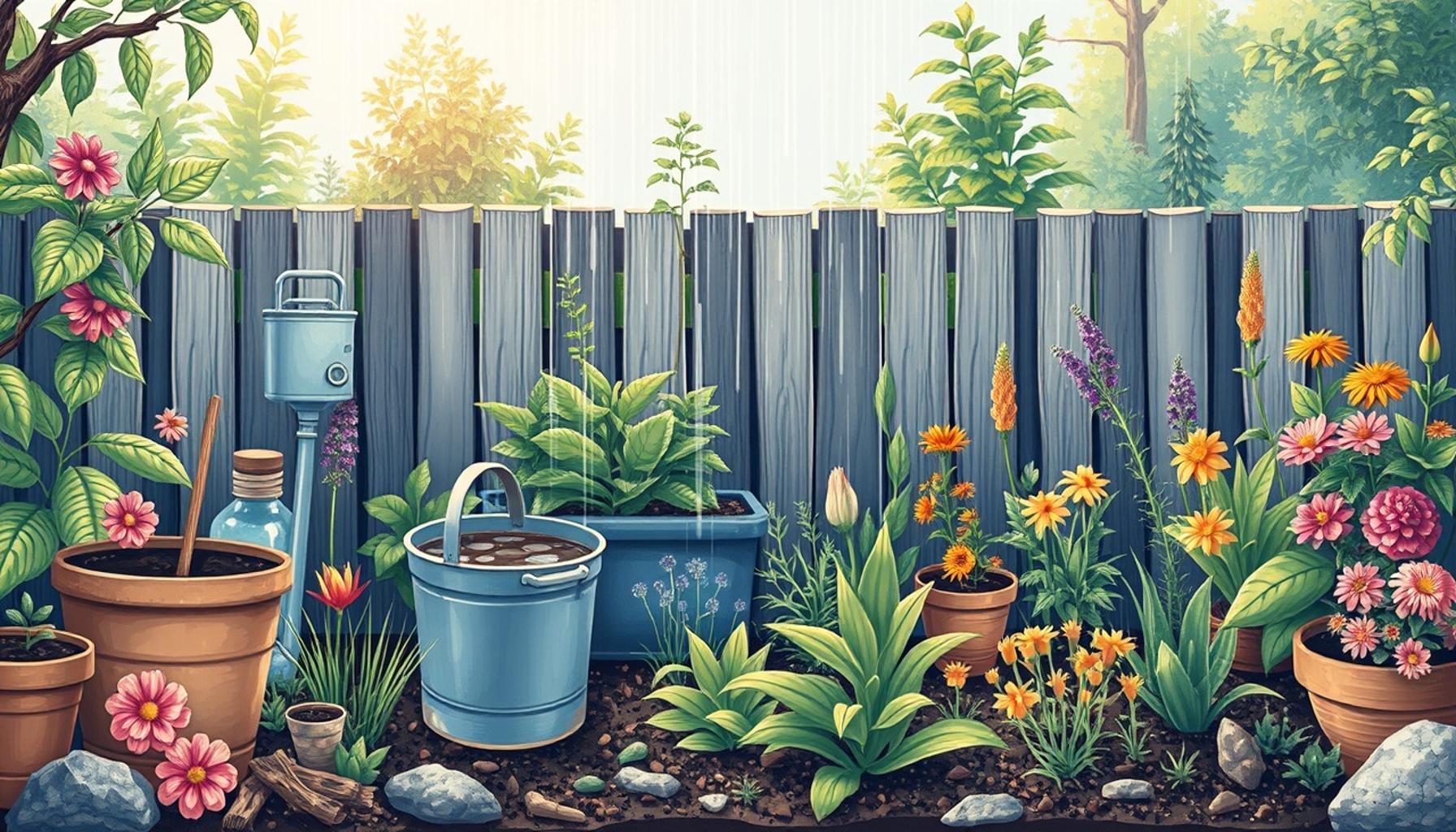
Temperature and humidity can affect watering frequency. During hot and dry weather, plants may need more water, as evaporation rates are higher. Conversely, during cooler or rainy periods, natural precipitation can supplement your watering efforts. Paying attention to the forecast can inform your irrigation practices.
Irrigation Methods
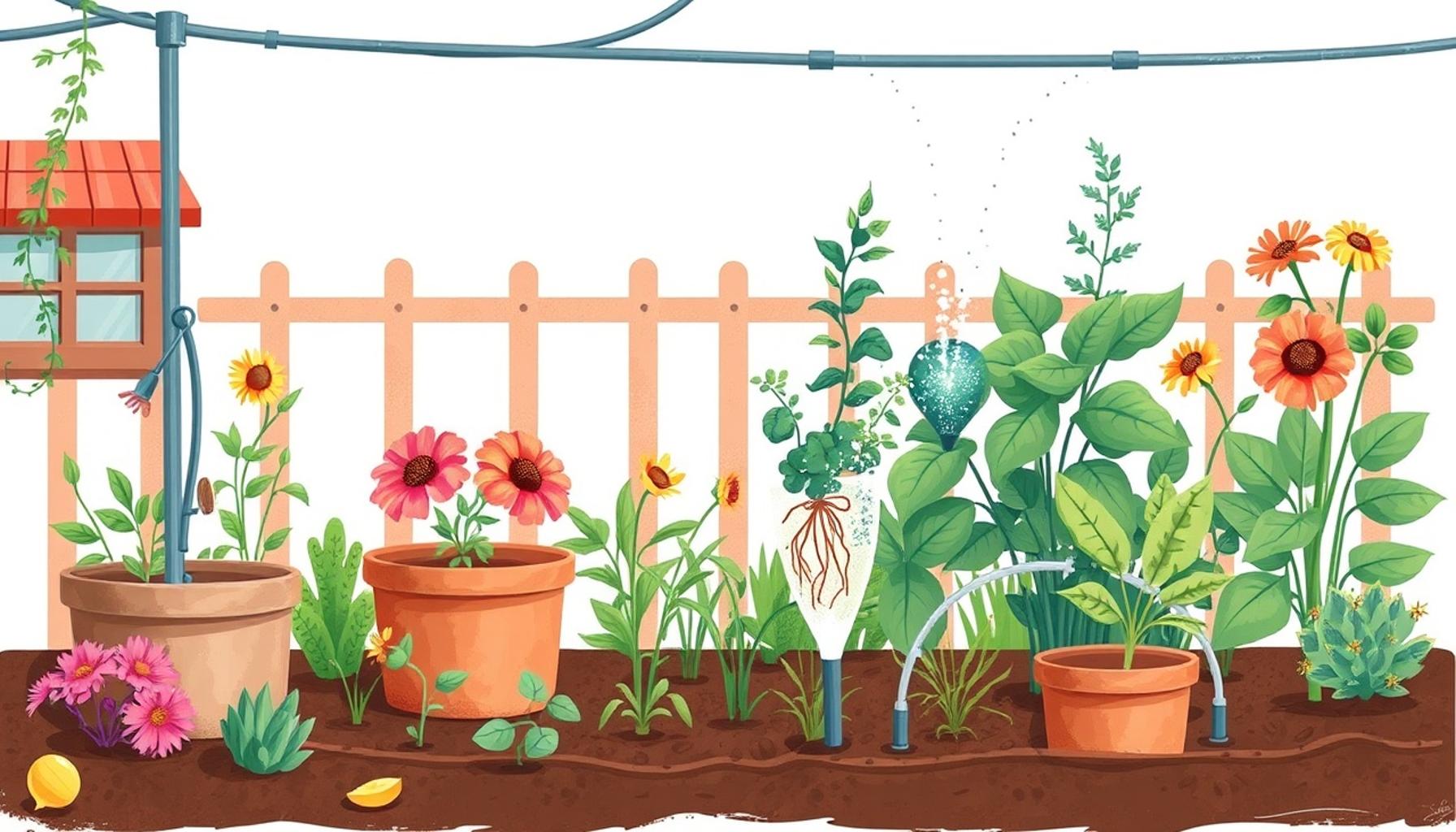
Various methods can suit different garden types. From drip irrigation systems, which deliver water directly to the plant roots, to overhead sprinklers that simulate rainfall, choosing the right irrigation method is crucial. Each system has advantages and limitations, depending on your garden’s size and the diversity of plant species it contains.
Top Techniques for Effective Irrigation
This article will explore top techniques for effective irrigation, helping you make informed decisions and ensuring your plants thrive. Join us as we delve into the Top 5 Effective Irrigation Methods for budding gardeners!
- Drip Irrigation: Efficient for delivering water directly to the soil and root zone, minimizing evaporation.
- Soaker Hoses: Ideal for even, gentle watering over a large area.
- Sprinkler Systems: Good for covering broad areas, especially lawns
LEARN MORE: Click here for essential soil preparation tips
Top 5 Importance of Proper Irrigation: Effective Methods for Beginner Gardeners
Watering your plants may seem like a simple task, but proper irrigation is crucial for the health and growth of your garden. As a beginner gardener, understanding the significance of adequate irrigation and the most effective methods will help you cultivate a thriving green sanctuary. Here, we present the top five methods to ensure your plants receive the right amount of water, ranked from least to most effective. Each method offers unique benefits, aiding gardeners in different ways according to their needs and garden types.
5. Understanding Your Plant’s Needs
The first step in effective irrigation is to know your plants. Different species have varying water requirements based on their natural habitat and biological structure. For instance, succulents originate from arid environments which naturally train them to thrive with minimal water, while many herbs and leafy vegetables prefer continuously damp soil to ensure robust growth. Understanding these nuances is essential for crafting a suitable watering schedule tailored to each plant’s needs.
- Identify plant types: Get familiar with the species you are growing. Consider their natural habitats to determine their watering needs.
- Research watering needs: Delve into gardening guides or seek advice from online forums to discern the optimal watering conditions for your plants.
- Observe seasonal changes: Water requirements can change with the seasons, as summer heat may increase evaporation and necessitate more frequent watering.
By recognizing the specific needs of your plants, you can tailor your irrigation practices accordingly, preventing overwatering — which can lead to root rot and fungal diseases — or underwatering, which can cause wilting and stunted growth, both of which can harm your garden.
4. The Manual Watering Method
Manual watering involves using tools such as watering cans or hoses to supply water directly to your plants. While it may seem labor-intensive, it offers the advantage of targeted watering. This method gives you the flexibility to concentrate your efforts on the root zone of each plant, ensuring that water is applied precisely where it is needed.
Advantages of manual watering include:
- Complete control over water application: You can control the amount of water each plant receives, providing for their specific needs.
- Ability to assess soil moisture: By interacting closely with each plant, you can assess the soil’s moisture level and adapt your watering schedule accordingly.
- Flexibility in adapting to weather changes: Manual watering allows you to adapt immediately to sudden changes in weather, offering agility in terms of irrigation response.
However, it’s crucial to time your watering sessions during early morning or late evening to minimize evaporation and maximize absorption, a practical step to ensure water reaches deep into the soil.
3. The Drip Irrigation System
Drip irrigation is a highly efficient way to deliver water directly to the roots of your plants. This system is popular among both small gardeners and larger agricultural operations due to its precision and efficacy. Using a network of tubing and emitters, drip systems provide a slow, steady release of water that significantly reduces waste compared to traditional methods.
Benefits of a drip irrigation system include:
- Conservation of water: Drip irrigation ensures that water goes directly to the roots, reducing losses due to evaporation and runoff.
- Reduced weed growth: Since water is delivered directly to your plants, your pathways and surrounding areas receive less moisture, hindering weed growth.
- Prevention of fungal diseases: By keeping plant foliage dry, drip systems reduce the likelihood of fungal infections and contribute to healthier plants.
While the initial setup cost may be higher than manual methods, the long-term benefits and water savings make it a worthwhile investment for enthusiastic beginner gardeners aiming for sustainability and efficiency.
2. The Soaker Hose Approach
A soaker hose is another fantastic option for beginners, providing a perfect blend of simplicity and effectiveness. This highly porous hose allows water to seep out slowly along its length, making it ideal for watering garden beds without creating water runoff. Soaker hoses are ideal for mulched areas, where moisture retention can be crucial to maintaining soil health and plant growth.
Advantages of using a soaker hose:
- Easy to install and move: With minimal setup requirements, soaker hoses can be easily placed, adjusted, or relocated based on your garden’s shifting needs.
- Promotes even moisture distribution: This method ensures that water is uniformly distributed across your plants’ root zones, preventing uneven growth.
- Time-saving: No need to stand with the hose, allowing you to focus on other gardening tasks.
Simply lay the soaker hose on the soil surface or bury it under mulch to create an efficient watering system that enhances your garden’s health, particularly during periods of drought or intense heat.
1. Automated Irrigation Systems
At the top of our list is the automated irrigation system, which combines convenience and efficiency. Equipped with timers and sensors, these systems can automatically water your garden based on the specific needs of your plants — perfect for busy individuals who may forget to water or struggle with maintaining a consistent irrigation schedule.
Key advantages of automated irrigation include:
- Schedule watering according to plant needs: Precisely programmed irrigation schedules ensure optimal water delivery, even when you’re away or busy.
- Reduction in water usage: Automation allows for targeted watering based on real-time environmental readings, optimizing water efficiency.
- Consistency: Automated systems ensure plants receive regular moisture, promoting healthy growth regardless of external conditions.
Investing in an automated irrigation system is beneficial for beginner gardeners looking to establish a thriving garden without relying on manual effort alone. These methods not only save time but also promote sustainable gardening practices, ensuring that your plants flourish with minimal hassle.
In conclusion, the significance of proper irrigation cannot be overstated. By understanding your plants’ needs and utilizing effective methods like manual watering, drip irrigation, soaker hoses, and automated systems, you can create a thriving garden. Whether you’re nurturing a few potted herbs or cultivating a lush landscape, these approaches offer versatility and adaptability, ensuring that your green sanctuary remains vibrant and healthy throughout the year.
Irrigation Method Advantages Drip Irrigation Efficient use of water, targeting the roots directly, which reduces evaporation and conserves resources. Soaker Hoses Even distribution of moisture, ideal for garden beds, ensuring the soil remains consistently damp. Sprinkler Systems Wide coverage, great for lawns and larger areas; water is sprayed evenly to reduce dry patches. Manual Watering Control over water delivery, allowing gardeners to focus on specific plants’ needs; however, it requires consistent effort. In the previous sections, we discussed the fundamentals of why proper irrigation is essential for gardening success. Now, let’s delve deeper into common irrigation methods, specifically designed to suit beginners who are just getting started with their gardens.Drip irrigation</ stands out as one of the most efficient methods available. By delivering water directly to the plant’s roots through a system of tubing and emitters, it minimizes waste. This method not only conserves water but also reduces the likelihood of diseases that can arise from excess moisture on foliage. Beginners may find pre-manufactured kits particularly helpful, as they often come with everything needed for installation, including detailed instructions.Another excellent option is the use of soaker hoses. These hoses are porous and allow water to seep out slowly along their length, ensuring that soil remains adequately moist but not soggy. This method is straightforward to use, requiring just a simple setup along garden beds or rows of plants. It offers an even distribution of moisture and significantly cuts down on the time needed for manual watering.For larger areas, such as lawns, a sprinkler system might be the best choice. There are various types of sprinklers available, from stationary to oscillating, which accommodate different garden layouts. Sprinklers effectively cover broad areas, ensuring that plants receive uniform moisture. The convenience factor here cannot be overstated, especially for beginners less familiar with watering schedules.Finally, for those who prefer a hands-on approach, manual watering remains a viable option. Using a hose or watering can grants complete control over how much and where you water. While it may require more effort and time, especially in large gardens, it allows for close attention to individual plants and their specific requirements, making it an excellent method for learning plant needs firsthand.Each method has its own unique advantages, making it essential for beginners to choose one that aligns with their gardening style and needs. Understanding these methods empowers them to cultivate their gardens effectively while also promoting sustainable practices.
Dive Deeper: Click here to discover essential soil preparation tips
Frequently Asked Questions about Proper Irrigation for Beginner Gardeners
What are the benefits of adequate irrigation for my garden?
Adequate irrigation is crucial for maintaining the health of your garden. It ensures that plants receive the right amount of water, helping them grow strong and vibrant. Proper watering prevents issues like root rot, which can occur from overwatering, and stress due to drought from underwatering. An effectively irrigated garden will produce more robust plants with better flowering and fruiting capabilities.
How can I tell if I’m overwatering or underwatering my plants?
It’s essential to observe the signs your plants give. If you’re overwatering, signs include yellowing leaves, wilting, or soggy soil. For underwatering, the indications are usually dry, crispy leaves and soil pulling away from the edges of the pot. To check soil moisture, insert your finger about an inch deep into the soil; if it feels dry, it’s time to water.
What watering techniques are best for beginners?
For beginners, techniques like drip irrigation or soaker hoses are ideal. These methods give precise water delivery directly to the plant roots and encourage deeper root growth, enhancing drought resistance. They also conserve water by minimizing evaporation and runoff compared to traditional sprinkler systems.
How often should I water my garden?
The frequency of watering depends on several factors, including the type of plants, soil type, and climate. A general rule is to water deeply but less frequently, allowing the top few inches of soil to dry out between waterings. This approach encourages the roots to grow deeper in search of moisture and strengthens the plants.
Is it necessary to adjust watering habits according to the seasons?
Yes, it’s important to adjust your irrigation practices according to seasonal changes. During hotter months, plants may need more frequent watering due to increased evaporation. In contrast, during rainy or cooler months, reduce watering to prevent excessive soil moisture and potential root damage.
DIVE DEEPER: Click here to learn essential soil preparation tips
Conclusion
In conclusion, mastering irrigation techniques is essential for novice gardeners aiming to cultivate healthy and thriving plants. As highlighted throughout this article, proper irrigation can dramatically enhance growth and yield, preventing common pitfalls related to over or under-watering.
To summarize the main points, understanding the specific water needs of different plant species is foundational. Each plant has unique requirements, and matching irrigation accordingly ensures optimal growth. Next, choosing the right irrigation method, such as drip systems or soaker hoses, can lead to efficient water usage, conserving this precious resource while supporting plant health.
Another critical takeaway is the role of monitoring soil moisture, using tools like moisture meters or simply checking the soil with your hands. This helps tailor watering schedules to the plants’ actual needs, fostering an environment where they can flourish. Furthermore, factors like local climate and seasonal changes should not be overlooked, as they can significantly influence irrigation requirements.
Lastly, for beginners, the habit of learning through observation and adjustment is invaluable. Keeping notes on your garden’s response to different irrigation practices can help refine and optimize your approach over time.
By embracing these strategies, even beginner gardeners can enjoy the rewards of a lush and productive garden. Proper irrigation not only supports plant health but also contributes to sustainable gardening practices, making it a crucial skill for anyone looking to grow plants at home.